

Licorice Root (Gan Cao): Benefits, Uses, Tea & Traditional Chinese Medicine Guide
Looking for one of the most important herbs in Traditional Chinese Medicine?
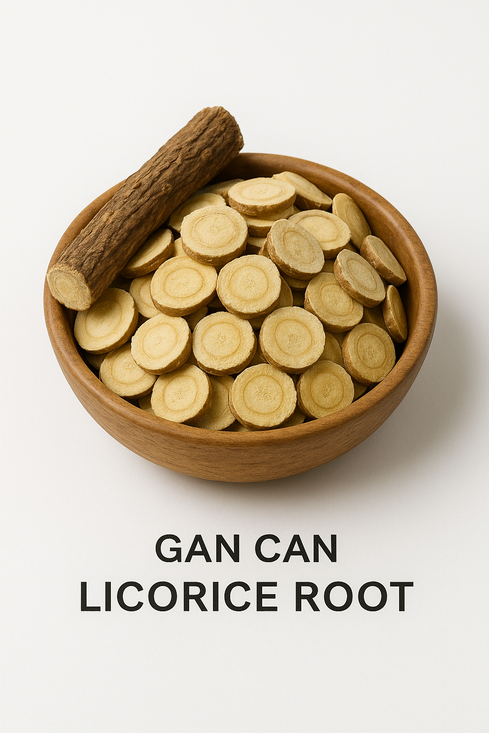
Licorice Root, also called Gan Cao or Radix Glycyrrhizae Uralensis, is one of the most widely used herbs in both Eastern and Western herbal traditions. Known for its naturally sweet flavor and harmonizing properties, licorice root is commonly used to support digestion, respiratory health, throat comfort, and overall herbal balance.
At 1st Chinese Herbs, we offer premium-quality cut licorice root sourced for freshness, potency, and purity. Our herbs are carefully selected and lab-tested to ensure quality you can trust.
Quick Product Summary
- Common Name: Licorice Root, Sweet Root, Liquorice Root
- Pin Yin: Gan Cao
- Botanical Name: Radix Glycyrrhizae Uralensis
- Form: Cut / Sliced
- Package Size: 500 grams (1.1 lb)
- Origin: China
- Brand: Plum Flower
- Taste: Sweet
- TCM Channels: All 12 channels, especially Heart, Lung, Spleen, and Stomach
What Is Licorice Root Used For?
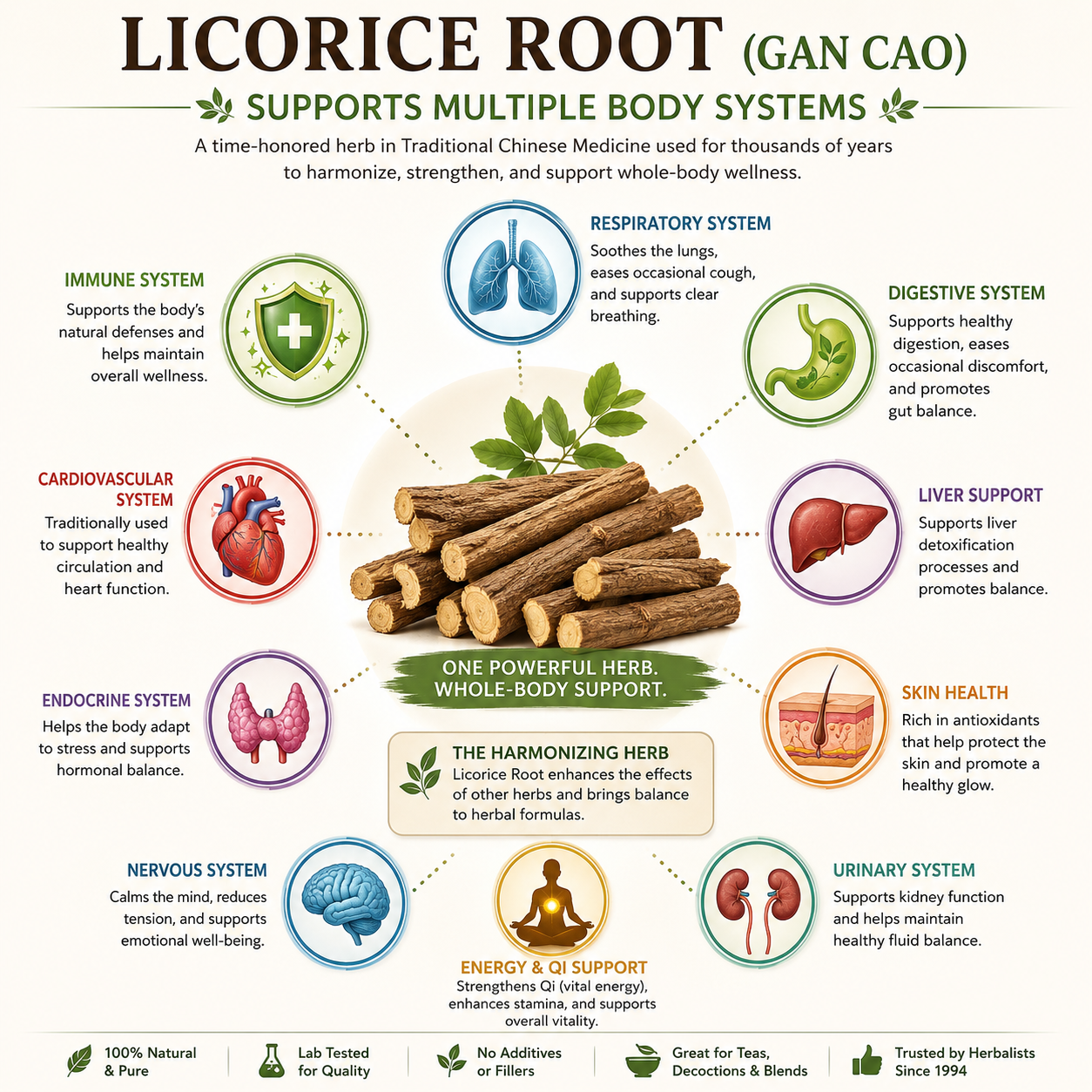
Licorice root has been used for thousands of years as a powerful harmonizing herb. In Traditional Chinese Medicine, Gan Cao is prized because it strengthens Qi, moistens the lungs, supports digestion, and harmonizes other herbs in formulas.
Unlike black licorice candy, true licorice root has a naturally sweet earthy flavor. Most modern licorice candy actually gets its flavor from anise or fennel—not real licorice root.
Why Customers Love Licorice Root
- Naturally sweet herbal tea
- Traditionally used for throat comfort
- Supports respiratory wellness
- Popular herb for digestive support
- Helps harmonize herbal formulas
- Excellent for tea and decoctions
Top Benefits of Licorice Root
Supports Throat Comfort
Licorice root is widely used to soothe throat irritation and dryness. Its natural soothing properties help coat and comfort the throat.
Supports Healthy Respiratory Function
Gan Cao is traditionally used to moisten the lungs, ease occasional coughs, and support healthy respiratory function.
Supports Digestive Wellness
Licorice root has long been used to support digestion, especially for occasional stomach discomfort, indigestion, and digestive imbalance.
Strengthens Qi
In TCM, Gan Cao is considered a Qi-supporting herb often included in formulas to strengthen and tonify the body.
Harmonizes Other Herbs
One of Gan Cao’s most famous uses is balancing stronger herbs in traditional formulas. It helps improve overall formula harmony and taste.
Licorice Root vs Other Popular Herbs: Which One Should You Choose?
Licorice Root (Gan Cao) is unique because it does something many herbs do not—it supports multiple body systems while also improving the effectiveness and taste of other herbs. That is why it appears in more Traditional Chinese Medicine formulas than almost any other herb.
| Herb | Best Known For | Why Choose Licorice Root Instead? |
|---|---|---|
| Licorice Root (Gan Cao) | Digestion, throat comfort, respiratory support, formula harmonizer | Best all-around choice for digestion, lungs, and balancing herbal formulas |
| Marshmallow Root | Soothing throat and digestive tract | Licorice offers soothing support plus stronger digestive and respiratory benefits |
| Slippery Elm | Coats throat and GI tract | Licorice provides similar soothing effects plus herbal harmonizing benefits |
| Ginger Root | Digestion, nausea, warming support | Choose Licorice when you want sweeter flavor and better throat or lung support |
| Peppermint | Bloating, digestion, cooling relief | Licorice is better for dry cough, throat support, and harmonizing formulas |
| Astragalus | Qi support and immune support | Licorice offers broader digestive and respiratory support while still supporting Qi |
| Mullein | Lung and respiratory wellness | Licorice adds soothing throat support and naturally sweet flavor |
| Reishi Mushroom | Stress, immune support, calm | Licorice is better for throat, digestion, and daily tea use |
Why Use Licorice Root Over These Herbs?
Choose Licorice Root if you want one herb that does multiple jobs.
- Supports digestion
- Soothes throat discomfort
- Supports healthy respiratory function
- Strengthens Qi in TCM
- Improves taste of herbal formulas
- Pairs well with dozens of herbs
Most herbs specialize in one area. Licorice Root is different.
For example:
- Marshmallow Root is great for soothing tissues but does not strengthen Qi.
- Ginger is excellent for warming digestion but does not harmonize formulas like Gan Cao.
- Astragalus is great for Qi support but does not soothe the throat like Licorice Root.
That is why Licorice Root remains one of the most widely used herbs in Traditional Chinese Medicine.
Best Herbs to Pair with Licorice Root
- Licorice + Ginger → warming digestive tea
- Licorice + Peppermint → soothing respiratory blend
- Licorice + Astragalus → Qi-support tea
- Licorice + Jujube → nourishing wellness tea
- Licorice + Chrysanthemum → balanced sweet floral tea
How to Use Licorice Root
- Tea: Brew as a naturally sweet herbal tea
- Decoction: Simmer with other herbs
- Tincture: Concentrated liquid extract
- Powder: Add to custom herbal blends
- Syrup: Commonly used for throat and cough support
How to Make Licorice Root Tea
Licorice tea is easy to prepare and naturally sweet.
Use 1–2 teaspo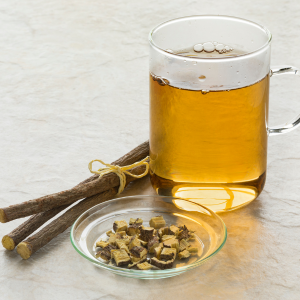 ons sliced licorice root
Add 2 cups water
Simmer 15–20 minutes
Strain and enjoy warm
Optional additions: ginger, cinnamon, jujube, peppermint, or chrysanthemum.
What Does Licorice Root Taste Like?
Licorice root tastes sweet, earthy, smooth, and slightly woody. It does not taste like most commercial licorice candy.
Taste profile: sweet, earthy, mellow, warming.
PubMed Research on Licorice Root
- Digestive Support – https://www.ncbi.nlm.nih.gov/pmc/articles/PMC3123991/
- Respiratory Support – https://pubmed.ncbi.nlm.nih.gov/12804082/
- Seasonal Wellness – https://pubmed.ncbi.nlm.nih.gov/24520776/

Why Buy From 1st Chinese Herbs?
- Trusted since 1994
- Lab-tested herbs
- Sulfur-free
- No dyes or fillers
- GMP-certified suppliers
- Certificate of Analysis available
- Airtight packaging for freshness
Get Real Herbs. Feel the Difference.
Cautions
Do not use if pregnant or nursing.
Licorice root may increase blood pressure and may not be suitable for individuals with hypertension, edema, kidney conditions, or certain medications. Consult your healthcare provider before use.
Frequently Asked Questions
What is Gan Cao?
Gan Cao is the Pin Yin name for licorice root, one of the most widely used herbs in Traditional Chinese Medicine.
What is licorice root used for?
Licorice root is traditionally used for digestion, throat comfort, respiratory support, and balancing herbal formulas.
Can I drink licorice root tea daily?
Short-term use is common, but long-term use should be discussed with a qualified practitioner due to blood pressure concerns.
Does licorice root raise blood pressure?
Yes, in some individuals or at high doses, licorice root may increase blood pressure.
Does licorice root taste like candy?
No. True licorice root tastes naturally sweet and earthy, not like most commercial licorice candy.
Important Disclaimer: These statements have not been evaluated by the FDA. This product is not intended to diagnose, treat, cure, or prevent any disease.
References:
(1) https://www.ncbi.nlm.nih.gov/pmc/articles/PMC3123991/
(2) https://www.ncbi.nlm.nih.gov/pubmed/12804082
(3) https://www.ncbi.nlm.nih.gov/pubmed/24520776
http://www.yourhealth.com.au/information-on-natural-medicine-herbs-detail.php?name=Licorice
https://herbpathy.com/Uses-and-Benefits-of-Gan-Cao-Cid5080