There are no products listed under this category.
The Ultimate Guide to Medicinal Mushrooms
How to choose mushroom products, understand the different forms, and use them in everyday herbal routines.
Functional mushrooms have long histories in traditional herbal systems and are now sold as powders, extracts, teas, capsules, coffee blends and dried pieces. But Reishi, Lion's Mane, Cordyceps, Turkey Tail, Chaga, Maitake and Shiitake are not interchangeable — and neither are the products made from them.
Quick Answer Reishi, Lion's Mane, Cordyceps, Turkey Tail, Chaga, Maitake and Shiitake are among the best-known functional mushrooms. When choosing one, look at the species, the fungal material used, whether it is a whole powder or extract, the serving directions and the manufacturer's quality testing.
Mushrooms in Traditional Herbalism
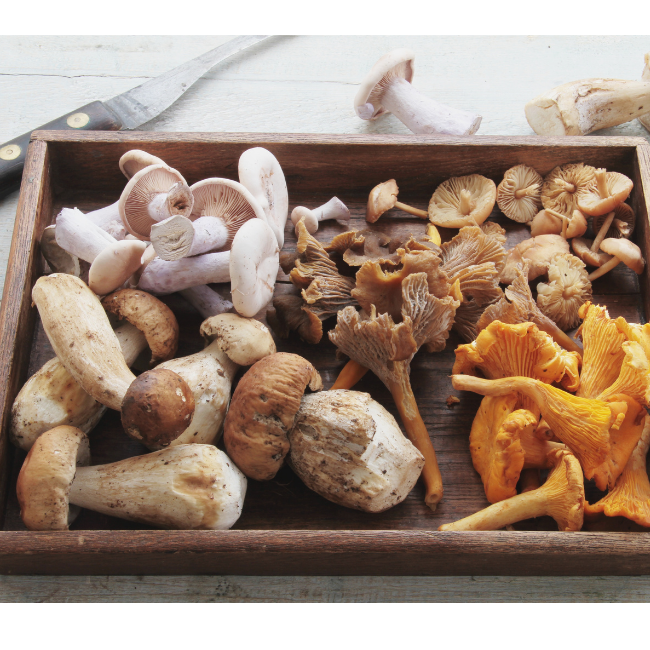
Several mushrooms have long histories in Chinese and East Asian herbal traditions. Traditional descriptions may refer to concepts such as Qi, Shen, the Spleen, Lung or Kidney. These terms belong to traditional herbal theory and should not be interpreted as modern medical diagnoses or treatment claims.
Other mushrooms, including Chaga, are better known from northern European, Siberian and folk herbal traditions rather than classical Traditional Chinese Medicine.
Meet the Major Functional Mushrooms
Each mushroom has a different species, traditional history, natural chemistry and product form. Understanding those differences is more useful than simply asking which mushroom is “best.”
Reishi — Ling Zhi
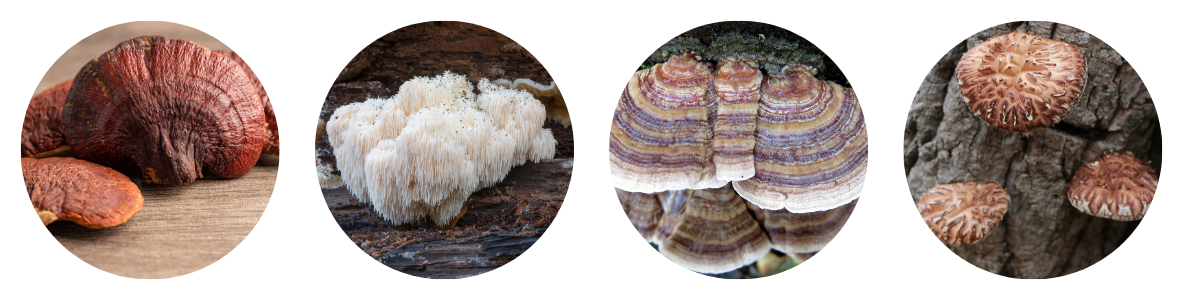
Reishi is one of the best-known mushrooms in Chinese herbalism. Traditional texts describe Ling Zhi in relation to nourishing Qi and calming the Shen, a traditional concept sometimes translated as Spirit.
Modern Reishi products are available as powders, slices, concentrated extracts and capsules.
Lion's Mane — Hou Tou Gu
Lion's Mane is both a culinary mushroom and a mushroom used in East Asian traditions. Traditional descriptions commonly associate it with digestive nourishment and Spleen and Stomach support.
It is now widely sold as whole powder, extract powder, capsules and mushroom-coffee ingredients.
Cordyceps
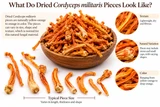
Cordyceps has a long history in Chinese herbalism, where traditional descriptions associate it with Qi, vitality and Lung and Kidney tonification.
Modern shoppers should pay close attention to the species listed on the package. Cordyceps militaris and Ophiocordyceps sinensis are different fungi.
Turkey Tail — Yun Zhi
Turkey Tail has a history of use in East Asian herbal traditions. Modern research has also examined specialized Turkey Tail preparations and naturally occurring polysaccharides.
Research on isolated or standardized preparations should not automatically be applied to every commercial Turkey Tail product.
Chaga
Chaga is not a classical Chinese herbal mushroom. It has a long history in northern folk traditions and is commonly prepared as a tea or sold as powder and extract.
Maitake
Maitake is both a food mushroom and a mushroom used in traditional wellness practices. Its overlapping fan-shaped clusters are distinctive, and it is commonly used in cooking as well as powders and extracts.
Shiitake
Shiitake is one of the world's most familiar edible mushrooms. In addition to its culinary role, it also has a history of traditional use in East Asia.
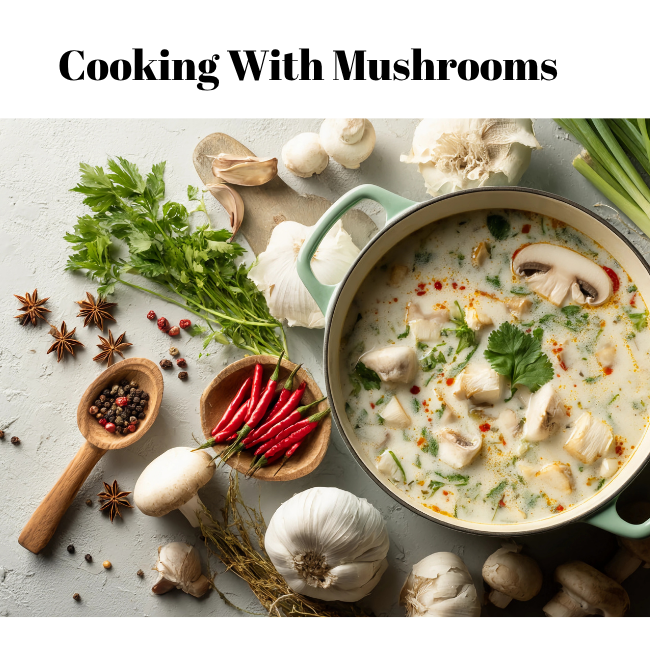
Dried Shiitake works especially well in soups, broths and cooked dishes.
Takeaway: There is no single “best” mushroom. Species, preparation, fungal material, serving size and intended use all matter when comparing products.
Whole Mushroom Powder vs Extract Powder
One of the most important things to understand when shopping for mushrooms is the difference between a ground mushroom product and an extract.
| Product Form | What It Is | Common Uses | What to Check |
|---|---|---|---|
| Whole Mushroom Powder | Dried fungal material ground into powder. | Smoothies, food, soups, capsules. | Species and fungal material used. |
| Extract Powder | Mushroom material that has undergone an extraction process and then been dried. | Hot drinks, powders, capsules and convenient daily preparation. | Extract ratio, extraction method and serving size. |
| Dried Pieces or Slices | Whole or cut dried mushroom material. | Traditional decoctions, teas, broths and cooking. | Species, origin and preparation instructions. |
| Capsules or Tablets | Powder or extract placed into a measured serving format. | Convenience and travel. | Amount per serving and other ingredients. |
| Liquid Extract | Mushroom constituents extracted into a liquid preparation. | Measured liquid servings. | Extraction medium, concentration and serving size. |
What Does 5:1 or 10:1 Mean?
Some mushroom extracts list ratios such as 5:1, 10:1 or 20:1. These describe the relationship between starting material and finished extract according to the manufacturer's process.
A larger ratio does not automatically mean a better product. The species, starting material, extraction method, finished composition and laboratory testing also matter.
Compare the Major Mushrooms
| Mushroom | Traditional / Common Context | Common Product Forms |
|---|---|---|
| Reishi | Ling Zhi; traditionally associated with Qi and Shen. | Slices, powder, extracts, capsules. |
| Lion's Mane | Culinary and traditional East Asian use; commonly associated with digestive nourishment. | Powder, extracts, capsules, coffee blends. |
| Cordyceps | Traditionally associated with Lung and Kidney tonification. | Dried pieces, powder, extracts, capsules. |
| Turkey Tail | East Asian herbal tradition and modern research interest. | Powder, extracts, teas, capsules. |
| Chaga | Northern European and Siberian folk traditions. | Chunks, powder, tea, extracts. |
| Maitake | Culinary mushroom with traditional wellness use. | Food, dried mushroom, powder, extracts. |
| Shiitake | Food mushroom with a long East Asian history. | Fresh, dried, powder and extracts. |
How to Use Mushroom Products
The best preparation method depends on the mushroom and the form you purchased. Always follow the directions on the specific product label.
Extract Powder
Extract powders are convenient for mixing into warm water, tea, coffee or other beverages. Use the serving amount printed on the package rather than assuming every extract has the same concentration.
Whole Mushroom Powder
Whole powders may be added to smoothies, soups, broths and other foods. Flavor and texture vary considerably among mushroom species.
Dried Mushrooms and Pieces
Some dried mushrooms are prepared as teas, decoctions, broths or foods. Preparation varies by species, so follow the instructions provided for the particular product.
Capsules, Tablets and Teapills
Prepared serving formats can be useful for people who prefer not to measure powders. Follow the individual product label for serving directions.
How Much Mushroom Should I Use?
There is no universal mushroom serving size. The amount depends on the species, whether the product is whole material or an extract, the concentration and the manufacturer's directions.
Best rule: Use the serving instructions for the exact product you purchased. Do not use the same teaspoon measurement for every mushroom powder or extract.
Mushroom Buyer's Guide
Instead of choosing a mushroom based only on marketing claims, check the label carefully.
| Check | Why It Matters |
|---|---|
| Scientific Name | Common mushroom names can refer to different species. |
| Fungal Material | Look for clear identification of fruiting body, mycelium or other material. |
| Product Form | Whole powder, extract powder and dried mushroom are not the same product. |
| Extract Information | If an extract ratio is listed, understand what the manufacturer means by it. |
| Serving Size | Concentration varies substantially from product to product. |
| Other Ingredients | Check for fillers, carriers, flavorings and other added ingredients. |
| Quality Testing | Ask whether the supplier provides appropriate identity and contaminant testing or COA documentation. |
What to Look for Before Buying
- A clearly identified mushroom species
- A clearly identified product form
- Transparent ingredient information
- Appropriate serving directions
- Lot or batch identification when available
- Laboratory testing from a reputable supplier
- COA information when available
- Clear storage instructions
Avoid assuming that phrases such as “premium,” “maximum strength” or “super mushroom” tell you anything meaningful about product quality. The label and specifications are more useful.
Mushroom Safety
Mushroom foods and supplements are not appropriate for everyone. Speak with a qualified healthcare professional before using concentrated mushroom products if you are pregnant or nursing, take prescription medications, have a medical condition, are preparing for surgery, or have known mushroom allergies.
People taking medications that affect blood clotting, blood sugar, immune function or other medical conditions should discuss mushroom supplements with their healthcare professional before use.
Stop using a product and seek medical guidance if you experience an unexpected reaction.
Frequently Asked Questions About Functional Mushrooms
Are mushroom extracts the same as mushroom powders?
No. A whole mushroom powder is generally dried fungal material that has been ground. An extract has undergone an additional extraction process.
Is fruiting body better than mycelium?
Not automatically. They are different fungal materials. What matters is that the product clearly identifies what it contains and provides useful information about quality and testing.
Can different mushrooms be used together?
Multi-mushroom products are widely sold, but combining mushrooms does not automatically make a product better. Review the species, quantities and directions for the specific blend.
Do mushroom extracts need hot water?
Some extract powders mix easily into warm water, but preparation instructions depend on the product. Follow the manufacturer's directions.
How should mushroom powders be stored?
Keep them tightly closed in a cool, dry place unless the product label provides different storage instructions.
Is a 10:1 mushroom extract better than a 5:1 extract?
Not necessarily. Extract ratio is only one piece of information. Mushroom species, starting material, extraction process, finished composition and testing also matter.
Are functional mushrooms psychedelic?
Common functional mushrooms such as Reishi, Lion's Mane, Cordyceps, Maitake, Shiitake and Turkey Tail are not the same as mushrooms containing psilocybin.
Explore Mushroom Products
FDA Disclaimer: These statements have not been evaluated by the Food and Drug Administration. These products are not intended to diagnose, treat, cure, or prevent any disease.