Chi Shao - Red Peony Root Herb

Chi Shao (Red Peony Root) – Traditional Chinese Herb

Chi Shao (赤芍), commonly known as Red Peony Root, is a traditional Chinese herb used for centuries within Traditional Chinese Medicine (TCM). It is commonly associated with species of Paeonia, particularly Paeonia lactiflora and Paeonia veitchii, depending on botanical source and herbal material.

In traditional TCM terminology, Chi Shao is classified among herbs that “clear Heat and cool the Blood.” It is also traditionally described as helping to “dispel Blood stasis.” These are concepts from the traditional Chinese medical system and should not be interpreted as claims that Red Peony Root lowers body temperature, treats inflammation, improves circulation, dissolves blood clots, or treats a medical condition.


What Is Chi Shao?

Chi Shao is the Pin Yin name for Red Peony Root. The dried root has a long history in Chinese herbal practice and is used both individually and as an ingredient in traditional multi-herb formulas.

The name Chi Shao helps distinguish this herbal material from Bai Shao, or White Peony Root. Although both are associated with peony plants and may sometimes come from closely related botanical sources, they are prepared and classified differently within traditional Chinese herbalism.


Chi Shao at a Glance

Pin Yin Name Chi Shao
Chinese Name 赤芍
Common Name Red Peony Root
Botanical Sources Paeonia lactiflora, Paeonia veitchii, and recognized botanical sources depending on the product
Plant Family Paeoniaceae
Part Used Root
Traditional Taste Bitter
Traditional Nature Slightly cold
Traditional Meridians Liver
Traditional TCM Category Herbs That Clear Heat and Cool the Blood
Common Forms Cut root, sliced root, powder, concentrated extract, granules, and traditional formulas

Chi Shao in Traditional Chinese Medicine

Within Traditional Chinese Medicine, Chi Shao is traditionally described using terms such as:

  • Clears Heat
  • Cools the Blood
  • Dispels Blood stasis
  • Invigorates the Blood

These phrases have specific meanings within TCM theory. They describe traditional patterns and relationships rather than modern biomedical diagnoses.

Terms such as Heat, Blood Heat, Blood stasis, and Liver should therefore be understood within their traditional TCM context.


What Does “Clear Heat and Cool the Blood” Mean?

“Clearing Heat” and “cooling the Blood” are traditional Chinese Medicine concepts. In TCM, Heat describes a pattern that may be identified through a combination of traditional signs, symptoms, tongue appearance, pulse qualities, and other observations.

Likewise, TCM Blood is a broader functional concept than blood as defined by modern anatomy and laboratory medicine.

Saying that Chi Shao traditionally “clears Heat” or “cools the Blood” does not mean that it has been established to:

  • Lower a fever
  • Treat infection
  • Reduce systemic inflammation
  • Treat inflammatory disease
  • Correct a blood disorder

Those are modern medical claims and should not be inferred from the traditional terminology.


What Does “Blood Stasis” Mean in TCM?

Chi Shao is also traditionally described as “dispelling Blood stasis” or “invigorating the Blood.”

In Traditional Chinese Medicine, Blood stasis is a traditional pattern diagnosis. It is not the same thing as a blood clot, thrombosis, blocked artery, poor circulation, or cardiovascular disease.

Likewise, the traditional phrase “invigorates the Blood” should not automatically be translated into claims that Chi Shao improves circulation, thins the blood, prevents blood clots, or protects the cardiovascular system.


Chi Shao and the TCM Liver

Chi Shao is traditionally associated with the Liver meridian.

The Liver in TCM is a functional system with meanings that extend beyond the anatomical liver. A traditional association with the Liver meridian does not mean that Chi Shao detoxifies the liver, improves liver enzymes, treats liver disease, or repairs liver damage.


Chi Shao vs. Bai Shao: What Is the Difference?

Chi Shao and Bai Shao are both peony-root herbs used in Chinese herbalism, but they are considered distinct herbal medicines within TCM.

Herb Common Name Traditional TCM Emphasis
Chi Shao Red Peony Root Traditionally categorized with herbs that clear Heat and cool the Blood and described as dispelling Blood stasis
Bai Shao White Peony Root Traditionally categorized as a Blood-tonifying herb and used differently within TCM formulas

The distinction is based on traditional herbal identification, processing, preparation, and use. The names “red” and “white” should not be interpreted simply as descriptions of the visible color of the root.


Why Botanical Identification Matters

Common names can sometimes be confusing when purchasing herbs. Checking the Pin Yin name, botanical identity, plant part, and product form can help distinguish one herbal material from another.

For Chi Shao, look for:

  • Pin Yin: Chi Shao
  • Chinese: 赤芍
  • Common name: Red Peony Root
  • Plant part: Root
  • Botanical species: Check the individual product label

What Does Chi Shao Look Like?

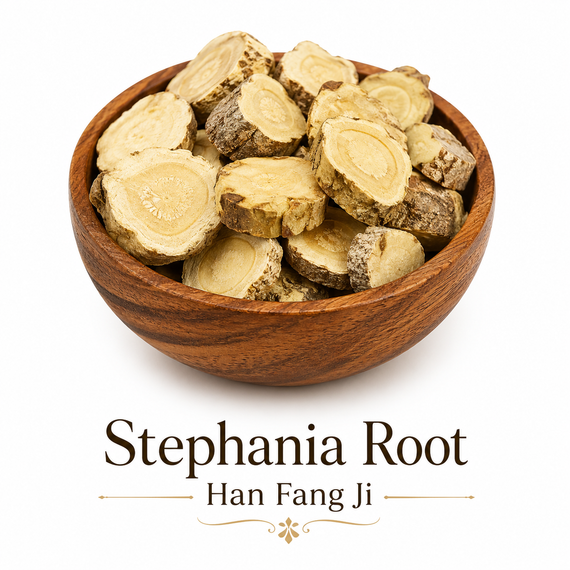
Dried Chi Shao is generally sold as pieces or slices of root. Its appearance may range from pale tan and beige to reddish-brown or darker brown depending on the botanical source, growing conditions, age of the plant, processing, and storage.

Natural herbs vary from harvest to harvest, so differences in size, shape, and color do not necessarily indicate a difference in quality.


How Is Chi Shao Traditionally Prepared?

Chi Shao has traditionally been prepared as part of Chinese herbal decoctions and multi-herb formulas.

Today, Red Peony Root may be available in several forms:

  • Cut or sliced root
  • Ground root powder
  • Concentrated extract powder
  • Granules
  • Capsules
  • Traditional Chinese herbal formulas

These forms are not necessarily interchangeable by weight. Concentrated extracts, for example, differ from ordinary ground herb.

Always follow the directions supplied with the specific product you purchase.


Chi Shao Root vs. Powder vs. Extract

Form What It Is General Preparation
Cut/Sliced Root Dried pieces of Red Peony Root Traditionally used in decoctions
Root Powder Dried root ground into powder Follow product-specific directions
Extract Powder Extracted and concentrated herbal material Follow the concentration and serving information
Granules Prepared herbal extract in granular form Follow manufacturer directions
Traditional Formula Chi Shao combined with other herbs Follow directions for the complete formula

Naturally Occurring Compounds in Red Peony Root

Researchers have identified numerous naturally occurring compounds in peony roots.

One of the best-known constituents associated with Paeonia species is paeoniflorin. Other compounds studied in peony-root materials include:

  • Monoterpene glycosides
  • Paeoniflorin
  • Albiflorin
  • Phenolic compounds
  • Tannins
  • Other naturally occurring phytochemicals

The chemical profile can vary according to species, plant part, growing conditions, processing, storage, and extraction method.


What Is Modern Science Studying About Chi Shao?

Modern research has examined Paeonia species, Red Peony Root preparations, extracts, and individual constituents such as paeoniflorin.

Areas of scientific investigation include:

  • Botanical identification and phytochemistry
  • Paeoniflorin and related compounds
  • Cellular signaling pathways
  • Inflammatory signaling in experimental models
  • Oxidative processes in laboratory research
  • Platelet and coagulation mechanisms in experimental research
  • Pharmacokinetics and metabolism
  • Herb-drug interaction research
  • Safety and toxicology

These are areas of scientific investigation, not established benefits of a Red Peony Root product.

Results involving isolated compounds, concentrated extracts, laboratory cells, or animals should not automatically be applied to ordinary Chi Shao root, powder, tea, or commercial supplements.


PubMed Research & Further Reading

The following PubMed searches can be used to explore published research:

Research Note: Research involving Red Peony Root, Paeonia species, specialized extracts, isolated constituents, laboratory models, or animals does not establish that a specific Chi Shao product sold by 1st Chinese Herbs will produce the same effects. Research links are provided for educational purposes and are not product claims.


How to Choose Chi Shao

When purchasing Chi Shao, compare the identifying information supplied for the specific product.

  • Pin Yin name: Chi Shao
  • Common name: Red Peony Root
  • Botanical species: Check the individual product
  • Plant part: Root
  • Form: Cut root, powder, extract, granules, or formula
  • Concentration: Determine whether it is ordinary herb or concentrated extract
  • Origin: Review origin information when supplied
  • Directions: Follow the instructions for the specific form

Chi Shao Safety & Precautions

Chi Shao should be used thoughtfully, particularly when medications or medical conditions are involved.

Consult a qualified healthcare professional before using Chi Shao if you:

  • Are pregnant or nursing
  • Take prescription medications
  • Take anticoagulant or antiplatelet medications
  • Have a bleeding or clotting disorder
  • Are preparing for surgery or a medical procedure
  • Have a chronic medical condition
  • Are unsure whether Chi Shao is appropriate for you

Do not use Chi Shao as a replacement for prescribed medication or medical treatment.


Frequently Asked Questions About Chi Shao

What is Chi Shao?

Chi Shao is the Pin Yin name for Red Peony Root, a traditional Chinese herb prepared from the root of recognized Paeonia species.

Is Chi Shao the same as Red Peony Root?

Yes. Red Peony Root is the common English name generally used for the traditional Chinese herb Chi Shao.

Is Chi Shao the same as Bai Shao?

No. Chi Shao and Bai Shao are considered distinct herbal medicines in Traditional Chinese Medicine. Chi Shao is known as Red Peony Root, while Bai Shao is commonly called White Peony Root. Their traditional classifications and uses differ.

What part of the peony plant is used for Chi Shao?

The root is the part traditionally used as Chi Shao.

What does “clears Heat and cools the Blood” mean?

“Clears Heat and cools the Blood” is traditional TCM terminology describing traditional patterns. It does not mean that Chi Shao has been established to lower fever, treat infection, reduce inflammation, or treat a blood disorder.

What does “dispels Blood stasis” mean?

Blood stasis is a traditional TCM pattern. It is not equivalent to a blood clot, thrombosis, blocked artery, or another modern cardiovascular diagnosis.

Does Chi Shao improve circulation?

Traditional TCM texts describe Chi Shao as “invigorating the Blood,” but this phrase should not be interpreted as proof that Red Peony Root improves circulation or treats circulatory disease.

Is Chi Shao anti-inflammatory?

Researchers have investigated Red Peony Root, peony extracts, and constituents such as paeoniflorin in experimental models involving inflammatory signaling. These studies do not establish that ordinary Chi Shao products treat inflammation or inflammatory diseases in people.

What is paeoniflorin?

Paeoniflorin is one of the naturally occurring compounds found in peony roots and is frequently studied in modern phytochemical research.

Is Chi Shao powder the same as Chi Shao extract?

No. Ordinary powder is generally dried root that has been ground, while an extract is produced through an extraction process and may be concentrated. Follow the directions for the specific product.

Can I take Chi Shao with medications?

If you take prescription medications, particularly anticoagulant or antiplatelet medications, consult your physician or pharmacist before using Chi Shao.


Explore Chi Shao at 1st Chinese Herbs

Chi Shao, or Red Peony Root, has a long history within traditional Chinese herbalism and continues to be studied for its botanical chemistry and naturally occurring constituents.

When selecting Chi Shao, check the botanical species, plant part, preparation form, concentration, origin, and directions provided for the individual product.


Traditional Chinese Medicine Note

Terms such as “Heat,” “Blood Heat,” “cool the Blood,” “Blood stasis,” “invigorate the Blood,” and “Liver meridian” are concepts used within Traditional Chinese Medicine. They do not correspond directly to modern medical diagnoses, diseases, circulatory conditions, blood disorders, or anatomical organ function.

Traditional-use information is provided for educational and historical purposes and should not be interpreted as evidence that Chi Shao prevents, treats, cures, or mitigates disease.


FDA Disclaimer: These statements have not been evaluated by the Food and Drug Administration. This information is for educational purposes only and is not intended to diagnose, treat, cure, or prevent any disease.

Recommended For You View all