

Chen Pi (Aged Tangerine Peel) Benefits, Uses, Tea & Traditional TCM Guide
Ever feel heavy, sluggish, bloated, or just “off” after eating?
That is exactly why herbalists have turned to Chen Pi for generations.
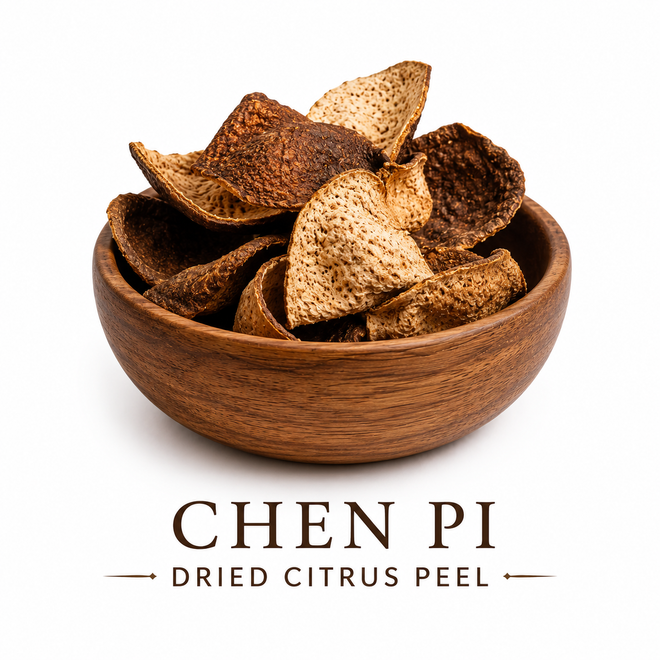
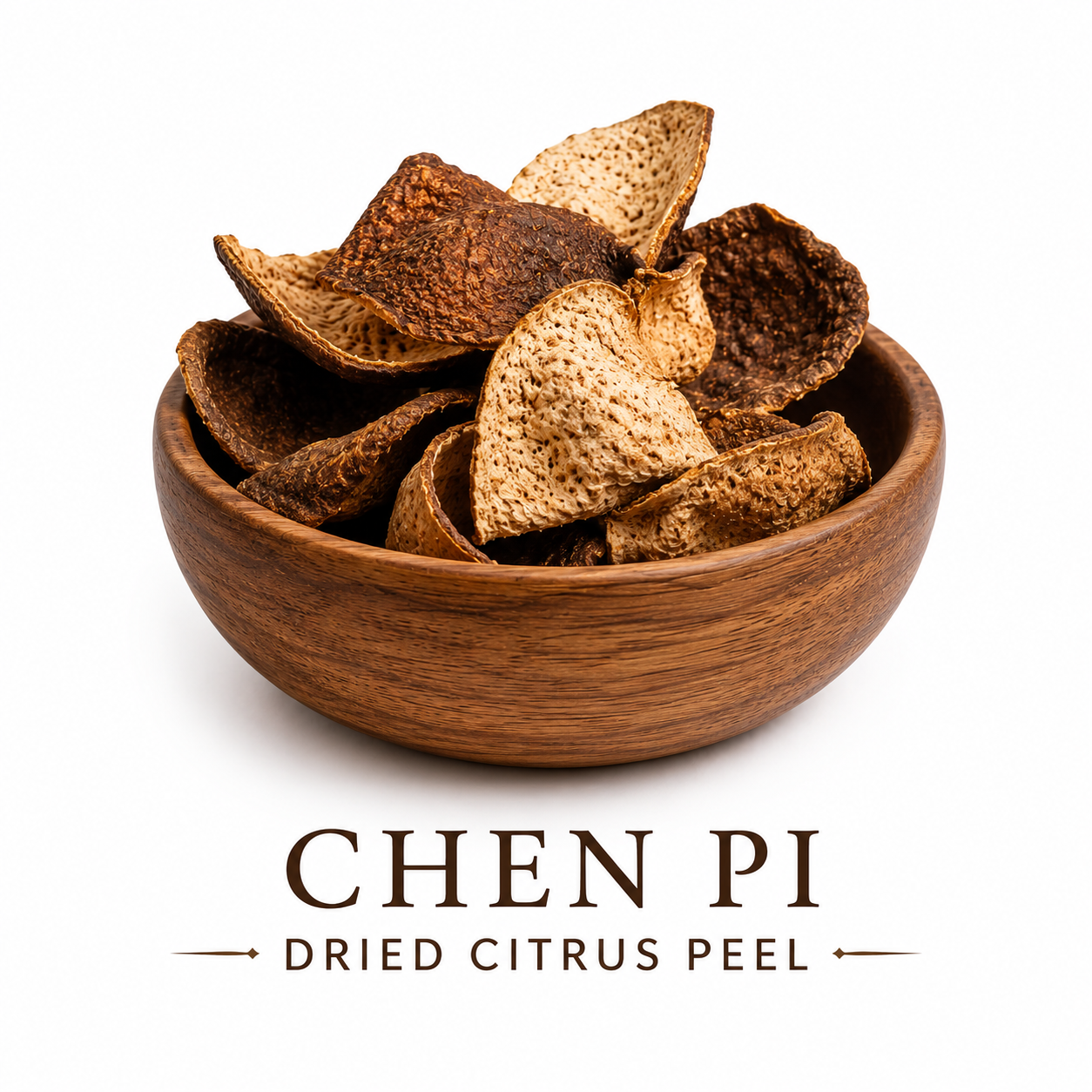
Chen Pi, also known as Aged Tangerine Peel or Dried Citrus Peel, is one of the most respected digestive herbs in Traditional Chinese Medicine. Used for centuries to support healthy digestion, Qi movement, and aromatic balance, Chen Pi remains a staple in herbal formulas, teas, soups, and wellness routines.
What makes Chen Pi unique is simple: age improves it.
Unlike fresh citrus peel, properly aged Chen Pi develops a richer aroma, smoother warming nature, and deeper herbal value over time.
At 1st Chinese Herbs, we carefully source premium Chen Pi selected for aroma, freshness, and quality so you get the fragrant citrus peel herbalists trust.
Quick Product Summary
- Common Name: Aged Tangerine Peel, Dried Citrus Peel
- Pin Yin: Chen Pi (陈皮)
- Botanical Name: Citrus reticulata Peel
- Brand: ActiveHerb
- Form: Cut Peel
- Size: 1 lb
- Origin: China
- Taste: Citrusy, aromatic, slightly bitter, warm
- TCM Channels: Lung, Spleen, Stomach
Why Customers Love Chen Pi
- Bright warming citrus aroma
- Traditionally used after heavy meals
- Popular digestive support herb
- Excellent in teas and soups
- Great herb for formula blending
- Pantry staple for herbal wellness
What Makes Chen Pi So Special?
Not all citrus peel is Chen Pi.
Fresh citrus peel smells sharp, bright, and somewhat aggressive. Chen Pi is different because time transforms it.
As citrus peel ages, its aroma deepens, bitterness softens, and the overall profile becomes smoother, warmer, and more balanced.
Some premium Chen Pi is aged for years. In fact, older Chen Pi is often more highly prized in Chinese herbal traditions.
Think of it like aged tea, wine, or cheese—time improves complexity.
What Chen Pi Smells and Tastes Like
Open a bag of quality Chen Pi and you immediately notice the aroma.
It smells like warm orange peel, bright citrus oils, dried mandarin zest, and subtle sweetness.
When brewed, Chen Pi tastes warming, citrusy, aromatic, slightly bitter, and pleasantly bright.
Taste profile: orange peel, citrus zest, aromatic oils, mild bitterness, warming finish.
Traditional TCM Functions of Chen Pi
- Regulates Qi
- Strengthens Spleen
- Dries Dampness
- Transforms Phlegm
- Harmonizes the Middle Burner
In Traditional Chinese Medicine, Chen Pi is especially valued when digestion feels sluggish or dampness creates heaviness.
Top Benefits of Chen Pi
Supports Healthy Digestion
Chen Pi is most famous for supporting digestive comfort, especially after rich or heavy meals.
Supports Healthy Qi Movement
Traditionally used to help reduce stagnation and promote movement.
Helps Reduce Dampness
Often used when heaviness and sluggishness are present.
Supports Respiratory Wellness
Traditionally used to help transform phlegm and support healthy lung function.
Improves Herbal Formula Balance
Chen Pi is widely used in formulas to improve aroma, function, and overall harmony.
Who Uses Chen Pi?
- TCM practitioners
- Herbalists
- Tea drinkers
- Soup makers
- Home cooks
- Digestive wellness seekers
How to Use Chen Pi
- Tea
- Decoctions
- Soups
- Broths
- Cooking
- Herbal formulas
How to Make Chen Pi Tea
- Use 3–5 pieces Chen Pi
- Add 2 cups hot water
- Steep 10–15 minutes
- Strain and enjoy warm
Optional additions: ginger, jujube, licorice root, cinnamon, goji berries.
Cooking with Chen Pi
Chen Pi is not just for tea.
It is widely used in cooking and traditional recipes.
- Bone broth
- Chicken soup
- Congee
- Rice porridge
- Slow-cooked soups
- Digestive tea blends
Chen Pi vs Fresh Citrus Peel vs Orange Peel
| Feature | Chen Pi | Fresh Peel | Orange Peel |
|---|---|---|---|
| Aged | Yes | No | Usually No |
| Aroma | Deep | Sharp | Mild |
| TCM Use | Extensive | Limited | Moderate |
Chen Pi vs Hawthorn, Mint, Ginger & Licorice Root: Which Herb Should You Choose?
Chen Pi is one of the most versatile digestive herbs in Traditional Chinese Medicine, but it is not the only herb used to support digestion and healthy Qi movement. Depending on your goals, another herb may be a better fit—or you may benefit from combining herbs together.
This comparison chart helps you understand when to choose Chen Pi versus other popular digestive and balancing herbs.
| Herb | Best Known For | Best For | Why Choose It? |
|---|---|---|---|
| Chen Pi | Qi movement, digestion, dampness | Sluggish digestion, heaviness, bloating | Best all-around aromatic digestive herb |
| Hawthorn Berry | Food stagnation, digestion, circulation | Heavy meals, greasy foods, overeating | Excellent after rich meals and meat-heavy foods |
| Mint | Cooling relief, digestion, freshness | Heat, bloating, refreshing tea | Best cooling digestive herb with fresh flavor |
| Ginger Root | Warming digestion, nausea support | Cold digestion, nausea, sluggish stomach | Excellent warming herb for stomach comfort |
| Licorice Root | Harmonizing formulas, soothing digestion | Balancing herbal formulas, throat, digestion | Best herb for harmonizing and sweetening blends |
When to Choose Chen Pi
Choose Chen Pi when digestion feels sluggish, heavy, or stagnant. It is especially useful when you feel overly full after meals, bloated, or weighed down by rich foods.
- Bloating after eating
- Heavy feeling in stomach
- Sluggish digestion
- Dampness or phlegm patterns in TCM
- Need better Qi movement
Best choice: All-around digestive support.
When to Choose Hawthorn
Hawthorn Berry is especially popular after greasy, heavy, or meat-rich meals. It is traditionally used when food stagnation is present.
Best choice: Overeating or heavy food digestion.
When to Choose Mint
Mint is ideal when you want something cooling, fresh, and uplifting. It works well when digestion feels stuck with heat or tension.
Best choice: Cooling digestive support.
When to Choose Ginger
Ginger Root is the classic warming digestive herb. It is ideal when digestion feels cold, slow, or uncomfortable.
Best choice: Cold digestion and nausea support.
When to Choose Licorice Root
Licorice Root is excellent when you want a soothing, sweet herb that helps balance other herbs while supporting digestion and throat comfort.
Best choice: Harmonizing formulas and soothing support.
Best Herb Pairings with Chen Pi
| Pairing | Why It Works |
|---|---|
| Chen Pi + Hawthorn | Excellent after rich or heavy meals |
| Chen Pi + Mint | Balanced warming and cooling digestive support |
| Chen Pi + Ginger | Strong warming digestive combination |
| Chen Pi + Licorice Root | Smooth balanced herbal formula support |
Pro Tip: Chen Pi pairs exceptionally well with all four of these herbs, making it one of the most versatile digestive herbs in your herbal pantry.
Why Buy From 1st Chinese Herbs?
- Trusted since 1994
- Premium quality herbs
- Lab-tested
- GMP suppliers
- Bulk herb specialists
- COA available upon request
Get Real Herbs. Feel the Difference.
Frequently Asked Questions
What is Chen Pi?
Chen Pi is aged tangerine peel traditionally used in Chinese herbal medicine.
What is Chen Pi used for?
It is traditionally used for digestion, Qi movement, and dampness.
Is Chen Pi the same as orange peel?
No. Chen Pi is specifically aged citrus peel valued in TCM.
Can I drink Chen Pi daily?
Many people use Chen Pi regularly as part of wellness routines.
Does Chen Pi contain caffeine?
No. Chen Pi is naturally caffeine-free.
Is Chen Pi warming or cooling?
Chen Pi is considered warming in TCM.
How old should Chen Pi be?
Aged Chen Pi is generally preferred over fresh peel.
PubMed Research
Important Safety Information
If pregnant, nursing, taking medications, or managing a medical condition, consult your healthcare provider before use.
People with citrus allergies should avoid Chen Pi.
Disclaimer: These statements have not been evaluated by the FDA. This product is not intended to diagnose, treat, cure, or prevent any disease.