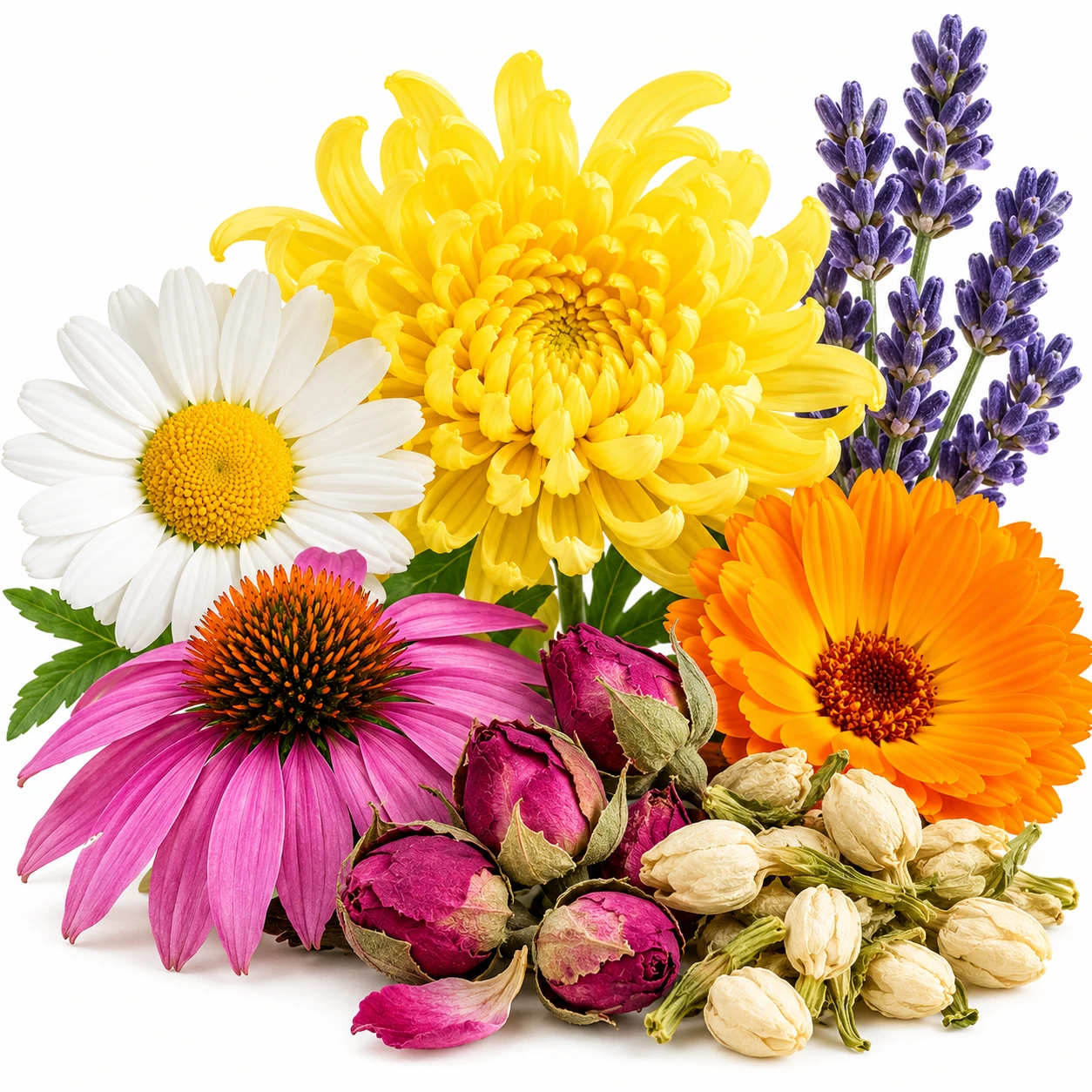
Flowers
STEEP5–10 min
Hot water, covered
Example: Chrysanthemum (Ju Hua)

Your herbal journey continues here!
Simple tips for brewing, preparing, and storing your herbs.
Get helpful herbal knowledge, brewing tips, and occasional special offers.
1st Chinese Herbs • Family-Owned Since 1994
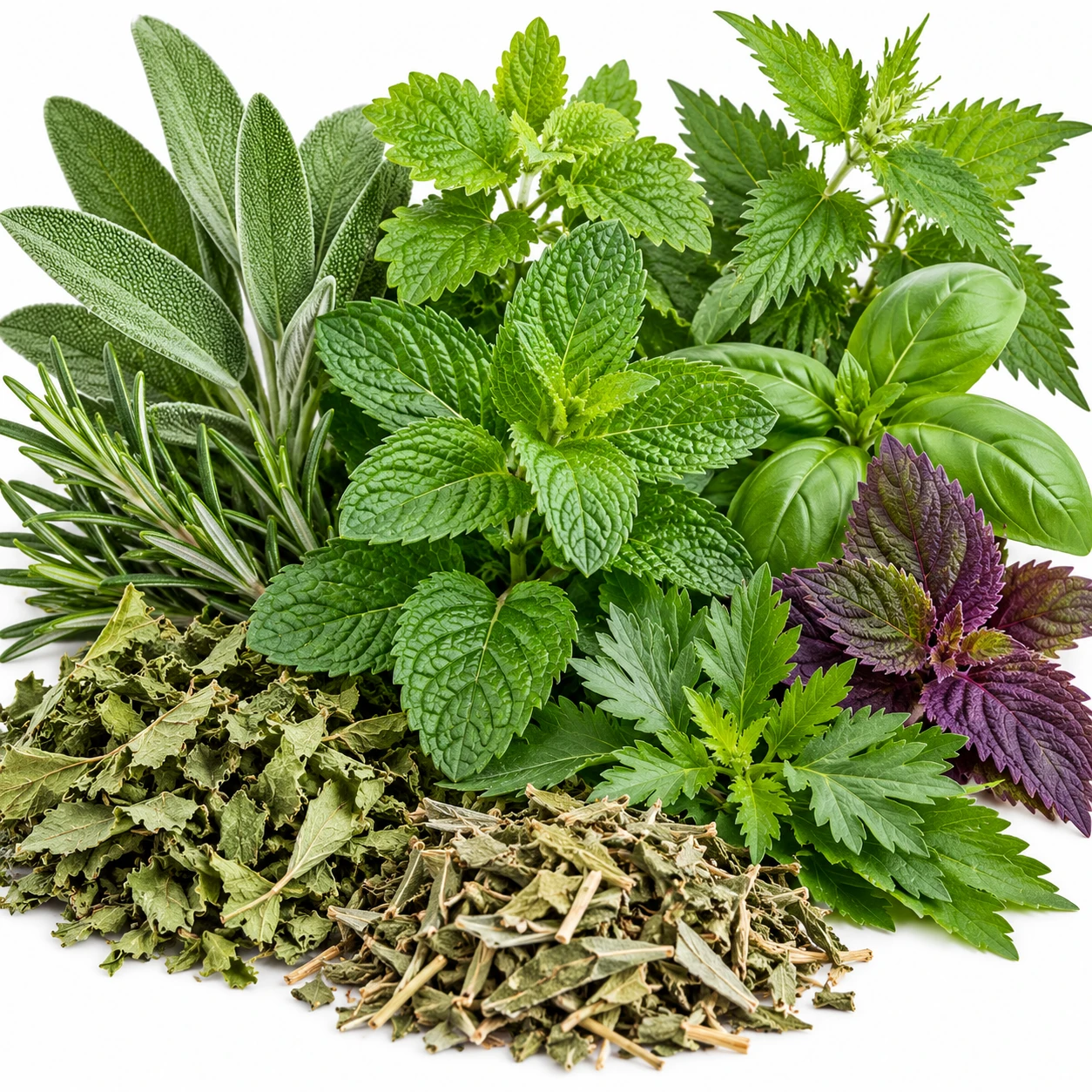
Hot water, covered
Example: Chrysanthemum (Ju Hua)
Hot water, covered
Example: Peppermint (Bo He)
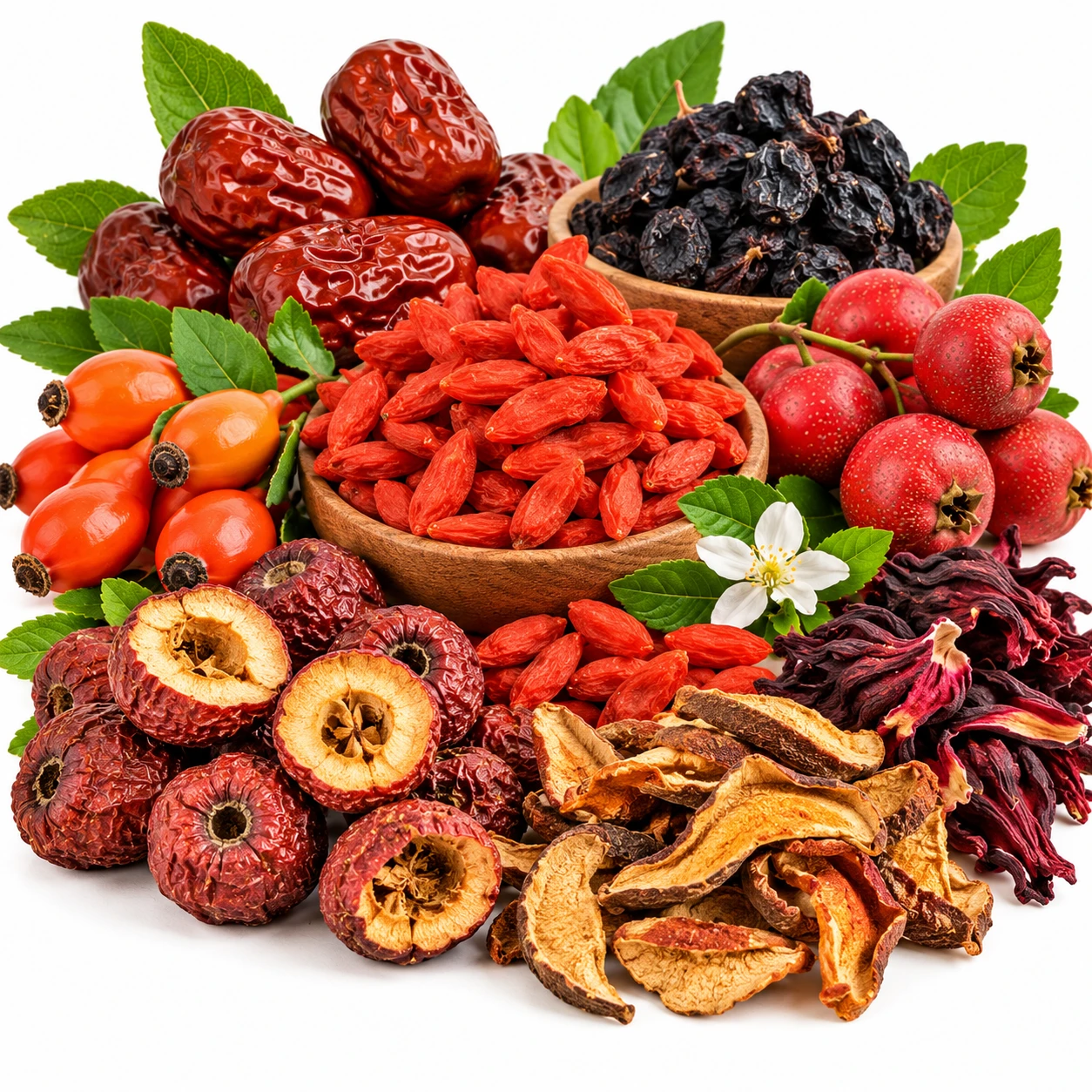
Hot water
Example: Goji Berries (Gou Qi Zi)
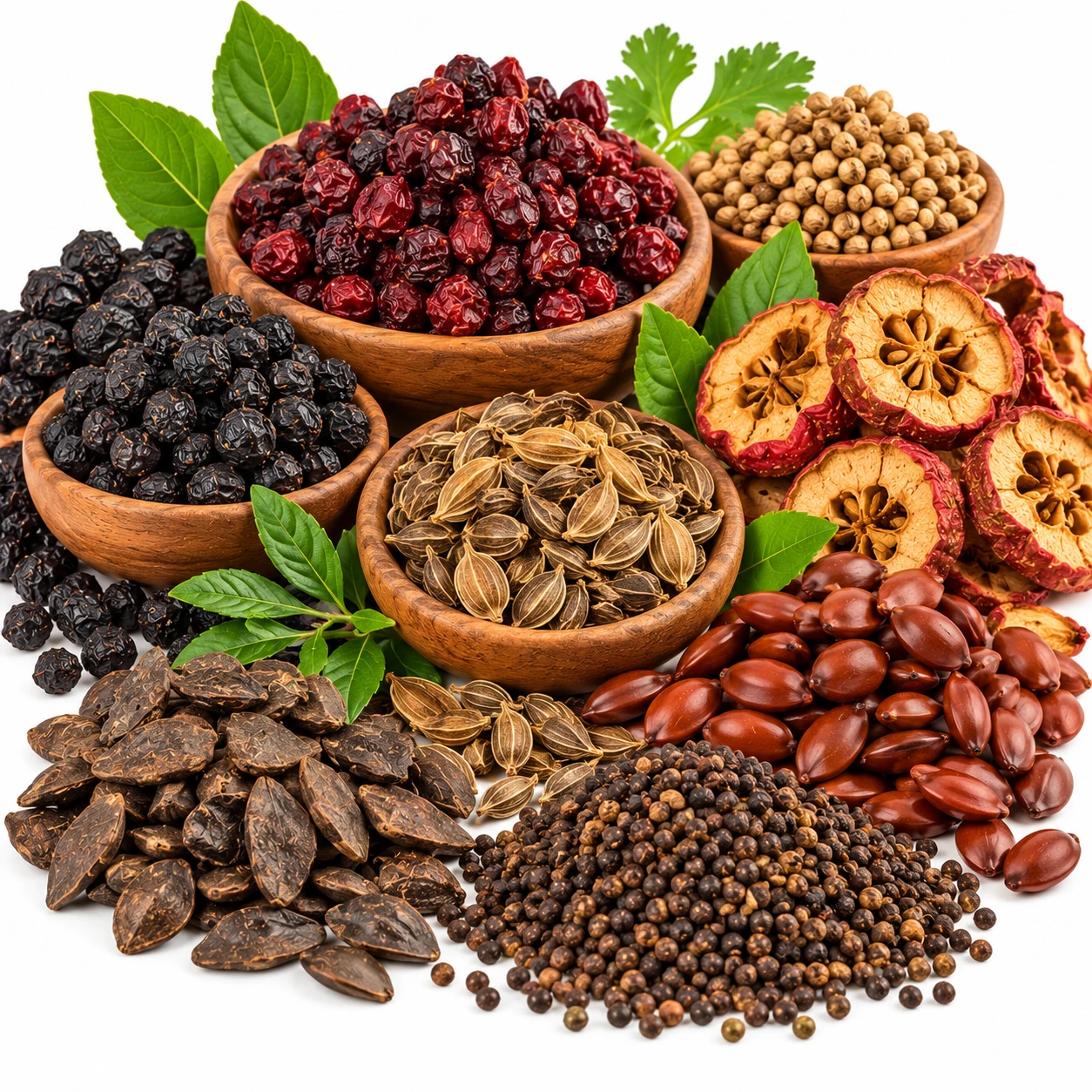
Gentle simmer
Example: Schisandra (Wu Wei Zi)
Gentle simmer
Example: Astragalus (Huang Qi)
Gentle simmer
Example: Eucommia Bark (Du Zhong)
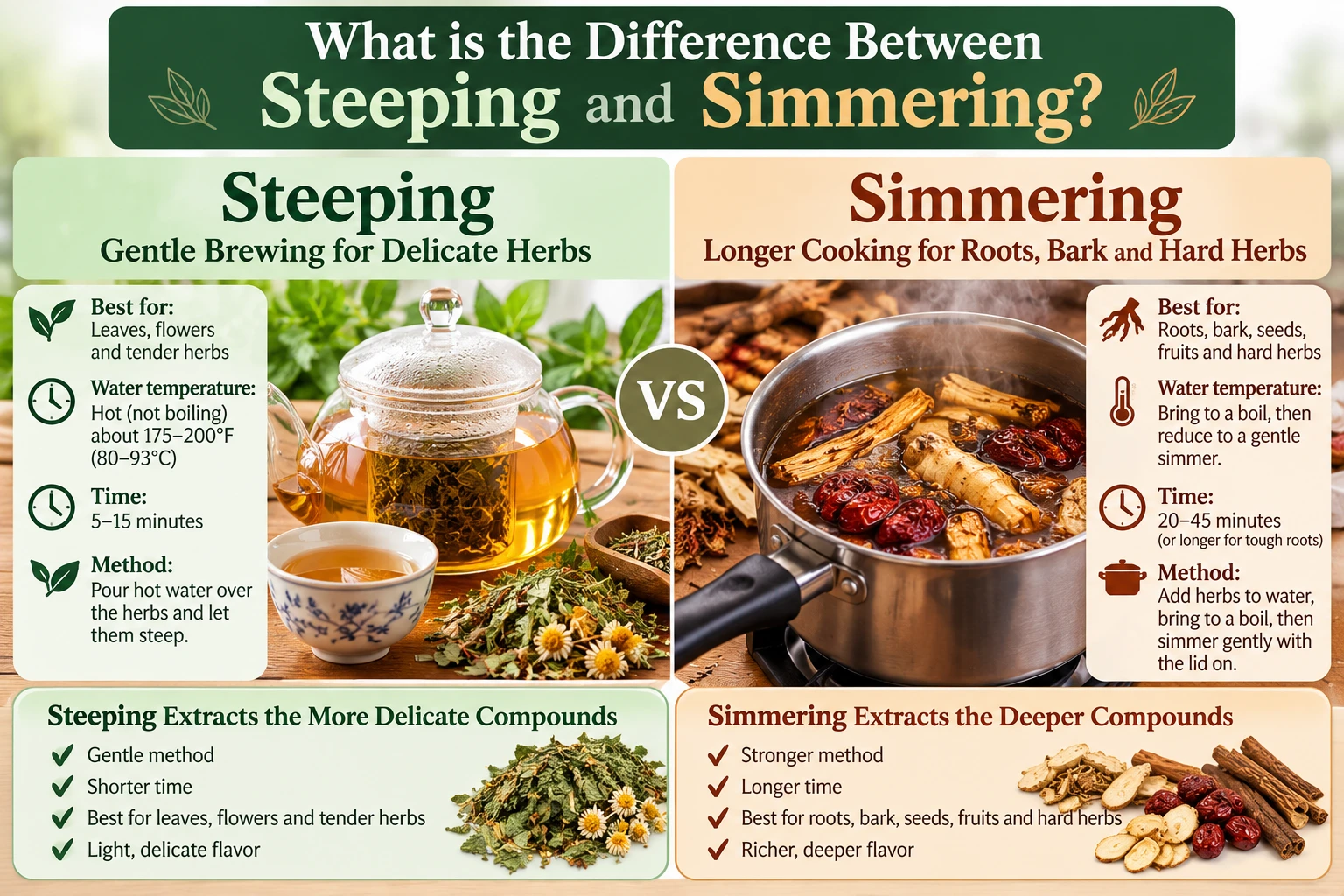
Commonly used for delicate leaves, flowers, and certain soft fruits.
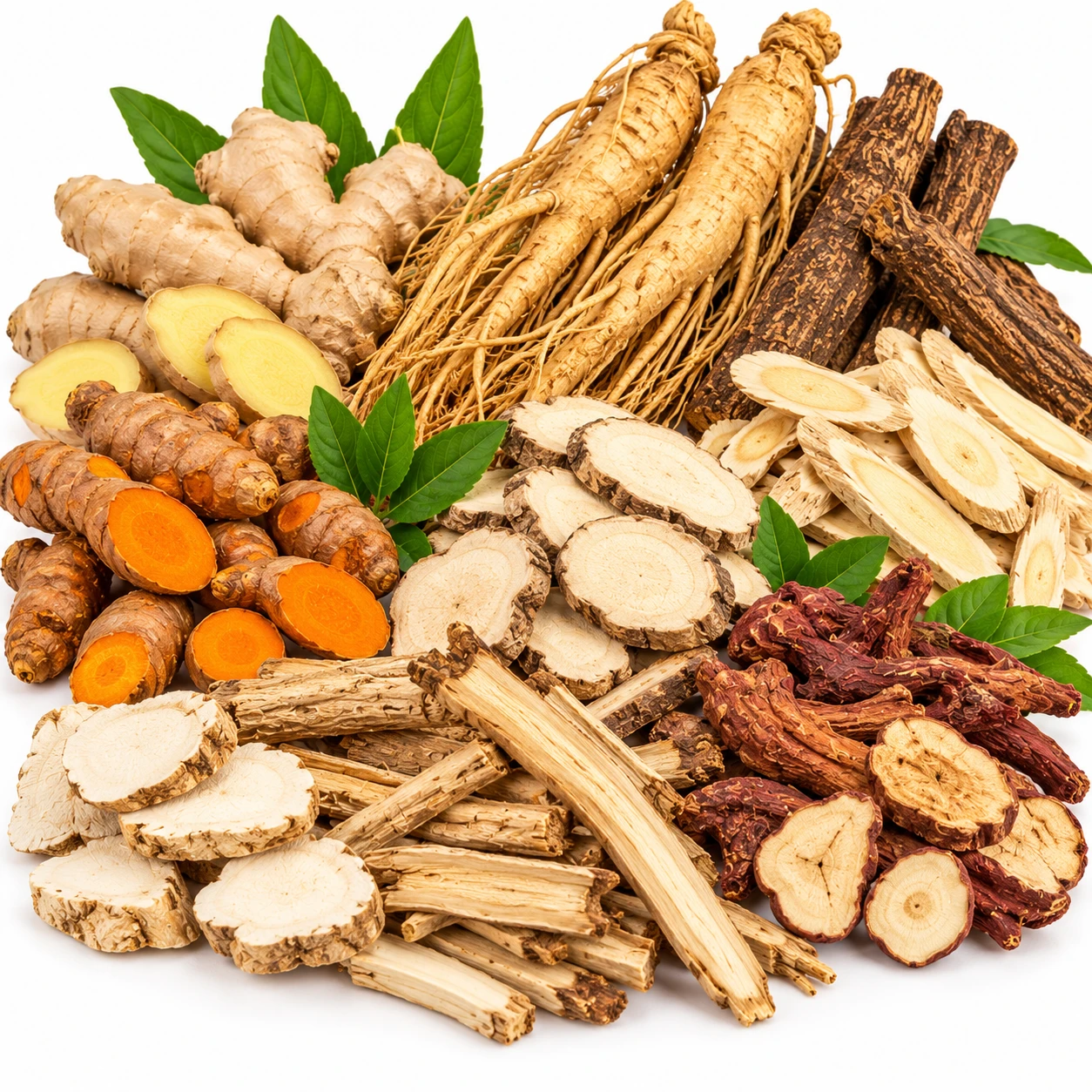
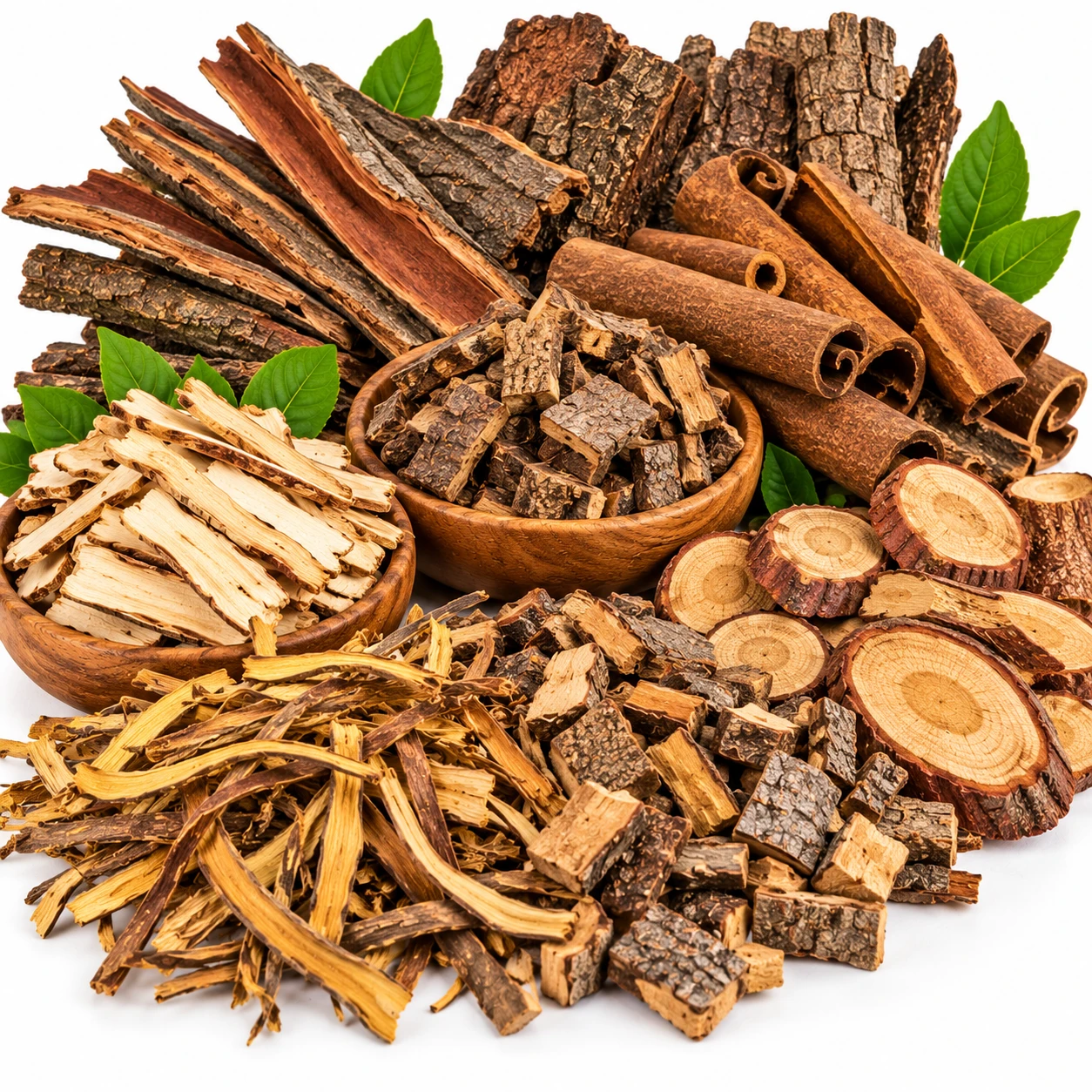
Commonly used for dense roots, bark, and certain hard fruits or seeds.
Herbal preparation is not determined by plant part alone. The same herb may require a different method depending on whether it is whole, sliced, crushed, powdered, or included in a traditional formula.
Some aromatic herbs are added near the end of a decoction. Certain dense materials may require longer simmering. Other herbs need special processing before use.
Some roots can be prepared as infusions, especially when finely cut or powdered, but many traditionally require simmering. Follow herb-specific preparation instructions.
Many traditional formulas combine herbs, but some ingredients require different cooking times or special preparation. Combining herbs should follow an appropriate formula and professional guidance.
Not necessarily. Longer extraction can change flavor and the substances extracted. More time does not automatically mean a better or safer preparation.
Many concentrated extract powders are prepared differently from raw bulk herbs. Follow the product's specific instructions rather than applying raw-herb simmering times.
Educational Disclaimer: This guide is for general herbal education and does not provide personalized medical advice, treatment recommendations, or individualized dosing. Herbs may interact with medications or be unsuitable for certain people. Consult a qualified healthcare professional before using unfamiliar herbs, especially if you are pregnant, nursing, taking medications, or managing a medical condition.

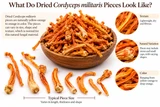
Plum Flower
Chong Cao Hua – Cordyceps militaris Dried Pieces – 227 g Chong Cao Hua is the name commonly used for preparations of Cordyceps militaris, a distinctive fungus known for its naturally orange...


Plum Flower
Organic Eleuthero Root Powder (Ci Wu Jia) – Plum Flower – 500 g Species Authenticated • Lab Tested • Unsulfured • Trusted Since 1994
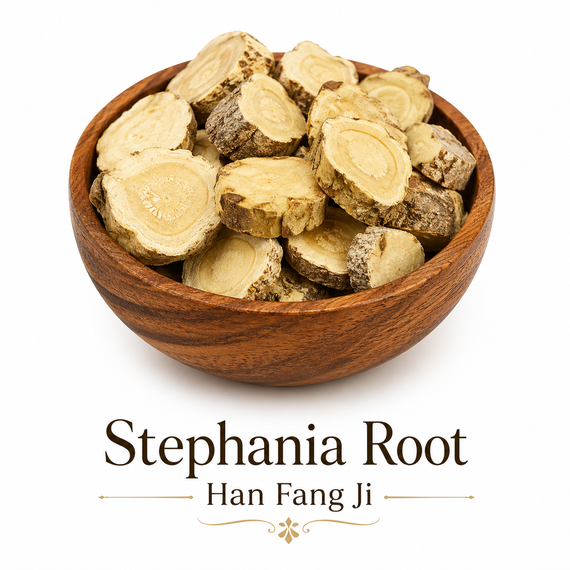
Plum Flower
Stephania Root (Han Fang Ji): Benefits, Uses, Tea & Traditional Chinese Herbal Guide Premium Stephania Root slices in convenient cut form from Plum Flower — carefully sourced and traditionally used...