
Top 15 Sought-After Chinese Herbs for 2026: A Comprehensive Guide
Traditional uses, beginner picks, how to use them, and how to choose quality-tested herbs you can trust.
Quick Takeaway
Traditional Chinese Medicine (TCM) emphasizes restoring balance (Yin/Yang) and supporting the Three Treasures: Qi, Jing, and Shen. Below are 15 Chinese herbs people are actively seeking for 2026 and beyond—chosen for their long traditional history, modern wellness relevance, and practical day-to-day use. You’ll also get simple ways to use each herb, what to avoid, and how to shop smart with quality testing and transparency.
Pro Note: Herbs support normal body functions and traditional wellness goals. They are not intended to diagnose, treat, cure, or prevent disease. If you’re pregnant, nursing, have a medical condition, or take medications (especially blood thinners), consult a qualified clinician before using herbs.
Table of Contents
-
Why these herbs are “top” for 2026
-
Beginner “Start Here” picks
-
The Top 15 herbs
-
The Top 15 herbs
-
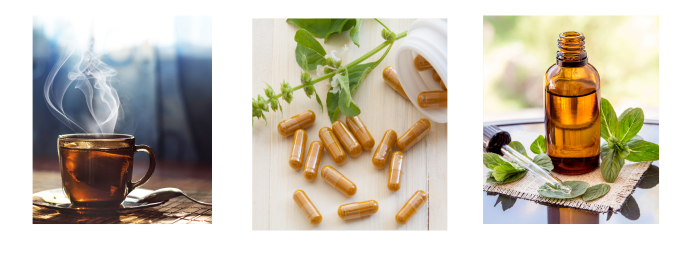
How to use herbs: tea, decoction, powder, teapills
-
Safety + sourcing: what “quality-tested” should mean
-
FAQ
-
References (PubMed/NIH/clinical resources)
-
FAQ
1) Why these herbs are “top” for 2026
This list focuses on herbs with:
-
High consumer demand year after year (the “always asked for” herbs)
-
Strong fit with modern routines: energy, stress resilience, sleep, digestion, healthy aging
-
Broad recognition in TCM tradition
-
Practical availability in common forms (bulk herb, powder, extract, teapills)
It’s not about hype—it’s about what people can realistically use consistently.
2) New here? Start with these
If you’re just starting, these are the most approachable and versatile:
-
Gou Qi Zi (Goji berries) – easy daily use
-
Huang Qi (Astragalus) – classic “daily Qi” routine herb
-
Ling Zhi (Reishi) – popular for wind-down and resilience routines
-
Dang Shen (Codonopsis) – gentler Qi tonic style option
-
Bai He (Lily bulb) – soothing, gentle, beginner-friendly
3) The Top 15 Chinese Herbs for 2026
| Herb (Pinyin) | Common name | Traditional “best known for” | Treasure focus | Beginner-friendly |
|---|---|---|---|---|
| Ren Shen | Asian Ginseng | Deep Qi support; vitality routines | Qi/Shen | Medium NCCIH |
| Ling Zhi | Reishi | Calms Shen; resilience routines | Shen/Qi | Yes Memorial Sloan Kettering Cancer Center |
| Huang Qi | Astragalus | Qi tonification; daily support routines | Qi | Yes NCBI |
| Dong Chong Xia Cao | Cordyceps | Endurance/recovery traditions | Qi/Jing | Yes |
| He Shou Wu | Fo-Ti | Jing + healthy aging traditions (use carefully) | Jing | No NCBI |
| Gou Qi Zi | Goji | Liver/Kidney nourishment traditions | Jing | Yes PMC |
| Wu Wei Zi | Schisandra | Balancing; “adaptation” traditions | Qi/Shen | Medium PubMed |
| Dang Shen | Codonopsis | Gentle Qi tonic traditions | Qi | Yes |
| Bai Zhu | Atractylodes | Spleen Qi + dampness traditions | Qi | Medium |
| Dang Gui | Dong quai | Blood nourishment traditions | Blood | Medium Memorial Sloan Kettering Cancer Center |
| San Qi | Notoginseng | Blood movement traditions (bleeding caution) | Blood | No PMC |
| Chuan Xiong | Ligusticum | Moves Qi/Blood traditions | Qi/Blood | No |
| Tian Ma | Gastrodia | Calms internal wind traditions | Shen | No |
| Zhi Mu | Anemarrhena | Nourishes Yin; clears heat traditions | Yin | Medium |
| Bai He | Lily bulb | Nourishes Yin; soothes spirit traditions | Shen/Yin | Yes |
4) The Essential 15
1) Ren Shen (Panax ginseng) — Deep Qi support
Traditional role: Tonifies Qi, supports vitality routines, “stabilizes Shen.”
How people use it: decoctions, powders, extracts, capsules.
Cautions: Can cause insomnia; may interact with blood thinners and affect blood sugar—check with your clinician if you take medications or manage diabetes. NCCIH+1
Best for: experienced herb users or those guided by a practitioner.
Pairs well with: Huang Qi, Wu Wei Zi (common traditional pairing logic).
2) Ling Zhi (Reishi) — Calm + resilience routines
Traditional role: Calms Shen; supports “centered” routines.
How people use it: tea slices, powders, extracts.
Cautions: Side effects are possible; use reputable products and start low. Memorial Sloan Kettering Cancer Center+1
Beginner tip: Reishi is bitter—blend with compatible herbs or take as an extract powder if taste is a barrier.
3) Huang Qi (Astragalus) — The “daily Qi” classic
Traditional role: Qi tonification; protective/seasonal routines.
Why it’s popular: easy to use, widely compatible in simple decoctions.
Safety note: Astragalus has not been linked to clinically apparent liver injury in the NIH LiverTox review, but interactions may exist—especially for people on immune-modulating therapies. NCBI+1
4) Dong Chong Xia Cao (Cordyceps) — Endurance/recovery tradition
Traditional role: Supports Lung/Kidney traditions; stamina routines.
How people use it: powders/extracts are most practical for modern households.
Pro tip: Many customers prefer extracts for convenience and consistency.
5) He Shou Wu (Fo-Ti / Polygonum multiflorum) — Jing + aging traditions (use carefully)
Traditional role: Jing support; long-term vitality traditions.
Important safety note: Fo-Ti (Polygonum multiflorum) has been implicated in numerous reports of clinically apparent liver injury; quality control and appropriate use matter. This is not a “casual daily tonic” for everyone. NCBI+1
Best practice: Only use from reputable, quality-tested sources and consider practitioner guidance.
6) Gou Qi Zi (Goji berries) — The easiest daily herb
Traditional role: Nourishes Liver/Kidney traditions; supports the eyes.
How people use it: tea, soups, oatmeal, trail mix.
Caution: Case reports suggest potential interaction with warfarin (blood thinner). If you take anticoagulants, check with your clinician. PMC+1
7) Wu Wei Zi (Schisandra) — The “five-flavor” balancing berry
Traditional role: Astringes; supports calm focus and resilience traditions.
Why it’s trending: Adaptation-style wellness routines are popular, and Schisandra is a classic in that lane.
Evidence base: Reviews describe broad pharmacological interest, with limited long-term safety data for concentrated extracts—use moderate doses and reputable sourcing. PubMed+1
8) Dang Shen (Codonopsis) — Gentle Qi support
Traditional role: A softer Qi tonic style herb often chosen when people want something milder than ginseng.
How to use: decoction or as part of beginner blends.
9) Bai Zhu (Atractylodes macrocephala) — Spleen Qi + dampness tradition
Traditional role: Strengthens Spleen Qi, supports digestion-style routines, transforms dampness (TCM language).
Best use: often shines in blends rather than alone.
10) Dang Gui (Dong quai / Angelica sinensis) — Blood nourishment tradition
Traditional role: Nourishes and moves Blood (TCM tradition).
Cautions: Dong quai may increase bleeding risk and has pregnancy cautions; it can interact with blood thinners like warfarin. Memorial Sloan Kettering Cancer Center
11) San Qi (Notoginseng) — Blood movement tradition (not beginner)
Traditional role: Moves Blood and supports trauma/injury traditions.
Caution: Notoginseng has antiplatelet/anticoagulant activity in pharmacological literature—avoid combining with blood thinners unless supervised. PMC+1
12) Chuan Xiong (Ligusticum) — Movement tradition
Traditional role: Moves Qi/Blood; often used in formula logic.
Best use: guided blends or classic formulas.
13) Tian Ma (Gastrodia) — Internal wind tradition
Traditional role: Calms Liver wind (TCM framework).
Best use: practitioner-guided or formula-based.
14) Zhi Mu (Anemarrhena) — Yin nourishment + heat clearing tradition
Traditional role: Nourishes Yin; clears heat (TCM framework).
Good fit: “hot/dry” patterns—selection matters.
15) Bai He (Lily bulb) — Gentle Yin + soothing spirit tradition
Traditional role: Nourishes Yin and supports calm spirit routines.
Why it’s popular: gentle, approachable, and easy in teas/food-style use.
5) How to use Chinese herbs at home (simple and practical)
Option A: Decoction (strongest “kitchen method”)
-
Simmer herbs 20–45 minutes (depending on the herb and form).
-
Great for roots and dense materials (Huang Qi, Dang Shen).
Option B: Tea/Infusion (simple daily use)
-
Steep softer herbs/berries 10–20 minutes.
-
Great for Goji, Schisandra, Lily bulb.
Option C: Powders and extract powders (fastest)
-
Mix into warm water, broth, or smoothies.
-
Best for modern routines and busy customers.
Option D: Teapills/formulas (most convenient)
-
Consistency + convenience = high repeat purchase category.
6) Safety + sourcing: what “quality-tested” should mean
If you want herbs that customers can trust (and reorder), your quality story should include:
-
Identity confirmation (correct herb/species)
-
Contaminant screening (microbials; heavy metals; other applicable panels)
-
COA availability (Certificate of Analysis)
-
Clear guidance for medication interactions—especially blood thinners NCCIH+2Memorial Sloan Kettering Cancer Center+2
7) How To Use Herbs
8) Frequently Asked Questions
What are the easiest Chinese herbs to start with?
Goji, Astragalus, Reishi, Dang Shen, and Lily bulb are common “starter” choices because they’re approachable and versatile.
Can herbs interact with medications?
Yes—some herbs may interact with medications (especially blood thinners). Always check with your clinician if you take prescriptions. NCCIH+2Memorial Sloan Kettering Cancer Center+2
What’s the difference between Qi, Jing, and Shen?
-
Qi: functional vitality and daily energy
-
Jing: foundational reserves and long-term vitality traditions
-
Shen: mind/spirit balance traditions
Why does quality testing matter so much?
Because herb identity and purity are essential. Quality testing and transparent sourcing reduce the risk of contamination or mislabeled products—especially important with higher-risk herbs (like Fo-Ti). NCBI+1
9) References (high-quality sources)
-
NCCIH: Asian Ginseng—Usefulness and Safety NCCIH
-
NCCIH: Herb–Drug Interactions (science overview) NCCIH
-
NIH LiverTox: Astragalus NCBI
-
MSKCC: Reishi Mushroom Memorial Sloan Kettering Cancer Center
-
NIH LiverTox: Polygonum multiflorum (Fo-Ti / He Shou Wu) NCBI
-
PubMed/PMC: Schisandra reviews PubMed+1
-
Case report: Goji + warfarin interaction PubMed+1
-
MSKCC: Dong Quai cautions/interactions Memorial Sloan Kettering Cancer Center
-
Notoginseng pharmacology/toxicology (antiplatelet/bleeding relevance) PMC