
Chinese Herbs for Sleep: Unlock the Secrets to Restful Nights
Introduction: Discover the Power of Chinese Herbs for Better Sleep
Do you find yourself tossing and turning at night? Struggling to drift off into a peaceful slumber? You’re not alone. With the modern world’s demands, sleep has become a luxury for many. Fortunately, Chinese herbs for sleep offer natural, time-tested remedies to help restore your rest. At 1st Chinese Herbs, we specialize in high-quality, lab-tested traditional Chinese medicinal (TCM) herbs tailored to support your sleep. This guide explores the best Chinese herbs for sleep, effective usage methods, delicious recipes, and recent studies that highlight their benefits.
 Why Choose Chinese Herbs for Sleep?
Understanding Sleep Imbalances in TCM
In Traditional Chinese Medicine, sleep disturbances signify an imbalance within your body's Qi (energy). Common causes include:
Stress and Anxiety: Overly active minds can impede calmness and restorative sleep.
Nutritional Deficiencies: Lack of vital nutrients can disrupt the body's natural sleep patterns.
Physical Discomfort: Pain or discomfort may hinder your ability to fall and stay asleep.
The Natural Solution
Utilizing specific Chinese herbs can directly address these underlying issues, helping you achieve deeper and more restful sleep without the side effects associated with pharmaceuticals.
Top Chinese Herbs for Sleep
Herbal Teas: A Simple Approach
One of the best ways to consume these herbs is in the form of herbal teas. These delicious concoctions not only offer flavor but also effective sleep benefits.
Recipe: Relaxing Sleep Tea
- Ingredients:
- 6g Suan Zao Ren
- 6g Bai Zi Ren
- 4g He Huan Pi
- Honey (to taste)
- Instructions:
1. Combine all herbs and steep them in boiling water for 10-15 minutes.
2. Strain and add honey if desired.
3. Drink 30 minutes before bedtime for the best effects.
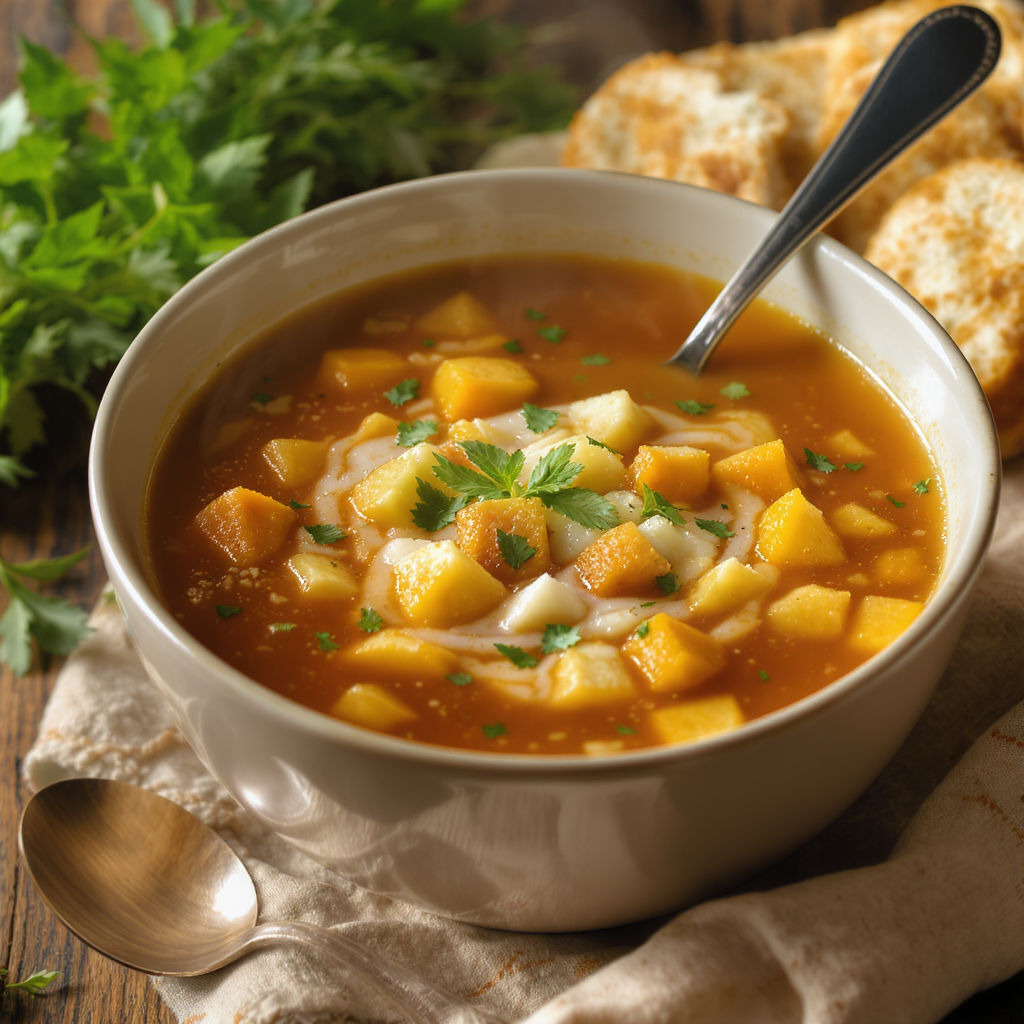 Nourishing Herbal Soups
Creating a warm and comforting soup with these herbs can enhance your sleep, making it a nourishing addition to your evening routine.
Recipe: Sleepy Time Soup
- Ingredients:
- 10g Dang Shen
- 6g Gou Teng
- 4 cups chicken or vegetable broth
- Mixed vegetables of your choice
- Instructions:
1. Simmer all ingredients for at least 30 minutes.
2. Season to taste and enjoy as a light dinner.
Convenient Tinctures and Capsules
For those with busy lifestyles, tinctures or capsules can provide a quick and effective solution. Always opt for lab-tested products from reliable sources like 1st Chinese Herbs to ensure quality and safety.
Additional Tips for Better Sleep with TCM
Establish a Calming Night Routine: Incorporate restful activities like light stretching, reading, or meditative practices an hour before bedtime.
Limit Blue Light Exposure: Reduce screen time in the hour leading up to sleep to improve melatonin production.
Mindfulness Practices: Techniques such as meditation or deep-breathing exercises can help relax an overactive mind.
Frequently Asked Questions (FAQs)
Are Chinese herbs safe for everyone?
Most people find relief using TCM herbs, but you should always consult a licensed practitioner if you are pregnant, nursing, or on medication.
How long does it take to see results from herbal remedies?
Many people experience improvements in sleep quality within a couple of weeks of consistent use.
Can I combine different herbs?
Combining herbs can create synergistic effects. However, consult a TCM practitioner to customize your approach.
What if I have allergies to certain herbs?
Always check individual herb properties closely and consult a qualified professional if you have any known allergies.
Conclusion: Experience the Transformative Benefits of Chinese Herbs for Sleep
Incorporating Chinese herbs for sleep into your nightly regimen can help you reclaim a restorative night's rest. At 1st Chinese Herbs, we provide premium, lab-tested herbal products to assist you in your journey toward better sleep. Explore our collection of high-quality herbs today at 1st Chinese Herbs and take the proactive step toward rejuvenating your sleep naturally.
References
Sour Jujube Seed — Suan Zao Ren (Ziziphus jujuba var. spinosa / Ziziphus spinosa)
-
Jujube seed capsule improved sleep quality in postmenopausal women (double-blind RCT) — PMID: 33854934
https://pubmed.ncbi.nlm.nih.gov/33854934/ -
Suan-Zao-Ren decoction for insomnia (systematic review) — PMID: 32846778
https://pubmed.ncbi.nlm.nih.gov/32846778/ -
Ziziphus spinosa seeds for insomnia (chemistry + psychopharmacology review) — PMID: 28899507
https://pubmed.ncbi.nlm.nih.gov/28899507/ -
Sedative–hypnotic effects of Suanzaoren extracts (preclinical; often cited) — PMID: 19682877
https://pubmed.ncbi.nlm.nih.gov/19682877/
Arborvitae Seed — Bai Zi Ren (Platycladus orientalis seed / Platycladi Semen)
-
Platycladi Semen storage/quality risk (aflatoxin + microbiome; includes insomnia traditional use context) — PMID: 33193220
https://pubmed.ncbi.nlm.nih.gov/33193220/ -
Chinese herbal medicine + acupuncture patterns for insomnia (mentions Baiziren among common insomnia herbs) — PMID: 23111233
https://pubmed.ncbi.nlm.nih.gov/23111233/
Mimosa Bark — He Huan Pi (Albizia julibrissin)
-
Albizia julibrissin and sleep deprivation model; notes insomnia prescribing context — PMID: 31057652
https://pubmed.ncbi.nlm.nih.gov/31057652/ -
Nyctinastic herbs decoction paper (sedative/hypnotic effects; includes Albizia/He Huan Pi in formula context) — PMID: 34790730
https://pubmed.ncbi.nlm.nih.gov/34790730/
Uncaria Hook — Gou Teng (Uncaria spp.; commonly Uncaria rhynchophylla)
-
Rhynchophylline (Uncaria alkaloid) + relevance to sleep (review) — PMID: 34207633
https://pubmed.ncbi.nlm.nih.gov/34207633/ -
Rhynchophylline “sleep-inducing effect” study (preclinical sleep architecture) — PMID: 37840649
https://pubmed.ncbi.nlm.nih.gov/37840649/
Codonopsis Root — Dang Shen (Codonopsis pilosula)
This herb is better supported for fatigue/Qi support than as a primary “sleep herb,” so cite it that way (daytime resilience can indirectly support sleep routines).
-
Systematic review on mechanisms/medicinal value of Codonopsis pilosula (broad review) — PMID: 38803438
https://pubmed.ncbi.nlm.nih.gov/38803438/