
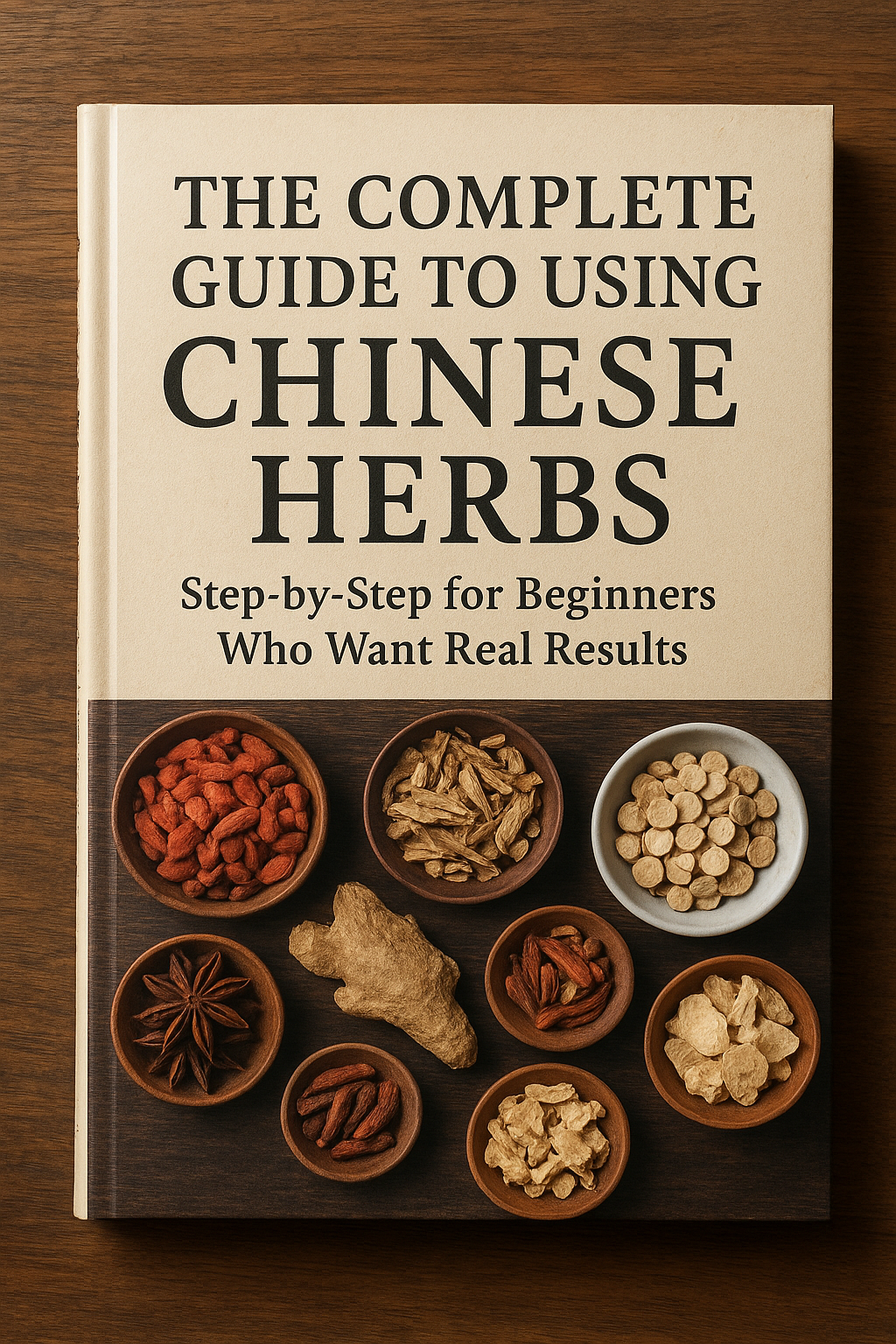
The Complete Guide to Using Chinese Herbs
Step-by-Step for Beginners Who Want Real Results
 Most people think herbs don’t work.
But in reality, many people were never shown how to use them correctly. Most people think pour boiling water over the herb, and then you drink. Sorry, it just doesn't work like that.
The same herb can feel mild, weak, or deeply supportive depending on how it is prepared. A leaf may only need a simple tea. A root may need to be simmered. A powder may need warm water. A traditional formula may need to be taken consistently over time.
This guide will show you how to prepare Chinese herbs the right way using teas, decoctions, powders, capsules, tinctures, syrups, compresses, and other common methods. Easy to follow step-bystep instructions.
Quick Answer: How Do You Use Chinese Herbs Correctly?
If you remember nothing else, remember this:
- Leaves and flowers: Use an infusion, also called herbal tea.
- Roots, bark, seeds, and dense herbs: Use a decoction, which means simmering.
- Powders: Mix into warm water, tea, broth, or food.
- Teapills and capsules: Use as directed on the product label.
- Topical herbs: Use as washes, compresses, salves, or poultices when appropriate.
The method matters because preparation affects extraction, strength, and consistency.
Start Here: If You Are New to Chinese Herbs, Do This First
1. Pick One Goal
Start with one clear wellness goal such as digestion, stress support, seasonal wellness, sleep support, energy, or joint comfort.
2. Choose the Right Herb or Formula
Do not start with everything at once. Choose one herb, one blend, or one traditional formula that matches your goal.
3. Use the Correct Preparation Method
This is where most people make mistakes. Roots usually need simmering. Leaves usually need steeping.
4. Stay Consistent
Most herbs work best when used regularly. Give your routine enough time before deciding if it is helping.Shop Chinese Herbs by Type
The Two Most Important Herbal Preparation Methods
1. Herbal Infusion: Best for Leaves and Flowers
An infusion is the method most people call herbal tea. It works best for lighter plant parts such as leaves, flowers, and aromatic herbs.
| Infusion Basics | Recommended Use |
|---|---|
| Best for | Leaves, flowers, soft aerial parts, and delicate aromatic herbs |
| Water temperature | Hot water, usually just below boiling for delicate herbs |
| Steep time | 10–15 minutes for most loose herbs |
| Common mistake | Steeping too briefly or using too little herb |
Basic infusion method: Add 1 tablespoon of loose herb to 8–12 ounces of hot water. Cover, steep 10–15 minutes, strain, and drink.
2. Herbal Decoction: Best for Roots, Bark, Seeds, and Dense Herbs
A decoction is the traditional simmering method used for tougher herbs. This method helps extract constituents from dense plant parts that do not release well with simple steeping.
| Decoction Basics | Recommended Use |
|---|---|
| Best for | Roots, bark, twigs, seeds, minerals, and dense herbs |
| Water amount | Usually 3–4 cups water to start |
| Simmer time | 20–45 minutes depending on the herb or formula |
| Common mistake | Only steeping roots like tea instead of simmering them |
Basic decoction method: Add herbs to water, bring to a gentle boil, reduce to a simmer, cover partially, simmer 20–45 minutes, strain, and drink as directed.
Free Herbal Preparation Tools
Free Download
Free E-Book 10 Vital Herbs That Work Free Herbal E-Book
Steep Time Calculator: Perfect Brew
First Time Shopping With Us?
We’re happy to help you choose herb forms and the best prep method for your routine.
Chinese Herb Preparation Chart
| Preparation Method | Best For | Time Needed | Why Use It |
|---|---|---|---|
| Infusion | Leaves and flowers | 10–15 minutes | Quick, simple, and ideal for delicate herbs |
| Decoction | Roots, bark, seeds, dense herbs | 20–45 minutes | Stronger extraction for tough plant parts |
| Powder | Ground herbs and extracts | 1–2 minutes | Fast, convenient, no cooking required |
| Capsules | Powders and extracts | Immediate use | Easy for travel and consistent serving size |
| Teapills | Traditional formulas | Immediate use | Convenient form of classic Chinese formulas |
| Compress | External use | 10–30 minutes | Localized topical support |
Where Should You Start?
Best for Tea Beginners
Start with gentle loose herbs that are easy to steep and simple to use daily.
Best for Digestion
Choose herbs traditionally used to support digestive comfort, regularity, and post-meal balance.
Best for Stress and Calm
Look for herbs traditionally used to support relaxation, emotional balance, and restful routines.
What You Need To Know
Many people blame the herb when they do not notice results. But often, the real problem is not the herb. It is the method.
Here are the most common reasons herbs feel weak:
- The wrong method was used: Roots and bark often need simmering, not simple steeping.
- The serving size was too small: A tiny pinch may not be enough for a meaningful preparation.
- The tea was not covered: Aromatic compounds can escape with steam.
- The routine was inconsistent: Using herbs once or twice usually does not show the full picture.
- The product quality was poor: Old, weak, sulfur-treated, or improperly sourced herbs may not perform well.
What Results Should You Expect?
Chinese herbs are not magic. They are part of a consistent wellness routine. Some herbs feel noticeable quickly, while others are better understood over time.
| Timeline | What You May Notice |
|---|---|
| Day 1–3 | Subtle shifts, easier digestion, calming effects, or improved daily rhythm depending on the herb. |
| Week 1 | More noticeable support when used consistently and prepared correctly. |
| Week 2–4 | Deeper routine-based support, especially for herbs used for ongoing wellness goals. |
Important: Results vary by person, herb quality, preparation method, consistency, diet, lifestyle, and individual constitution.
Common Mistakes That Cost You Results
Using Too Little Herb
Many people use a tiny amount and expect a strong preparation. Follow the suggested amount for the herb or formula.
Making Weak Tea
Steeping for only 2–3 minutes is usually not enough for loose medicinal herbs.
Not Simmering Roots
Roots, bark, and dense herbs usually require decoction for better extraction.
Stopping Too Soon
Many people quit before they have used the herb consistently enough to evaluate it.
How to Choose the Right Herbal Method
| Your Goal | Best Method |
|---|---|
| I want something simple and daily | Infusion or powder |
| I want traditional strength | Decoction |
| I want convenience | Capsules or teapills |
| I want fast preparation | Powder mixed into warm water |
| I want topical support | Compress, wash, poultice, or salve |
Why Herb Quality Matters
Preparation matters, but quality matters too. Even the best preparation method cannot fix poor-quality herbs.
At 1st Chinese Herbs, we focus on quality, transparency, and education because customers deserve to know what they are using.
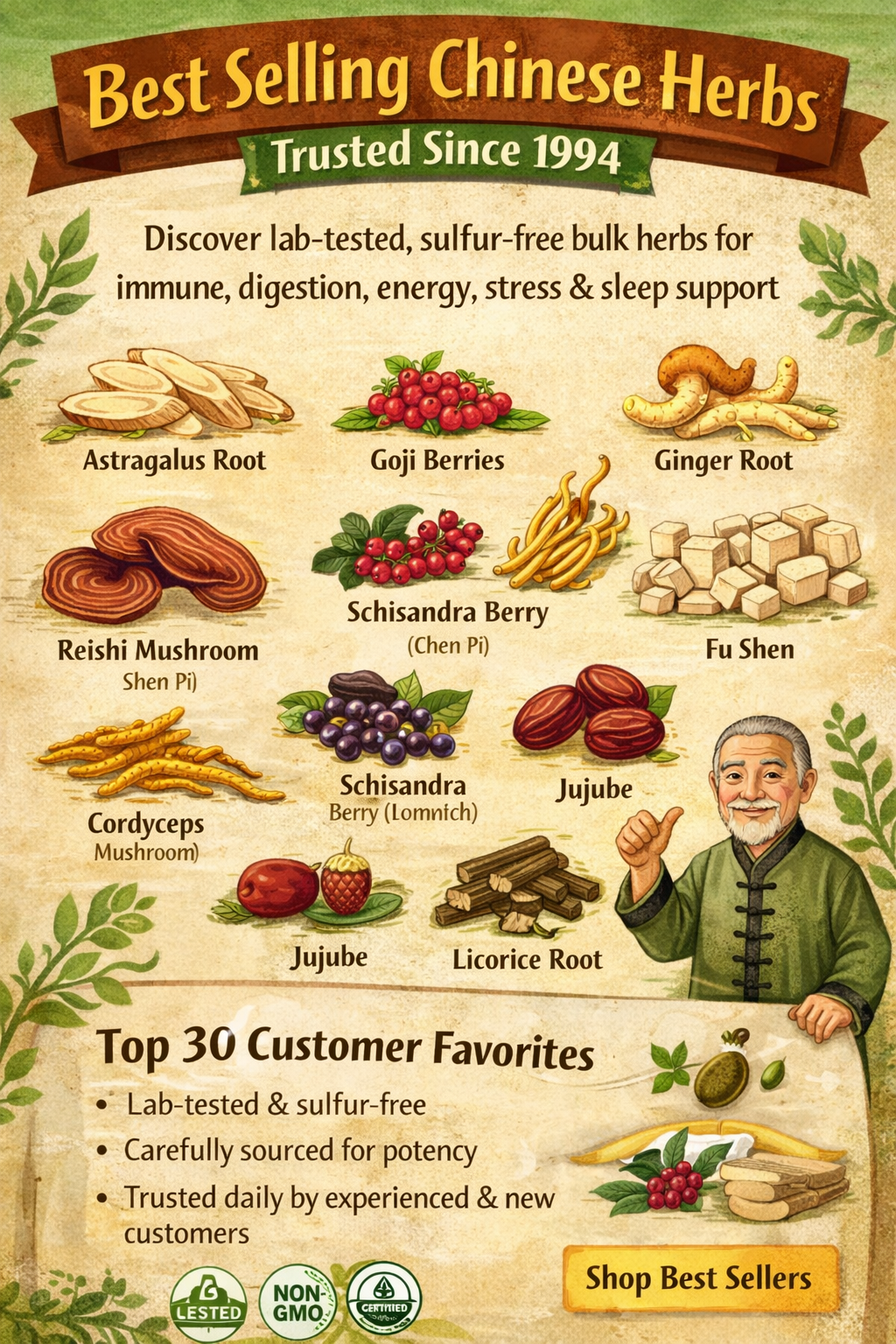
- Trusted since 1994
- Lab-tested herbs when available
- COAs available upon request when applicable
- Sulfur-free options
- Non-irradiated options
- Clear preparation guidance
- Real education, not guesswork
Why Buy From 1st Chinese Herbs?
| What Matters | 1st Chinese Herbs | Typical Online Marketplace |
|---|---|---|
| Herbal education | Clear preparation guidance | Often minimal |
| Quality focus | Lab testing and sourcing standards when available | Often unclear |
| Experience | Trusted since 1994 | Varies widely |
| Product selection | Bulk herbs, powders, teapills, extracts, and formulas | Often limited or inconsistent |
| Customer support | Herb-focused guidance | Generic support |
Frequently Asked Questions About Using Chinese Herbs
How long do you boil Chinese herbs?
Many roots, bark, seeds, and dense herbs are simmered for 20–45 minutes. Delicate herbs may require less time or may be added near the end.
Can I reuse Chinese herbs after making a decoction?
Some people simmer the same herbs a second time, especially with traditional decoctions. The second batch is usually weaker.
Do I drink Chinese herbs hot or cold?
Many traditional preparations are taken warm, but some herbs may be used at room temperature depending on the formula and purpose.
How much loose herb should I use per cup?
A common starting point is 1 tablespoon of loose herb per 8–12 ounces of water, but amounts vary by herb, formula, and intended use.
What is the easiest way to take Chinese herbs?
Powders, capsules, and teapills are often the easiest. Loose herbs and decoctions require more preparation but allow a more traditional approach.
Why do some Chinese herbs taste bitter?
Many traditional herbs are naturally bitter, earthy, sour, sweet, pungent, or salty. Taste is part of how herbs are understood in Traditional Chinese Medicine.
Can I mix several herbs together?
Yes, many Chinese herbs are traditionally used in formulas. However, combinations should be chosen carefully based on purpose, constitution, and safety considerations.
Should I take herbs with food?
Some herbs are taken before meals, some after meals, and some away from food. Follow the product label or guidance from a qualified practitioner.
Are bulk herbs stronger than tea bags?
Bulk herbs may provide more flexibility in serving size, preparation strength, and formula building compared with many commercial tea bags.
How do I know if I am preparing herbs correctly?
Match the method to the plant part. Leaves and flowers are usually steeped. Roots, bark, and dense herbs are usually simmered.
Disclaimer: This information is for educational purposes only. It is not intended to diagnose, treat, cure, or prevent any disease. Always consult a qualified healthcare professional before using herbs, especially if pregnant, nursing, taking medication, managing a medical condition, or preparing herbs for children.