
Chai Hu vs. Huang Qi: The Complete TCM Comparison Guide (Differences, Uses, How to Choose & How to Use Them)
Trusted, Lab-Tested Herbs Since 1994 • 1st Chinese Herbs
Chai Hu (Bupleurum) primarily moves Liver Qi, relieves stagnation, and harmonizes emotions and stress-related patterns in TCM. Huang Qi (Astragalus) strengthens Qi, boosts energy, and supports healthy immune and protective functions. This complete guide explains their differences, how to choose the right herb, TCM functions, brewing instructions, safety notes, and when to combine them.
1. Why This Comparison Matters
Chai Hu (Bupleurum root) and Huang Qi (Astragalus root) are two of the most essential herbs in Traditional Chinese Medicine, but they are often misunderstood.
You may be wondering...
-
“Which one is better for energy?”
-
“Which one helps with stress?”
-
“Do they do the same thing?”
-
“Can I take them together?”
-
“Which is better for liver health?”
-
“Which one helps immunity?”
-
“Which herb builds energy and which herb moves it?”
This article answers ALL questions.
2. Summary Of Chai Hu and Huang Qi
| Herb | Best Known For | Main TCM Action | Works Best For | Not Ideal For |
|---|---|---|---|---|
| Chai Hu | Moves stagnated Liver Qi | Harmonizes Shaoyang, relieves constraint | Stress, mood patterns, digestive tension, stuck energy | Very deficient or dry individuals |
| Huang Qi | Strengthens Qi & Wei Qi | Tonifies Spleen & Lung Qi | Low energy, immune support, fatigue, long-term wellness | Heat, excess, early acute conditions |
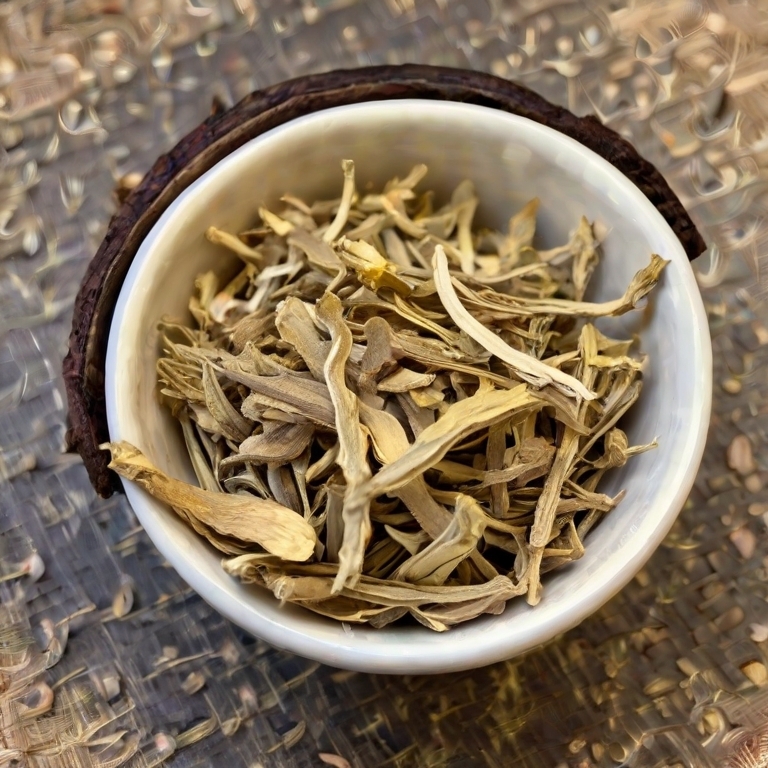
 3. What Is Chai Hu? (Bupleurum Root)
TCM Category
• Harmonize Shaoyang
• Move Liver Qi
Taste & Temperature
• Bitter, Acrid
• Cool
Meridians
• Liver, Gallbladder, San Jiao, Pericardium
Traditional Functions
-
Moves constrained Liver Qi
-
Harmonizes emotional stress patterns
-
Supports mood regulation in a TCM context
-
Harmonizes Shaoyang (half-interior, half-exterior)
-
Supports digestive flow when “stress affects digestion”
Why You Might Choose This Herb.
This is the herb for people who say:
✔ “I feel stuck.”
✔ “I have stress tension.”
✔ “I feel tight or irritable.”
✔ “My digestion feels stress-related.”
Modern Research (PubMed)
-
Bupleurum compounds studied for regulatory effects on stress pathways (PMID: 22063299)
-
Saikosaponins studied for liver-related actions (PMID: 24467530)
 4. What Is Huang Qi? (Astragalus Root)
TCM Category
• Tonify Qi
Taste & Temperature
• Sweet
• Slightly Warm
Meridians
• Lung, Spleen
Traditional Functions
-
Tonifies Qi
-
Strengthens Wei Qi (protective Qi)
-
Supports energy levels
-
Lifts sinking Qi
-
Promotes healthy fluid metabolism
Why You Might Choose This Herb.
This is the herb for people who say:
✔ “I feel tired.”
✔ “I need more energy.”
✔ “I catch things easily.”
✔ “I want long-term wellness support.”
Modern Research (PubMed)
-
Astragalosides studied for immune modulation (PMID: 29556368)
-
May support normal energy production pathways (PMID: 25878483)
5. The Real Difference in TCM
The core difference:
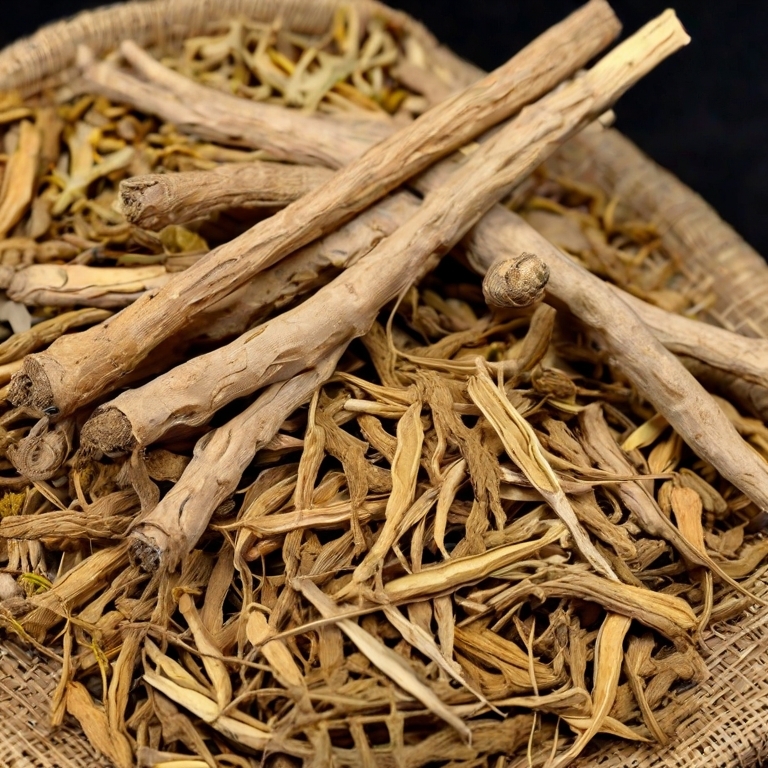 ⭐ Chai Hu moves Qi
-
Helps stress
-
Smooths stagnation
-
Harmonizes emotions
-
Helps digestive tension
-
Helps “Liver Qi stagnation”
⭐ Huang Qi builds Qi
-
Supports energy
-
Strengthens lung & digestion
-
Long-term vitality
-
Protective functions (Wei Qi)
They are not interchangeable.
They complement each other beautifully.
6. How to Choose: Decision Tree
Do you feel stressed, stuck, tight, or irritable?
→ Choose Chai Hu
Do you feel tired, weak, low energy, or depleted?
→ Choose Huang Qi
Do you feel “tired AND stressed” at the same time?
→ Both together (classic combination)
Do you feel cold, run-down, and exhausted?
→ Huang Qi dominant + small Chai Hu
Does stress upset your digestion?
→ Chai Hu dominant + Bai Shao pairing
Do you want immune support during seasonal shifts?
→ Huang Qi
7. When to Use Each Herb
⭐ When Chai Hu is traditionally used
-
Stress-induced digestive tension
-
Emotional constraint
-
PMS irritability
-
Stuck energy
-
Ribside discomfort
-
Shaoyang disharmony patterns
⭐ When Huang Qi is traditionally used
-
Fatigue
-
Low protective Qi
-
General wellness
-
Occasional shortness of breath
-
Weak voice or low stamina
-
Spleen Qi deficiency patterns
8. Can They Be Used Together? (YES — Classic Tonic Pair)
Chai Hu + Huang Qi appear together in major classical formulas:
-
Bu Zhong Yi Qi Tang
-
Xiao Chai Hu Tang (with modifications)
-
Sheng Mai formulas
Why they pair well:
Chai Hu moves Qi
Huang Qi builds Qi
Move + Build = Balanced and powerful.
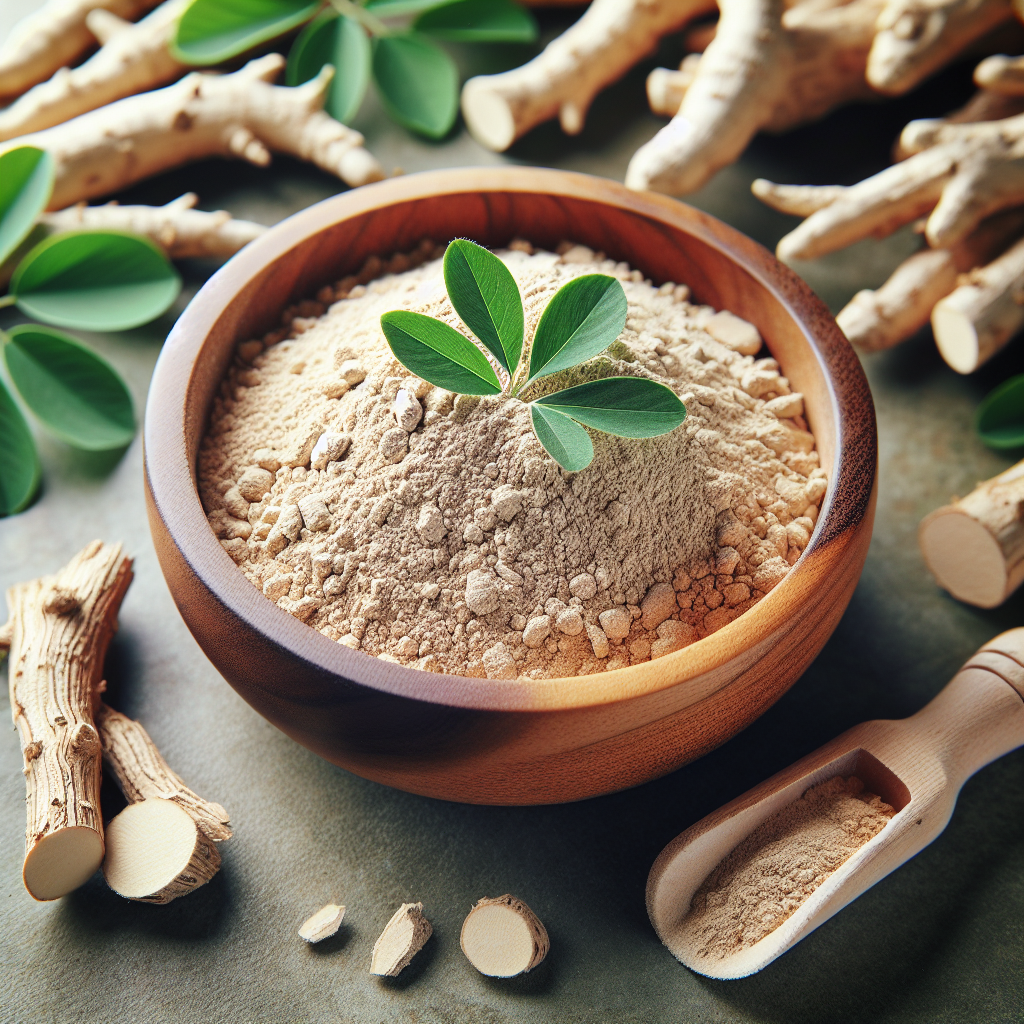 9. How to Use, Brew & Dose
Whole Herb (Slices)
-
Chai Hu: 3–9g
-
Huang Qi: 9–30g
Simmer 25–45 minutes.
Powder
1–2g mixed with warm water.
Extract Powder (5:1 or 10:1)
¼–½ teaspoon once or twice daily.
10. Best Form to Buy
| Form | Best For | Why |
|---|---|---|
| Whole slices | Decoctions | Strongest traditional effect |
| Powder | Convenience | Easy to take |
| 5:1 extract | Medium strength | No boiling needed |
| 10:1 extract | Maximum potency | Great for busy people |
11. Common Mistakes
❌ Using Chai Hu when deficient
❌ Using Huang Qi when excess heat is present
❌ Brewing too short
❌ Using extract powder like whole herbs
❌ Taking Huang Qi too late at night (warming)
❌ Taking Chai Hu alone for severe deficiency
❌ Not pairing with harmonizers like Gan Cao
12. History & Folklore
Chai Hu
Referenced in Shang Han Lun and Jin Gui Yao Lue.
Known historically as “the herb that smooths the winds of emotion.”
Huang Qi
Called “The Yellow Leader.”
Used for centuries in tonic broths and longevity formulas.
13. Safety & Cautions
Chai Hu
• Use cautiously if very deficient or dry
• Not used in very cold individuals unless balanced
• Not used in pregnancy without practitioner guidance
Huang Qi
• Use cautiously in heat or excess conditions
• Avoid during early stages of acute external conditions
• Also not used in pregnancy without supervision
14. FAQ: Top 20 Questions
1. Which herb is better for energy?
Huang Qi.
2. Which herb is better for stress?
Chai Hu.
3. Can men take both herbs?
Yes — gender-neutral.
4. Which works faster?
Chai Hu.
5. Which works long-term?
Huang Qi.
6. Are they warming or cooling?
Chai Hu = slightly cool
Huang Qi = slightly warm
7. Can I take them daily?
Traditionally yes, under supervision.
8. Can they be combined?
Yes — classic synergy.
9. Do they help digestion?
Chai Hu yes, especially stress-related.
10. Do they support immunity?
Huang Qi traditionally supports Wei Qi.
11. How do they taste?
Chai Hu = bitter
Huang Qi = sweet
12. Do they build or move?
Huang Qi builds; Chai Hu moves.
13. Best formulas with Chai Hu?
Xiao Chai Hu Tang.
14. Best formulas with Huang Qi?
Yu Ping Feng San.
15. Can they be used in soup?
Yes — tonics often include Huang Qi.
16. Do they help liver patterns?
Chai Hu traditionally does.
17. Is Chai Hu good for emotions?
It harmonizes Liver Qi.
18. Is Huang Qi good for fatigue?
Yes, Qi-tonifying.
19. Are they safe long-term?
Traditionally yes, with balance.
20. Where should I buy them?
1stChineseHerbs.com — lab-tested, GMP-certified, sulfur-free.
15. Comparison Chart
| Feature | Chai Hu | Huang Qi |
|---|---|---|
| Main Action | Moves Liver Qi | Tonifies Qi |
| Temperature | Cool | Warm |
| Taste | Bitter | Sweet |
| Best For | Stress, stagnation | Energy, immunity |
| Decoction Dose | 3–9g | 9–30g |
| Works Fast? | Yes | Slowly builds |
16. Shop This Herb
✔ Chai Hu (Bupleurum root) – Whole, powder, extract
✔ Huang Qi (Astragalus root) – Whole, powder, extract
17. You May Find These Articles Interesting
Common Mistakes And How To Fix Them
Free E-Book - 10 Vital Herbs That Work
18. PubMed References
• Chai Hu stress pathways: PMID 22063299
• Saikosaponins & liver pathways: PMID 24467530
• Huang Qi immune modulation: PMID 29556368
• Qi & energy pathways: PMID 25878483
Updated: November 27, 2025
Author: Sarah Johnson, M.S. in Holistic Healing
Reviewed by: 1st Chinese Herbs Editorial Team