
Chuan Xiong vs. Dang Gui: The Complete TCM Comparison Guide (Differences, Uses, How to Choose & How to Use Them)
Trusted, Lab-Tested Herbs Since 1994 • 1st Chinese Herbs
Chuan Xiong (Ligusticum chuanxiong) primarily moves blood and Qi to address stagnation, circulation, and tension patterns. Dang Gui (Angelica sinensis) nourishes, enriches, and moistens the blood while gently supporting circulation. Together, they balance movement + nourishment. This complete guide explains the differences, how each herb works in TCM, when to use each, how to combine them, dosage formats, safety considerations, brewing instructions, and FAQ—all in one resource.
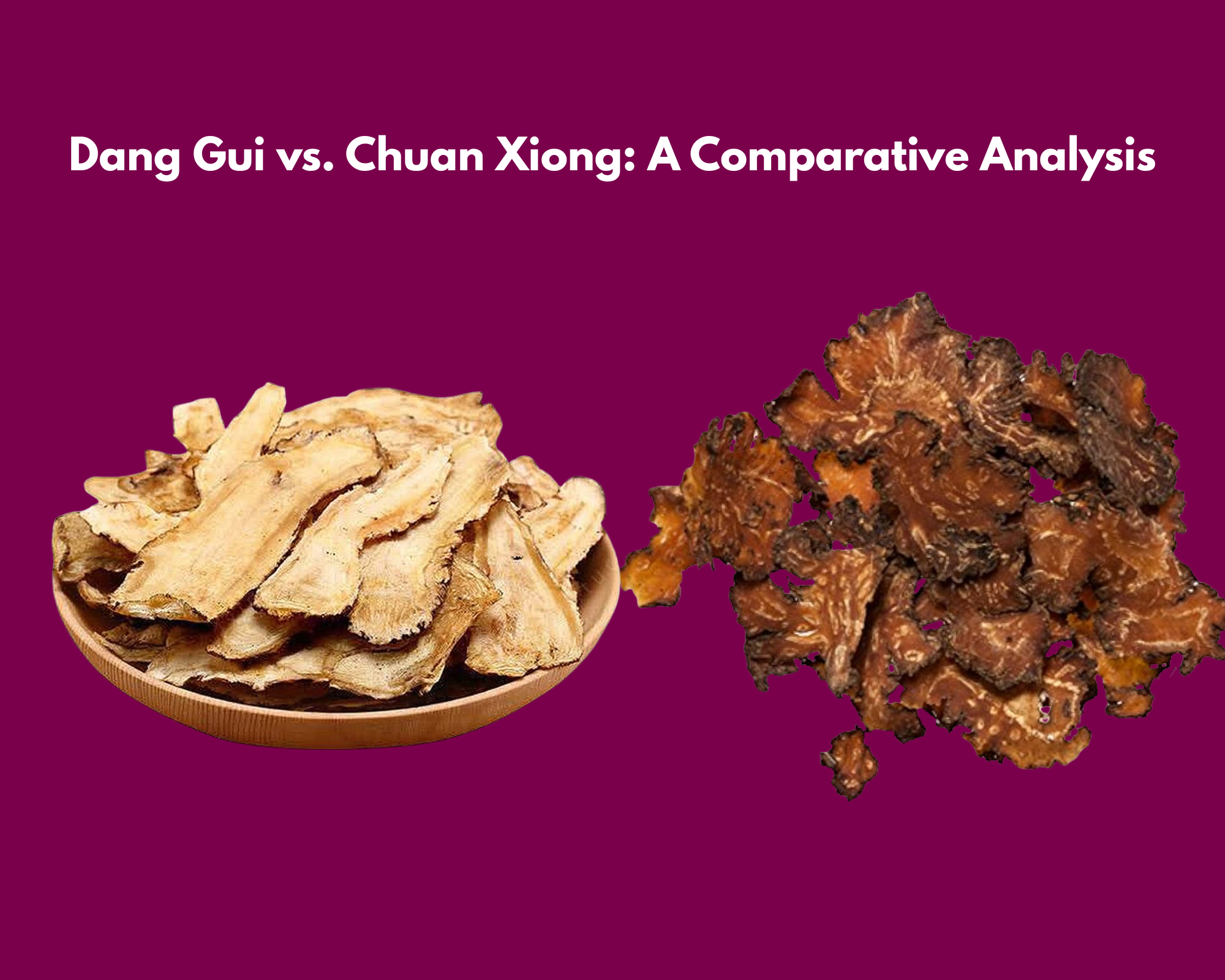
1. What This Guide Covers
This is the most complete, authoritative guide online about Chuan Xiong vs. Dang Gui.
We cover the real questions you search for and want to know the answers to.
✔ What’s the difference?
✔ Which one do I choose?
✔ How do I use them?
✔ How do I combine them?
✔ What are the traditional functions?
✔ What does the science say?
✔ How do I brew them properly?
✔ What are the dosage formats?
✔ What mistakes do beginners make?
We also include:
⭐ Visual comparison grids
⭐ Step-by-step decision tree
⭐ TCM + modern research blend
⭐ Classical references
⭐ Safety notes
⭐ Brewing instructions
2. Quick Comparison Summary
| Feature | Chuan Xiong | Dang Gui |
|---|---|---|
| Main Action | Moves blood & Qi | Nourishes & builds blood |
| Temperature | Warm | Warm |
| Taste | Acrid | Sweet, acrid |
| Best For | Stagnation, tension, circulation, cold patterns | Dryness, deficiency, fatigue, blood nourishment |
| Works Fast? | YES | Slower, restorative |
| TCM Category | Invigorate Blood | Tonify Blood |
| Meridians | Liver, Gallbladder, Pericardium | Liver, Heart, Spleen |
| Signature Use | Movement | Nourishment |
3. What Is Chuan Xiong?
Botanical name: Ligusticum chuanxiong
English name: Sichuan Lovage Root
TCM Functions
-
Moves blood to relieve stagnation
-
Moves Qi within the blood
-
Disperses wind, especially from the head
-
Warms channels, unblocks flow
-
Promotes circulation in a balanced, harmonizing way
Why People Choose It
Supports flow, movement, head tension, or cold-type stagnation patterns.
Taste & Temperature
Acrid, Warm
Meridians
Liver, Gallbladder, Pericardium
Science (PubMed)
-
Ligustilide studied for smooth muscle effects (PMID: 27181372)
-
Supports healthy circulatory function pathways (PMID: 30785335)
4. What Is Dang Gui?
Botanical name: Angelica sinensis
English name: Chinese Angelica Root
TCM Functions
-
Nourishes blood
-
Moistens & harmonizes
-
Gently moves blood without dispersing
-
Warms and nourishes the womb (traditional use)
-
Replenishes after depletion
Why People Choose It
Supports nourishment, dryness, replenishment, fatigue, and gentle blood movement.
Taste & Temperature
Sweet, Acrid, Warm
Meridians
Liver, Heart, Spleen
Science (PubMed)
-
Ferulic acid has antioxidative benefits (PMID: 31195666)
-
Dang Gui polysaccharides support normal blood-building processes (PMID: 36516637)
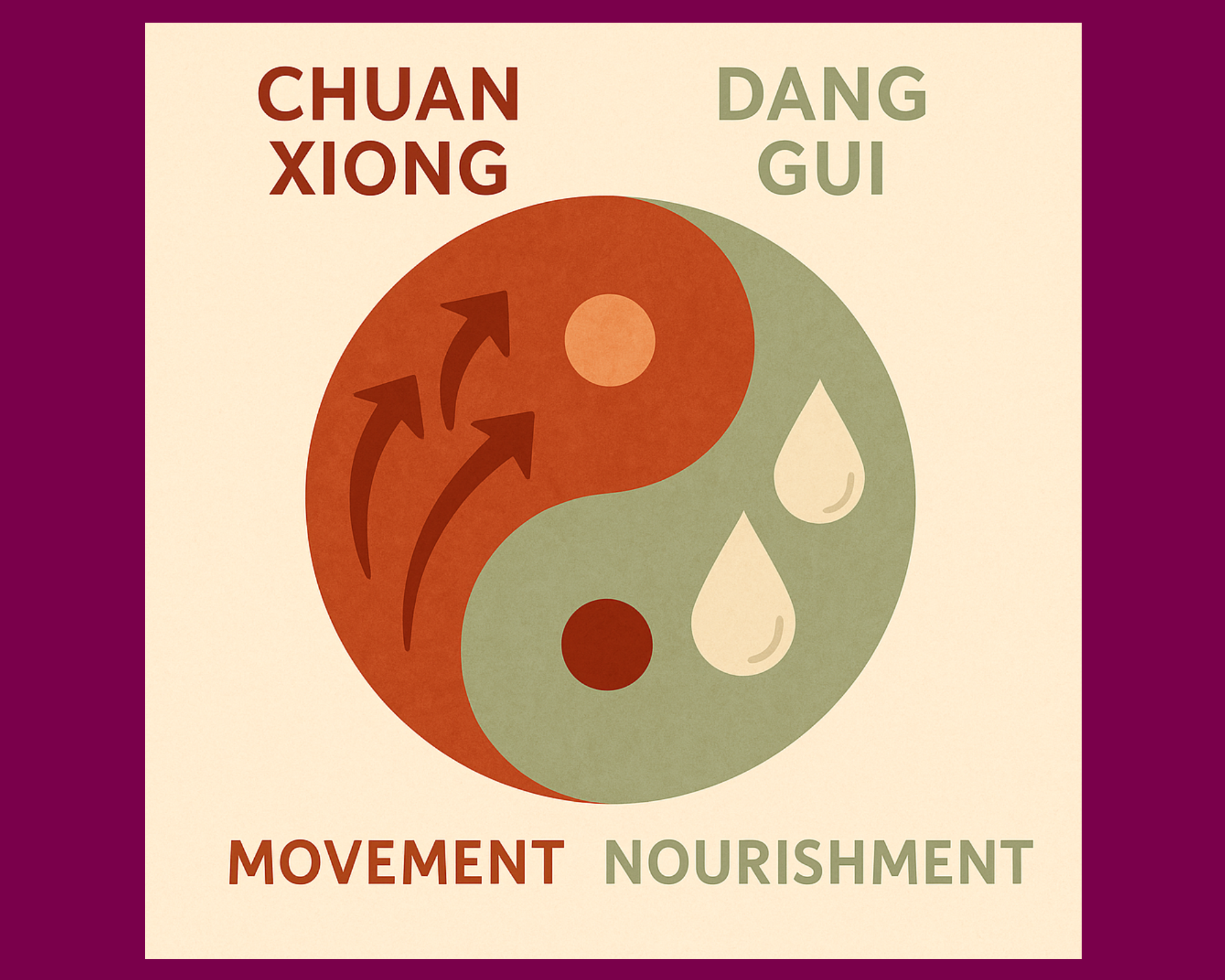
5. The TRUE Difference: Movement vs. Nourishment
Chuan Xiong → MOVES blood & Qi
Fast-acting
Dispels stagnation
Promotes circulation
Good for cold, stuck, tight patterns
Great for head tension
Dang Gui → NOURISHES blood
Slow-acting
Moistens dryness
Feeds the vessels
Supports replenishment
Ideal for deficiency patterns
Together: movement + nourishment = perfect harmony.
6. How to Choose: Decision Tree
Do you feel tight, stuck, tense, or cold?
→ Chuan Xiong
Do you feel dry, depleted, fatigued, pale, or lacking nourishment?
→ Dang Gui
Do you have BOTH stagnation + deficiency?
→ Use BOTH (classic pairing).
Is circulation sluggish but you also feel dry or fatigued?
→ Mostly Dang Gui + small amount of Chuan Xiong
Is circulation normal but tension patterns arise from stagnation?
→ Chuan Xiong alone
7. When to Use Each Herb (Traditional Patterns)
⭐ Choose Chuan Xiong when TCM signs show:
-
Stagnation
-
Tension or pressure patterns
-
Cold-type obstruction
-
Head or neck tightness
-
Irritability from stuck Qi
-
Dark blood or clotting (TCM stagnation sign)
⭐ Choose Dang Gui when TCM signs show:
-
Dryness
-
Blood deficiency
-
Fatigue & pale complexion
-
Post-wellness recovery
-
Irregularity from deficiency
-
Dry skin or brittle nails (TCM dryness signs)
8. Can They Be Combined? (YES — Classical Pair!)
Used together in major classical formulas, including:
-
Si Wu Tang
-
Xue Fu Zhu Yu Tang
-
Dang Gui Si Ni Tang
-
Bu Yang Huan Wu Tang
Why the pairing works:
? Chuan Xiong = Movement
? Dang Gui = Nourishment
Balanced. Harmonizing. Classical.
9. How to Use Each Herb
⭐ Whole Herb (Slices)
Chuan Xiong: 3–9g
Dang Gui: 6–12g
Simmer 25–45 min.
⭐ Powder
1–2g in warm water
Or encapsulate
⭐ Extract Powder (5:1, 10:1)
¼–½ tsp
1–2x daily
⭐ Tea / Decoction Kits
Add supportive herbs:
-
Bai Shao
-
Shu Di Huang
-
Dan Shen
-
Gou Teng
-
Gan Cao
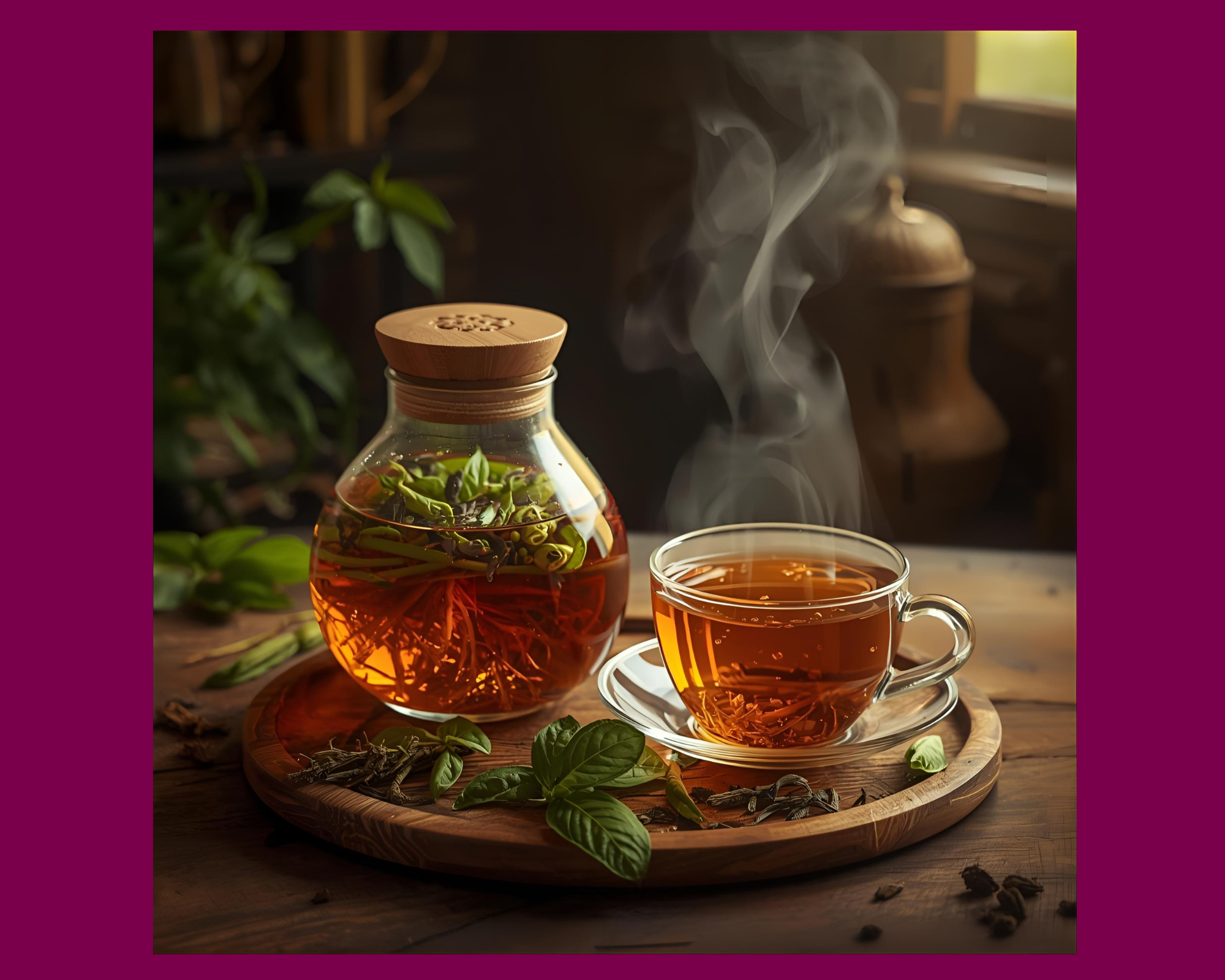
10. Brewing Instructions (Step-by-Step)
Whole Herb Decoction (Stovetop)
-
Add herbs to 3 cups water
-
Bring to boil
-
Reduce heat
-
Simmer 25–45 minutes
-
Strain
-
Drink warm
Extract Powder Method
-
Add ¼–½ tsp to warm water
-
Stir well
-
Drink immediately
-
Repeat 1–2x daily
11. Best Form to Choose (Consumer Guide)
| Form | Best For | Pros |
|---|---|---|
| Whole Slices | Traditional decoctions | Strongest classical effect |
| Powder | Quick use | Easy, blendable, versatile |
| 5:1 Extract | Medium strength | Concentrated, no decoction needed |
| 10:1 Extract | Strongest | Fast, potent, ideal for busy people |
12. Common Mistakes People Make
❌ Choosing Chuan Xiong when they are actually deficient
❌ Using Dang Gui when dampness is present
❌ Brewing too short
❌ Mixing with incompatible herbs
❌ Using extract powder like whole slices
❌ Not pairing with harmonizing herbs
❌ Using warming herbs during heat patterns
❌ Not understanding movement vs nourishment
13. History, Folklore & Classical Mentions
Chuan Xiong
Mentioned in:
-
Shen Nong Ben Cao Jing
-
Ben Cao Gang Mu
Historically known as “the herb that moves without scattering.”
Dang Gui
Referenced as:
“The blood of plants.”
Used in women’s wellness, recovery traditions, and classical tonics.
Folklore tells that traveling herbalists never journeyed without it.
14. Safety & Cautions Chuan Xiong
• Use cautiously with dryness
• Avoid with excessive heat
• Not used during pregnancy without guidance
Dang Gui
• Use cautiously with dampness
• Not used during hot-type conditions unless balanced
• Not used during pregnancy without supervision
15. People Also Ask (FAQ)
1. Which is better for circulation?
Chuan Xiong (movement).
2. Which is better for dryness?
Dang Gui (nourishment).
3. Can men take Dang Gui?
Yes — TCM herbs are not gender-specific.
4. Is Dang Gui warming?
Gently warm.
5. Is Chuan Xiong warming?
Yes, more warming than Dang Gui.
6. Do they taste different?
Dang Gui is sweet/acrid.
Chuan Xiong is acrid/warm.
7. Can I take them daily?
Traditionally used daily under practitioner guidance.
8. Can I combine them?
Yes, classic pairing.
9. Which works faster?
Chuan Xiong.
10. Which works long-term?
Dang Gui.
11. Are they safe long-term?
Traditionally used long-term when balanced correctly.
12. Do they build or move?
Dang Gui builds; Chuan Xiong moves.
13. What formulas include both?
Si Wu Tang, Xue Fu Zhu Yu Tang.
14. Do they support head tension?
Chuan Xiong traditionally does.
15. Are they good for warming?
Both are warm.
16. Which herb is moistening?
Dang Gui.
17. Do they help with stagnation?
Chuan Xiong strongly does.
18. Which herb is more yin-nourishing?
Dang Gui.
19. Are extract powders stronger?
Yes, they are more concentrated.
20. Can I use them in soup?
Yes — add during the last 10–15 minutes.
16. Comparison Chart
| Feature | Chuan Xiong | Dang Gui |
|---|---|---|
| Main Action | Moves Blood | Nourishes Blood |
| Secondary Action | Moves Qi | Moistens |
| Nature | Warm | Warm |
| Taste | Acrid | Sweet, acrid |
| Best For | Tension, stagnation | Dryness, deficiency |
| Works Fast? | Yes | Slower |
| Decoction Dose | 3–9g | 6–12g |
| Extract Dose | ¼–½ tsp | ¼–½ tsp |
17. Shop This Herb
✔ Chuan Xiong – Whole, Powder, Extract
✔ Dang Gui – Whole, Powder, Extract
18. Related Links
Common Mistakes And How To Fix Them
Free E-Book - 10 Vital Herbs That Work
19. PubMed References
-
Chuan Xiong & ligustilide: PMID 27181372
-
Circulatory pathways study: PMID 30785335
-
Dang Gui ferulic acid: PMID 31195666
-
Dang Gui polysaccharides: PMID 36516637