

Dang Shen (Codonopsis Root): Benefits, Uses, Tea, Comparisons, and Wellness Support
Looking for a gentle herbal tonic to support healthy energy, digestion, resilience, and overall wellness?
Dang Shen (Codonopsis Root) is one of Traditional Chinese Medicine’s most trusted tonic herbs for supporting healthy Qi, vitality, and balance.
Often called the “gentle ginseng” or “poor man’s ginseng,” Dang Shen is highly valued for providing steady, nourishing support without the intense or overstimulating effects associated with stronger tonic herbs.
At 1st Chinese Herbs, Dang Shen remains one of our most recommended herbs for customers looking for gentle daily support for energy, digestion, and overall wellness.
Trusted since 1994.
Quick Summary: What Is Dang Shen Good For?
- Supports healthy energy and vitality
- Supports digestive wellness
- Supports healthy immune function
- Supports respiratory wellness
- Supports healthy stress resilience
- Supports long-term balance and wellness
What Is Dang Shen?
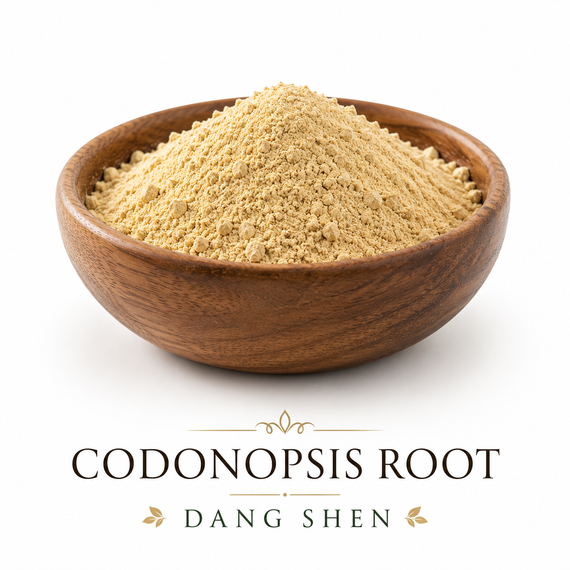
Dang Shen, also known as Codonopsis Root, comes from the plant Codonopsis pilosula.
In Traditional Chinese Medicine (TCM), Dang Shen is classified as a Qi tonic herb that primarily supports the Lung and Spleen channels.
Traditionally, Dang Shen is used to help nourish Qi and support overall balance, especially during times of physical or mental depletion.
Because of its balanced and gentle nature, Dang Shen is commonly used in both traditional formulas and daily wellness routines.
Herbalist Notes: Why I Like Dang Shen
After working with herbs since 1994, Dang Shen continues to stand out as one of the best tonic herbs for beginners and long-term herbal users alike.
Why?
Because it is gentle, versatile, and pairs beautifully with many other herbs.
Many customers want support for energy and vitality but do not want something too strong or stimulating.
That is where Dang Shen shines.
It offers balanced support and fits beautifully into daily wellness routines.
Traditional Uses of Dang Shen
Supports Healthy Energy and Vitality
Dang Shen is traditionally used to support healthy energy and overall vitality.
Supports Digestive Wellness
In TCM, Dang Shen is commonly used to support the Spleen system, which plays an important role in nourishment and digestion.
Supports Healthy Immune Function
Dang Shen is commonly used in wellness routines focused on long-term balance and resilience.
Supports Respiratory Wellness
Traditionally used to support the Lung system and overall respiratory wellness.
Supports Healthy Stress Response
Dang Shen is valued for helping support balance during periods of physical and emotional stress.
Dang Shen vs Ginseng vs Astragalus
| Herb | Best For | Energy Style | Taste |
|---|---|---|---|
| Dang Shen | Daily balanced support | Gentle | Mild sweet |
| Ginseng | Stronger tonic support | Powerful | Bitter-earthy |
| Astragalus | Protective wellness support | Steady | Mild sweet |
If you want balanced daily support, Dang Shen is often the ideal starting point.
Who Commonly Buys Dang Shen?
- People seeking gentle daily wellness support
- Busy professionals
- Older adults
- People focused on long-term vitality
- Customers wanting a gentler alternative to ginseng
5 Brilliant Uses for Dang Shen
1. Daily Herbal Tea
Brew sliced root into tea for gentle wellness support.
2. Soups and Broths
Excellent in soups and nourishing broths.
3. Decoctions
A classic Traditional Chinese Medicine preparation.
4. Traditional Herbal Formulas
Works beautifully with many tonic herbs.
5. Long-Term Wellness Routines
Excellent for customers focused on steady support over time.
What Does Dang Shen Pair Well With?
- Dang Shen + Astragalus → classic tonic pairing
- Dang Shen + Goji Berry → popular wellness combination
- Dang Shen + Red Dates → commonly used in soups and tea
- Dang Shen + Licorice Root → classic harmonizing combination
What Does Dang Shen Taste Like?
Dang Shen has a mild earthy taste with gentle sweetness.
Compared to stronger tonic herbs, it is smooth and pleasant.
Many customers find it easier to drink than ginseng.
How to Use Dang Shen
- Tea
- Decoction
- Soup ingredient
- Powder
- Tincture
- Herbal formulas
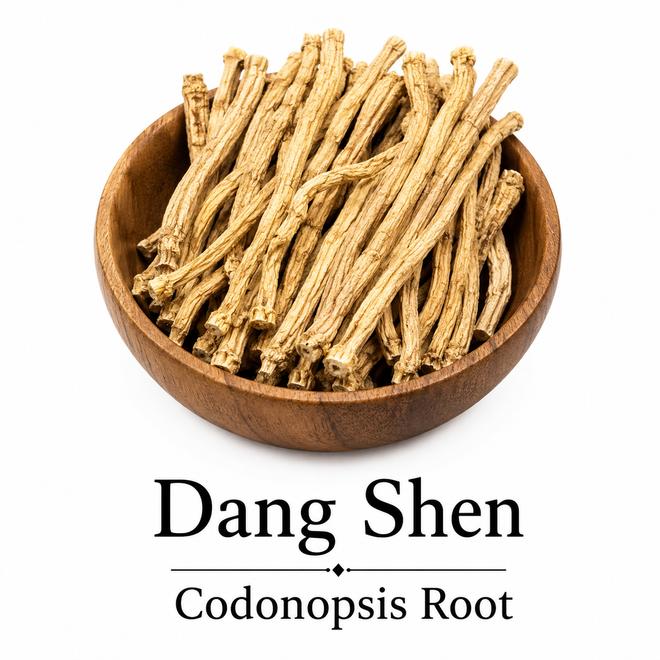
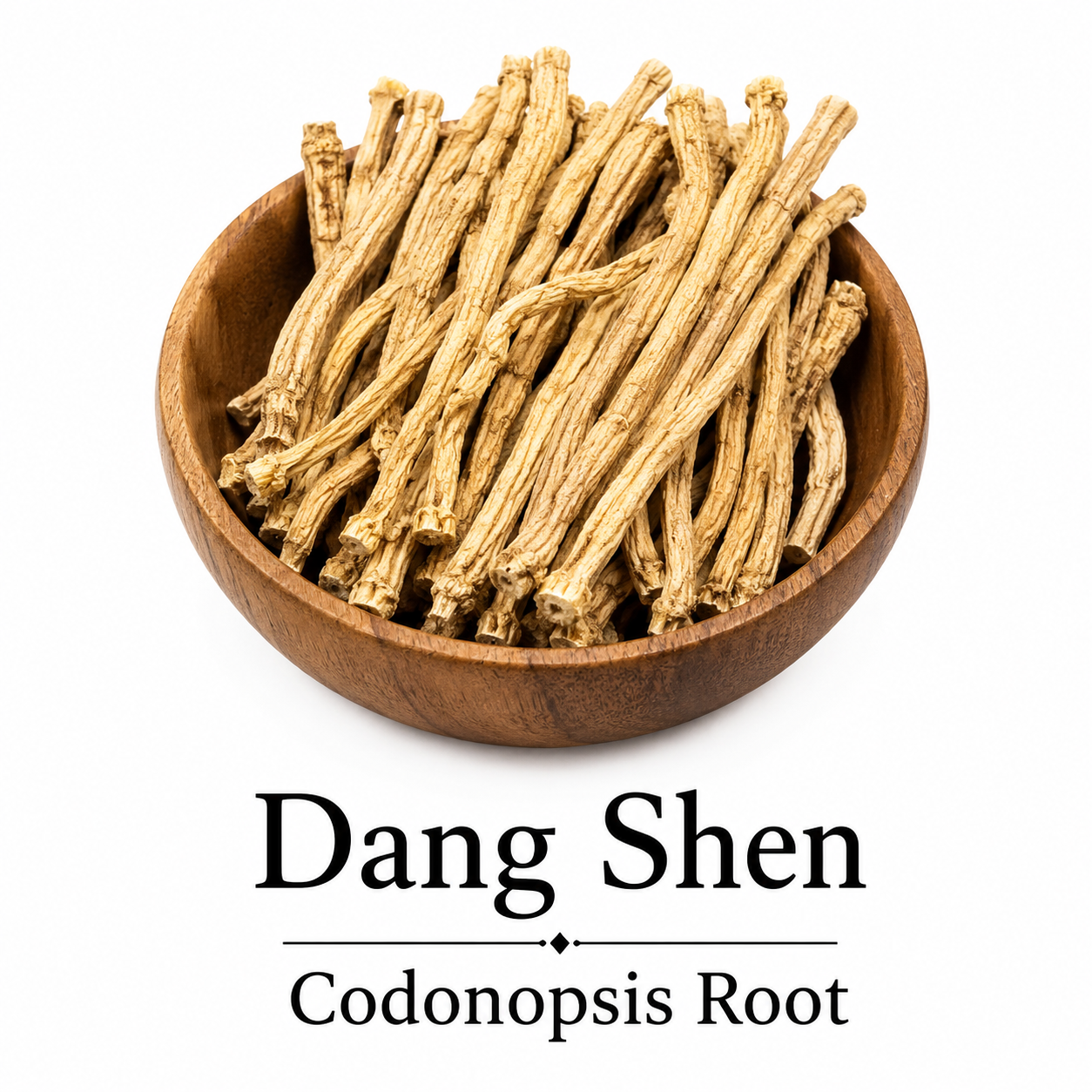
What High-Quality Dang Shen Looks Like
- Long clean roots or sliced pieces
- Fresh earthy aroma
- Light tan to golden color
- Mild sweet scent
- Clean appearance with minimal breakage
Product Information
Common Name: Codonopsis Root, Poor Man’s Ginseng, Bonnet Flower Root
Botanical Name: Codonopsis pilosula
Pin Yin Name: Dang Shen
Package Size: 1 lb
Form: Cut / Sliced
Origin: China
Brand: Plum Flower
Other Ingredients: None
Properties: Sweet, Neutral
Channels: Lung, Spleen
Cautions
Do not use if pregnant or nursing unless advised by a qualified healthcare professional.
If you have a medical condition or take medications, consult your healthcare provider before use.
Frequently Asked Questions
Can I drink Dang Shen daily?
Many customers incorporate Dang Shen into daily wellness routines.
Does Dang Shen contain caffeine?
No. Dang Shen is naturally caffeine-free.
Is Dang Shen the same as ginseng?
No. Dang Shen is commonly considered a gentler alternative.
Can Dang Shen be used in tea?
Yes. It is commonly brewed as tea or used in decoctions and soups.
What herbs pair well with Dang Shen?
Astragalus, Goji Berry, Red Dates, and Licorice Root are popular pairings.
Why Buy Dang Shen from 1st Chinese Herbs?
- Trusted since 1994
- Species-authenticated herbs
- Carefully sourced products
- Lab-tested quality
- Traditional herbal expertise
- Fast shipping
These statements have not been evaluated by the Food and Drug Administration. This product is not intended to diagnose, treat, cure, or prevent any disease.
PubMed & Research on Dang Shen
Modern research continues to explore Codonopsis Root and its traditional applications related to vitality, immune wellness, digestion, and botanical compounds.
1. Comprehensive Review of Codonopsis pilosula (2024)
This review examines the pharmacological activity and traditional uses of Dang Shen.
2. Biological Activities of Codonopsis Root (2024)
This review discusses major active compounds and traditional applications.
3. Codonopsis Polysaccharides and Immune Support
Research examining immune-supportive botanical compounds found in Codonopsis.
4. Codonopsis and Digestive Wellness
Research exploring gut microbiota and digestive wellness support.
5. Codonopsis and Fatigue Support Research
Research investigating traditional use related to vitality and endurance.
Research on herbs is ongoing. Studies examine isolated compounds, extracts, traditional preparations, and formulas. Results may vary depending on dosage, preparation, and individual constitution.