

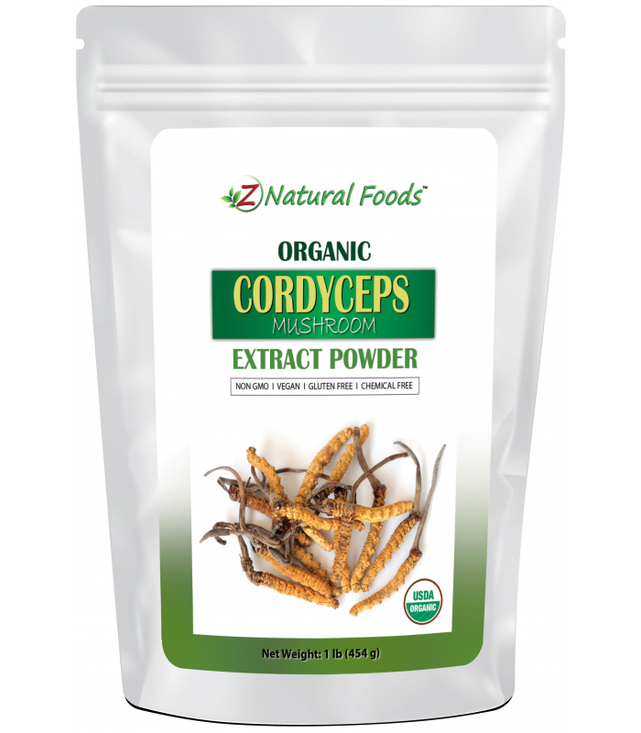
Organic Cordyceps Mushroom Extract Powder (1 lb) — Energy, Endurance & Immune Support
Cordyceps is one of the most famous “tonic mushrooms” in Traditional Chinese Medicine (TCM), traditionally used to support vitality, stamina, and healthy lung + kidney function in classical pattern language. Today, cordyceps extracts are also studied for bioactive compounds like polysaccharides and nucleosides (including adenosine and cordycepin), which may influence immune signaling and cellular energy pathways.
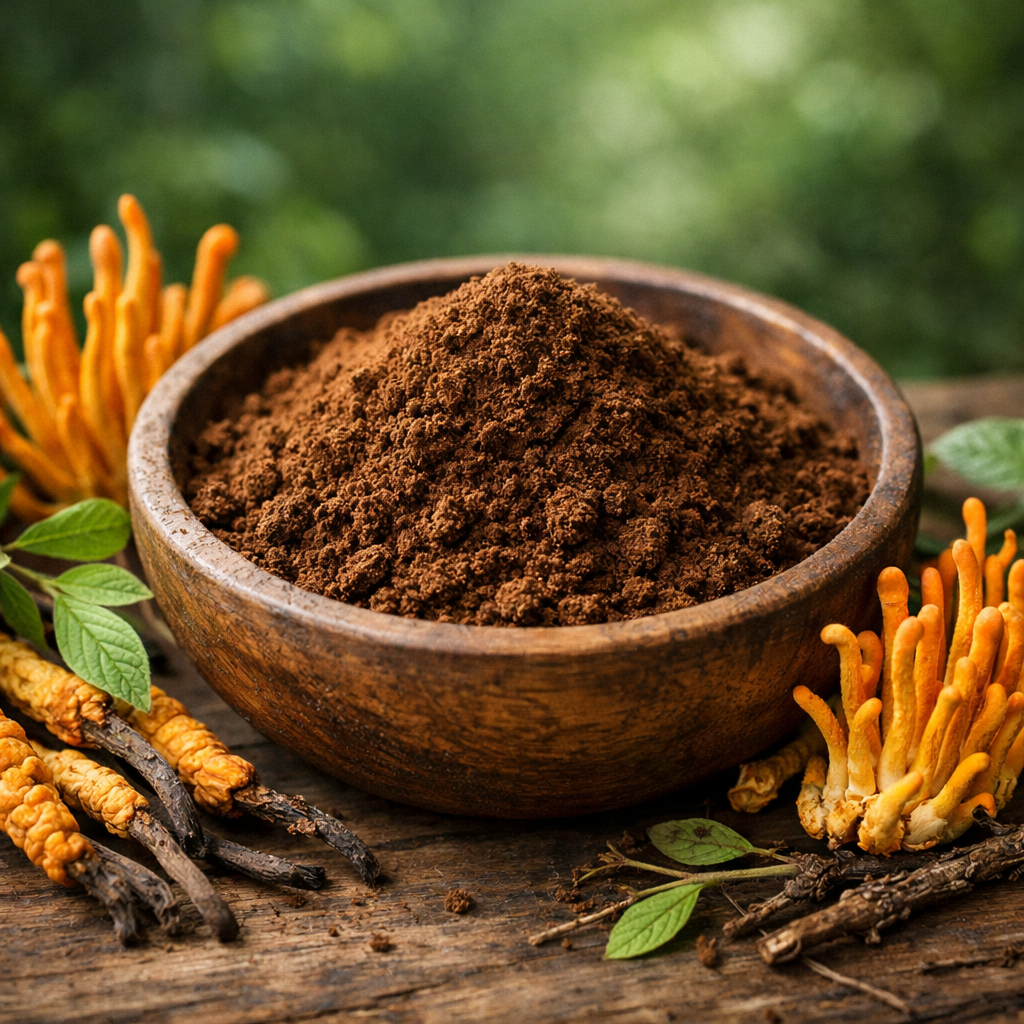
Quick summary: Organic cordyceps extract powder for easy daily use (mix into drinks/food or encapsulate). Great for people building consistent energy and endurance routines.
Quick Facts (Product Details)
| Common Name | Cordyceps Mushroom |
| Label Name | Cordyceps militaris |
| Traditional Name | Dong Chong Xia Cao |
| Form | Organic Extract Powder |
| Package Size | 1 lb (bulk) |
| Origin | China |
| Brand | Z Naturals |
| Dietary Attributes | USDA Organic, Vegan, Gluten-Free, Non-GMO |
| Caution | Avoid if pregnant or nursing. See safety section for more. |
What Is Cordyceps?
Buying tip: When comparing brands, look for (1) species/material listed, (2) extract ratio, and (3) testing for contaminants.
What Cordyceps Is Traditionally Used For (TCM) + How People Use It Today
In TCM tradition, cordyceps is described as a tonic with a warm, sweet nature that supports vitality and foundational energy. In modern wellness language, customers most often use cordyceps extract powder for:
- Daily energy support (steady, not “jittery” energy)
- Endurance support for workouts and active lifestyles
- Respiratory comfort in dry/seasonal environments (traditional “lung support” context)
- Immune system support as part of healthy habits
- Resilience routines during demanding seasons
How Cordyceps Works (Science in Plain English)
1) Polysaccharides (immune signaling support)
Recent reviews highlight cordyceps polysaccharides as widely studied for immunomodulatory activity in experimental models, including effects on immune cell function and signaling molecules.
2) Nucleosides (including adenosine) + cordycepin
Many cordyceps papers discuss nucleosides as characteristic constituents. Cordycepin (especially associated with C. militaris in some contexts) is researched for pathways related to oxidative stress and inflammation signaling in preclinical studies.
Note: Mechanisms and preclinical research don’t guarantee a specific outcome for every person. Individual results vary.
Understanding Extract Ratios & Ingredient Markers
What a 3:1 extract means
A 3:1 extract means roughly 3 parts raw cordyceps material were used to create 1 part concentrated extract powder, concentrating some naturally occurring constituents compared to non-extract powders.
“Cordycepic acid” clarification
Some labels mention “cordycepic acid.” In scientific literature, D-mannitol was historically mistaken as “cordycepic acid” and has been discussed as a major compound and potential quality marker in cordyceps.
How to Use Organic Cordyceps Extract Powder
Best ways to take it
- Warm drinks: coffee, tea, cacao, warm water
- Smoothies: blends well with cinnamon, cacao, nut butters
- Food: oatmeal, broths, soups
- Capsules: for convenience and consistent dosing
Practical dosing approach (conservative)
Because extracts vary, start with a small amount for 7–10 days, then adjust gradually. Many people prefer morning or early afternoon as part of an energy routine.
Sensitivity tip: If you’re new to mushroom extracts, begin lower and increase slowly.
How to Choose a High-Quality Cordyceps Supplement
Quality can vary by species, cultivation, and contamination risk.
1) Confirm identity
Look for clear labeling of the cordyceps material used (species and whether it’s fruiting body or mycelium).
2) Look for testing (especially heavy metals)
Cordyceps materials can contain toxic metals depending on sourcing and environment. A PubMed Central study profiling metals detected toxic metals like Cd, Pb, and As in cordyceps samples—one reason third-party testing matters.
3) Prefer transparent extract details
Extract ratio and meaningful markers (polysaccharides, nucleosides) help you compare potency and value more fairly.
Cautions, Interactions & Who Should Avoid Cordyceps
- Pregnancy/nursing: Avoid due to insufficient safety evidence.
- Autoimmune conditions: Use caution; consult your clinician if you use immune-modulating medications.
- Surgery/bleeding risk: If you’re on blood thinners or have upcoming surgery, consult your clinician first.
- Stop if adverse reactions occur and consult a healthcare professional.
When to seek medical care: persistent fatigue, shortness of breath, chest pain, fainting, or any severe symptoms should be evaluated by a clinician.
Storage Tips (Keeps Your Powder Potent)
Reseal tightly after each use and store in a cool, dark, dry place. If packaged in a pouch, press air out before resealing to limit moisture exposure.
FAQs About Cordyceps
What does “cordycepic acid” mean?
Scientific literature discusses that D-mannitol was once mistaken as “cordycepic acid,” and it has been used as a quality marker in some contexts.
What are cordyceps polysaccharides known for?
Reviews describe cordyceps polysaccharides as studied for immunomodulatory activity in experimental models (immune signaling support).
Is testing for heavy metals important?
Yes. Research profiling metals in cordyceps samples detected toxic metals, which is why reputable sourcing and testing are important.
References
D-mannitol mistaken as “cordycepic acid” and discussed as a cordyceps quality marker (PMC).
2024 review: cordyceps polysaccharides and immunomodulatory effects (PubMed).
Metals profiling in cordyceps samples; toxic metals detected (PMC)
Taxonomy/overview reference noting Ophiocordyceps sinensis naming
http://www.ncbi.nlm.nih.gov/pmc/articles/PMC3121254/
Healthline: Cordyceps Benefits
WebMD: Cordyceps Overview
Verywell Health: Cordyceps Benefits
National Center for Biotechnology Information: Polysaccharides in Cordyceps
2 Reviews
-
Cordyceps
Just started using it, so will rate at a later time
-
Very pleased...
I am taking this cordyceps powder as a part of the Buhner herbal protocol for Lyme disease and the protocol is working great. The product seems to be of good quality and the price is reasonable. Another thing I love about 1st Chinese Herbs is that they work hard to ensure low heavy metal content in their herbs. I buy my herbs here whenever possible.