

Gan Cao (Licorice Root): The Sweet Herb That Holds TCM Formulas Together
Gan Cao (Licorice Root, Glycyrrhiza uralensis) is one of the 50 fundamental herbs in Traditional Chinese Medicine (TCM). Revered for over 2,000 years, it is used to harmonize formulas, support digestion and respiratory comfort, ease occasional stress, and “tonify Qi” in the Heart, Lung, and Spleen channels.
On this page, you’ll find a clear, research-supported, and practical guide to using Gan Cao safely and wisely—without over-promising “miracle” results.
Quick Facts: Gan Cao at a Glance
- Common names: Licorice Root, Sweet Root, Chinese Licorice
- Botanical name: Glycyrrhiza uralensis (Chinese licorice)
- Chinese / Pin Yin name: Gan Cao
- TCM properties: Sweet, slightly cold
- Channels / Meridians: Heart, Lung, Spleen
- Traditional roles: Tonifies Qi, moistens the Lungs, clears “heat & toxicity,” harmonizes formulas
- Key compounds: Glycyrrhizin, flavonoids, triterpenes, coumarins
Important: The information below is educational and not a substitute for medical advice. Always work with your licensed healthcare provider before starting any herb—especially licorice.
What Is Gan Cao (Licorice Root)?
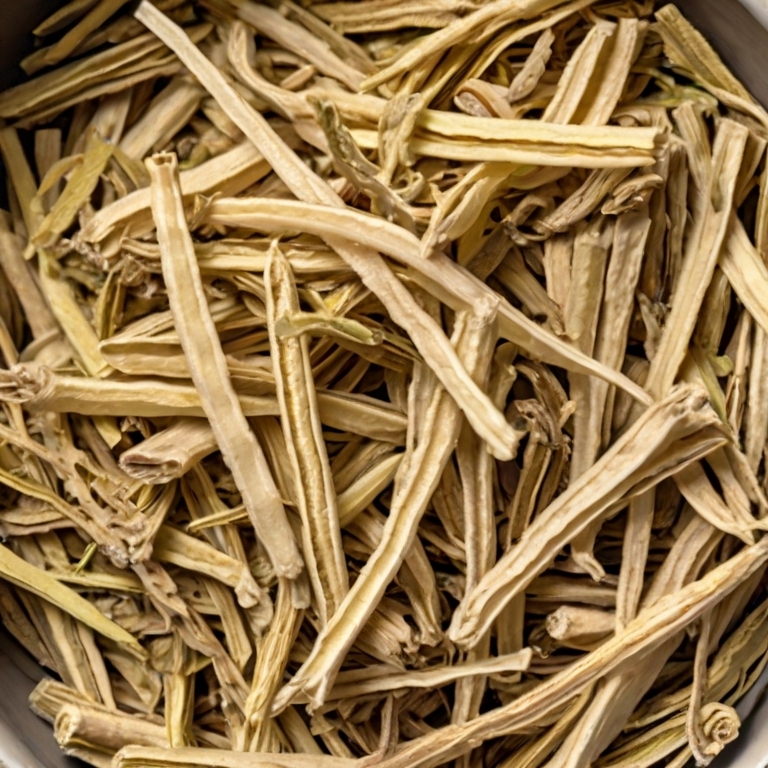
Gan Cao is the dried root of the legume Glycyrrhiza uralensis, often called Chinese licorice. It grows in northern Asia and has been used in East Asian medicine to flavor formulas, “harmonize” other herbs, and soften harsh, drying, or heating ingredients.
In TCM texts, Gan Cao is so widely used that practitioners sometimes joke a formula “looks naked” without it. Because it tastes naturally sweet, it can make otherwise strong-tasting decoctions more pleasant to drink—without adding sugar.
Gan Cao in TCM: How Does It Work Energetically?
In Traditional Chinese Medicine, Gan Cao is classified as:
- Taste: Sweet
- Temperature: Slightly cold (some sources say neutral to slightly warm depending on preparation)
- Channels entered: Heart, Lung, Spleen (sometimes also Stomach)
Because of this profile, Gan Cao is traditionally used to:
- Tonify Qi of the Spleen and Heart
- Moisten the Lungs and ease dry, irritated throat or cough (in appropriate patterns)
- Clear “heat and toxicity” in the context of TCM patterns
- Moderate and harmonize the actions of other herbs in a formula
In plain language: it’s the “peacemaker” herb that smooths edges, supports digestion and energy, and makes many classic formulas more balanced.
Modern Research on Licorice Root (What Science Is Exploring)
Modern research has looked at licorice extracts and isolated compounds (especially glycyrrhizin and various flavonoids) for several potential actions:
- Anti-inflammatory support: Lab and animal studies suggest licorice extracts and specific triterpenes/flavonoids can reduce inflammatory mediators like TNF-α, MMPs, and prostaglandins.
- Antiviral and antimicrobial activity: Licorice components have shown antiviral activity against several respiratory and other viruses in vitro, and antimicrobial effects against certain bacteria and fungi.
- Immunomodulatory effects: Licorice polysaccharides and related compounds may influence immune cell activity and oxidative stress, potentially supporting balanced immune responses.
- Gastrointestinal support: Experimental models suggest licorice and its derivatives may help support the gastric lining and manage oxidative stress in the GI tract.
Very important: Most of this research is preclinical (cell and animal studies) or small human trials. It does not prove licorice will treat or cure specific diseases in humans. It simply helps explain some of the traditional uses and suggests directions for future research.
What Do People Actually Use Gan Cao For?
1. Digestive Comfort & “Qi Support”
In TCM, Gan Cao helps “tonify Spleen Qi,” which is associated with digestive strength, nutrient absorption, and stable energy. Practitioners often include small amounts in formulas aimed at occasional bloating, poor appetite, or fatigue related to weak digestion.
2. Throat & Respiratory Comfort
Gan Cao has a moistening, soothing quality in traditional use. It is added to many formulas for a dry, scratchy throat or occasional cough, especially when paired with herbs that help transform phlegm or clear “Lung heat.”
3. Stress, Adaptation & Energy
Gan Cao is often considered a gentle adaptogen when used appropriately. Some practitioners use it in formulas that support the body’s response to occasional stress, help maintain steady daytime energy, and support a balanced stress response.
4. Harmonizing Other Herbs
Perhaps Gan Cao’s most famous role is as the “harmonizer” of formulas. It can:
- Soften harsh or overly drying herbs
- Help different ingredients “work together” more smoothly
- Add a slight sweetness to make teas easier to drink
This is why you’ll see Gan Cao tucked into a large percentage of classical TCM formulas.
How to Use Gan Cao (Safely)
Always ask your licensed practitioner about dose and duration. Licorice is a powerful herb—overdoing it or using it long-term without supervision can cause real problems (especially with blood pressure and electrolytes).
Common Traditional Forms
- Cut / sliced root: Simmer gently as part of a decoction (tea) with other herbs.
- Powder: Can be used in capsules, mixed into warm water, or added to formulas.
- Honey-baked (Zhi Gan Cao): Stir-fried with honey for a warmer, more tonifying profile, often used in classic “Qi tonifying” formulas.
Typical Traditional Use (for reference only)
- Decoction: Many formulas use 3–9 grams of Gan Cao per day, combined with other herbs.
- Powder: Often a smaller dose, divided through the day in capsules or mixed in warm water.
These are traditional ranges—not personal medical advice. Your dose should come from a qualified professional who understands your health history and medications.
Simple Home-Style Uses (With Practitioner Approval)
- Sweetening and softening decoctions: Add a small slice or pinch of powder to bitter formulas to make them more palatable.
- Daily “Qi tea” blends: Often combined with herbs like Astragalus (Huang Qi), Jujube, or Ginger in practitioner-guided formulas.
Safety, Side Effects & Who Should Avoid Gan Cao
This is where licorice stops being “just a nice sweet herb” and becomes something to treat with real respect.
How Licorice Can Affect Blood Pressure & Electrolytes
Licorice contains glycyrrhizin, which can affect cortisol metabolism and mimic mineralocorticoid activity in the body. In some people, this can lead to:
- Elevated blood pressure
- Fluid retention and swelling
- Low potassium (hypokalemia)
Even modest daily intake of glycyrrhizic acid (around 100 mg per day) has been linked to measurable increases in blood pressure in controlled trials, and numerous case reports have documented more serious reactions with higher intake or long-term use.
People Who Should Use Extreme Caution (or Avoid It)
Gan Cao in non-deglycyrrhizinated forms is generally not recommended, or should be used only with close supervision, for people who:
- Have high blood pressure, heart disease, or a history of stroke
- Have kidney disease, edema, or low potassium levels
- Are pregnant or trying to conceive (licorice is not considered pregnancy-safe)
- Are taking diuretics, blood pressure medications, corticosteroids, blood thinners, or certain heart rhythm medications
DGL vs. Whole-Root Licorice
Some supplements use deglycyrrhizinated licorice (DGL), where most glycyrrhizin has been removed. DGL appears to carry a lower risk of affecting blood pressure and electrolytes, but you should still discuss it with your healthcare provider, especially if you have underlying conditions.
Bottom line: Licorice is not an “anything goes” herb. The same sweet root that helps harmonize formulas can cause real problems if taken in high doses or for long periods without supervision.
How to Choose High-Quality Gan Cao
When you’re putting something this powerful into your body, quality matters.
- Identity & species: Look for Glycyrrhiza uralensis clearly listed on the label for Chinese licorice.
- Lab testing: Reputable brands test for heavy metals, pesticides, and microbial contamination.
- Processing method: Choose unsulfured, properly dried herbs; honey-baked forms should clearly state how they were processed.
- Transparent sourcing: Ethical harvesting and clear origin information help ensure a cleaner, more consistent product.
At 1st Chinese Herbs, we focus on:
- Nuherbs lab-tested products: Each batch is tested in-house and by an independent third-party lab with advanced equipment (HPLC, GC, FTIR, atomic absorption, etc.).
- Testing for over 200 pesticides, heavy metals, and microbacteria on Nuherbs products.
- Farm-to-bag transparency whenever possible, so you know what you’re putting in your cup.
How Gan Cao Compares to Other “Sweet” Herbs
- Gan Cao vs. Honey: Both sweeten decoctions, but honey is a food; Gan Cao is a medicinal herb with strong pharmacologic actions.
- Gan Cao vs. Stevia: Stevia sweetens but doesn’t harmonize formulas or tonify Qi in TCM terms.
- Gan Cao vs. Honey-baked Gan Cao (Zhi Gan Cao): Honey-baked is considered warmer and more tonifying, often used in Qi-deficiency patterns under professional guidance.
Gan Cao (Licorice Root) FAQ
Can I drink licorice root tea every day?
Many people drink small amounts of licorice tea without obvious problems, but daily or long-term use can raise blood pressure and lower potassium in susceptible individuals—even at doses once considered “safe.” Always ask your healthcare provider before using it daily, especially if you have any heart, kidney, or blood pressure issues.
Is Gan Cao safe for children?
Licorice has been used traditionally in pediatric formulas, but dosing is very specific and should be guided by a qualified pediatric practitioner. Do not give licorice products to children without professional guidance.
Does Gan Cao affect blood sugar or weight?
Research on licorice and blood sugar or weight is still limited and mixed. While some preliminary studies explore metabolic effects, current evidence is not strong enough to recommend Gan Cao as a weight-loss or blood-sugar herb. Work with your healthcare team for any metabolic concerns.
Can I use Gan Cao if I’m already on multiple medications?
Licorice can interact with several medication classes, including diuretics, blood pressure medications, anticoagulants, hormone therapies, and corticosteroids. If you take prescription medications, do not add licorice root without talking to your doctor or pharmacist.
What does Gan Cao taste like?
Gan Cao tastes naturally sweet, with a slightly earthy aftertaste. Many people find it pleasant, but a little goes a long way.
Product Details: Gan Cao (Licorice Root) – Lab-Tested Organic Powder
- Common Name: Licorice Root, Sweet Root
- Botanical Name: Glycyrrhiza uralensis root
- Pin Yin Name: Gan Cao
- Other Ingredients: None (no fillers or additives)
- Package Size: One Pound (1 lb)
- Form: Fine Powder, Lab-Tested
- How to Use: Decoctions, capsules, poultices, tinctures, compresses (follow professional guidance)
- Origin: China
- Brand: Nuherbs Lab Tested
Cautions: Do not take during pregnancy. Do not use if you have high blood pressure, heart disease, kidney disease, or low potassium unless your licensed healthcare provider specifically approves and monitors use. Excessive or prolonged use may lead to elevated blood pressure, fluid retention, and electrolyte imbalances. Stop use and seek medical care if you notice swelling, shortness of breath, muscle weakness, severe headaches, or irregular heartbeat.
Traditional TCM Functions:
- Tonifies Heart Qi
- Tonifies Spleen Qi
- Dispels phlegm and helps expel mucus
- Moistens the Lungs
- Clears heat and “relieves toxicity”
- Harmonizes other herbs in a formula
Related Links & How to Learn More
Legal & Safety Disclaimer
These statements have not been evaluated by the Food and Drug Administration. This product and information are not intended to diagnose, treat, cure, or prevent any disease. Always consult your healthcare provider before starting any new herb, especially if you are pregnant, nursing, have a medical condition, or take prescription medications.
References:
1) HTTPS://WWW.NCBI.NLM.NIH.GOV/PMC/ARTICLES/PMC3123991/
(2) HTTPS://WWW.NCBI.NLM.NIH.GOV/PUBMED/12804082
(3) HTTPS://WWW.NCBI.NLM.NIH.GOV/PUBMED/24520776
HTTP://WWW.YOURHEALTH.COM.AU/INFORMATION-ON-NATURAL-MEDICINE-HERBS-DETAIL.PHP?NAME=LICORICE
HTTPS://HERBPATHY.COM/USES-AND-BENEFITS-OF-GAN-CAO-CID5080