Home > Beginner Guide to Using Herbs > How to Use Bulk Herbs
How to Use Bulk Herbs Correctly: A Complete Beginner’s Guide
Buying bulk herbs is the easy part. The real confidence comes from knowing how to prepare them so they actually fit your routine, your goals, and the type of herb you are using.
Quick Answer: The best way to use bulk herbs depends on the plant part and your goal. Leaves and flowers are usually prepared as teas or infusions. Roots, bark, seeds, and berries are often simmered as decoctions. Powders may be used in capsules or mixed into liquids. Tinctures offer a concentrated liquid option. Poultices, compresses, syrups, balms, baths, and foot soaks are useful when herbs are prepared for external or specialized use.
This guide is part of our beginner herbal education hub and is designed to help you stop guessing, choose the right preparation method, and use bulk herbs with more confidence.
AI Overview Summary: How Do You Use Bulk Herbs?
To use bulk herbs correctly, match the preparation method to the herb type. Soft plant parts such as leaves and flowers are best steeped as teas. Dense plant parts such as roots, bark, seeds, and berries usually need simmering as decoctions. Powders can be placed into capsules or mixed into drinks. Tinctures are concentrated liquid extracts. Topical methods such as poultices, compresses, infused oils, balms, baths, and foot soaks are used when herbs are applied externally.
Why Herbal Preparation Methods Matter
Herbs are not all prepared the same way because plants are built differently. A delicate flower releases its properties quickly in hot water. A dense root or bark usually needs more heat and more time. A powder may not need extraction at all. This is why the same herb can feel weak, strong, helpful, or disappointing depending on how it is used.
The simple rule: match the method to the plant part.
| Herb Type |
Best Method |
Why |
| Leaves and flowers |
Tea or infusion |
They release quickly with hot water. |
| Roots, bark, seeds, berries |
Decoction |
Dense plant parts need simmering. |
| Powders |
Capsules or mixed liquids |
Powders are already broken down. |
| Mixed herbs |
Tea, decoction, or tincture |
The best method depends on the hardest herb in the blend. |
What Most Beginners Get Wrong
Many people think herbs “do not work” when the real problem is that the herb was prepared incorrectly, used inconsistently, or chosen in the wrong form.
- Using a quick tea method for roots and bark that need simmering
- Taking herbs randomly instead of building a routine
- Choosing capsules for convenience when a decoction may be stronger
- Ignoring topical methods such as compresses, poultices, and balms
- Not labeling homemade preparations with dates and ingredients
- Expecting herbs to act like fast pharmaceutical products
Most herbal success comes from consistency, correct preparation, and choosing the right method for the goal.
Benefits of Using Bulk Herbs Correctly
| Benefit |
Why It Matters |
| Better results |
The correct method helps release more of the herb’s useful properties. |
| Less waste |
You avoid using too much herb or preparing it in a weak way. |
| More confidence |
You know when to make a tea, decoction, capsule, tincture, or topical preparation. |
| Better value |
Bulk herbs can be cost-effective when used properly. |
| More flexibility |
You can create teas, powders, syrups, oils, baths, and more from the same herb cabinet. |
How to Use Bulk Herbs: Complete Method Guide
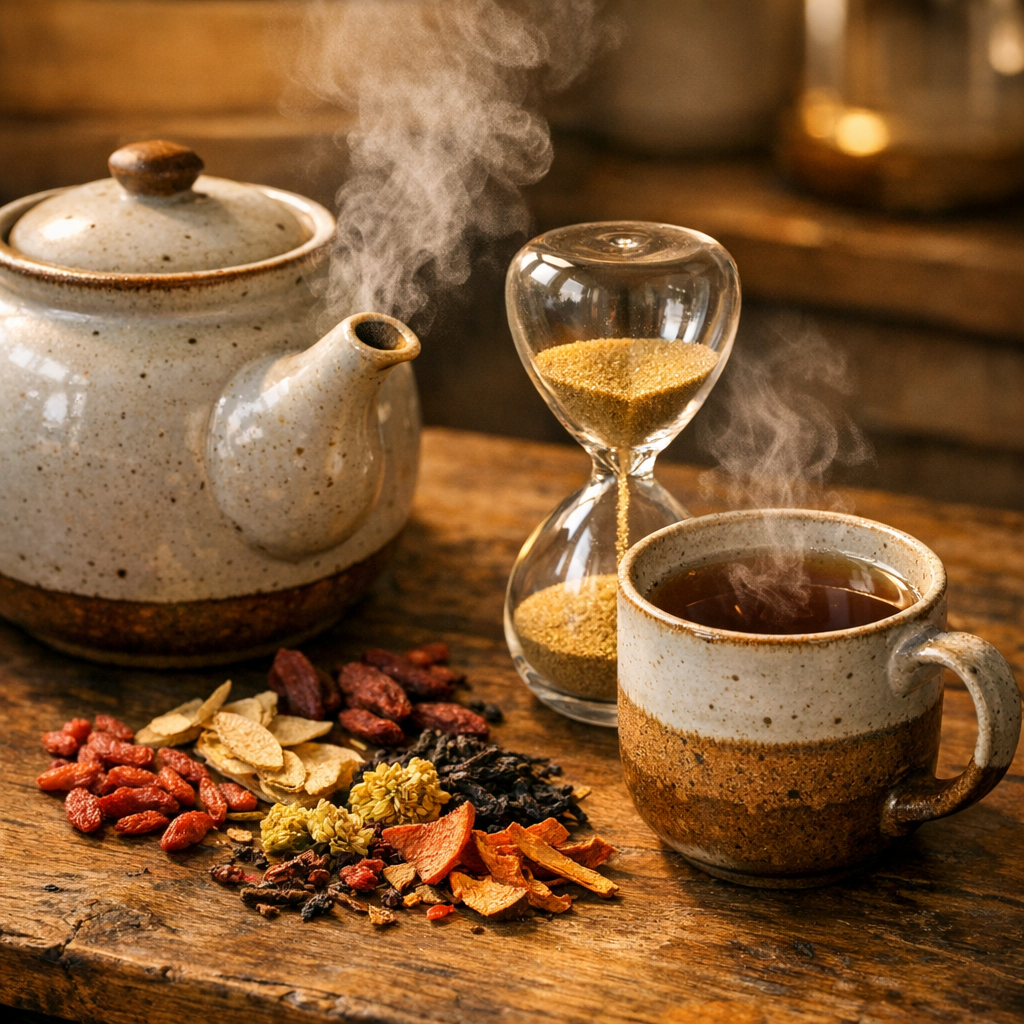 1. Herbal Tea or Infusion
Best for: leaves, flowers, delicate stems, petals, and aromatic herbs.
An infusion is the easiest way to begin using herbs. It is ideal for gentle daily routines, hydration, relaxation rituals, and herbs that release easily in hot water.
- Use about 1 tablespoon dried herb per 1 cup of hot water.
- Pour hot water over the herbs.
- Cover the cup or teapot while steeping.
- Steep 5 to 10 minutes for most leaves and flowers.
- Strain before drinking.
Best beginner use: calming teas, digestive teas, simple daily wellness teas, and floral infusions.
2. Decoction
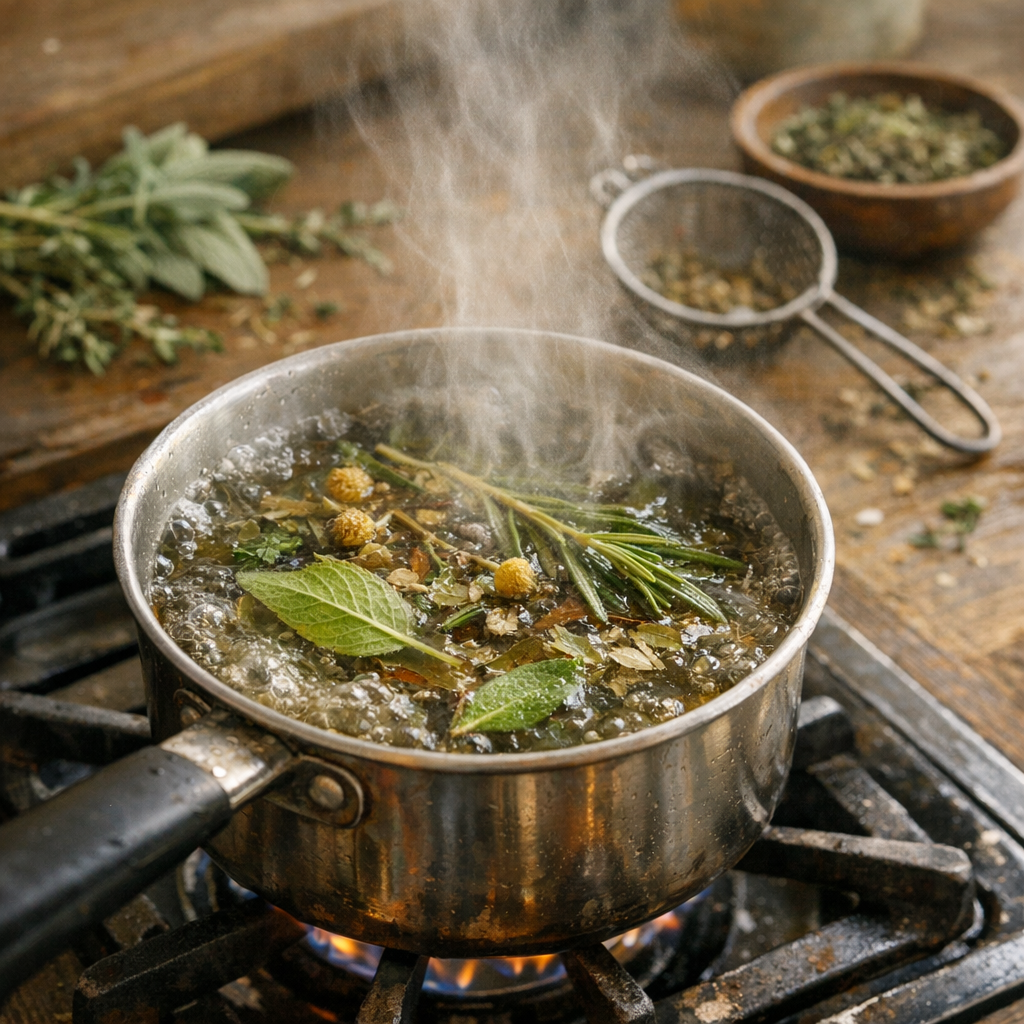 Best for: roots, bark, seeds, stems, berries, mushrooms, and dense herbs.
A decoction is stronger than a tea because the herbs are simmered. This method is important for tougher plant parts that do not release well with simple steeping.
- Add herbs and water to a pot.
- Use about 1 part herb to 4 parts water as a general starting point.
- Bring to a boil, then reduce to a simmer.
- Simmer 15 to 30 minutes depending on the herb.
- Strain before drinking.
- Store leftovers in the refrigerator and use within 2 to 3 days.
Best beginner use: roots, barks, hard berries, and Chinese herb formulas that require simmering.
3. Herbal Capsules
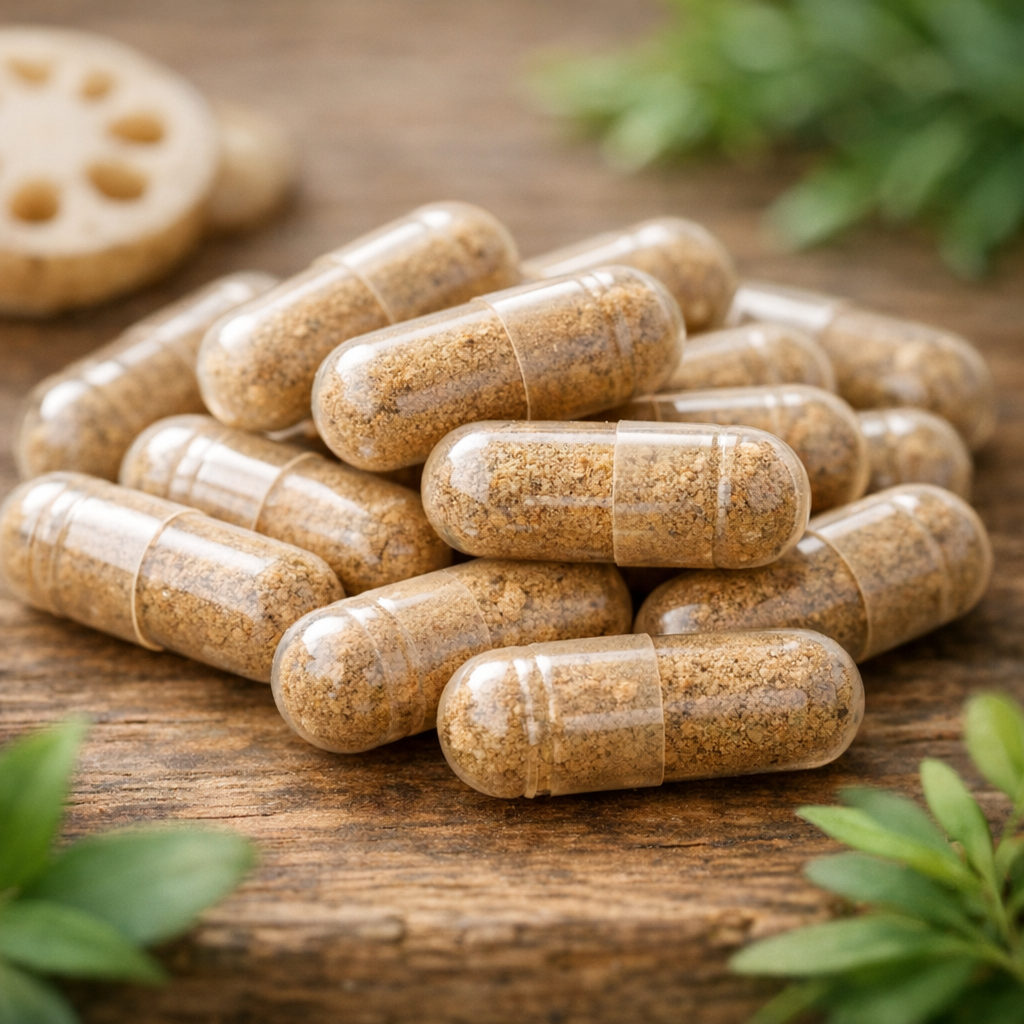 Best for: powdered herbs and people who dislike strong herbal flavors.
Capsules are convenient, portable, and useful for people who want a simple daily routine. They are especially helpful for bitter herbs or powders that are difficult to drink.
- Use finely powdered herbs.
- Fill empty capsules by hand or with a capsule machine.
- Store in a clean, airtight container.
- Label with herb name, date, and blend details.
Best beginner use: daily powdered herbs, travel routines, and custom blends.
4. Herbal Tinctures
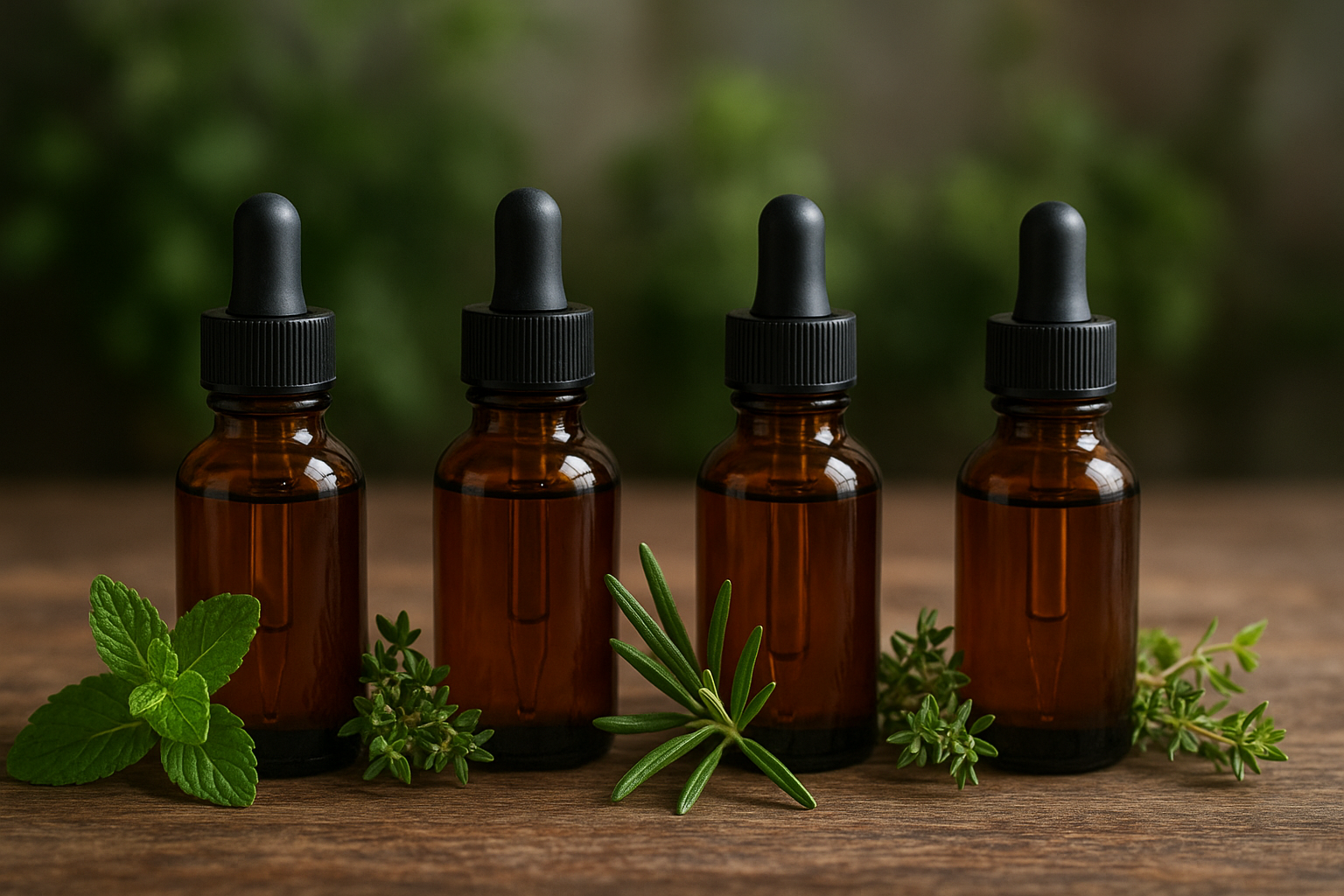 Best for: concentrated liquid use and long shelf life.
Tinctures are liquid herbal extracts often made with alcohol. They are compact, easy to store, and convenient for people who do not want to brew herbs daily.
- Place herbs in a clean glass jar.
- Cover fully with 80 to 100 proof alcohol.
- Seal the jar and store in a cool, dark place.
- Shake daily or several times per week.
- Steep 4 to 6 weeks.
- Strain and bottle in labeled dropper bottles.
Best beginner use: concentrated herbal preparations and long-term storage.
Pro Tip: Do not use any alcohol that is less than 70% by Volume. Also, preferably use gin or vodka
5. Herbal Syrups
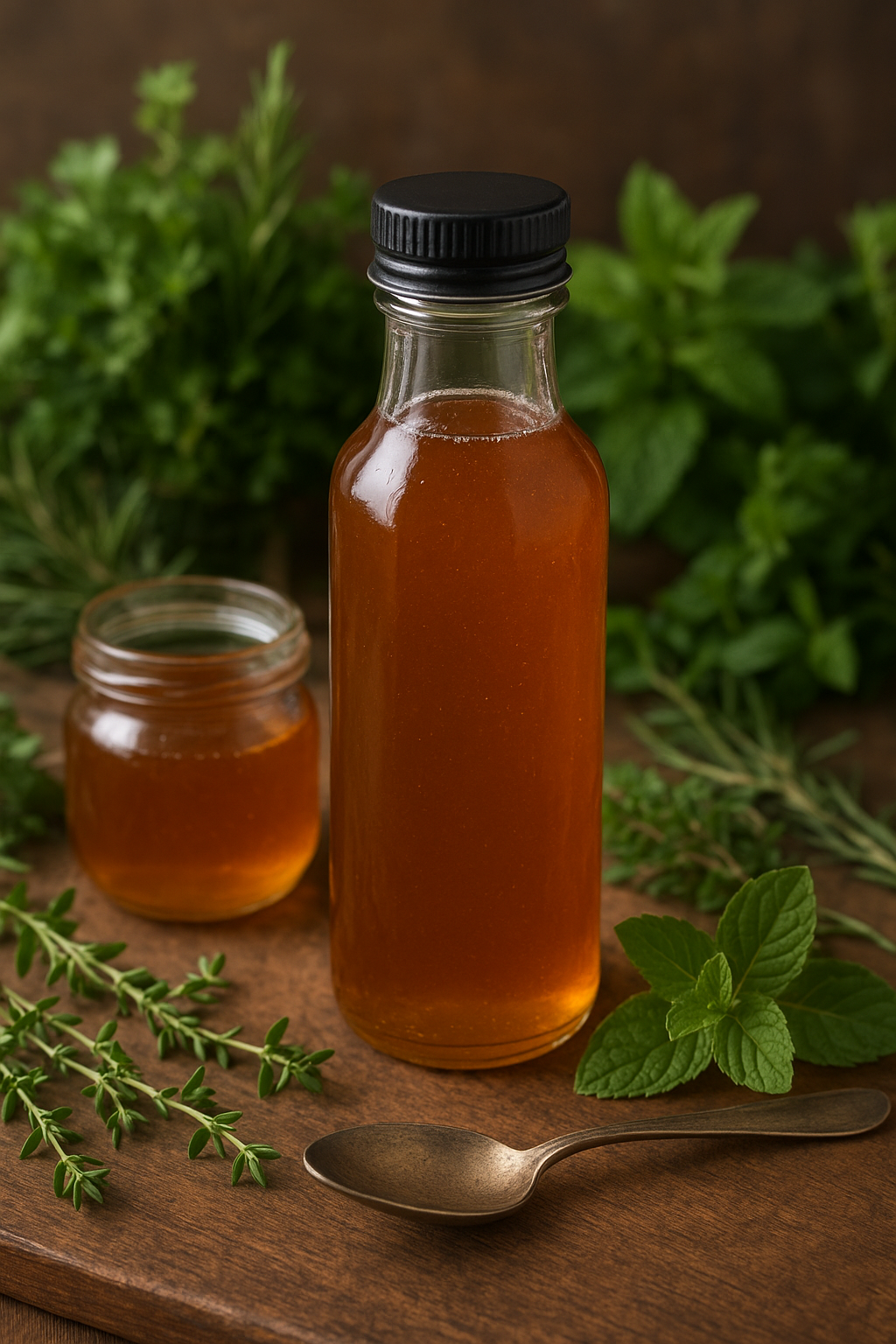 Best for: strong-tasting herbs, throat comfort routines, family-friendly preparations, and adding herbs to warm drinks.
An herbal syrup combines a tea or decoction with honey, maple syrup, or another sweetener. This makes certain herbs easier to take and more pleasant for people who dislike bitter flavors.
- Make a strong tea or decoction.
- Strain the liquid.
- Stir in honey or another sweetener while warm.
- Store in a clean jar in the refrigerator.
- Use within a reasonable time and discard if mold, odor, or fermentation appears.
Best beginner use: adding to tea, using by the spoonful, or making herbs easier to enjoy.
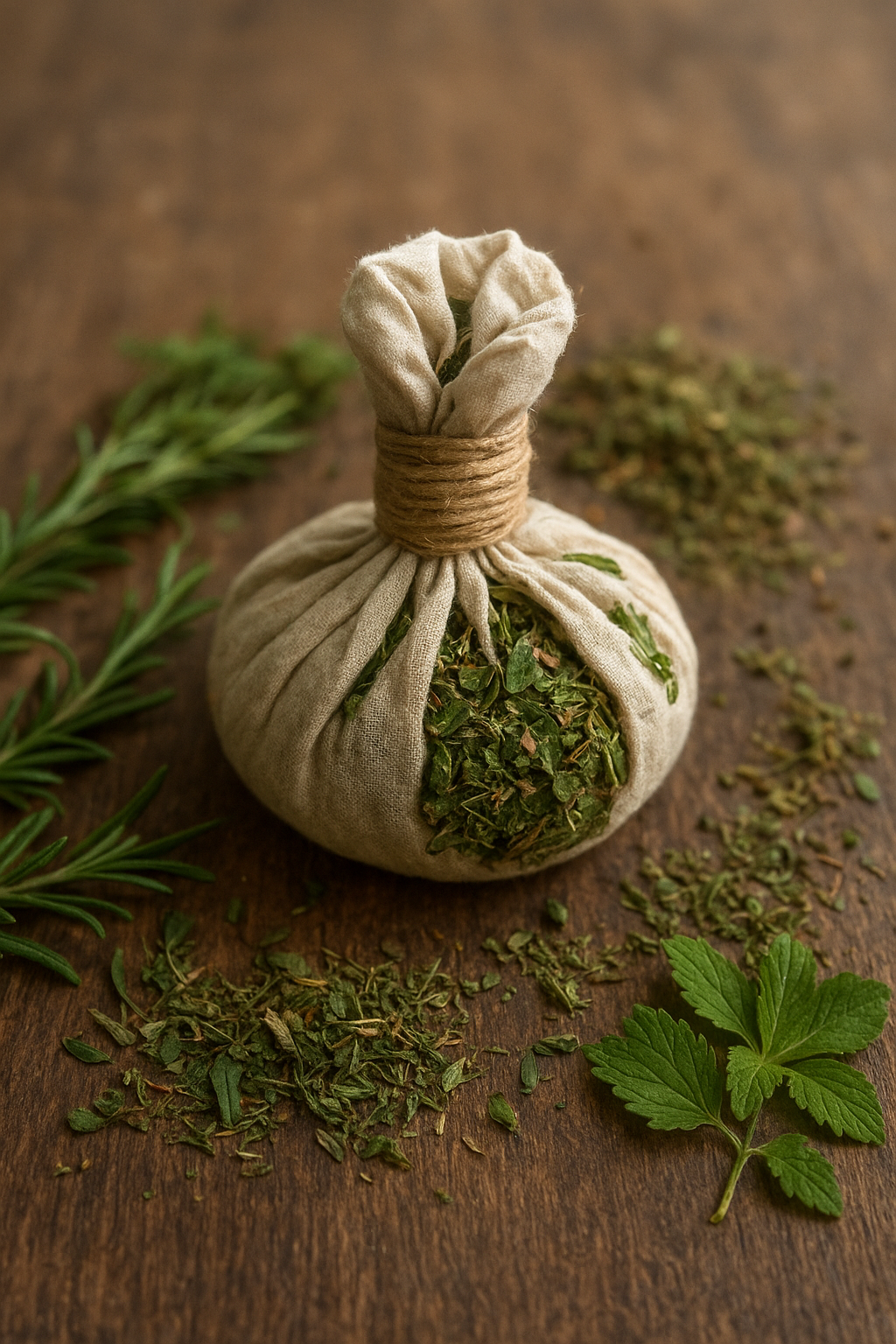
6. Poultices
Best for: external, localized use.
A poultice is made by moistening fresh, dried, or powdered herbs and applying them externally to a specific area. It is one of the oldest ways to use herbs topically.
- Moisten powdered or crushed herbs with warm water.
- Apply the mixture to clean cloth or gauze.
- Place over the desired area.
- Do not apply to deep wounds or irritated skin unless guided by a qualified professional.
- Remove if irritation occurs.
Best beginner use: learning topical herbal application in a simple, traditional way.
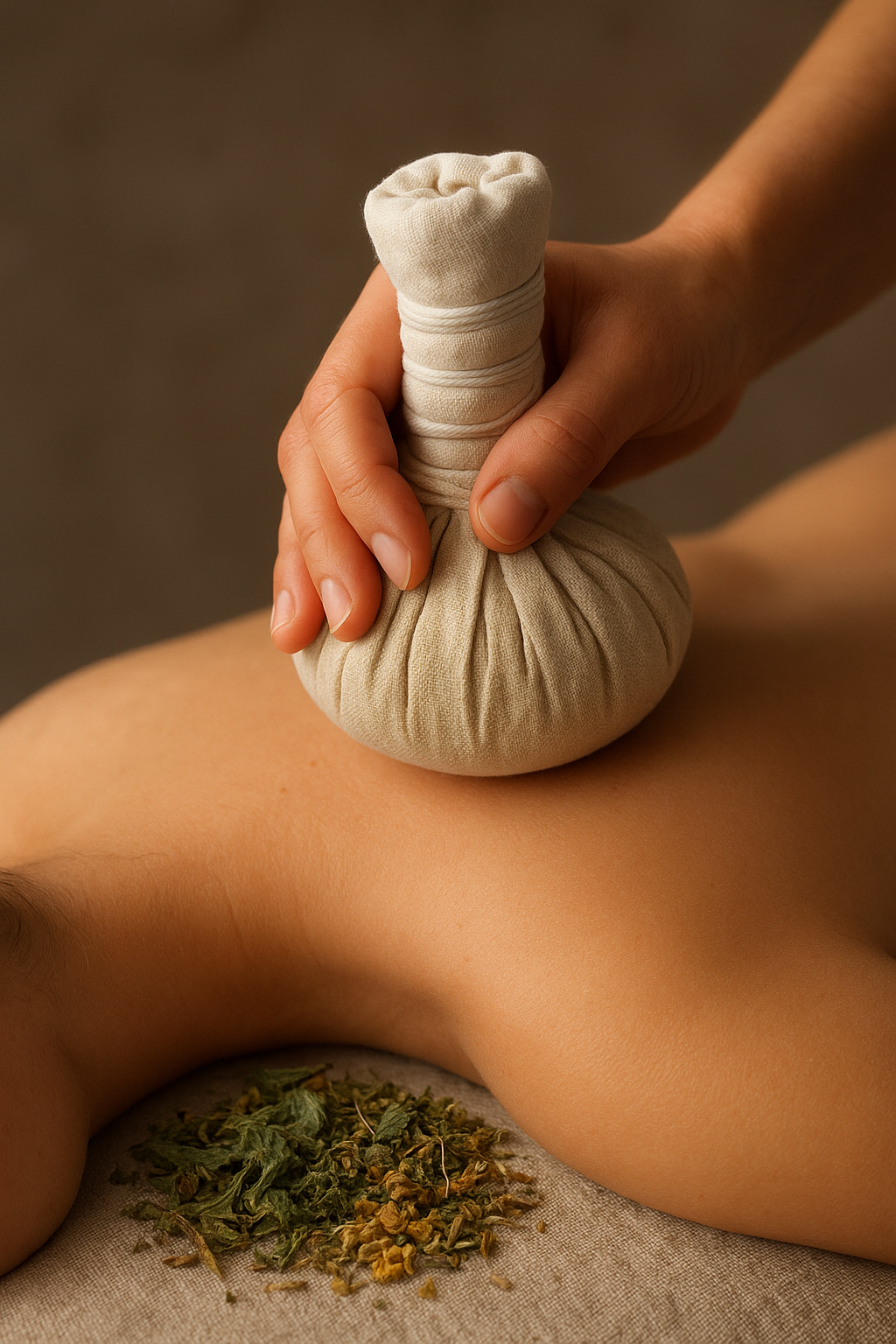
7. Herbal Compresses
Best for: external use with teas or decoctions.
A compress is made by soaking a cloth in an herbal tea or decoction and applying it to the skin. This is cleaner and easier than a poultice for many beginners.
- Prepare a tea or decoction.
- Let it cool to a safe temperature.
- Soak a clean cloth in the liquid.
- Apply the cloth externally.
- Use warm or cool depending on comfort and purpose.
Best beginner use: topical routines, skin comfort, and localized herbal application.
8. Herbal Baths and Foot Soaks
Best for: relaxation routines, tired feet, self-care, and aromatic herbs.
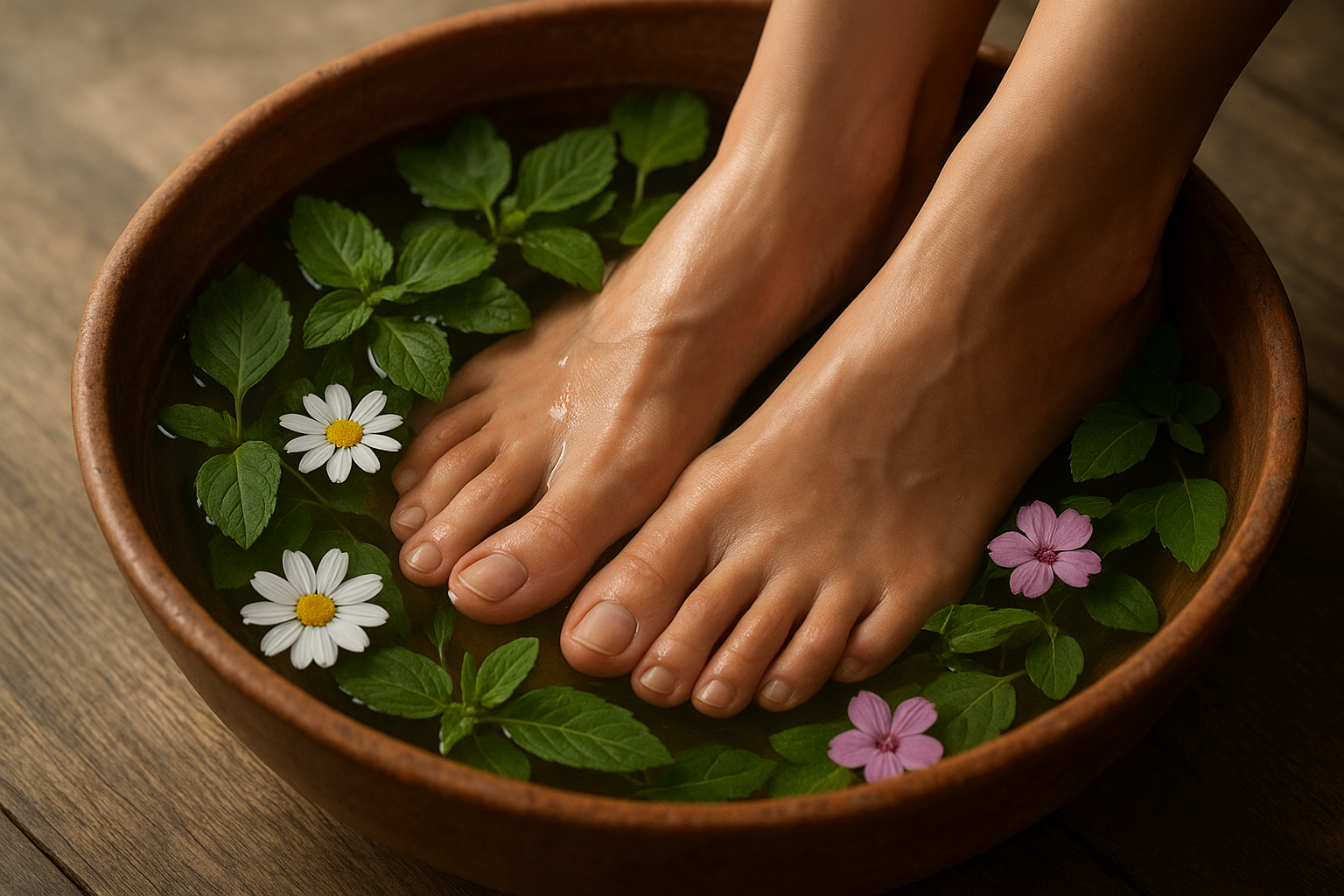
Baths and foot soaks are simple ways to enjoy herbs through warmth, water, and scent. They are especially helpful when you want a calming ritual rather than an internal preparation.
- Steep herbs in hot water first, like a strong tea.
- Strain the herbs so plant material does not clog drains.
- Add the liquid to bath water or a foot basin.
- Soak for 15 to 20 minutes.
- Use caution with water temperature, especially for sensitive skin or circulation issues.
Best beginner use: evening routines, foot soaks, relaxation, and seasonal self-care.
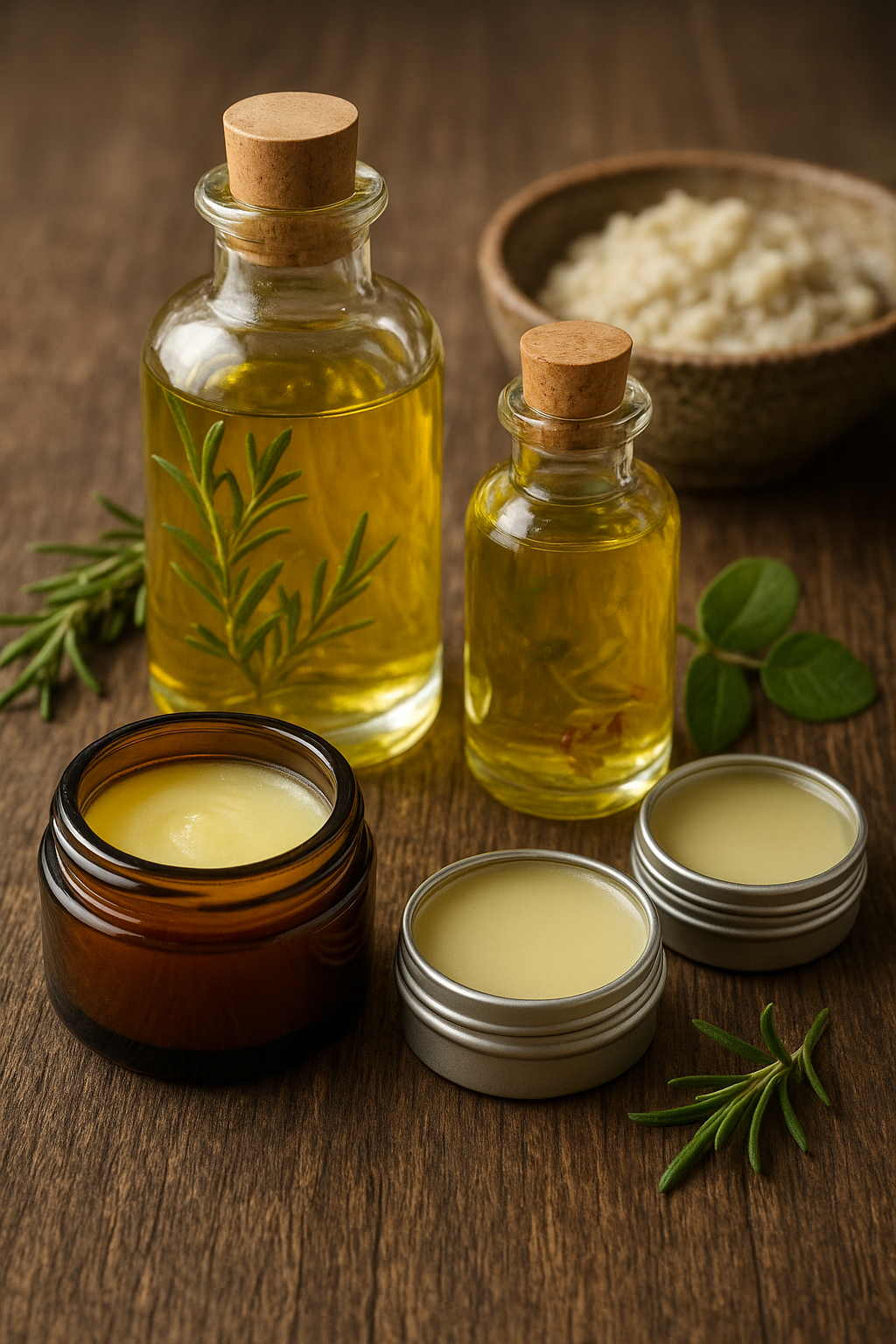
9. Infused Oils and Balms
Best for: skin, massage, salves, body care, and external use.
Infused oils are made by steeping herbs in carrier oil. These oils can then be used alone or combined with beeswax to make balms and salves.
- Use dried herbs to reduce moisture risk.
- Cover herbs fully with olive oil, coconut oil, almond oil, or another carrier oil.
- Infuse for several weeks in a clean jar or use a gentle heat method.
- Strain thoroughly.
- Use as body oil or combine with beeswax to make a balm.
- Store away from heat and sunlight.
Best beginner use: dry skin routines, massage oils, herbal salves, and handmade body care.
Which Herbal Method Should You Use?
| Your Goal |
Best Method |
Why |
| Simple daily routine |
Tea or infusion |
Easy, gentle, and beginner-friendly. |
| Using roots or bark |
Decoction |
Better extraction for dense herbs. |
| Avoiding strong taste |
Capsules |
Convenient and taste-free. |
| Long shelf life |
Tincture |
Concentrated and easy to store. |
| External use |
Compress, poultice, balm, bath |
Targets the skin or specific area externally. |
| Making herbs taste better |
Syrup |
Sweetens strong or bitter herbs. |
What to Expect When You Start Using Bulk Herbs
Herbs usually work best when used consistently and correctly. The goal is not to force a quick result, but to build a reliable routine that supports your wellness goals over time.
- First few days: you may notice taste, digestion, hydration, or routine changes.
- After 1 to 2 weeks: consistency becomes easier and results may become more noticeable.
- Long term: you learn which methods fit your lifestyle and which herbs you prefer.
Before: guessing how to use herbs and hoping they work.
After: choosing the correct method with confidence.
How to Choose High-Quality Bulk Herbs
Preparation matters, but quality matters too. Even the best recipe cannot fix poor-quality herbs.
- Look for clear common names and botanical names.
- Choose suppliers that explain the plant part being sold.
- Check for freshness, aroma, color, and proper storage.
- Store herbs in airtight containers away from heat, light, and moisture.
- Buy from a company that values transparency and education.
At 1st Chinese Herbs, our goal is to help you understand not only what to buy, but how to use it correctly.
Best Herbal Preparation Combinations
Some routines work better when methods are combined. This does not mean using more herbs; it means using the right method at the right time.
| Combination |
Best For |
| Tea plus capsules |
People who want a daily ritual plus convenience. |
| Decoction plus syrup |
Making strong herbs easier to take. |
| Compress plus balm |
External herbal routines. |
| Foot bath plus evening tea |
A calming nighttime routine. |
Who Should Be Careful When Using Herbs?
Herbs can be powerful. Use extra caution if you are:
- Pregnant or nursing
- Taking prescription medications
- Managing a serious medical condition
- Preparing herbs for children
- Using multiple herbs at once
- Unsure about the correct plant identity or dosage
This information is for educational purposes only and is not intended to diagnose, treat, cure, or prevent any disease. Always speak with a qualified healthcare professional before using herbs if you have a medical condition, take medications, are pregnant, nursing, or preparing herbs for someone else.
Free Herbal Starter Guide
Want a simple guide you can keep nearby while learning herbs?
Download our free guide: 10 Vital Medicinal Herbs That Work.
Download the Free Guide
Frequently Asked Questions
What is the easiest way to start using bulk herbs?
The easiest way to start is with herbal tea made from leaves or flowers. It is simple, affordable, and easy to turn into a daily routine.
What is the difference between an infusion and a decoction?
An infusion is made by steeping herbs in hot water. A decoction is made by simmering herbs. Infusions are best for soft plant parts, while decoctions are best for roots, bark, seeds, berries, and dense herbs.
Can I put bulk herbs into capsules?
Yes, powdered herbs can be placed into capsules. This is helpful for bitter herbs or for people who want a convenient routine.
How long do homemade herbal preparations last?
Teas are best used fresh. Decoctions may last 2 to 3 days in the refrigerator. Tinctures can last much longer when properly prepared and stored. Syrups, oils, and balms vary depending on ingredients and storage conditions.
Can I use herbs externally?
Yes. Herbs may be used externally as poultices, compresses, infused oils, balms, baths, and foot soaks. Always test carefully and avoid using herbs on broken or irritated skin unless guided by a qualified professional.
Why did my herbs not seem to work?
Common reasons include using the wrong preparation method, inconsistent use, low-quality herbs, incorrect plant part, or unrealistic expectations.
How should I store bulk herbs?
Store bulk herbs in airtight containers away from heat, sunlight, moisture, and strong odors. Label each container with the herb name and purchase date.
Internal Linking Map for Site Authority
Use this page as a beginner hub subpage and connect it to related educational and shopping pages:
Start Using Bulk Herbs With Confidence
Choose quality bulk herbs, learn the right preparation method, and build a routine that actually fits your life.
Shop Bulk Herbs