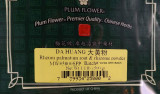


Ou Jie (Lotus Root Node) Powder — Plum Flower — 500g (1.1 lb)
If you’re shopping for Ou Jie (Lotus Root Node), you’re not looking for “lotus root” as a vegetable—you want the rhizome node (the knotted joint), traditionally used in Traditional Chinese Medicine (TCM) for its astringent, stabilizing role.
This product is a fine 80–100 mesh powder (similar to baking flour) made from Nelumbo nucifera rhizome node, with nothing added.
Quick Facts On Lotus Root Node
-
Common Name: Lotus Root Node
-
Pin Yin: Ou Jie
-
Botanical Name: Nelumbo nucifera rhizome node
-
Form: Fine powder (80–100 mesh)- easily made into capsules
-
Net Weight: 500g (1.1 lb)
-
Ingredients: 100% single herb (no additives)
-
Origin: China
-
Brand: Plum Flower (species-authenticated)
-
Channels/Meridians (TCM): Lung, Stomach, Liver
-
Traditional Taste/Nature: sweet / astringent / bitter; commonly described as cooling in TCM notes
-
Cautions: Do not use if pregnant or nursing.
What is Ou Jie (Lotus Root Node)?
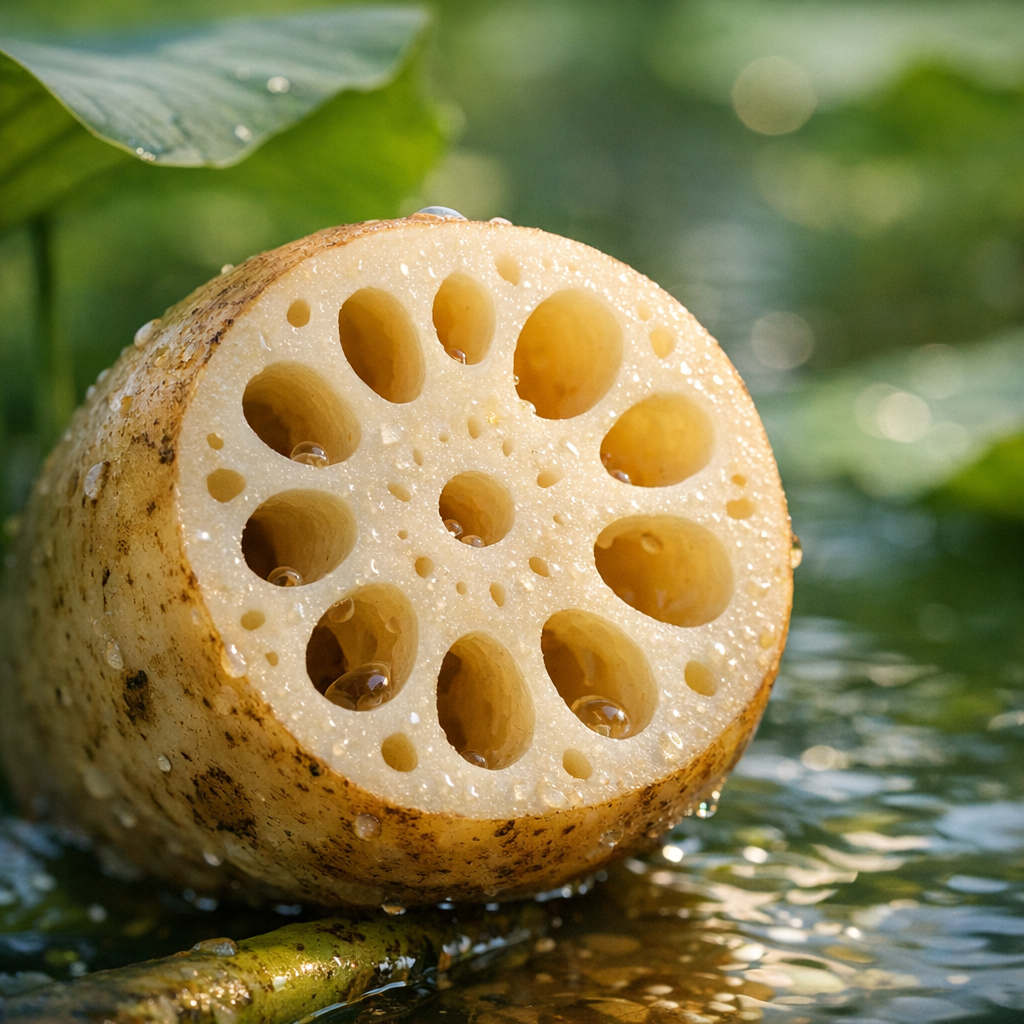
Ou Jie is the node (joint) of the lotus rhizome. In TCM, it’s categorized among “herbs that stop bleeding” (hemostatic category) and is also described as having an astringent quality—meaning it’s traditionally used when a practitioner wants to “secure” or “stabilize” in TCM pattern language.
Why the “node” matters (Ou Jie vs. regular lotus root)
When you see Ou Jie, the key detail is the word “node.” In lotus, the node is the knotted joint where one segment of rhizome connects to the next. In Traditional Chinese Medicine (TCM), nodes are not just a botanical curiosity—they’re treated as a functional “plant architecture clue.”
Traditional Use
-
Healthy blood balance (TCM “stop bleeding” category)
-
Cooling / clearing “heat” patterns in TCM language (context depends on the individual pattern)
-
Traditional astringent support (stabilizing, binding—TCM framework)
These statements describe traditional use and supportive wellness context. This product is not intended to diagnose, treat, cure, or prevent any disease.
What’s in Lotus
A high-quality review of Nelumbo nucifera describes it as containing multiple classes of constituents, commonly including flavonoids and alkaloids, along with other phytochemicals across plant parts.
Naturally occurring plant compounds include flavonoids and other phytonutrients; lotus also contains naturally occurring minerals.
We source from established brands and can provide quality documentation when available.
How to Use Ou Jie Powder (Quick Guide)
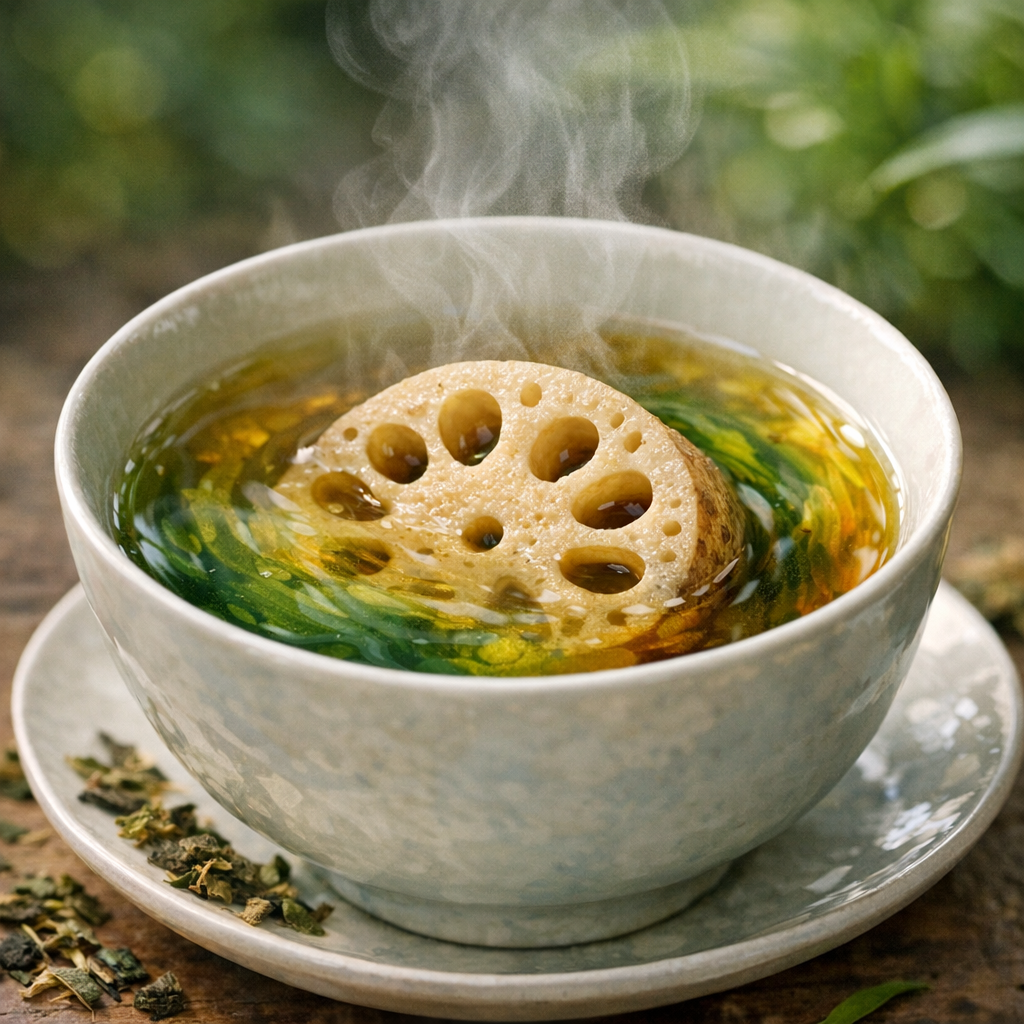
1) Tea / warm water blend
-
Mix the powder into warm water and stir well (warm water dissolves better than cold).
-
Many customers prefer this method for simplicity.
2) Decoction-style use (traditional approach)
-
Some people simmer powders gently, then strain if needed (powder is very fine and may remain suspended).
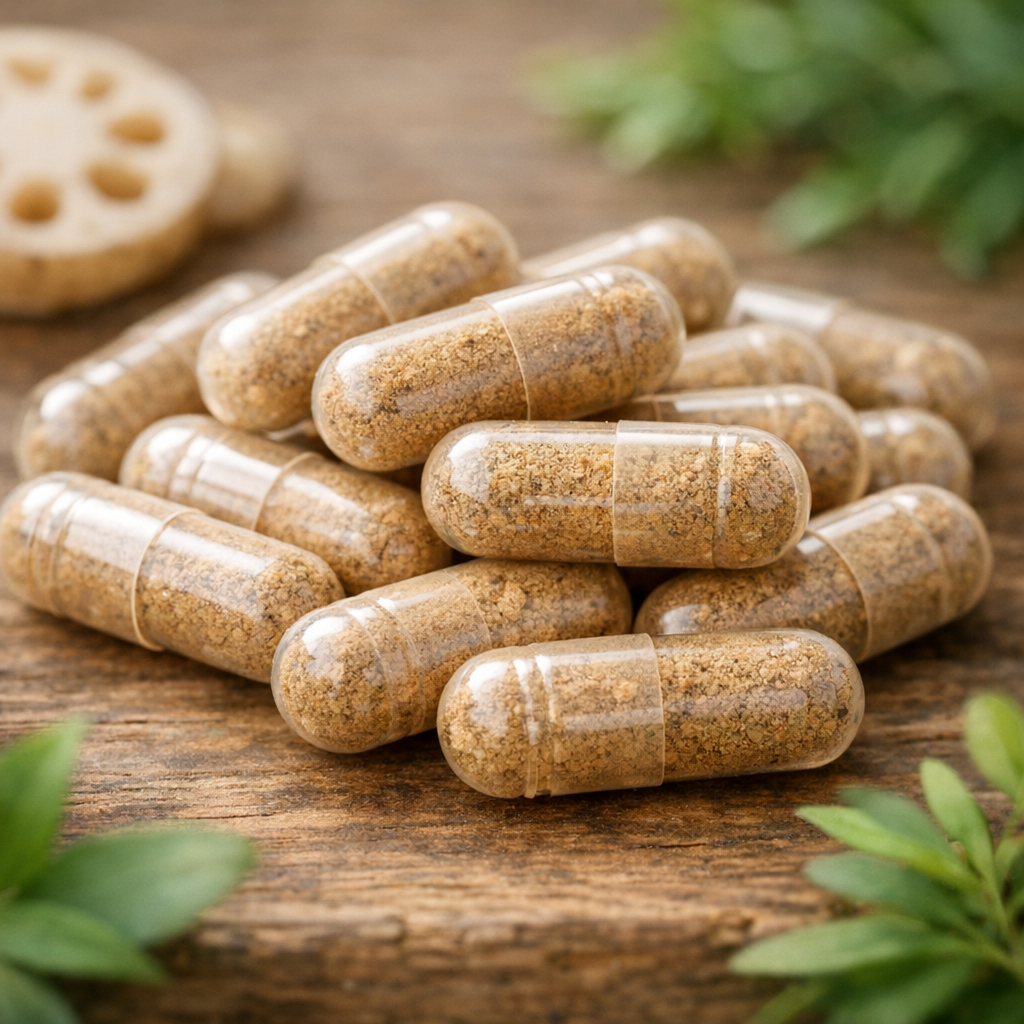
3) Capsules
-
A popular option if you want to avoid taste/texture.
Dosage: Follow your practitioner’s directions
Taste & Texture
Ou Jie powder is typically described as earthy, slightly bitter, and astringent with a very fine flour-like texture.
Quality
This product is:
-
Single herb only (no fillers or hidden blends)
-
Fine mesh powder for easy mixing and consistent measuring
-
Plum Flower brand
-
Species-authenticated labeling
Safety & Cautions
-
Do not use if pregnant or nursing.
-
If you have a medical condition, take medications, or have concerns about bleeding/clotting, consult a qualified clinician before use (especially since this herb is in a “stop bleeding” category in TCM).
California Prop 65
If your listing includes a Prop 65 notice, add a calm explanation:
California Proposition 65 requires warnings when certain exposures may exceed California thresholds. These warnings are common on many foods and supplements sold in California.
Certificate of Analysis available upon request
FAQ
Is Ou Jie the same as lotus root?
Not exactly. Ou Jie refers to the rhizome node/joint. Regular “lotus root” as food is typically the rhizome segment, not the node.
What does 80–100 mesh mean?
It indicates a very fine powder (flour-like). Fine mesh mixes more evenly and is easier to encapsulate.
Is this a blend?
No—this listing is 100% single herb with nothing added.
Why do people choose powder instead of cut herb?
Powder is faster to prepare, easier to measure, and more convenient for capsules and quick mixing.
RELATED LINKS
What No One Tells You About Chinese Herbs (7 Common Mistakes + Fixes)
10 Vital Medicinal Herbs That Work (Free Ebook)
References
Node / plant-part specificity
-
Comparative Analysis of Chemical Constituents in Different Parts of Lotus (Nelumbo nucifera) — includes analysis across lotus plant parts (including rhizome/node), useful for “the node is a distinct part” + “different parts have different constituents.”
PMC: https://pmc.ncbi.nlm.nih.gov/articles/PMC8036816/
Phytochemicals (supports your “flavonoids / compounds” section)
-
Flavonoids from Nelumbo nucifera Gaertn., a Medicinal Plant
PubMed: https://pubmed.ncbi.nlm.nih.gov/30477094/
PMC full text: https://pmc.ncbi.nlm.nih.gov/articles/PMC6313397/ -
Phytochemical Profile and Biological Activity of Nelumbo nucifera — broad review of lotus phytochemicals (alkaloids/flavonoids highlighted) + biological activities studied (preclinical context).
PMC: https://pmc.ncbi.nlm.nih.gov/articles/PMC4710907/
Rhizome / “lotus root” research (useful for nutrition + antioxidant themes)
-
Lotus (Nelumbo nucifera) Rhizome as an Antioxidant Dietary Fiber in Cooked Sausage
PubMed: https://pubmed.ncbi.nlm.nih.gov/28515646/
PMC full text: https://pmc.ncbi.nlm.nih.gov/articles/PMC5434209/ -
(Study) Antioxidant-related functional components in lotus rhizome
PubMed: https://pubmed.ncbi.nlm.nih.gov/24932940/