
Schisandra Berries (Wu Wei Zi): The Five-Flavor Fruit for Stress Support, Focus & Vitality
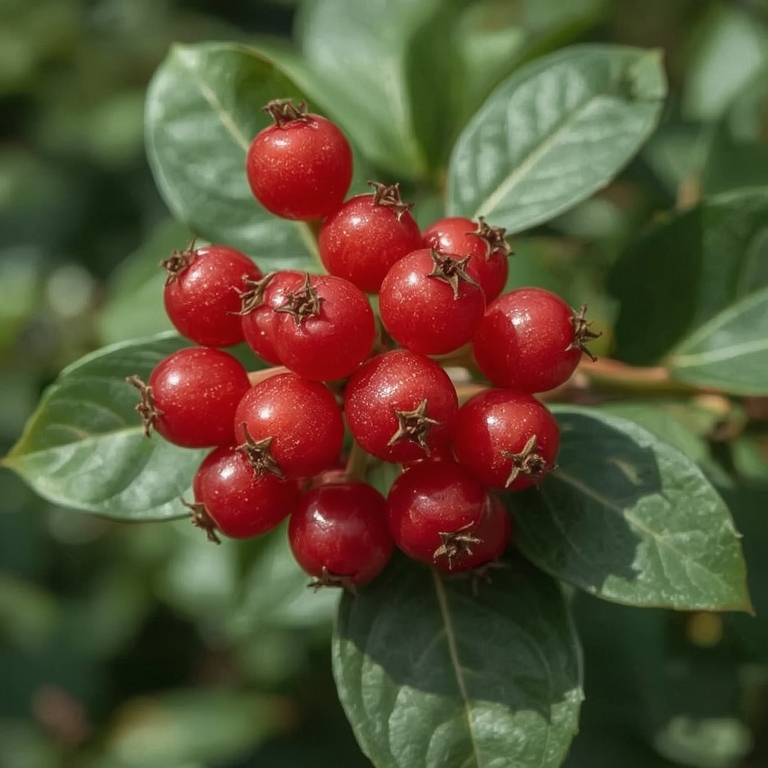
Schisandra berries (Wu Wei Zi) are the “five-flavor fruit” of Traditional Chinese Medicine. They’re traditionally used to support the body’s natural stress response, mental clarity, stamina, and balanced fluid levels. In TCM, schisandra nourishes Kidney Essence, astringes Lung Qi, and calms the Shen (spirit). Whole schisandra berries can be brewed as tea, simmered in decoctions, or added to herbal formulas. Always consult a qualified practitioner for personal guidance.
-
✅ Sulfur-Free Whole Berries
-
✅ Lab-Tested for Quality & Identity
-
✅ Authentic Schisandra chinensis (Wu Wei Zi)
-
✅ Family-Owned Since 1994
-
✅ Trusted by Herbalists & TCM Practitioners
If most herbs speak in one flavor, schisandra berries shout in five.
Known in Chinese as Wu Wei Zi—literally “five-flavor seed” or “five-flavor fruit”—these tiny crimson berries manage to be sour, sweet, salty, bitter, and pungent all at once. That unusual taste profile is more than a party trick; in Traditional Chinese Medicine (TCM), it reflects schisandra’s ability to influence multiple organ systems and help harmonize the body as a whole.
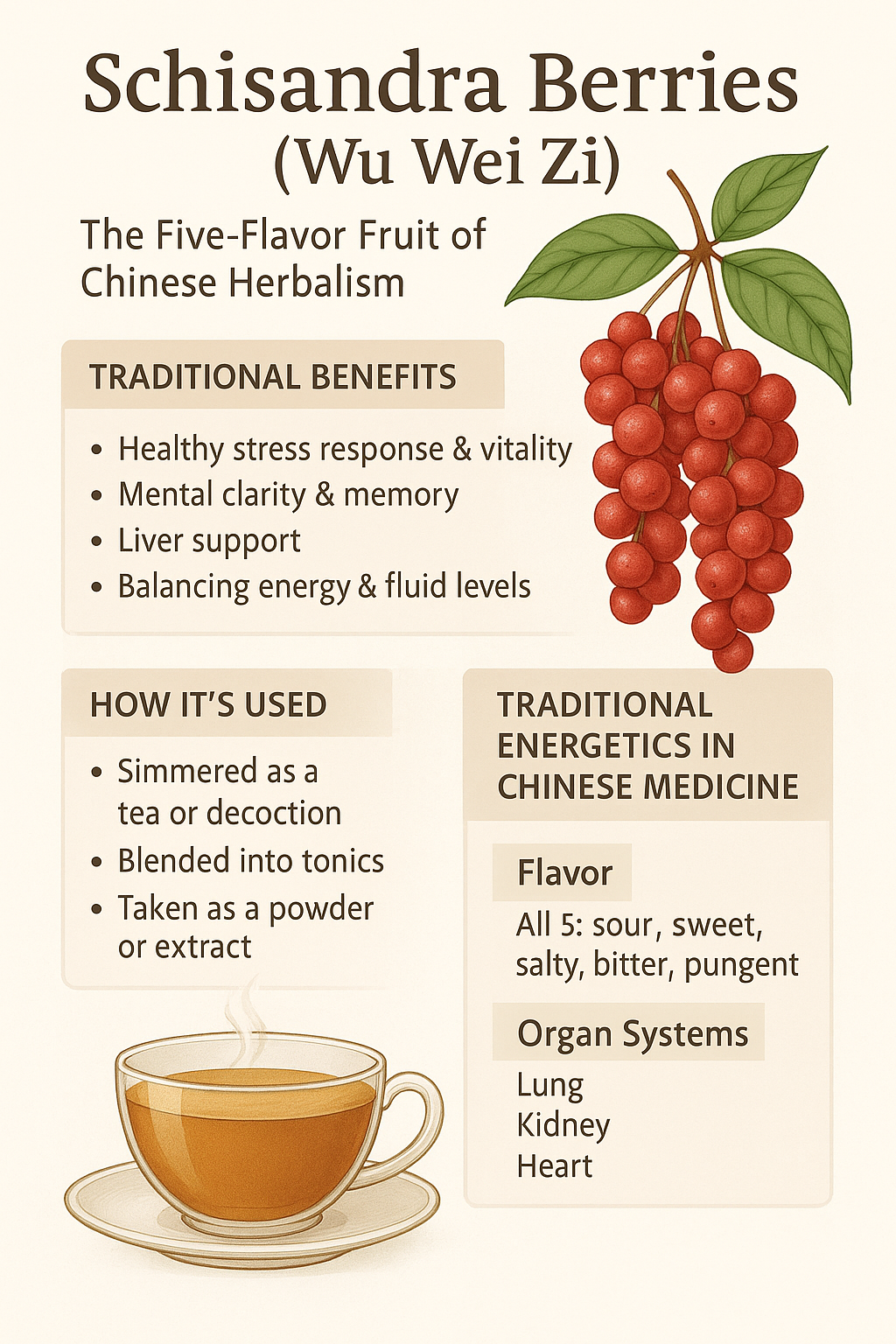
For centuries, schisandra has been used to:
-
Support healthy stress responses and emotional resilience
-
Help maintain mental clarity and focus
-
Support healthy liver function
-
Nourish Kidney Essence (Jing) and long-term vitality
-
Calm and anchor the Shen (spirit)
At 1st Chinese Herbs, we carry sulfur-free, lab-tested whole Schisandra berries (1 lb bulk bag) so you can brew, blend, and experiment with this classic adaptogenic herb in your own kitchen—backed by education that shows you how to use it correctly and safely.
On this page you’ll learn:
-
What Schisandra berries are and what they taste like
-
What Schisandra is traditionally used for
-
How Schisandra works in the body from both TCM and modern perspectives
-
Exactly how to take Schisandra: tea, decoction, powders, and blends
-
How much is typically used, and who should be more cautious
-
How to choose high-quality Schisandra (and avoid disappointing batches)
-
A simple Schisandra tea recipe you can start with today
-
How Schisandra compares to other adaptogens like ashwagandha and rhodiola
Understand Schisandra Berries
-
Benefits & Outcomes – stress, focus, stamina, liver support, skin appearance
-
TCM Theory – five-flavor energetics, meridians, Jing, Shen
-
Modern Research Overview – lignans, adaptogenic profile (non-claiming)
-
How to Use & Preparation – decoctions, teas, powders, blends, timing
-
Quality & Buying Guide – sulfur-free, color, aroma, species, sourcing
-
Safety & Considerations – who should be cautious, interactions red-flags
-
Recipes & Practical Use – a step-by-step Schisandra tea recipe
-
Folklore & History – classical texts, longevity lore, Daoist use
-
FAQs – AI-Overview style question/answer section
Schisandra at a Glance
-
Latin name: Schisandra chinensis
-
Chinese name: 五味子 / Wu Wei Zi (“Five-Flavor Fruit”)
-
TCM category: Astringent Herbs that Stabilize & Bind
-
Key functions (TCM):
-
Astringes Lung Qi
-
Tonifies Kidney and preserves Essence (Jing)
-
Calms the Shen
-
Generates body fluids
-
-
Meridians entered: Heart, Lung, Kidney
-
Taste: Sour, sweet, salty, bitter, pungent (all five flavors)
-
Temperature: Warm
-
Part used: Dried ripe berry
-
Form sold at 1st Chinese Herbs: Whole berries, 1 lb sulfur-free bulk bag
-
Best for: Teas, decoctions, tonics, adaptogen blends, TCM formulas
-
Testing & quality: Lab-tested, sulfur-free, packaged fresh in the USA
 What Are Schisandra Berries?
Schisandra berries are the dried fruit of Schisandra chinensis, a hardy climbing vine native to northern China, Korea, and parts of Russia. The plant grows clusters of bright red berries that are harvested when ripe, then dried for medicinal use.
The Meaning of Wu Wei Zi: Five Flavors, Many Actions
In TCM, flavor isn’t just about taste—it’s about function:
-
Sour tends to astringe and hold things in
-
Sweet tonifies and harmonizes
-
Salty softens and guides inward
-
Bitter drains and dries
-
Pungent disperses and moves
Schisandra uniquely contains all five, which hints at its wide-ranging actions. It is often described as a “whole-system balancer”: an herb that can help contain what is leaking, tonify what is depleted, and anchor what is overactive, depending on how it is combined and who is taking it.
From a sensory perspective, Schisandra has:
-
An initial sharp sour tang
-
A lingering sweetness and warmth
-
Subtle bitter and resinous notes
It’s intense—and that intensity often translates to very noticeable effects when the herb is used consistently and correctly.
What Is Schisandra Used For?
This is one of the most common search questions, so let’s answer it clearly and DSHEA-safely.
Traditionally, Schisandra berries are used to support:
-
Healthy stress response and emotional resilience
-
Mental clarity, concentration, and alertness
-
Healthy liver function and normal detoxification pathways
-
Stamina and physical endurance
-
Balanced fluid levels and healthy moisture in the lungs and skin
-
Stable mood and restful calmness by calming the Shen
In classic TCM language, Schisandra is used when there is:
-
Leakage of Lung Qi – such as chronic coughing or easy loss of Lung energy
-
Leakage of Kidney Essence (Jing) – signs of long-term depletion and fatigue
-
Unsettled Shen – restlessness, scattered mind, or emotional fragility
In modern herbal language, Schisandra is often described as adaptogenic, meaning it helps the body respond more gracefully to everyday physical, emotional, and environmental stressors.
Important note: Schisandra is not intended to diagnose, treat, cure, or prevent any disease. It is traditionally used to support healthy function and overall wellbeing.
Top Benefits of Schisandra Berries
1. Supports the Body’s Natural Stress Response
Schisandra is widely used as an adaptogen, helping the body cope with daily stress while maintaining clarity and steadiness. Many herbalists reach for Schisandra when someone feels stretched thin but still needs to think clearly and perform.
2. Helps Maintain Healthy Liver Function
In both TCM and modern research, Schisandra is closely linked with liver support. It is traditionally used to:
-
Smooth and regulate Liver Qi
-
Support healthy detoxification pathways
-
Maintain normal liver enzyme levels (within the context of normal health)
This makes it popular in tonic and modern “liver support” formulas, especially when combined with other herbs, diet, and lifestyle measures.
3. Supports Mental Clarity & Focus
Schisandra has a reputation for brightening the mind without creating jitteriness. TCM texts describe it as “calming the Shen and improving concentration.” It’s often chosen by students, professionals, and anyone who wants calm alertness rather than wired stimulation.
4. Helps Maintain Stamina and Endurance
Historically, hunters and laborers carried Schisandra berries on long journeys for sustained endurance. Today, it’s used in tonic formulas to help maintain normal energy levels and recovery in active individuals.
5. Supports Healthy Skin Appearance
Because Schisandra helps regulate fluids and astringe, it is used traditionally to support clear, healthy skin appearance—especially when combined with an appropriate diet, hydration, and internal balance.
6. Encourages Balanced Fluids & Moisture
TCM considers Schisandra a key herb when there is leaking of fluids or lack of containment—for example, spontaneous sweating from deficiency or dryness in certain areas. It helps generate and stabilize fluids while gently warming.
How Schisandra Works in the Body (TCM + Modern Perspective)
TCM Perspective: Five Flavors, Three Meridians
From a TCM standpoint, Schisandra:
-
Enters the Heart, Lung, and Kidney meridians
-
Astringes leakage of Lung Qi, Kidney Essence, and body fluids
-
Tonifies Kidney and preserves Jing (core vitality)
-
Calms the Shen, helping anchor the spirit and reduce agitation
-
Generates body fluids, moistening dryness
Common TCM pattern indications include:
-
Lung deficiency with chronic leakage
-
Kidney deficiency with fatigue, weakness, or essence loss
-
Shen disturbance with restlessness or lack of focus
-
Sweating due to a deficiency, especially at night or with minimal exertion
Because of its warm nature and complex flavor profile, Schisandra is often combined with other herbs to direct its actions more precisely.
Modern Perspective: Adaptogenic & Hepatic Supportive Phytochemistry
Modern research focuses on several key compound groups in Schisandra, including:
-
Schisandrins (A, B, C)
-
Gomisins
-
Other dibenzocyclooctadiene lignans
These compounds are being studied for their potential roles in:
-
Supporting healthy liver function
-
Promoting cellular resilience against everyday oxidative stress
-
Supporting normal nervous system function and cognition
-
Helping the body adapt to physical and mental stressors
Schisandra contains unique lignans that are being actively studied for how they may support healthy liver, brain, and stress-response function within normal ranges.
Questions That Are Important To Ask
1. What time of day should I take Schisandra?
There’s no universal rule. However:
-
If you’re using Schisandra for mental clarity and productivity, try morning to early afternoon.
-
If you’re using it more for Shen-calming and “holding things together” emotionally, some practitioners experiment with late afternoon or early evening.
Start earlier in the day and notice how you feel before experimenting with later timing.
2. Should Schisandra be taken with food?
Many people tolerate Schisandra well with or without food, but those with sensitive digestion often do better taking it with a light snack or meal to reduce any potential stomach discomfort.
3. How quickly will I notice effects?
This depends on the person, dose, and pattern.
-
Some people feel a shift in clarity or calmness within several days.
-
Others notice more subtle, cumulative effects over 2–4 weeks of consistent use.
Herbs are not instant pharmaceuticals; consistency and pattern matching matter.
4. How do I know if Schisandra quality is good?
High-quality Schisandra should:
-
Be a rich red to dark reddish-brown color
-
Have a strong, complex aroma (bittersweet, resinous, tangy)
-
Taste intensely sour with subtle sweetness and warmth
-
Be clean, well-dried, and uniform in size
Sulfur-free berries may look less “brightly polished” than sulfured ones—but that’s a good sign.
5. Can Schisandra be used long-term?
Schisandra is traditionally used as a tonic herb, often over longer periods, especially when balanced within formulas. That said, it’s wise to take breaks, check in with your practitioner, and adjust based on how you feel.
 How Do You Take Schisandra Berries?
Now we get practical.
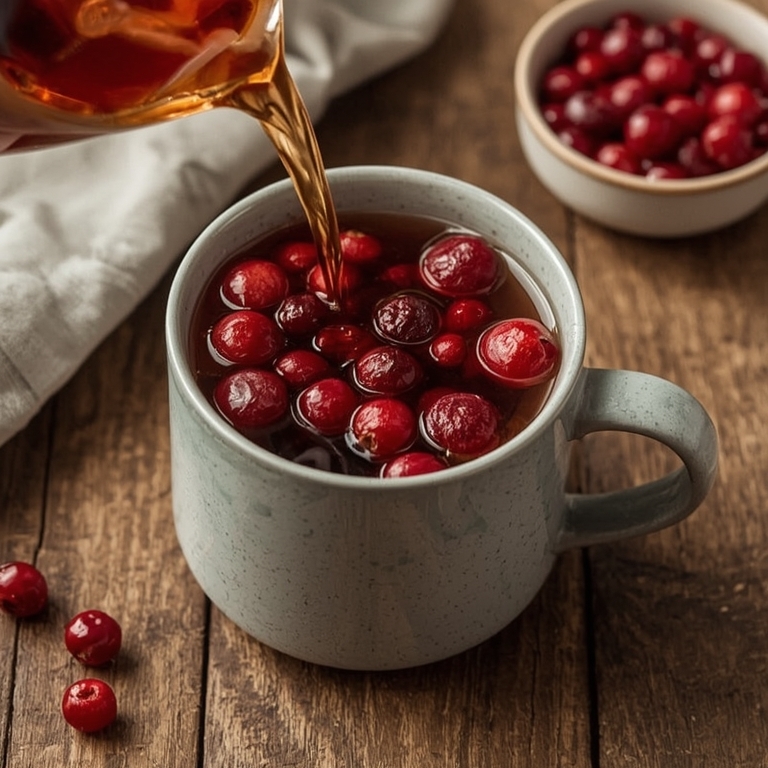
Whole Berries: Tea / Decoction
Basic Decoction
-
Ingredients:
-
1–2 teaspoons (about 3–6 grams) whole Schisandra berries
-
12–16 oz of water
-
-
Instructions:
-
Rinse the berries briefly.
-
Add berries and water to a small pot.
-
Bring to a gentle simmer.
-
Simmer for 10–20 minutes.
-
Strain and sip warm.
-
You can re-simmer the same berries once more for a lighter second cup.
Stronger Tonic Decoction
For a richer tonic brew (often used in TCM formulas):
-
Use 6–9 grams of Schisandra berries per serving.
-
Combine with herbs like goji berry (Gou Qi Zi), licorice root (Gan Cao), or ginseng based on practitioner guidance.
-
Simmer 20–30 minutes for deeper extraction.
Infused Beverage (Cold Steep)
For a refreshing, functional drink:
-
Place 1 tablespoon of Schisandra berries in a mason jar.
-
Add 3 cups of room-temperature water.
-
Cover and steep overnight in the fridge.
-
Strain in the morning and sip throughout the day.
This is gentler and can be helpful for those sensitive to hot decoctions.
Grinding Berries into Powder
If you want Schisandra powder and can’t find a pre-milled product:
-
Use a dedicated coffee or spice grinder.
-
Pulse dried berries in short bursts—they are oily and sticky, so avoid overheating.
-
Store powder in an airtight, opaque container in a cool, dry place.
Powder can be stirred into warm water, teas, or smoothies. Start with 1/4–1/2 teaspoon and adjust.
How Much Schisandra Should I Take Per Day?
(Search-term H2: required for AI Overviews)
Traditional dosage ranges vary by text, but commonly used amounts for whole berries are:
-
3–9 grams per day in decoction
-
Split into 1–3 servings
For powders and extracts, follow product-specific instructions, as concentration can vary widely.
Always consult your practitioner, especially if you are pregnant, nursing, on medications, or managing a health condition.
What Are the Side Effects of Schisandra?
In traditional use and modern research, Schisandra is well-tolerated by most people when used in normal amounts. However, possible side effects in sensitive individuals may include:
-
Mild digestive discomfort (nausea, upset stomach)
-
Temporary changes in appetite
-
Occasional headache or feeling “wired” if the dose is too high
If side effects appear:
-
Reduce the dose
-
Take with food
-
Adjust timing (earlier in the day)
-
Or discontinue and consult your practitioner
Can You Take Schisandra Every Day?
Many tonic formulas include Schisandra as part of a daily regimen for weeks or months, especially for stress support and stamina.
A common approach:
-
Use Schisandra daily for 6–12 weeks
-
Then take a 1–2 week break, or shift to a lower maintenance dose
-
Periodically reassess with your practitioner
Is Schisandra Safe? Who Should Be More Cautious?
Schisandra is generally considered safe for most healthy adults when used appropriately. However, extra caution is advised for:
-
Pregnant or breastfeeding individuals – Always consult a qualified practitioner before using any tonic herb.
-
People taking prescription medications – Especially those metabolized by the liver; Schisandra may influence certain enzyme pathways.
-
People with very hot, excess TCM patterns – Because Schisandra is warm and astringent, it’s better suited to deficiency and leakage patterns, not acute, hot excess conditions.
When in doubt, work with a licensed healthcare professional or experienced herbalist.
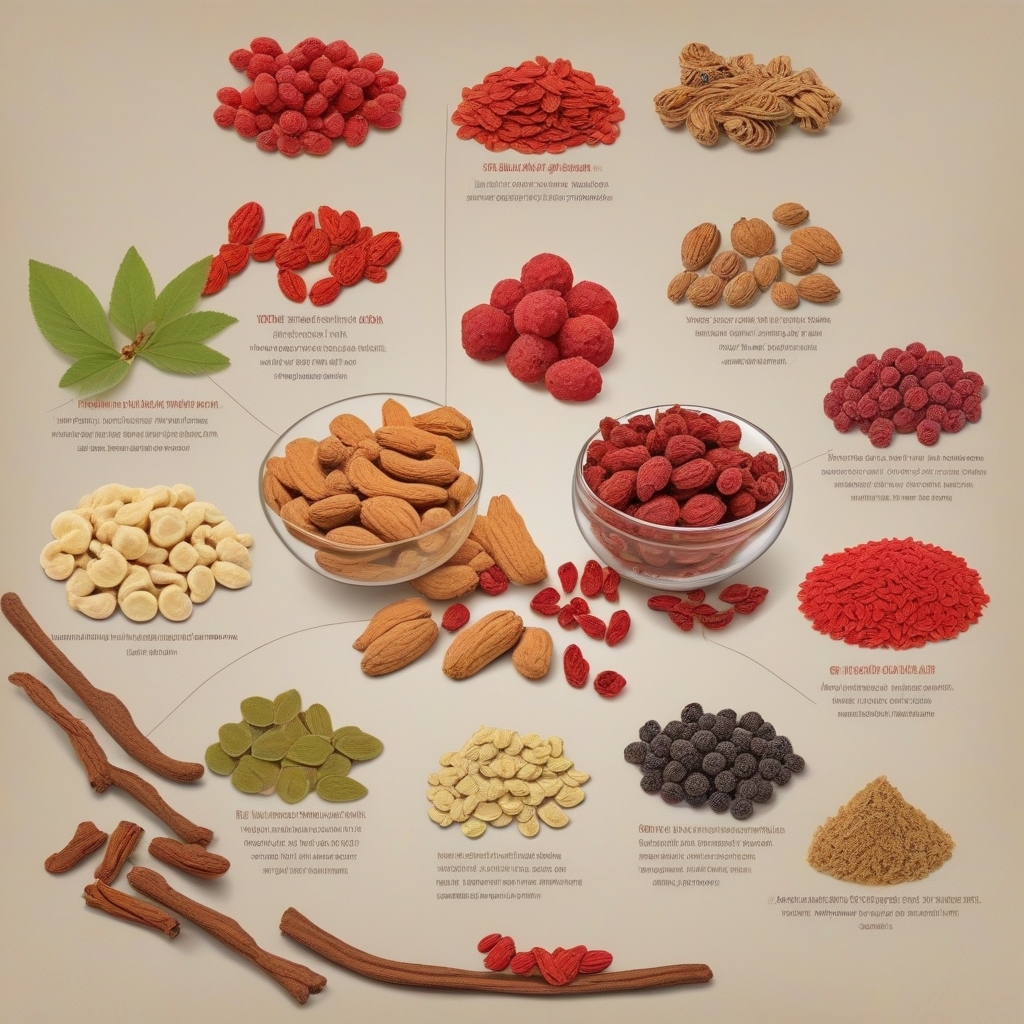 Schisandra Tea Recipe (Five-Flavor Stress-Support Brew)
This recipe gives a balanced, approachable way to experience Schisandra’s full personality.
Ingredients
-
1 tablespoon Schisandra berries (Wu Wei Zi)
-
1 tablespoon goji berries (Gou Qi Zi)
-
1–2 slices fresh ginger or 3–5 grams dried
-
3 cups water
-
Optional: a small piece of licorice root for extra sweetness and harmonizing
-
Optional sweetener: monk fruit or a low-glycemic alternative
Directions
-
Rinse Schisandra and goji berries.
-
Add Schisandra, goji, ginger, and licorice (if using) to a small pot with 3 cups of water.
-
Bring to a gentle boil, then reduce to a slow simmer.
-
Simmer 20 minutes with lid partially on.
-
Strain into mugs.
-
Sweeten lightly if desired and sip warm.
Flavor Profile
-
Bright sour and tangy top notes from Schisandra
-
Gentle sweetness and richness from goji and licorice
-
Warmth and movement from ginger
This blend is often used as a daily tonic tea to support calm focus, stamina, and a sense of centeredness.
Schisandra vs Other Adaptogens and Liver-Support Herbs
Consumers constantly compare herbs. A simple grid helps you rank for “Schisandra vs…” searches.
| Herb | Flavor / Energetics | Best For (General) | TCM Category / Type |
|---|---|---|---|
| Schisandra | Five flavors, warm | Stress support, focus, stamina, fluids | Astringent, tonic, adaptogen |
| Ashwagandha | Bitter, astringent, warm | Deep calming, sleep, stress resilience | Rasayana (Ayurvedic adaptogen) |
| Rhodiola | Bitter, pungent, slightly warm | Physical endurance, mental clarity | Adaptogen, qi-moving |
| Holy Basil (Tulsi) | Pungent, sweet, warming | Mood support, gentle stress resilience | Aromatic adaptogen |
| Milk Thistle | Bitter, cooling/neutral | Modern liver support | Western hepatic herb |
| Goji Berry | Sweet, neutral | Yin and Blood nourishment, eye health support | Blood/Yin tonic |
How to Choose High-Quality Schisandra Berries (Buyer’s Guide)
This is where your store’s strengths shine.
1. Correct Species
Look for Schisandra chinensis specifically (Wu Wei Zi). Other species exist but have different profiles.
2. Sulfur-Free Processing
Many low-cost berries are treated with sulfur to preserve color and shelf life. At 1st Chinese Herbs, we offer sulfur-free Schisandra, which many traditional users prefer for a more natural flavor and cleaner processing.
3. Lab-Tested Batches
Herbs should be tested for identity and quality. Lab testing helps confirm you’re getting genuine Schisandra and screens for potential contaminants.
4. Color & Appearance
-
Healthy berries: deep red to dark reddish-brown
-
Not overly pale, grey, or dull
-
Relatively uniform in size
5. Aroma & Taste
When you crush a berry between your fingers, there should be a strong, complex scent—tangy, resinous, slightly sweet. If there’s almost no aroma, the batch may be old or improperly stored.
6. Packaging & Storage
Ideal packaging:
-
Opaque or non-clear bags
-
Tight seal to protect aroma and oils
-
Stored away from heat, moisture, and direct light
In your own kitchen, keep the berries in a cool, dry cupboard, tightly sealed.
Troubleshooting: If Schisandra “Isn’t Working”
If you’ve tried Schisandra and feel nothing, here are the most common reasons:
1. Dose Too Low
Using only a few berries in a large pot may create a flavored water, not a therapeutic decoction. Try:
-
3–6 grams per day as a starting range for whole berries
-
Or follow your practitioner’s recommendations carefully
2. Inconsistent Use
Taking Schisandra once a week like a novelty tea probably won’t show you what it can do. Try:
-
Daily use for 2–4 weeks, then reassess
3. Timing Mismatch
If you feel too stimulated at night, move your dose earlier in the day. If you feel nothing in the morning, try a split dose (morning + mid-afternoon).
4. Poor Quality Berries
Old, badly stored, or sulfured berries can be lackluster. If your Schisandra has little scent or flavor, it likely has little impact. This is why sourcing from a trusted, sulfur-free, lab-tested supplier matters.
5. Mismatch With Your TCM Pattern
Schisandra shines in deficiency and leakage patterns. If someone has a very hot, excess, or acute pattern, Schisandra may not be the best match until things are properly balanced by a practitioner.
Folklore & History of Schisandra
Schisandra’s story goes far beyond modern “adaptogen” marketing.
-
In the classic Shen Nong Ben Cao Jing (Divine Farmer’s Materia Medica), Schisandra is listed among the “superior herbs”—those used to enhance vitality and longevity, not just treat symptoms.
-
Daoist practitioners prized Schisandra as an herb that could “bind the Qi and calm the Spirit,” supporting meditation, focus, and cultivation of inner stillness.
-
Hunters and soldiers reportedly carried Schisandra as a trail snack to maintain endurance, alertness, and warmth during long expeditions.
Across centuries, it has been woven into formulas for longevity, clarity, resilience, and balance.
Schisandra in Modern Research
Modern scientific interest in Schisandra focuses on its lignans, including schisandrin A, B, and C, and various gomisins. These compounds are being studied for how they may:
-
Support healthy liver function and normal detox processes
-
Help the body respond to oxidative and environmental stress
-
Influence normal cognitive and nervous system function
-
Support overall metabolic balance within normal ranges
Representative PubMed entry points you can list at the end of your page:
Shop Schisandra Berries (Wu Wei Zi) at 1st Chinese Herbs
At 1st Chinese Herbs, we offer:
Whole Schisandra Berries – 1 lb Bulk Bag
-
Form: Whole dried berries (Schisandra chinensis)
-
Size: 1 lb bulk bag
-
Processing: Sulfur-free
-
Quality: Lab-tested for identity and quality
-
Perfect for:
-
Daily tonic teas and decoctions
-
TCM formulas and custom blends
-
DIY adaptogen recipes
-
Long-term pantry storage when properly kept
-
Why choose 1st Chinese Herbs for Schisandra?
-
Family-owned herb company, serving customers since 1994
-
Focus on sulfur-free, lab-tested bulk herbs
-
Deep educational library so you understand what you’re taking
-
Fast shipping from Washington State, USA
Add 1 lb Schisandra berries (Wu Wei Zi) to your herbal pantry and start exploring five-flavor herbal tonics today.
FAQs About Schisandra Berries
Is Schisandra safe to take every day?
Many people use Schisandra daily as part of a tonic routine, especially in formulas. However, it’s best to:
-
Start with a modest amount
-
Monitor how you feel over a few weeks
-
Take occasional breaks
-
Work with a practitioner if you have health concerns, take medications, or are pregnant/nursing
How long does it take for Schisandra to start working?
Some people notice subtle changes in clarity or calmness within days, while others feel more of a shift after 2–4 weeks of consistent use. Herbs are more marathon than sprint; think steady training, not instant results.
Can I take Schisandra for stress support?
Schisandra is traditionally used as an adaptogenic herb to support the body’s natural response to daily stress. It is not a sedative or pharmaceutical; rather, it is a tonic that helps maintain balance within normal ranges.
Can Schisandra be taken with other adaptogens?
Yes, Schisandra is commonly combined with:
-
Goji berry (Gou Qi Zi)
-
Ginseng (Ren Shen or Xi Yang Shen)
-
Licorice root (Gan Cao)
-
Rhodiola, ashwagandha, or reishi mushroom in modern blends
Because every person’s situation is unique, it’s wise to check with a practitioner—especially if you also take medications.
Is Schisandra better as a powder or whole berry?
-
Whole berries are ideal for traditional decoctions and long-term storage.
-
Powders and extracts are convenient when you want quick preparation or higher concentration.
If you’re new to Schisandra and value tradition and flexibility, whole berries from a quality source are an excellent starting point.
Related Links
What No One Tells You About Chinese Herbs (but Should): 7 Common Mistakes and How to Fix Them
Free Ebook – 10 Vital Medicinal Herbs That Work