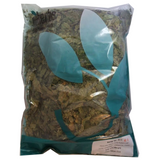


White Mulberry Fruit (Sang Shen Zi) — Morus alba Fructus (Whole, 1 lb)
White Mulberry Fruit (Pin Yin: Sang Shen Zi) is the dried fruit of Morus alba. In Traditional Chinese Medicine (TCM), it is commonly described as sweet and cool/cold and associated with the Heart, Liver, and Kidney channels (traditional framework language). It’s also a genuinely easy “food-herb”: naturally sweet, snackable, and simple to use in tea, oatmeal, and simmered recipes.
How customers use White Mulberry Fruit (Sang Shen Zi) most often
-
Snack: A small handful straight from the bag (sweet, chewy “food-herb”).
-
Tea infusion: 1–2 Tbsp in hot water, steep 10–15 minutes (drink the tea, then eat the berries).
-
Oatmeal/Yogurt: Stir in for natural sweetness—like a berry-raisin vibe.
-
Compote (best flavor): Simmer 10–20 minutes with ginger/cinnamon for a syrupy topping.
Quick note for clarity: This product is mulberry fruit (Sang Shen Zi)—not mulberry leaf (Sang Ye).
Shop White Mulberry Fruit
- Common Name: White Mulberry Fruit / Mulberry Fruit
- Botanical Name: Morus alba fructus (Fructus Mori)
- Pin Yin: Sang Shen Zi
- Form: Whole fruit (not uniform pieces)
- Package Size: 1 lb
- Origin: China
- Brand: Nuherbs (geo-authentic sourcing; lab-tested program)
- Ingredients: 100% mulberry fruit (no fillers, nothing added)
- Traditional Properties: Sweet, Cold/Cool
- Traditional Channels: Heart, Liver, Kidney
Quick Key Takeaways
- What it is: dried mulberry fruit (Morus alba) used as a food and traditional herb.
- How it tastes: naturally sweet, berry-like, slightly tart (like a gentle raisin + berry).
- How people use it most: snack • tea infusion • oatmeal/smoothies • herbal simmer/decoction.
- Traditional TCM role: often described as nourishing Yin and Blood and generating fluids (traditional language).
- Buying tip: this is the fruit — not the leaf.
What Is Sang Shen Zi?
Sang Shen Zi is the dried fruit of the mulberry tree (Morus alba). Modern research reviews describe mulberry fruit as containing a range of bioactive compounds, including anthocyanins (pigments), other polyphenols, and nutrients. These constituents are commonly studied for antioxidant and metabolism-related effects in preclinical and limited human research contexts.
What Does Mulberry Fruit Taste Like?
Mulberry fruit is sweet, lightly tart, and pleasantly “berry-like.” If you like raisins, goji berries, or dried blueberries, mulberries are usually an easy win.
Texture
- Whole snack: chewy, soft-dried berry texture
- In hot water: plumps up like a gentle compote
- In oatmeal: melts into natural sweetness
What You Need To Know
1) Fruit vs Leaf: they are not interchangeable
Many pages blur together “mulberry leaf” and “mulberry fruit.” Your product is mulberry fruit (Sang Shen Zi). The leaf (Sang Ye) is traditionally used differently and is studied differently. One of the fastest ways to build trust is simply being clear about the plant part.
2) “White mulberry” describes the tree, not always the berry color
Morus alba can produce fruits that range from pale to deep purple/black depending on cultivar and ripeness. Color can affect anthocyanin content, which is a major research focus in mulberry fruit studies.
3) Claims need context
Mulberry fruit is widely discussed for antioxidants and metabolic health in research reviews, but many findings come from extracts, specific fractions, or preclinical models. A high-ranking page wins by being honest about this.
Traditional TCM Uses
In TCM herb literature, mulberry fruit (Sang Shen) is commonly categorized as a Yin-tonifying herb and is traditionally described with functions such as:
- Nourishing Yin and Blood (traditional language)
- Generating fluids and supporting dryness patterns (traditional language)
- Supporting bowel regularity when dryness is a factor (traditional language)
Traditional properties: sweet / cold (often also listed as sweet-sour/cool depending on source); channels: Heart, Liver, Kidney (traditional listings).
How to Use White Mulberry Fruit
1) As a snack (easiest)
Enjoy a small handful as a naturally sweet snack. This is the #1 way customers actually use it—because it’s simple and repeatable.
2) As a tea infusion
How: Add 1–2 tablespoons to a mug, cover with hot water, steep 10–15 minutes. Drink the tea and eat the rehydrated berries if you’d like.
3) In breakfast foods
- Stir into oatmeal, granola, or yogurt
- Add to smoothies with goji + vanilla + cinnamon
4) In “food-herb” simmer recipes
Simmer mulberries with warming spices (ginger/cinnamon) for a quick compote, or add to soups near the end for gentle sweetness.
Traditional Use Amounts
For food-style use: start with 1–2 tablespoons daily in tea or breakfast foods.
For decoction-style use: many traditional references list mulberry fruit in the range commonly used for dried fruits in formula work (your practitioner may tailor this). If you’re following a practitioner plan, use their instructions.
We avoid giving medical dosing. If you’re using this for a health goal (especially blood sugar), consult your clinician.
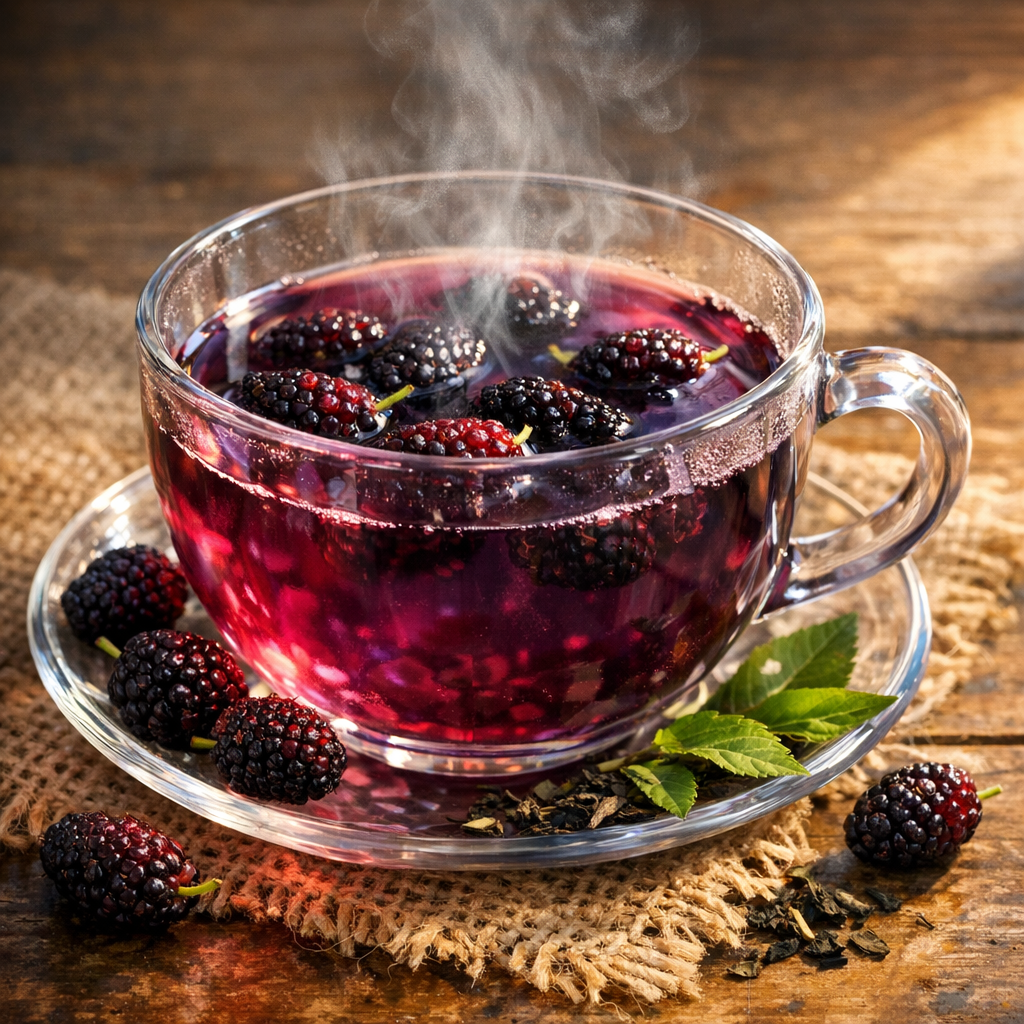 3 Recipes
Recipe #1: Sang Shen Zi “Ruby Tea” (Super simple)
- 1–2 tbsp mulberry fruit
- Hot water
- Optional: a few goji berries
How: Steep 10–15 minutes. Eat the berries after.
Recipe #2: Winter Mulberry Compote (for oatmeal & yogurt)
- 1/2 cup mulberries
- 1–1.5 cups water
- 2–3 slices ginger
- Optional: pinch cinnamon
How: Simmer 15–20 minutes until plump and syrupy. Spoon over oatmeal.
Recipe #3: “Dark Berry” Trail Mix (no-cook)
Mix mulberries with goji berries and pumpkin seeds.
Cautions & Interactions
- Pregnant or nursing: avoid unless directed by a qualified clinician (your label guidance).
- Loose stools/diarrhea: avoid during active diarrhea (traditional caution).
- Blood sugar: mulberry is discussed in metabolic research; if you use diabetes medications or insulin, monitor and consult your clinician before using regularly.
- Allergies: discontinue if you experience allergic symptoms.
California Prop 65
Prop 65 statements may apply to naturally occurring trace elements in plants due to soil and environment. Contact us if you want help selecting the best options for your needs.
FAQs
Is “white mulberry fruit” the same as regular mulberry fruit?
“White mulberry” refers to the tree species (Morus alba). The fruit color can range from light to dark depending on cultivar and ripeness.
Is mulberry fruit the same as mulberry leaf?
No. They are different plant parts with different traditional uses and research profiles. This product is the fruit (Sang Shen Zi).
What’s the best way to take Sang Shen Zi?
Most customers love it as a snack or as a tea infusion. If you want richer flavor, simmer into a compote.
Does mulberry fruit have antioxidants?
Yes—mulberry fruit is widely studied for anthocyanins and other polyphenols in antioxidant research. (Educational context only.)
How should I store dried mulberries?
Keep airtight, away from heat and humidity. For long storage, refrigeration helps preserve flavor and texture.
PubMed Research (Educational)
These citations are provided for education only. Many studies use extracts or specific fractions and should not be interpreted as medical claims.
- Review of mulberry fruit nutrition/bioactives (anthocyanins, vitamins, minerals): Yuan et al., 2017
- Human/clinical research overview (notes limited human intervention evidence): Zhang et al., 2018
- Fruit composition & antioxidants (mentions resveratrol, rutin, and other polyphenols): Chen et al., 2022
- Antioxidant/hemolysis-protective research with mulberry flavonoid extract (model-based): Raman et al., 2016
- Hepatocyte lipotoxicity/Nrf2 pathway study with mulberry fruit polysaccharide (model-based): Hu et al., 2020
- Comprehensive phytochemical/review of Morus alba (covers multiple plant parts; interpret carefully): Batiha et al., 2023
Nuherbs
Each batch of herbs is dual-lab tested by the in-house lab and an independent third party lab. In-house lab is equipped with instruments such as a high-performance liquid chromatograph, moisture determination meter, a Fourier transform infrared spectrometer, atomic absorption spectrophotometer, gas chromatograph, etc.
In addition, the following additional tests are performed:
- Microbacteria
- Pesticides - over 200 pesticides tested for (Uab 2000 screen).
Heavy Metals - Lead, Mercury and Arsenic
Nuherbs takes great care to ensure the herb is harvested at the proper level of maturity and correct time of the season to maximize potency.
Traditional Chinese Herbs encompasses the use of different parts of plants, such as the leaves, roots, stems, flowers, and seeds. These plant parts are often used as a tea, decoctions, extracts, made into capsules or even a footbath. These bulk herbs should be regarded as an added feature to modern western healthcare, and not as a replacement. Chinese traditional herbs ( Teas ) emphasize harmony and balance.
We encourage you to educate yourself on herbs and supplements, by researching reputable sites, and books. Having an open discussion with your physician on what will be most beneficial for your health issues. And lastly discussing interaction of herbs and pharmaceuticals with your pharmacist or physician.
References:
http://www.ethnoherbalist.com/how-to-lower-blood-sugar-white-mulberry-benefits/
https://www.organicfacts.net/health-benefits/fruit/mulberries.html
https://draxe.com/nutrition/mulberry/
https://www.americandragon.com/Individualherbsupdate/SangShen.html
https://www.ncbi.nlm.nih.gov/pmc/articles/PMC3924983/
https://www.sacredlotus.com/go/chinese-herbs/substance/sang-shen-mulberry-fruit-spike-morus-fruit
Educational information only. Herbs are not intended to diagnose, treat, cure, or prevent any disease. If you are pregnant, nursing, have a medical condition (including diabetes), or take medications, consult a qualified clinician before use.