
Why Some Herbs Work Amazingly
While Others Feel Like Expensive Yard Clippings
Get Real Herbs. Feel the Difference.
You followed the directions. You brewed the tea. You bought the capsules. You spent the money.
Yet somehow the experience felt…weak. Cheated. Disappointed. Frustrating.
So naturally, many people assume: “Maybe herbs just don’t work for me.”
But here is what most herbal companies never explain:
The problem is often not the herb itself.
The problem is the QUALITY of the herb.
And unfortunately, the herbal industry has a freshness problem that almost nobody talks about openly.
At 1st Chinese Herbs, we believe consumers deserve to know:
How to identify fresh herbs
How to spot low-quality herbs
Why do some herbs lose potency
Why old herbs disappoint customers
How to avoid wasting money on stale herbal products
Because once you learn how real herbs should look, smell, taste, and brew…you will never shop for herbs the same way again.
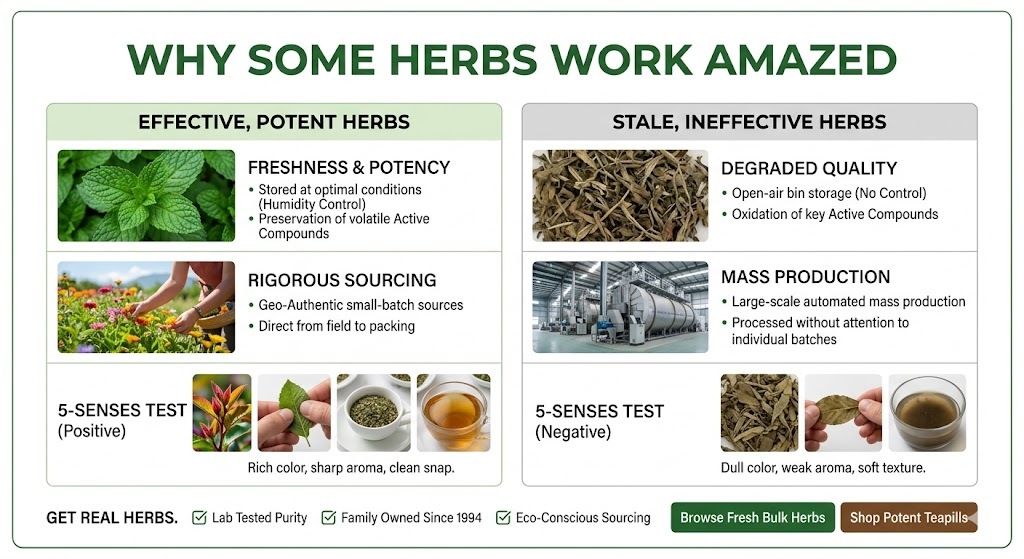
Quick Answer: How Can You Tell If Herbs Are Fresh?
Fresh high-quality herbs often have:
Strong natural aroma
Rich natural color
Crisp texture
Clean taste
Proper dryness
Minimal dust
Vibrant brewing color
Distinct plant structure
Low-quality or stale herbs often:
smell weak or dusty
look faded or gray
feel rubbery or damp
brew weak tea
taste flat
lose aroma quickly
Freshness matters because many herbal compounds naturally degrade over time due to:
heat
light
oxygen exposure
humidity
poor storage
That is one reason two products with the same herb name can feel completely different.
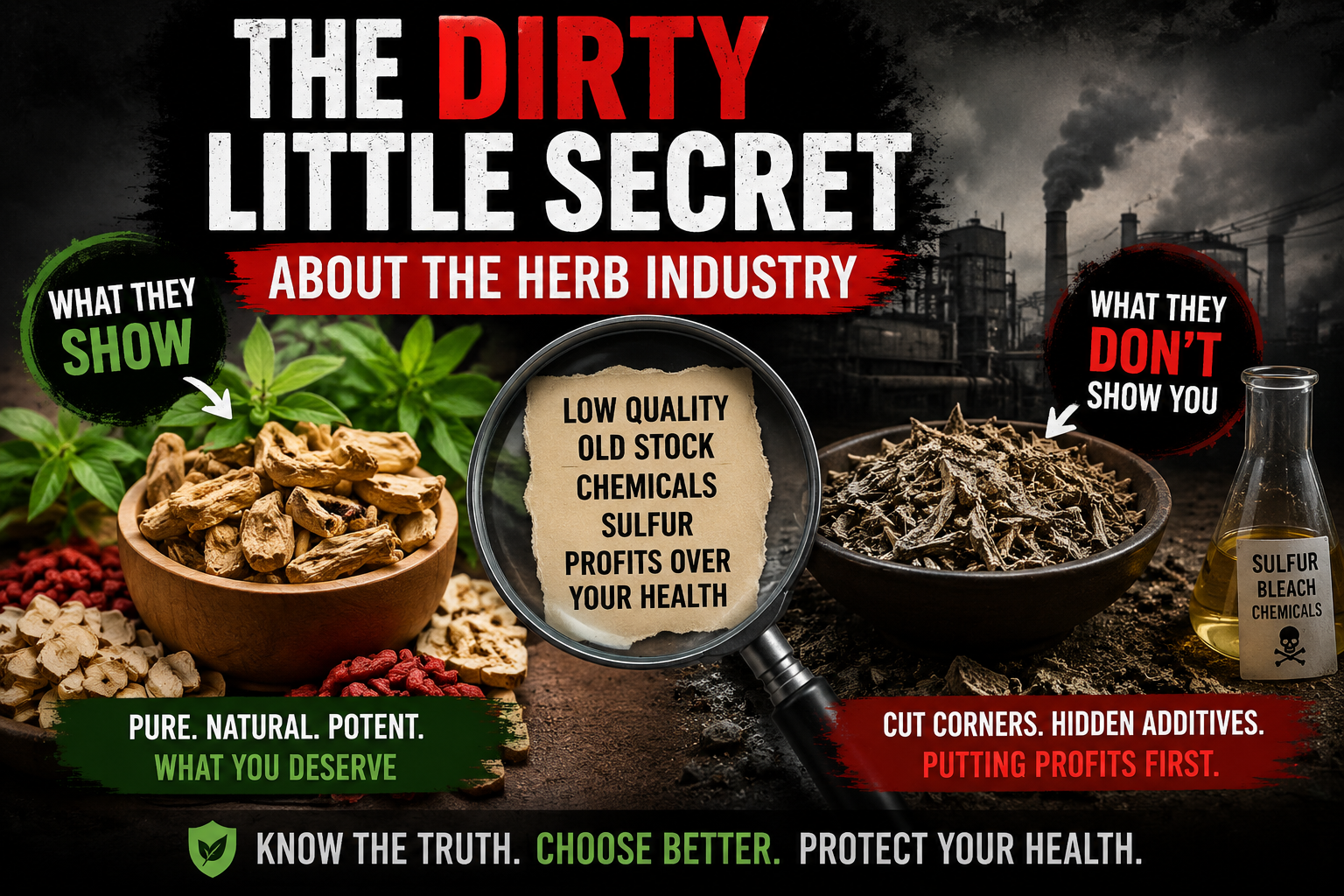
The Dirty Little Secret About the Herb Industry
Many consumers imagine herbs are harvested fresh and quickly shipped. Sometimes they are.
Though it is sad to say, many companies are not honorable. The products sit in hot warehouses.
Stay on shelves for extended periods. Lose volatile oils. Absorb humidity. Oxidize slowly over time.
Become weaker long before customers buy them. This is especially true with:
Powders, Aromatic herbs, Delicate leaves, Improperly sealed products.
And because consumers were never taught what fresh herbs should actually be like… many people blame themselves instead of the product quality.
Why Herbs Lose Potency Over Time
Herbs are not immortal. They are biological materials. That means their active plant compounds slowly degrade.
Especially:
essential oils, antioxidants, aromatic compounds, flavonoids, delicate volatile constituents
Exposure to:
oxygen, heat, moisture, UV light, and fluctuating temperatures can dramatically affect herbal quality.
What You Need To Know
A beautiful photo online does NOT mean the herb is fresh.
Some herbs are:
photographed once
stored for long periods
repeatedly exposed to air
kept in poor climate conditions
Even if they still look “acceptable,” potency may decline significantly.
The 5-Senses Method: How to Identify Truly Fresh Herbs
This is one of the easiest ways to avoid low-quality herbs.
Experienced herbalists often evaluate herbs using common sense as well as the other five senses.
Sight. Smell. Touch. Sound. Taste.
Most consumers have never been taught this.
You should have been.
 1. LOOK — Fresh Herbs Usually Look More Alive
Fresh herbs tend to have:
richer color
clearer plant structure
cleaner cuts
less dust
less discoloration
Signs of Lower-Quality Herbs
Watch for:
grayish tones
excessive browning
dull faded color
crumbling dust
inconsistent pieces
signs of moisture exposure
Example:
Fresh peppermint should still appear green and aromatic.
Fresh ginger root should look fibrous and vibrant.
Fresh astragalus root should not appear pale, exhausted, or lifeless.
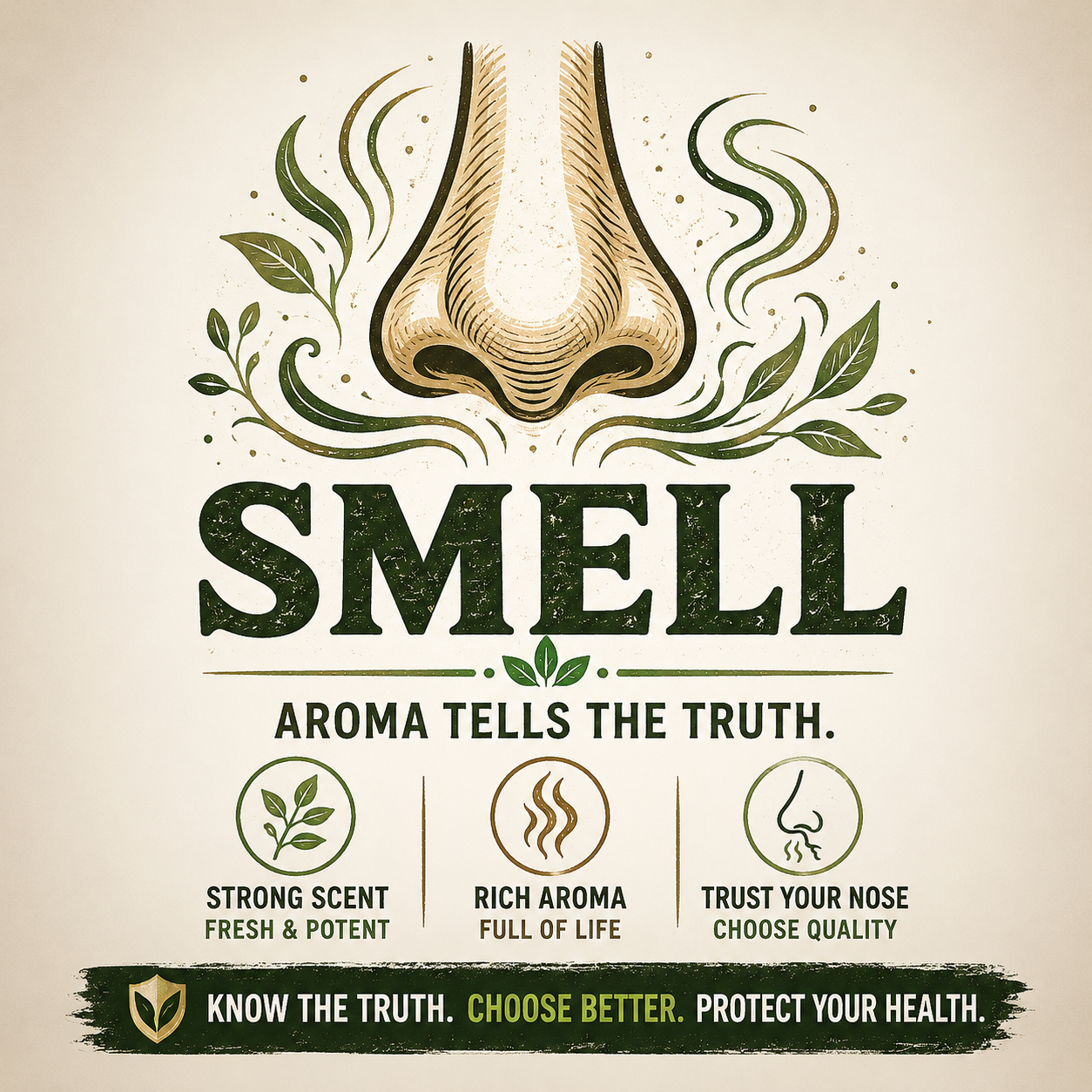 2. SMELL — Aroma Is One of the Biggest Clues
Fresh herbs should smell like actual plants.
That sounds obvious.
But many consumers have only experienced stale herbs without realizing it.
Fresh Herbs Often Have:
strong aroma
deeper complexity
essential oil presence
noticeable freshness
Old Herbs Often Smell:
dusty
cardboard-like
weak
musty
dull
This matters because aroma often reflects volatile plant compounds. When those compounds disappear…the herbal experience changes too.
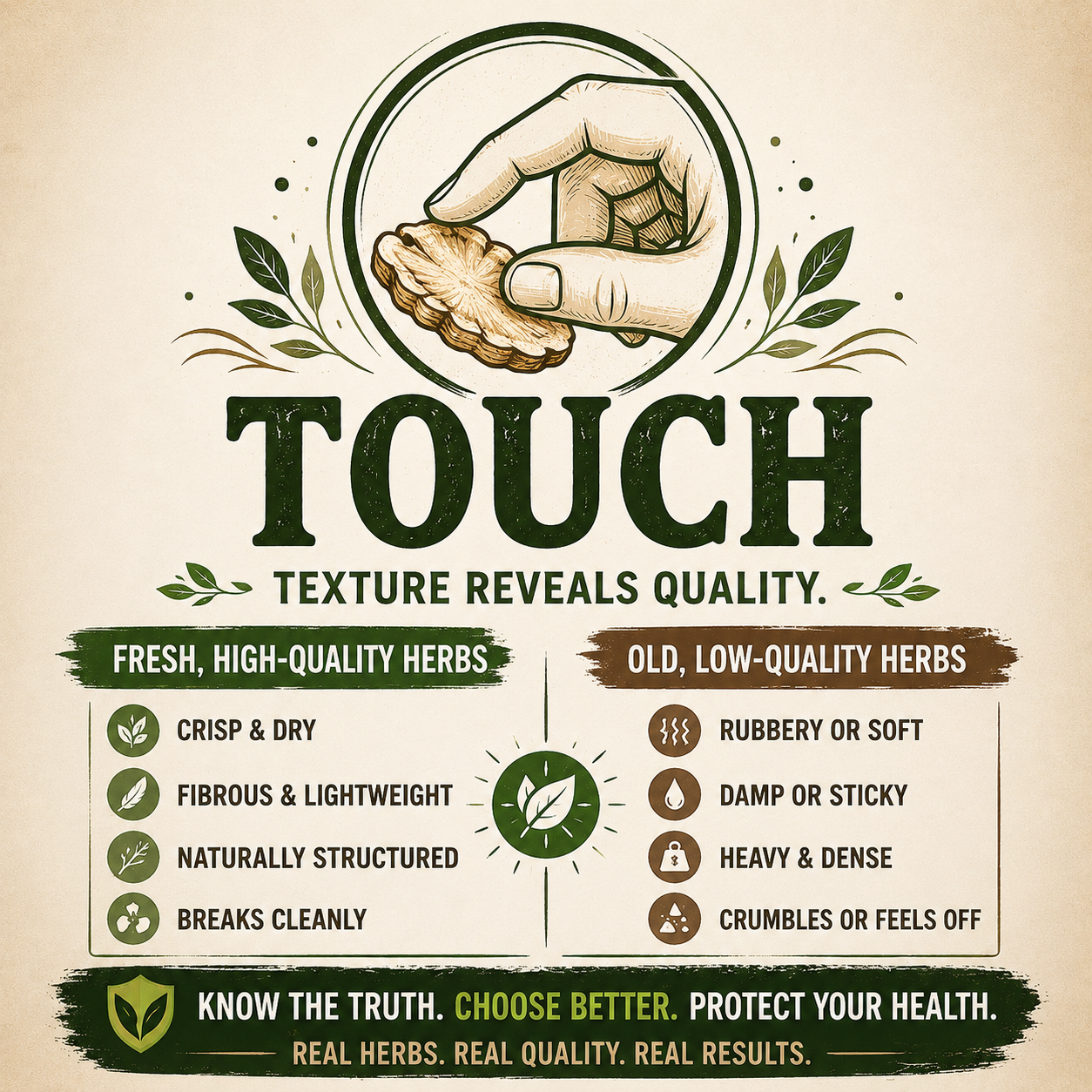 3. TOUCH — Texture Reveals Storage Conditions
Texture is one of the most overlooked quality indicators.
Properly dried herbs usually feel:
crisp
fibrous
dry
lightweight
naturally structured
Warning Signs
Be cautious if herbs feel:
rubbery
soft
damp
sticky
oddly flexible
Moisture exposure can damage herbal quality and shorten shelf life. And unfortunately…many consumers never think to check.
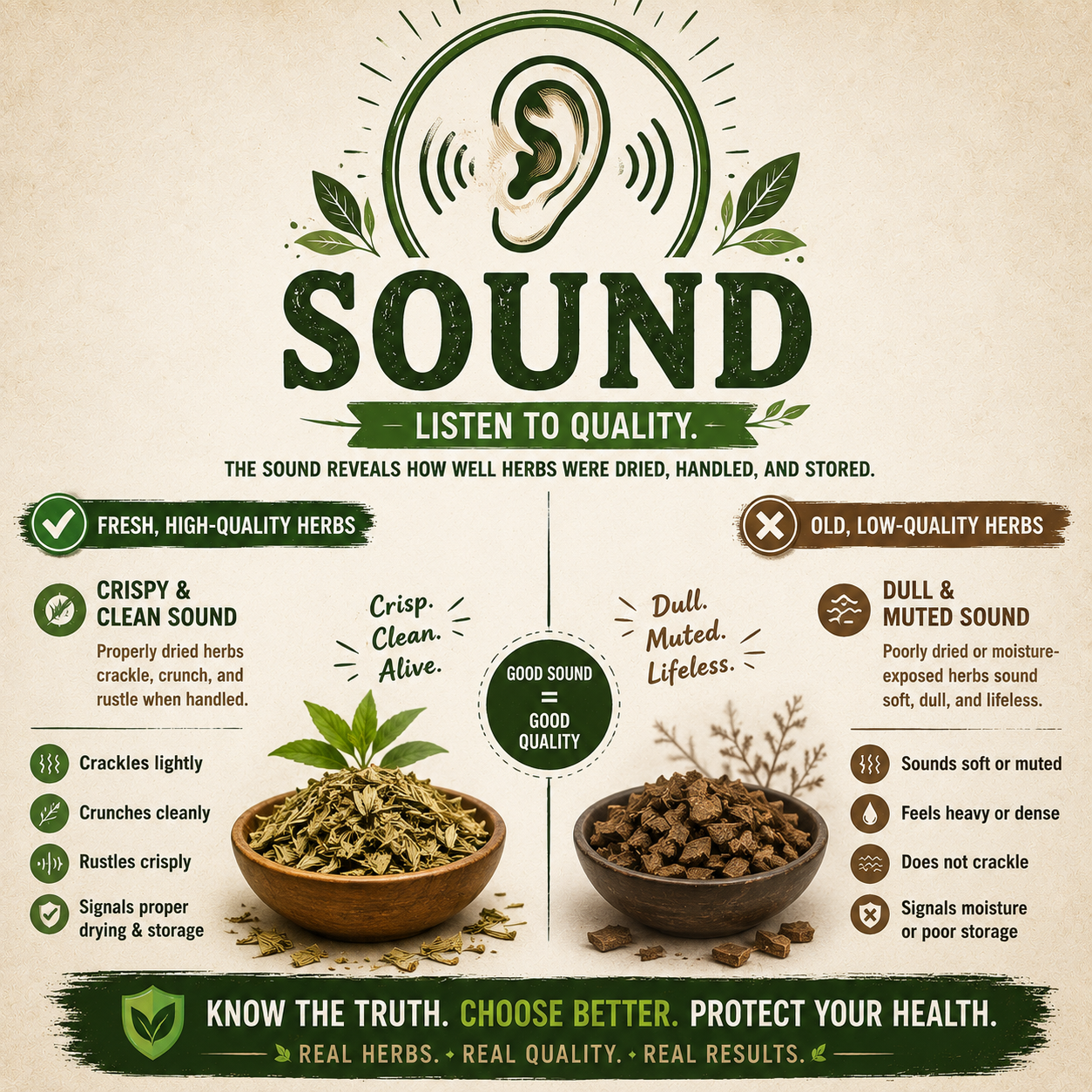 4. SOUND — Fresh Herbs Sometimes “Crackle”
This surprises people.
But experienced herbalists often listen to herbs.
Properly dried herbs may:
crack lightly
crunch cleanly
rustle crisply
Old moisture-exposed herbs often sound:
soft
muted
dense
dull
That subtle crispness often signals proper drying and storage.
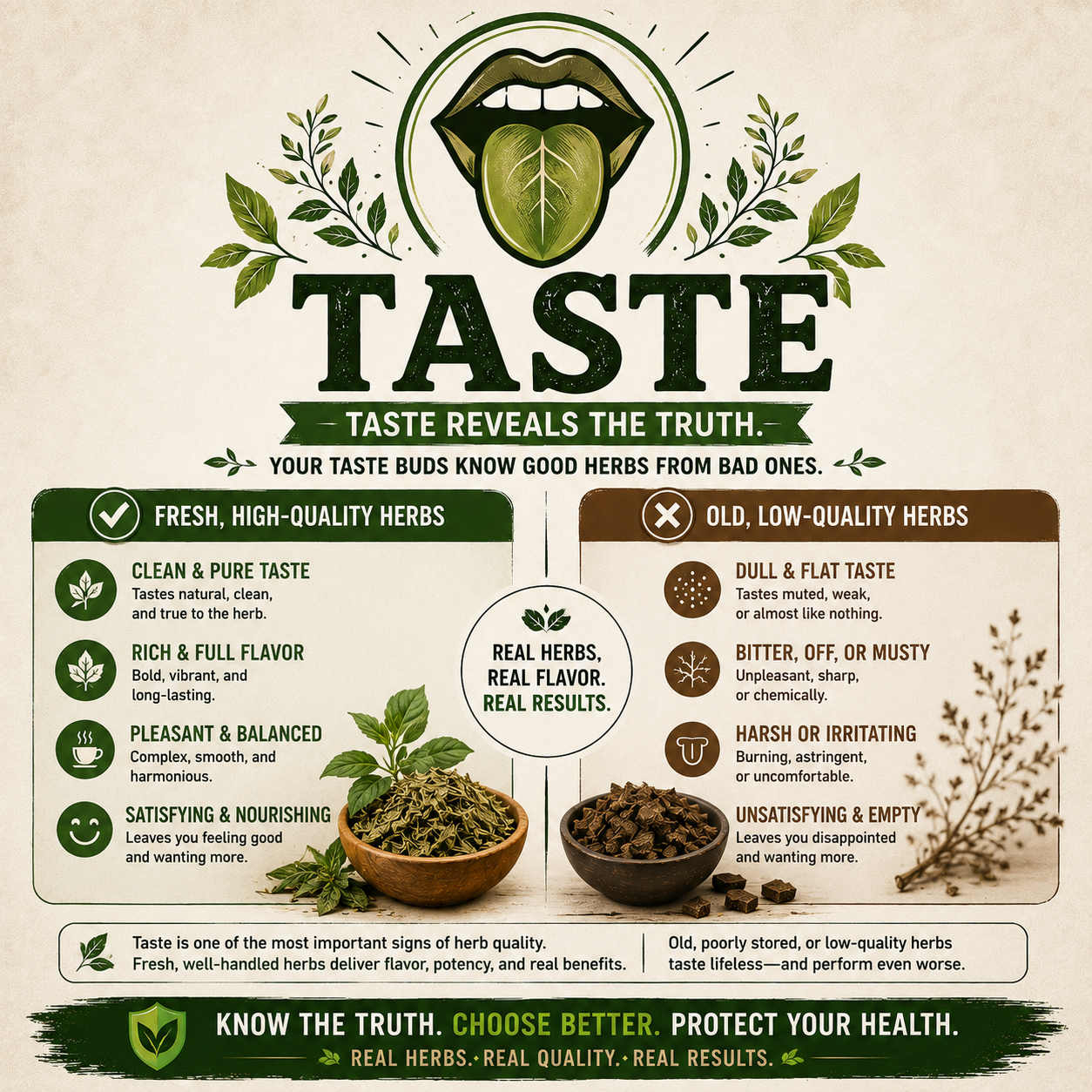 5. TASTE — Fresh Herbs Usually Taste Fuller
Fresh herbs commonly produce:
richer tea
deeper flavor
stronger aroma during brewing
cleaner finish
Stale herbs often create:
muddy flavor
weak tea
flat taste
disappointing experience
This is one reason many people suddenly “believe in herbs again” after trying fresher products.
Fresh Herbs vs. Stale Herbs — Quick Comparison
| Feature | Fresh High-Quality Herbs | Old / Poor-Quality Herbs |
|---|---|---|
| Aroma | Strong and natural | Weak or dusty |
| Color | Vibrant | Dull or faded |
| Texture | Crisp and dry | Rubbery or soft |
| Taste | Rich and distinct | Flat and muddy |
| Brewing | Strong color and aroma | Weak tea |
| Storage | Climate controlled | Hot warehouse exposure |
| Sulfur | Unsulfured | Sometimes chemically treated |
| Consumer Experience | Noticeably fresher | Often disappointing |
Did You Know That Some Herbs Are Sulfur-Treated?
Some lower-quality herbs are sulfur treated to:
preserve appearance
reduce discoloration
discourage insects
extend shelf presentation
But sulfur treatment may:
alter aroma
affect natural appearance
reduce the authentic herbal experience
This is one reason many educated herbal buyers specifically seek:
unsulfured herbs
naturally dried herbs
transparency-focused companies
At 1st Chinese Herbs, we strongly believe consumers deserve to know how their herbs are handled.
Why Powdered Herbs Go Stale Faster
Powders are convenient.
But here is what many people do not realize:
Grinding increases surface area exposure.
Think of it like this: when you cut an apple, it goes brown more quickly.
That means powders may lose freshness faster when:
improperly stored
repeatedly opened
exposed to humidity
exposed to oxygen
This is why storage matters enormously with powders.
It is also why many experienced herbal users prefer buying from companies with:
fresher turnover
climate-controlled storage
proper sealing methods
transparent sourcing
Why Some Cheap Herbs Are Cheap
Consumers often compare prices and wonder:
“Why is one herb dramatically cheaper than another?”
Sometimes the answer is harmless.
But sometimes cheaper herbs may involve:
older inventory
lower grade material
excessive stems/fillers
poor storage
weaker plant parts
sulfur bleaching
poor harvesting practices
Not always.
But often enough that educated buyers should pay attention.
The Biggest Mistake Beginners Make
Most beginners buy herbs based ONLY on:
price
reviews
trendy claims
Instead of asking:
How fresh is it?
How was it stored?
Is it sulfur free?
Is it lab tested?
Is the company transparent?
Do they educate consumers?
Do they specialize in herbs?
Those questions matter enormously.
Best Beginner Herbal Forms: What Should You Start With?
One of the biggest mistakes people make is choosing the wrong herbal form.
Bulk Herbs
Best for:
tea lovers
traditional preparation
customizable use
experienced users
Explore: Our Bulk Herbs Best Sellers
Herb Powders
Best for:
smoothies
fast preparation
convenience
concentrated use
Explore: Powdered Herbs All Brands
Chinese Teapills
Best for:
convenience
travel
beginners
no brewing required
Explore: Our Traditional Chinese Teapills
What Makes 1st Chinese Herbs Different?
At 1st Chinese Herbs, we focus heavily on:
freshness
education
transparency
traditional herbal knowledge
consumer guidance
We strongly believe customers deserve:
real information
better herbal education
clearer preparation guidance
transparent sourcing
cleaner herbs
fresher herbs
Because informed customers make smarter herbal decisions.
What Most People Notice First When Switching to Fresher Herbs
Customers commonly notice:
stronger aroma
richer tea color
better flavor
fresher smell
cleaner appearance
more satisfying brewing experience
Not because herbs are “magic.”
But because freshness matters. A lot.
Beginner Action Plan: Stop Guessing
If you are new to herbs:
Start simple.
Choose:
one goal
one herbal format
one preparation method
Learn:
how fresh herbs should smell
how herbs should brew
how quality changes the experience
Because once you experience truly fresh herbs… you will never look at bargain-bin herbs the same way again.
Frequently Asked Questions
How long do dried herbs stay fresh?
It varies by herb, storage conditions, and preparation form. Aromatic herbs and powders may lose freshness faster than dense roots.
Why do some herbs smell stronger than others?
Freshness, essential oil content, storage conditions, and plant type all affect aroma intensity.
Are brighter herbs always better?
Not always. Some herbs naturally appear darker. But excessive fading or discoloration may suggest age or poor storage.
Why do some herbal teas taste weak?
Possible reasons include:
low herb quality
old inventory
poor storage
insufficient brewing
weak herb-to-water ratio
Do powders lose freshness faster?
Often yes, because grinding exposes more plant surface area to oxygen and humidity.
Final Thoughts
The herbal industry does not always teach consumers how to recognize quality.
It should.
Because many people are not disappointed by herbs…
They are disappointed by:
stale herbs
weak herbs
improperly stored herbs
low-grade herbs
Learning how to identify freshness can completely change your herbal experience.
And once you understand the difference between real fresh herbs and old warehouse herbs…
You stop shopping based only on price. You start shopping based on quality.