

Dang Gui (Angelica Sinensis): Benefits, Tea, Uses & Premium Dong Quai Root Guide
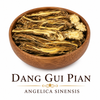
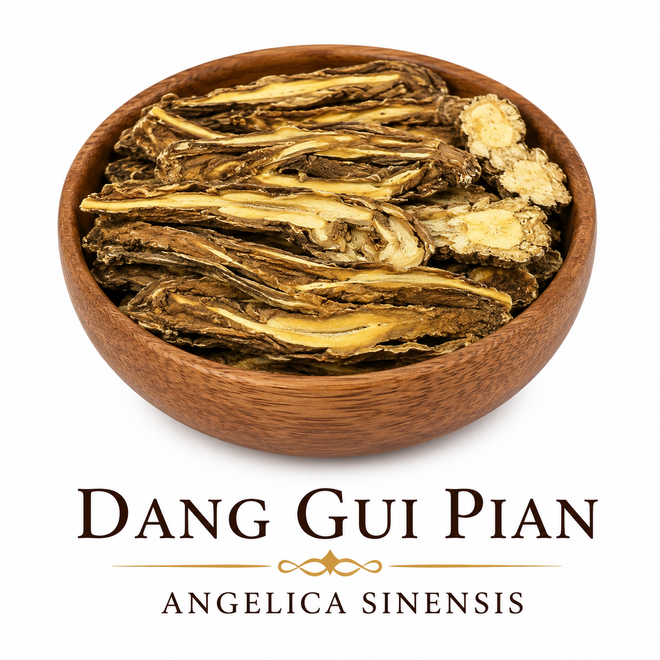
Premium sliced Dang Gui root from Plum Flower — traditionally used in Chinese herbal wellness systems for nourishing, warming, and balancing herbal routines.
Some herbs cool.
Some herbs warm.
Some herbs strengthen.
Dang Gui is one of the most famous tonic herbs in Traditional Chinese Medicine.
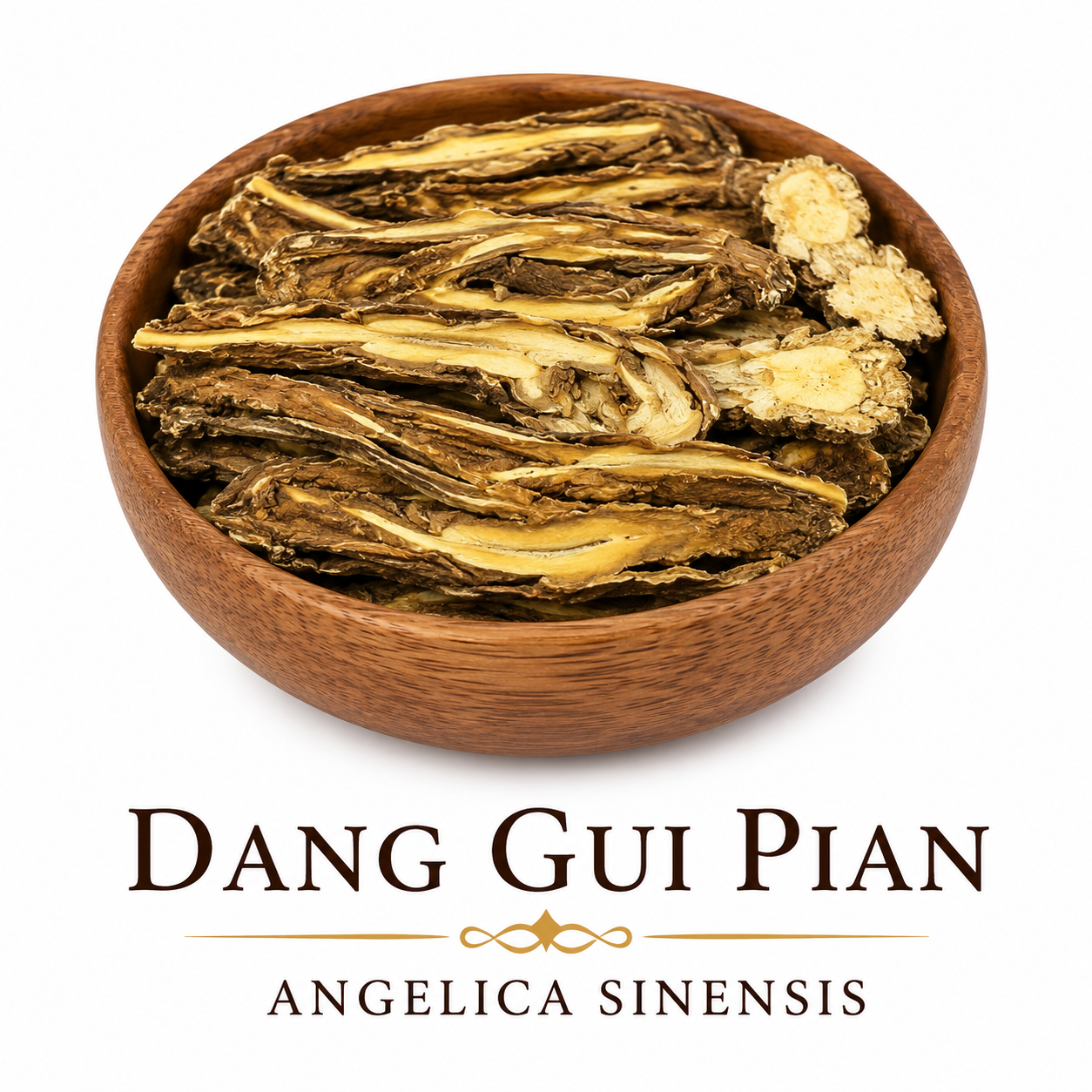
Known as Dang Gui in Traditional Chinese Medicine and Angelica sinensis botanically, this famous root has been used for centuries in traditional herbal systems and remains one of the most widely respected Chinese herbs in the world.
Often called Chinese Angelica or Dong Quai, Dang Gui is traditionally valued for nourishing, warming, and supporting balance in classic herbal wellness routines.
Our Plum Flower Dang Gui comes in premium sliced cut form, making it ideal for decoctions, soups, broths, and traditional herbal preparations.
Quick Navigation
Product Summary
| Common Names | Angelica Root, Chinese Angelica Root, Dong Quai |
| Pin Yin | Dang Gui |
| Botanical Name | Angelica sinensis |
| Form | Cut / Sliced |
| Brand | Plum Flower |
| Package Size | 500 grams |
| Origin | China |
| Other Ingredients | None |
| Taste | Sweet, Acrid, Bitter |
| Nature | Warm |
| Channels | Heart, Liver, Spleen |
Best For
- Traditional tonic herbal routines*
- Decoctions and soups*
- Customers seeking warming herbs*
- Traditional blood-nourishing herbal systems*
Top Benefits of Dang Gui
Traditional Tonic Herb*
Dang Gui is one of the most respected tonic herbs in Traditional Chinese Medicine and is widely used in classic formulas.
Warming Herbal Support*
Traditionally used in warming and nourishing herbal wellness routines.
Traditional Women's Wellness Herb*
Often included in classic Chinese herbal formulas focused on balance and nourishment.
Herbal Decoction Support*
Popular in teas, broths, soups, and traditional decoctions.
Traditional Chinese Medicine View of Dang Gui
In Traditional Chinese Medicine, Dang Gui is classified as a sweet, acrid, bitter, and warm herb.
| Taste | Sweet, Acrid, Bitter |
| Nature | Warm |
| Channels | Heart, Liver, Spleen |
| Traditional Style | Nourishing, warming, moving |
Dang Gui is one of the most famous herbs in Chinese herbal medicine and is commonly used in traditional tonic formulas.
How to Use Dang Gui (Angelica Sinensis Root)
Dang Gui is one of the most versatile roots in Traditional Chinese Medicine and is commonly used in decoctions, soups, broths, and herbal formulas.
Because this product comes in sliced root form, it is ideal for traditional preparation methods.
1. Traditional Decoction
This is the most common and traditional way to use Dang Gui.
- Use 6–15 grams sliced Dang Gui root
- Add 2–4 cups water
- Simmer 30–60 minutes
- Strain before drinking
This method produces a rich herbal decoction with strong flavor and deeper extraction.
2. Herbal Soup or Broth
Dang Gui is widely used in soups and broths.
Many customers enjoy adding it to:
- Chicken soup
- Bone broth
- Herbal soups
- Slow-cooked recipes
3. Tinctures
Dang Gui may also be used to make herbal tinctures for longer-term storage and convenience.
4. Powder or Capsules
Some customers prefer Dang Gui powder or capsules for convenience, but sliced root remains the preferred choice for traditional decoctions.
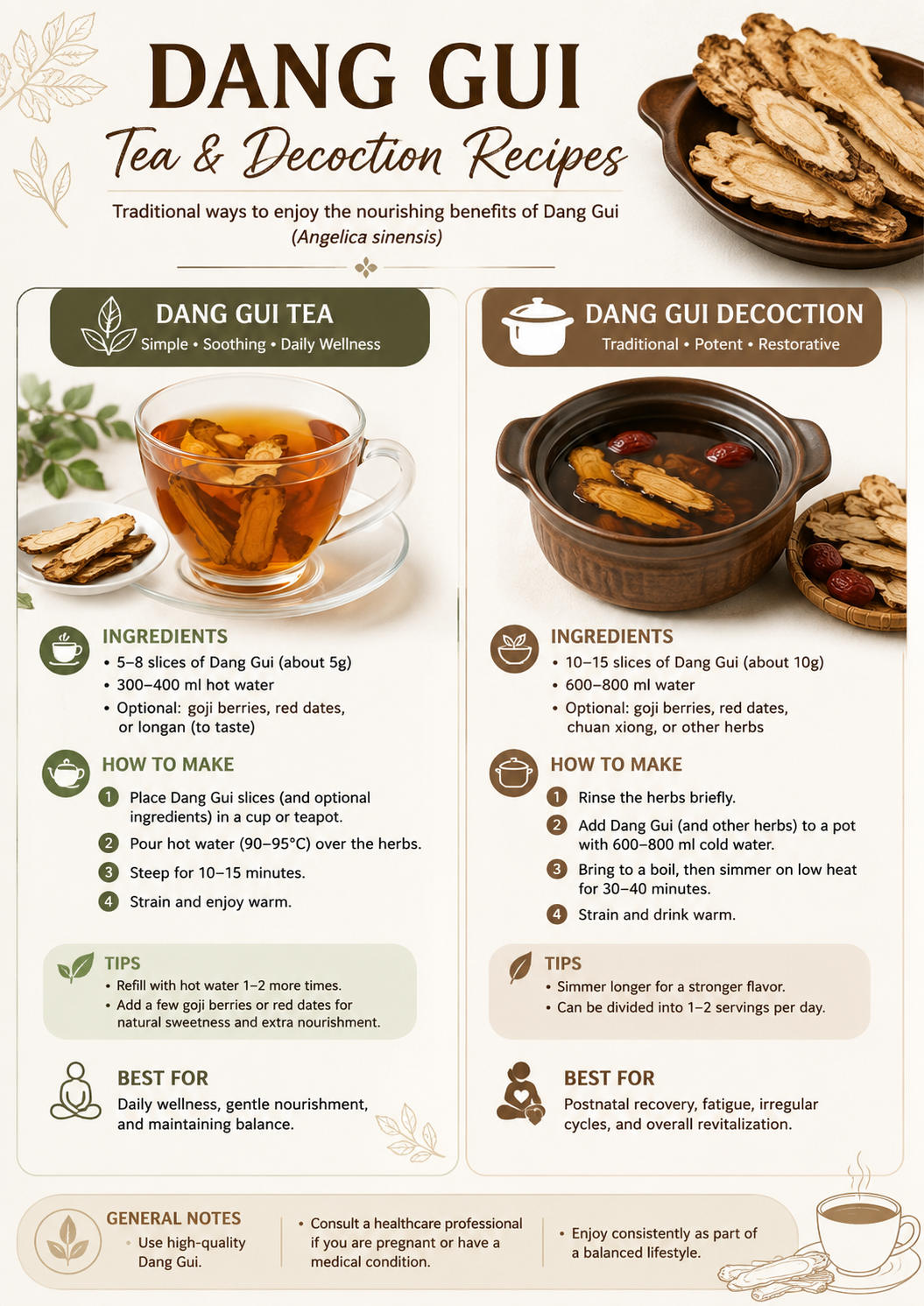
Dang Gui Tea & Decoction Recipes
1. Basic Dang Gui Decoction
- 6–12 grams Dang Gui
- 3 cups water
Simmer 30–45 minutes and strain before drinking.
2. Traditional Tonic Tea
- Dang Gui
- Chinese Date (Da Zao)
- Goji Berry
A classic nourishing tea blend with naturally sweeter flavor.
3. Warming Herbal Blend
- Dang Gui
- Rehmannia
- Huai Niu Xi
A deeper traditional herbal combination used in tonic wellness routines.
Best Herbs to Pair with Dang Gui
Dang Gui combines beautifully with many herbs depending on the intended traditional herbal direction.
Dang Gui + Chinese Date (Da Zao)
A classic nourishing combination with sweeter flavor.
Dang Gui + Rehmannia
One of the most well-known traditional pairings.
Dang Gui + Huai Niu Xi
A popular traditional root combination.
Dang Gui + Goji Berry
A gentler tonic-style blend that many customers enjoy as tea.
What Does Dang Gui Taste Like?
Dang Gui has a unique flavor that is earthy, slightly sweet, aromatic, and warming.
| Flavor Note | Description |
|---|---|
| Sweet | Mild natural sweetness |
| Earthy | Deep root-like herbal flavor |
| Aromatic | Warm and fragrant |
| Slightly Bitter | Gentle bitter finish |
Herbal Note: Dang Gui has one of the most recognizable aromas in Chinese herbal medicine—warm, earthy, slightly sweet, and deeply herbal.
Dang Gui Compared to Other Herbs
| Herb | Best For | Taste | Nature | Choose This If... |
|---|---|---|---|---|
| Dang Gui | Tonic routines | Sweet/Earthy | Warm | You want a classic Chinese tonic root |
| Goji Berry | Daily tea | Sweet | Neutral | You want easier daily tea use |
| Rehmannia | Deep tonic formulas | Rich/Earthy | Slightly Warm | You want deeper tonic support |
| Ginger Root | Warming support | Spicy | Hot | You want stronger warming herbs |
Dang Gui vs Goji Berry
Goji berry is sweeter and easier for beginners. Dang Gui is deeper, earthier, and more traditional in decoctions.
Dang Gui vs Rehmannia
Both are major tonic herbs, but Rehmannia is richer and heavier, while Dang Gui is more aromatic and warming.
Dang Gui vs Ginger Root
Both are warming herbs, but ginger is more spicy and heating, while Dang Gui is more nourishing and tonic in nature.
Cut vs Powder vs Extract
| Form | Best For | Why People Choose It |
|---|---|---|
| Cut Root | Traditional decoctions | Best for authentic herbal preparation |
| Powder | Convenience | Easy to use in capsules and smoothies |
| Extract Powder | Concentrated use | More concentrated and convenient |
Our Take: Sliced Dang Gui root remains the best form for traditional decoctions, soups, and classic Chinese herbal preparation.
Who Should Choose Dang Gui?
- Customers interested in traditional Chinese tonic herbs
- Customers who enjoy decoctions and soups
- Experienced herbal users
- Those wanting warming herbal routines
Who May Prefer Another Herb?
- Beginners may prefer Goji Berry
- Customers wanting cooling herbs may prefer Mulberry Leaf
- Customers wanting spicy warming herbs may prefer Ginger Root
Safety & Cautions
Dang Gui (Angelica sinensis) is one of the most respected herbs in Traditional Chinese Medicine, but like all herbs, it should be used responsibly.
Although widely used in traditional herbal systems, Dang Gui may not be suitable for everyone.
Do Not Use If:
- You are pregnant or nursing
- You have known allergies to Angelica species
- You are sensitive to warming herbs
Use Caution If You:
- Take blood-thinning medications
- Take anticoagulant medications
- Have loose stools or weak digestion
- Take prescription medications
- Have chronic health conditions
If symptoms worsen or feel unusual, discontinue use and consult a qualified healthcare professional.
Modern Research on Dang Gui
Dang Gui (Angelica sinensis) is one of the most extensively studied traditional Chinese herbs due to its long history of use and unique phytochemical profile.
Researchers are especially interested in Dang Gui because it naturally contains:
- Ferulic acid
- Ligustilide
- Polysaccharides
- Plant sterols
- Essential oils
- Amino acids
- Minerals
Modern research interest includes:
- Phytochemical composition
- Antioxidant activity
- Traditional herbal applications
- Botanical compounds
- Plant chemistry
Research Disclosure: The studies below are provided for educational purposes only. Research may involve isolated compounds, extracts, concentrated forms, or experimental preparations and may not directly reflect this product. This product contains sliced whole root and is not intended to diagnose, treat, cure, or prevent any disease.
PubMed & Research References
- Angelica sinensis phytochemistry and pharmacology review
https://pubmed.ncbi.nlm.nih.gov/23433090/ - Dang Gui traditional uses and modern research
https://pmc.ncbi.nlm.nih.gov/articles/PMC4079549/ - Comprehensive review of Angelica sinensis compounds
https://pubmed.ncbi.nlm.nih.gov/29931605/ - Traditional Chinese herbal medicine review
https://www.ncbi.nlm.nih.gov/
Frequently Asked Questions
What is Dang Gui?
Dang Gui is the Traditional Chinese Medicine name for Angelica sinensis, also known as Chinese Angelica or Dong Quai.
What does Dang Gui taste like?
Dang Gui tastes earthy, aromatic, slightly sweet, and mildly bitter.
Is Dang Gui warming or cooling?
Traditionally, Dang Gui is considered warm in nature.
How do I prepare Dang Gui root?
The most traditional method is as a decoction by simmering sliced root in water for 30–60 minutes.
Can I use Dang Gui in soup?
Yes. Dang Gui is commonly added to soups, broths, and traditional herbal recipes.
What herbs pair well with Dang Gui?
Dang Gui pairs well with Chinese Date, Goji Berry, Rehmannia, and Huai Niu Xi.
How should I store Dang Gui?
Store sealed in a cool, dry place away from heat, moisture, and direct sunlight.
Is this product single ingredient?
Yes. This product contains 100% sliced Dang Gui root with no fillers or additives.
Why Buy Dang Gui from 1st Chinese Herbs?
Not all herb suppliers are equal.
The difference between an exceptional herbal experience and a disappointing one often comes down to freshness, purity, sourcing, and botanical accuracy.
- Trusted since 1994
- Plum Flower quality herbs
- Lab-tested herbs
- Identity verified
- No fillers or additives
- Traditional herbs you can trust
Our Promise: We believe customers deserve herbs that are authentic, properly sourced, carefully handled, and clearly identified.
Ready to Try Premium Dang Gui Root?
Experience premium sliced Dang Gui root from Plum Flower for traditional decoctions, soups, broths, and classic Chinese herbal preparation.
Get Real Herbs. Feel the Difference.
Disclaimer: The statements made on this website have not been evaluated by the Food and Drug Administration. This product is not intended to diagnose, treat, cure, or prevent any disease. The information provided is for educational purposes only and is not intended as medical advice. Always consult a qualified healthcare professional before using herbal products, especially if you are pregnant, nursing, have a medical condition, or take medications.