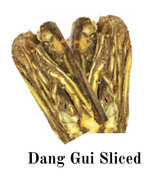


Dang Gui (Angelica sinensis Root) Slices — You Ji Dang Gui Pian (Nuherbs Organics) 1 lb
Dang Gui (Chinese Angelica Root), also called Angelica sinensis or Dong Quai, is a cornerstone herb in Chinese herbalism for nourishing and harmonizing “Blood” in the traditional sense and supporting healthy circulation and comfort.*
This page is designed to answer the questions you keep asking but rarely get clear answers to: What part is this? How do I brew it? What does it taste like? What’s the difference between Dang Gui Tou, Wei, and Pian? How do I know it’s clean and authentic?
Quick Facts
- Common name: Chinese Angelica Root / Dang Gui / Dong Quai
- Botanical name: Angelica sinensis (Radix)
- Pin Yin: You Ji Dang Gui Pian
- Form: Organic sliced root
- TCM channels (meridians): Liver, Heart, Spleen
- Package size: 1 lb
- Ingredients: 100% single herb (no fillers, no excipients)
- Origin: China
- Brand: Nuherbs Organics
Typical use note: Sliced Dang Gui is commonly brewed as a decoction or added to soups. Potency and best use depend on how it’s prepared and whether it’s combined with other herbs.*
What Is Dang Gui Pian?
Dang Gui Pian means “Dang Gui slices.” It is the sliced root of Angelica sinensis, a classic Chinese herb often discussed for women’s wellness traditions and for supporting healthy circulation and comfort.* In Chinese herbalism, Dang Gui is frequently described as a key “Blood” herb—helping to nourish, move, and harmonize in traditional terms.*
Modern research on Angelica sinensis often focuses on compounds such as polysaccharides, ferulic acid, and
Z-ligustilide, along with authentication methods and quality evaluation—important because quality and identity are major consumer pain points in online herb shopping.
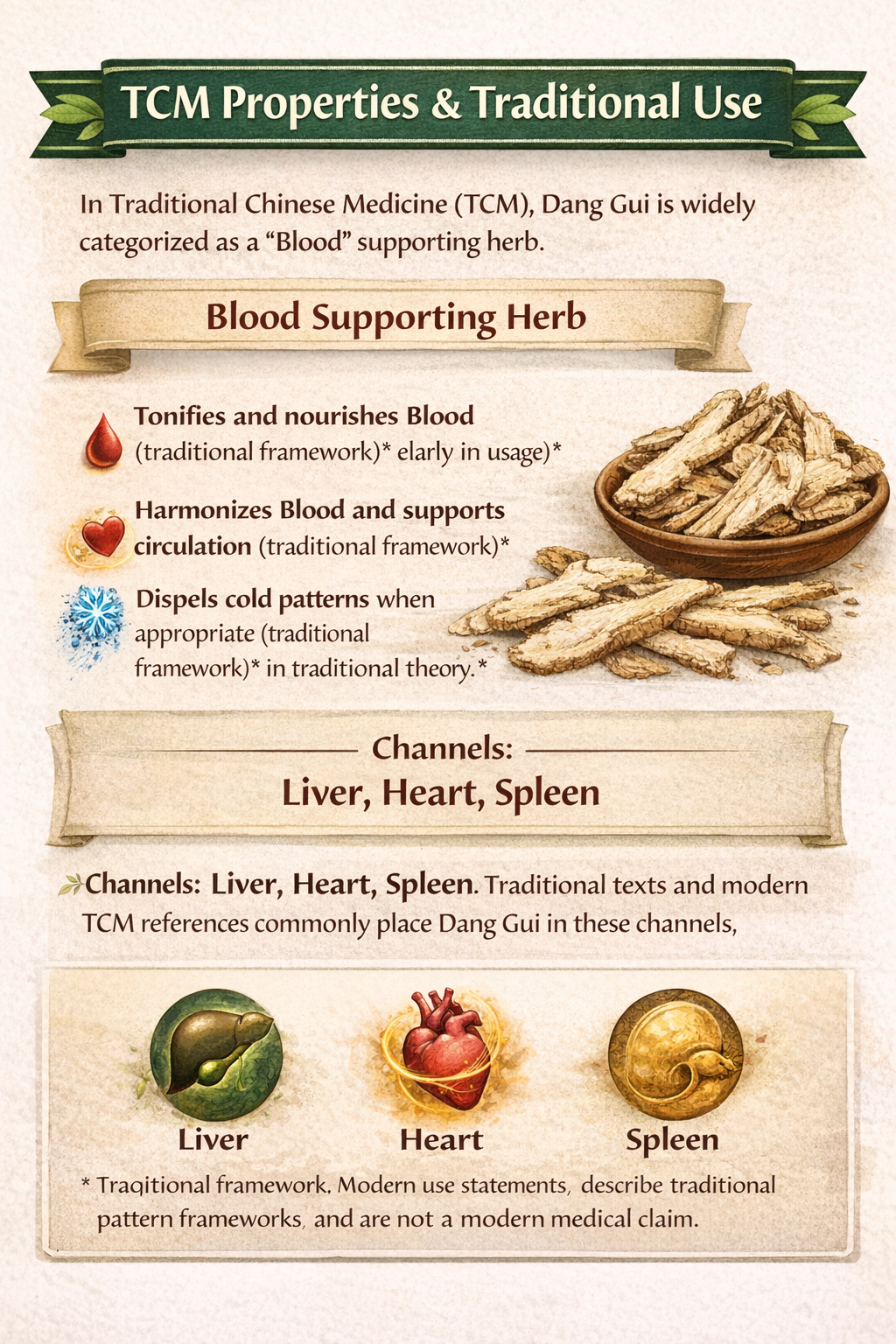
TCM Properties & Traditional Use
In Traditional Chinese Medicine (TCM), Dang Gui is widely categorized as a “Blood” supporting herb. Traditional descriptions commonly include:
- Tonifies and nourishes Blood (traditional framework)*
- Harmonizes Blood and supports circulation (traditional framework)*
- Dispels cold patterns when appropriate (traditional framework)*
Channels: Liver, Heart, Spleen. Traditional texts and modern TCM references commonly place Dang Gui in these channels, linking it with Blood storage (Liver), circulation (Heart), and nourishment/creation (Spleen) in traditional theory.*
*Traditional use language describes historical pattern frameworks and is not a modern medical claim.
Dang Gui Tou vs Dang Gui Wei vs Dang Gui Pian (Confusing?)
Dang Gui root is often divided into parts. This is one of the most common buyer-confusion issues online—so here’s the simple version:
Dang Gui Tou (当归头) — “Head” portion
- What it is: Upper/root head portion
- Traditional emphasis: More “tonifying” (nourishing) in classic usage*
- Common buyer intent: People seeking a “more nourishing” style use*
Dang Gui Wei (当归尾) — “Tail” portion
- What it is: Lower/root tail portion
- Traditional emphasis: More “moving/invigorating” in classic usage*
- Common buyer intent: People seeking “circulation/comfort” style support in traditional terms*
Dang Gui Pian (当归片) — Slices of the whole root
- What it is: Slices that may include multiple parts
- Traditional emphasis: Balanced—combines nourishing + moving qualities*
- Why customers like it: Versatile, easy to brew, easy to add to soups*
What Does Dang Gui Taste Like?
Dang Gui has a distinct earthy, herbal aroma and a flavor often described as warm, slightly sweet-bitter, and aromatic. Many people soften the taste by pairing it with mild herbs, adding a slice of fresh ginger, or using it in broths/soups.
What it looks like: Sliced root pieces (often compared jokingly to a “big tooth” shape). The look isn’t the point—the point is clear identity, good aroma, and clean processing.
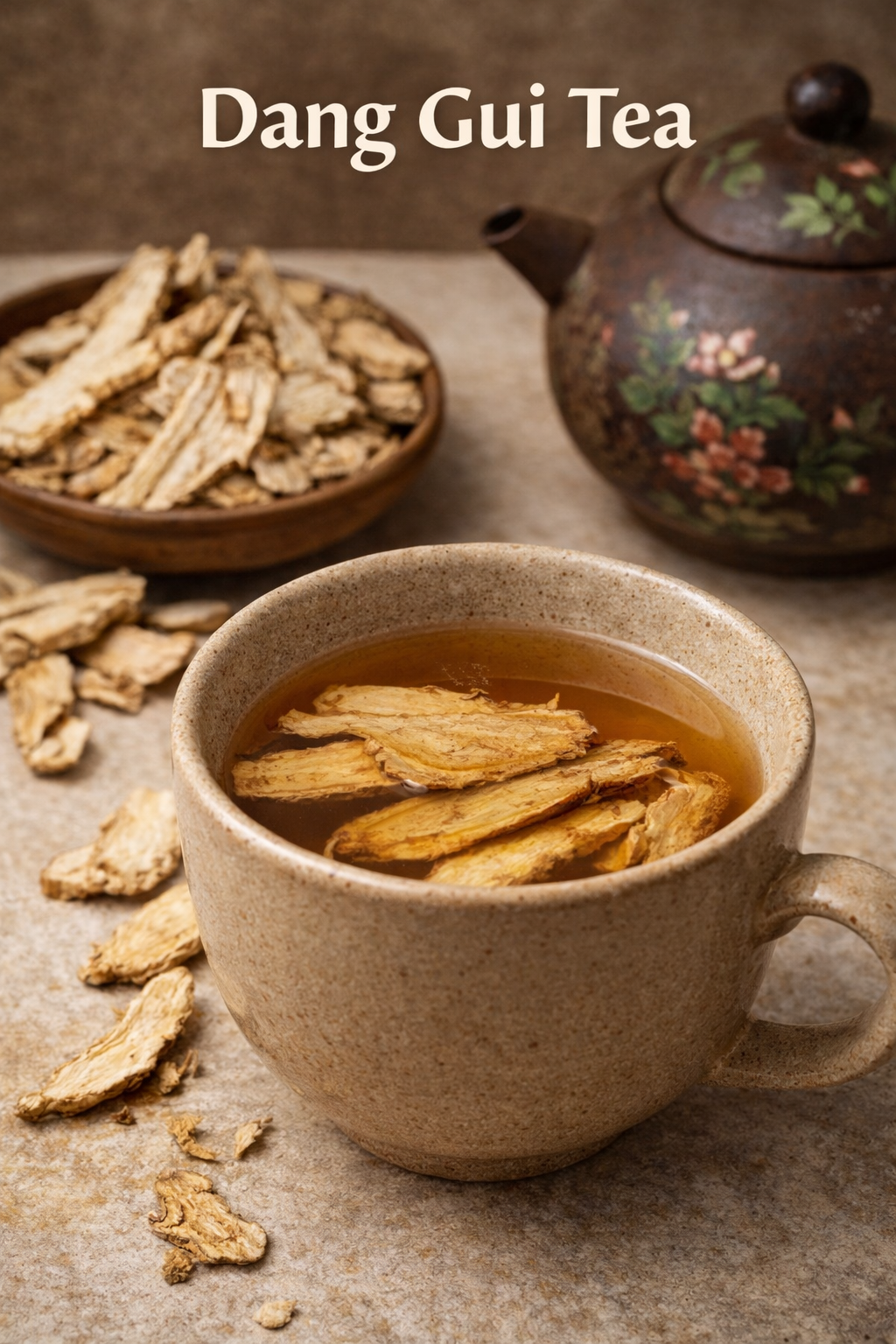 How to Use Dang Gui Slices
Option 1: Decoction (simmered tea) — the classic way for sliced root
Ingredients:
- 10–15 grams Dang Gui slices (typical educational range)
- 4 cups water
Directions:
- Measure 10–15 grams of slices.
- Bring 4 cups of water to a boil.
- Add Dang Gui slices, reduce to a gentle simmer.
- Cover and simmer for 30–45 minutes (some people go up to 60 minutes for roots).
- Strain and drink warm, or store for later.
Storage: Refrigerate extra decoction up to 2 days.
Flavor tip: Add fresh ginger or honey if desired.
Option 2: Soup/broth (popular for everyday use)
Add a small handful of slices to soups or broths during cooking. Many traditional kitchens use Dang Gui this way because it’s gentle, food-friendly, and easy to incorporate.*
More how-to methods: teas, capsules, tinctures, poultices, foot baths, and more: How to Use Bulk Herbs.
Quality & Testing: What Makes This Nuherbs Organics Dang Gui Different?
Consumers don’t just want Dang Gui—they want real Dang Gui, clearly labeled, properly handled, and tested. Nuherbs emphasizes rigorous quality and safety testing and screening for pesticides, heavy metals, and microbials. This matters because identity and contamination are two of the biggest quality gaps in online herbs.
Nuherbs testing & safety focus (what they publish)
- Pesticide screening: close to 200 pesticides (per their published quality program)
- Heavy metals: lead, mercury, arsenic
- Microbial testing: yeast, mold, total plate count, salmonella, E. coli
Source references for Nuherbs quality/testing pages are linked in the references section below.
Cautions, Interactions & Who Should Avoid Dang Gui
- Pregnancy & breastfeeding: Avoid unless directed by a qualified clinician.
- Bleeding risk / anticoagulants: If you take blood thinners (example: warfarin) or have a bleeding disorder, consult your clinician before use.
- Hormone-sensitive conditions: If you have a hormone-sensitive condition, discuss with your clinician before use.
- Diarrhea patterns: Traditional use often avoids Dang Gui in certain chronic loose-stool patterns.
- Drug interactions: Ask a pharmacist or clinician if you use prescription medications.
Always consult a licensed healthcare professional if you are pregnant, nursing, have a medical condition, or take medications.
Frequently Asked Questions (FAQs)
How do I take Dang Gui slices?
Most customers use Dang Gui slices as a decoction (simmered tea) or add them to soups and broths. If you want precise dosing and the best herb combinations for your needs, consult a qualified practitioner.
How long does it take to notice results?
It varies by person, preparation method, and whether Dang Gui is used alone or in a formula. Traditional herbal approaches are typically used consistently over time. Follow professional guidance for best results.
Can I combine Dang Gui with other Chinese herbs?
Yes. Dang Gui is commonly combined in classic formula strategies. For safe, appropriate combinations—especially if you take medications—work with a qualified practitioner.
Is Dang Gui the same as Dong Quai?
Yes. “Dong Quai” is a common English name for Angelica sinensis.
Are there side effects?
Some people may need extra caution due to interactions (especially anticoagulants) and pregnancy/breastfeeding restrictions. If you’re unsure, consult a clinician before using.
PubMed Research Links
Ferulic acid and Z-ligustilide components and synergistic effect research (Pan et al., 2016)
Full-text (PMC): Synergistic effect of ferulic acid and Z-ligustilide (open access)
https://www.mountsinai.org/health-library/herb/dong-quai
https://www.ncbi.nlm.nih.gov/pmc/articles/PMC3174116/
https://www.sciencedirect.com/science/article/pii/S0378874113008933
https://draxe.com/nutrition/dong-quai/
https://magazine.circledna.com/angelica-sinensis-benefits-10-health-benefits-of-angelica-sinensis-root-extract/
These links are provided for education and transparency; they do not imply disease treatment claims.
These statements have not been evaluated by the Food and Drug Administration (FDA). This product is not intended to diagnose, treat, cure, or prevent any disease.
How to Use Bulk Herbs:
The sliced form of Dang Guiis great in soups. Though many will use the sliced root as a decoction. The decoction may take up to 1 hour to brew.
Check out our How to Use Bulk Herbs page to see how to use herbs correctly. Our web page is constantly expanding, as of today we have articles on:
- How to make salves, poultice, tinctures, teas, capsules, gargles, and foot bathes
- How to make a citrus facial splash
- Cayenne pepper: Caterpillar and aphid spray ( Natural insect repellent )
- Citrus potpourri basket
GMP Statement
Good Manufacturing Practices (GMPs) are guidelines that govern the manufacturing process of a product to ensure that the quality and safety of the product is consistent. To ensure compliance and traceability, each step of the manufacturing process must be documented and adhere to its defined guidelines. By documenting the manufacturing process, validating the equipment used, and following preset guidelines, the manufacture ensure the quality of each lot of their products.
About Nuherbs Lab Tested Quality
Each batch of herbs is dual-lab tested by our in-house lab and independent third party lab. Our in-house lab is equipped with instruments such as a high performance liquid chromatography, moisture determination meter, Fourier transform infrared spectrometer, atomic absorption spectrophotometer, gas chromatograph, etc.
In addition, the following additional tests are performed:
- Micro bacteria
- Pesticides - over 200 pesticides tested for (Uab 2000 screen).
- Heavy Metals - Lead, Mercury and Arsenic
Traditional Chinese Herbs encompasses the use of different parts of plants, such as the leaves, roots, stems, flowers, and seeds. These plant parts are often used as a tea, decoctions, extracts, made into capsules or even a footbath. These bulk herbs should be regarded as an added feature to modern Western healthcare, and not as a replacement. Chinese traditional herbs ( Teas ) emphasize harmony and balance.
We encourage you to educate yourself on herbs and supplements by researching reputable sites and books. Having an open discussion with your physician on what will be most beneficial for your health issues. And lastly ,discussing the interaction of herbs and pharmaceuticals with your pharmacist or physician.