

Organic • Single-Ingredient • Pantry + Traditional Use
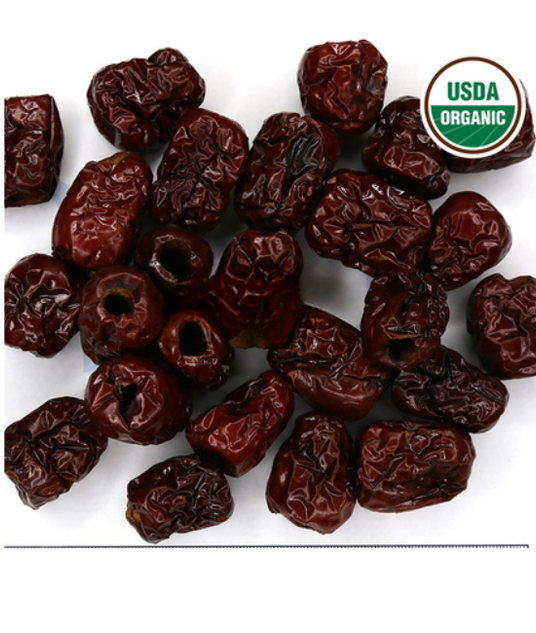
Da Zao (You Ji Da Zao) — Chinese Red Dates (Whole Fruit), 1 lb
Da Zao (大枣), also widely known as Chinese Red Dates or Jujube, is a classic “food-as-tradition” fruit used in Chinese kitchens and in Traditional Chinese Medicine (TCM) cooking. People add Da Zao to soups, congee, and warming teas for its naturally sweet flavor and its traditional “harmonizing” role in formulas—often described as helping a blend feel gentler and more balanced.
At a Glance
- Ingredients: Whole jujube fruit (no additives)
- Best uses: Tea, soups/broths, congee/oatmeal, formula support
- Transparency: Ask us for a Certificate of Analysis (COA)
Shop With Confidence
- Clear labeling so you know what you’re buying
- Stored and packed to protect freshness
A COA can help confirm identity and provides a snapshot of quality screening when available for the batch you receive.
Quick Facts on Da Zao
Chinese Date, Chinese Red Date, Jujube, Red Jujube
Da Zao (also commonly sold as “Hong Zao”)
Ziziphus jujuba (Fructus)
Whole dried fruit • 1 lb bag
Spleen, Stomach (often also Heart in TCM references)
Naturally sweet, mild, “date-like”
China
What Is Da Zao?
Da Zao is the ripe, dried fruit of Ziziphus jujuba—a staple pantry ingredient in many Chinese households. In traditional use, it’s valued for its sweetness and its “harmonizing” role in soups and herbal combinations. In everyday life, that often looks like: adding a few dates to a simmer pot to round out flavor, soften bitter edges, and make the entire brew feel more approachable.
Why People Use Da Zao (Traditional + Everyday Wellness)
Traditional patterns and modern nutrition are two different lenses.
Commonly used in soups, broths, and breakfast porridges as a gentle, sweet addition.
Often included to help formulas feel smoother and more balanced in taste.
In tradition, jujube is associated with “Shen” support; modern research explores jujube constituents and calming pathways. (See references.)
Clinical and review literature has investigated jujube fruit infusion/consumption in cardiometabolic contexts. (See references.)
Herbal tradition describes historical use patterns and food culture. Individual responses vary. If you have a health condition or take medications, consult your clinician.
Da Zao vs “Hong Zao”: What’s the Difference?
In most herbal shops and recipe contexts, Da Zao and Hong Zao commonly refer to the same red jujube dates used in teas and soups. The names vary because:
- Language + context: “Hong Zao” is often the market/food name (“red date”), while “Da Zao” is the classic TCM herb name.
- Processing/grade differences: Some sellers separate by appearance or processing, but this is not consistent across the market.
- Extra confusion: You may also see darker “black date” products listed separately (often “Hei Zao”), which can make naming feel messy.
If your recipe or traditional tea calls for “Da Zao,” your standard whole red jujube dates (like this product) are typically the correct match for daily kitchen use.
How to Use Da Zao (Simple, Real-Life Methods)
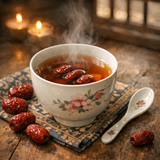
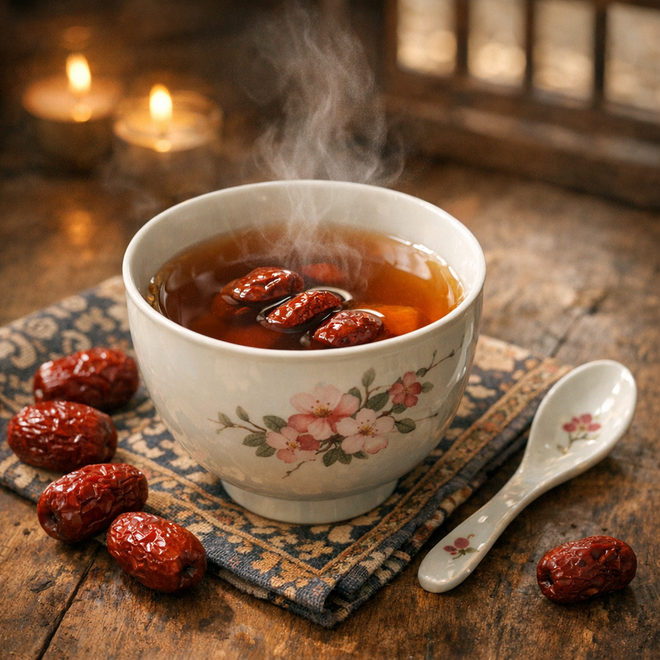
1) Da Zao Tea (Everyday Kitchen Method)
- Rinse 6–10 dates.
- Lightly crack or slice (this helps infusion).
- Simmer in 4–6 cups of water for 15–30 minutes.
- Drink warm, or use as a base for other herbs.
Taste tip: If you’re blending with more bitter herbs, Da Zao can soften the edges naturally—no sugar needed.
2) Soup & Broth Method
Add 6–12 dates to soups, bone broth, or slow-cooker meals. They bring gentle sweetness and a “rounding” effect to flavor.
3) Congee / Oatmeal / Rice Porridge
Add dates while cooking congee or oatmeal for a naturally sweet breakfast. Remove pits before serving if needed.
For daily cooking and tea, use food-appropriate amounts (like the ranges above). For therapeutic-style formula dosing, consult a qualified practitioner.
How to Identify Quality Da Zao
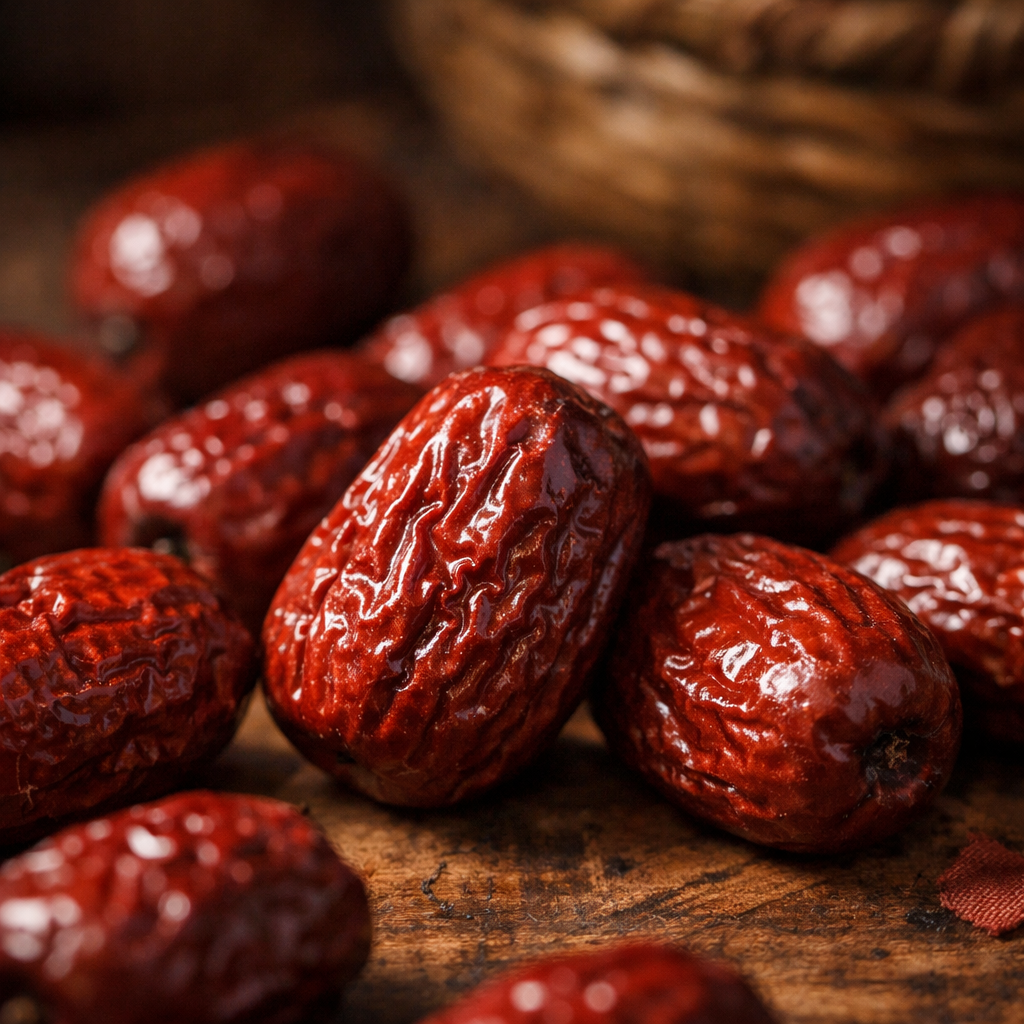
- Color & integrity: Uniform red to reddish-brown; avoid gray/dusty fruit or visible mold.
- Aroma: Mild, sweet fruit scent; avoid musty “basement” odors.
- Texture: Supple and chewy; not overly brittle or crumbling.
- Clarity: Prefer listings that show the botanical name and form (whole fruit) clearly.
- Documentation: When available, a batch COA supports transparency and identity confidence.
Cautions & Safety
- Pregnant or nursing: Consult your clinician before use.
- Digestive fullness: In TCM tradition, very sweet, “cloying” foods may worsen heaviness/fullness for some people—use moderate amounts if you notice discomfort.
- Blood sugar considerations: Da Zao is naturally sweet. If you are monitoring blood sugar, use portions consistent with your dietary plan and clinician guidance.
- Prop 65: This product includes a California Prop 65 notice (California-specific warning requirements).
- Medications/conditions: If you take medications or have a medical condition, consult your healthcare professional before using herbs.
FAQ
Are Da Zao and “Hong Zao” the same?
Most of the time, yes—both names commonly refer to red jujube dates used in soups, teas, and traditional blends. Some sellers use names differently by grade or processing, so the most reliable check is the botanical name: Ziziphus jujuba (fruit).
What do Da Zao taste like?
Mildly sweet and fruity—often described as a gentle date/apple-like flavor. When simmered, they sweeten the liquid softly rather than sharply.
Do I need to remove the pit?
Not for simmering tea or soup. If you plan to eat the softened fruit, removing pits before serving can be more convenient.
How do I store Da Zao?
Store sealed in a cool, dry place. If your climate is humid, refrigeration can help preserve freshness.
Related Links
PubMed / PMC References (Linkable)
References below are for educational purposes and discuss jujube (Ziziphus jujuba) in food and research contexts.
- Chen J, et al. A Review of Dietary Ziziphus jujuba Fruit (Jujube). (2017). PMC: View on PMC :contentReference[oaicite:0]{index=0}
- Yazdanpanah Z, et al. Effect of Ziziphus jujube Fruit Infusion on Lipid Profiles, Glycaemic Control and Antioxidant Status in Type 2 Diabetes. (2017). PubMed: View on PubMed :contentReference[oaicite:1]{index=1}
- Farhadnejad H, et al. Effect of dried Ziziphus jujuba consumption on cardiometabolic profiles. (2025). PMC: View on PMC :contentReference[oaicite:2]{index=2}
- Sabzghabaee AM, et al. Effect of Zizyphus jujuba fruits on dyslipidemia in obese adolescents. (2013). PubMed: View on PubMed :contentReference[oaicite:3]{index=3}
- Ahmadi M, et al. Impact of jujube fruit on serum lipid profile, glycemic index, and metabolic factors: meta-analysis. (2025). PubMed: View on PubMed :contentReference[oaicite:4]{index=4}
- Popstoyanova D, et al. Ziziphus jujuba: Applications in the Pharmacy and Food Industry. (2024). PMC: View on PMC :contentReference[oaicite:5]{index=5}
Author: 1st Chinese Herbs Research Team
Last Updated: 02/25/2026
Chinese traditional herbs should be regarded as a supplementary aspect to modern wellness choices and not as a replacement for medical care. If you have medical questions, consult a licensed healthcare professional.