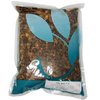


Forsythia Fruit (Lian Qiao) – Cut Bulk Herb, Lab-Tested Geo-Authentic
Quick Answer: Forsythia Fruit, known as Lian Qiao, is the dried fruit of Forsythia suspensa used in Traditional Chinese Medicine to “clear heat and resolve toxicity”, especially in wind-heat and toxic-heat patterns. It is bitter, slightly acrid, and cool, entering the Heart, Liver, and Gallbladder channels. Modern research focuses on plant compounds such as forsythoside A and lignans for their antioxidant, anti-inflammatory, and antimicrobial activities in preclinical studies.
Written by: Sarah Johnson, herbal specialist and owner of 1st Chinese Herbs (family-owned since 1994)
Last reviewed: December 2025
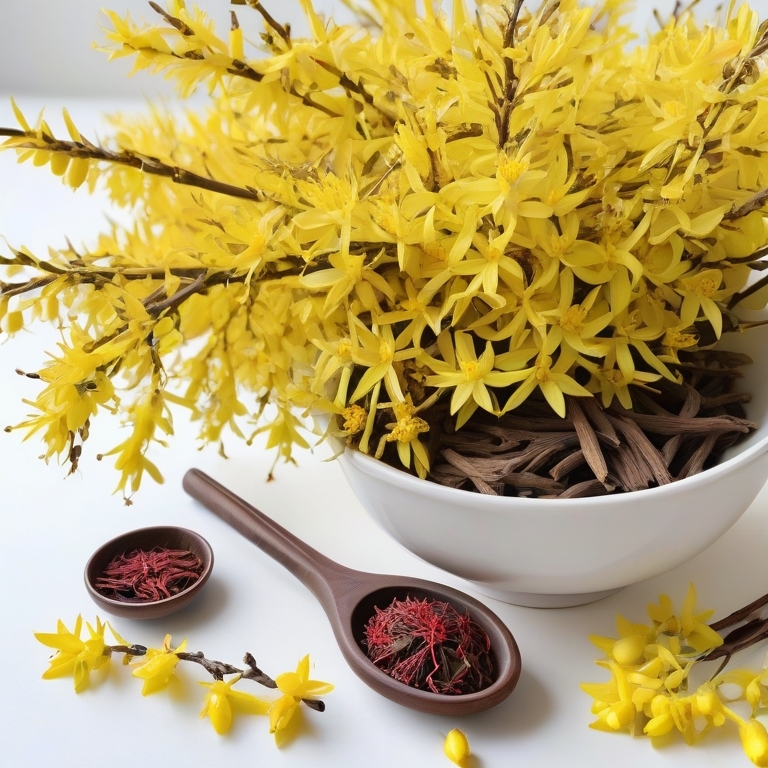 Forsythia Fruit (Lian Qiao) – Quick Facts
| Common Name | Forsythia Fruit |
|---|---|
| Botanical Name | Forsythia suspensa (Thunb.) Vahl – Fructus |
| Pinyin | Lian Qiao (連翹) |
| Form | Cut / sliced fruit (non-uniform pieces) |
| Net Weight | 1 pound (bulk) |
| Brand | Nuherbs™ / 1st Chinese Herbs |
| Origin | China (geo-authentic) |
| TCM Properties | Bitter, slightly acrid, cool |
| Channels | Heart, Liver, Gallbladder |
Other Ingredients: None. No fillers, flavors, or additives.
Naturally Occurring Components (not added): forsythoside A and related phenylethanoid glycosides, forsythin, matairesinoside, betulinic acid, phillygenin, pinoresinol and other lignans and triterpenoids.
Typical Use: Prepared as part of traditional decoctions and formulas under practitioner guidance.
Cautions: Do not use if pregnant or nursing. Use with care if you are constitutionally cold or have weak digestion. Always consult your healthcare provider before use.
California Prop 65: This product may contain naturally occurring substances present in plants and soil. See our Prop 65 information page for details.
Forsythia Fruit

Bulk cut Forsythia Fruit (Lian Qiao), 1 lb – geo-authentic, lab-tested herb.
Lian Qiao in Traditional Chinese Medicine
In Traditional Chinese Medicine (TCM), Forsythia Fruit (Lian Qiao) is classified as an herb that “Clears Heat and Resolves Toxicity”. It is used in many classical formulas and is known for its cooling, dispersing nature.
Traditional Actions (TCM Language)
- Clears heat and resolves toxicity
- Disperses wind-heat
- Helps reduce “clumping” or nodules due to heat and phlegm
- Supports smooth flow of Qi and fluids in relevant channels
Channel Affiliations
- Heart: Clears heat that may disturb the Heart and Shen (spirit).
- Liver: Addresses certain patterns of Liver heat and constraint.
- Gallbladder: Helps clear damp-heat from the Gallbladder channel.
Note: These descriptions come from classical TCM theory. They refer to patterns, not Western disease names, and are not medical claims.
Modern Research on Forsythia Fruit
Modern phytochemistry and pharmacology have taken a closer look at the compounds in Forsythia Fruit that may help explain its traditional “heat-clearing” reputation.
Key Constituents
- Phenylethanoid glycosides (especially forsythoside A) – major quality markers in Chinese Pharmacopoeia standards.
- Lignans – including phillygenin, forsythin, pinoresinol, and matairesinol.
- Triterpenoids – such as betulinic acid and related compounds.
What Preclinical Studies Are Exploring
In laboratory and animal studies, extracts and isolated compounds from Forsythia Fruit have been investigated for:
- Antioxidant and anti-inflammatory effects consistent with a “heat-clearing” profile in TCM terms.
- Antimicrobial and antiviral activity in vitro, including activity against certain bacteria and influenza viruses in cell models.
- Potential hepatoprotective, neuroprotective, and cardiovascular-supportive roles in experimental systems.
Important: Most of this evidence comes from cell and animal research. Large, well-controlled human clinical trials are still limited. Forsythia Fruit should be regarded as a traditional botanical with emerging science, not as a proven treatment for any specific condition.
Research Note: If you are interested in the science, search PubMed for terms like “Forsythia suspensa forsythoside A”, “Lian Qiao antioxidant”, and “Forsythia suspensa antiviral” to review primary studies.
Taste, Storage & Everyday Questions
What Does Forsythia Fruit Taste Like?
Forsythia Fruit is traditionally described as bitter and slightly acrid, with a cooling energetic nature. It is not usually chosen for flavor alone, which is why it is almost always combined with other herbs in formulas or decoctions.
How Should I Store Lian Qiao?
- Keep in a cool, dry place, away from direct sunlight and moisture.
- Store in an airtight container or sealed bag.
- Use clean, dry utensils when handling the herb.
- Best used within a reasonable time frame; over time, loss of aroma or vibrancy in color can indicate reduced potency.
Is Forsythia Fruit Caffeine Free and Gluten Free?
Yes. Forsythia Fruit is a plant part and is naturally caffeine free and gluten free. However, people with gluten sensitivity should consider the full formula, preparation, and any potential cross-contact in their overall diet.
How Forsythia Fruit Is Traditionally Prepared
Educational only – not a prescription. Always follow your licensed practitioner’s advice for amounts and combinations.
1. Classical Decoction (Traditional TCM Method)
- Combine Lian Qiao with other herbs prescribed by your practitioner.
- Add the herbs to a pot with water (commonly about 3–4 cups for a day’s decoction).
- Bring to a gentle boil, then simmer for 20–30 minutes.
- Strain and drink the liquid as directed by your practitioner.
Classical TCM sources often list general ranges such as 6–15 grams per day of Forsythia Fruit within a formula, adjusted by the practitioner according to constitution, pattern, and the overall formula balance.
2. Simple “Cooling Support” Tea (Educational Example)
Some people, under practitioner guidance, may use Forsythia Fruit in simple teas. As an example for educational use:
- 3–6 g cut Forsythia Fruit
- Combined with other tea herbs chosen by your practitioner
- Steeped in hot water for 10–20 minutes, then strained
This example is not a treatment recommendation and should not replace professional advice.
How Lian Qiao Compares to Similar Heat-Clearing Herbs
Practitioners often consider Forsythia Fruit alongside other traditional “heat-clearing” herbs. Each has its own role in TCM formulas.
| Herb | TCM Category | Taste & Temperature | Channels | Traditional Focus (TCM Language) |
|---|---|---|---|---|
| Forsythia Fruit (Lian Qiao) | Clears Heat & Resolves Toxicity | Bitter, slightly acrid, cool | Heart, Liver, Gallbladder | Wind-heat, toxic heat, clumping from heat and phlegm (in formulas) |
| Jin Yin Hua (Honeysuckle Flower) | Clears Heat & Resolves Toxicity | Sweet, cold | Lung, Stomach, Large Intestine | Widely used for wind-heat and toxic-heat patterns; often paired with Lian Qiao in classical formulas. |
| Ban Lan Gen (Isatis Root) | Clears Heat & Resolves Toxicity | Bitter, cold | Heart, Lung, Stomach | Strongly cools heat and “toxic heat,” with emphasis on throat and blood-level patterns in TCM. |
| Huang Qin (Scutellaria Baicalensis) | Clears Heat & Dries Dampness | Bitter, cold | Lung, Stomach, Gallbladder, Large Intestine | Clears damp-heat from various organs and addresses “heat” in upper jiao patterns in TCM. |
Classic Formulas That Include Lian Qiao (Educational Only)
- Yin Qiao San – a well-known formula combining Lian Qiao and Jin Yin Hua within a broader formula for wind-heat patterns (TCM language only).
- Lian Qiao-based formulas – found in various modern and classical prescriptions where “heat and toxin” patterns are identified by a qualified practitioner.
These formula references are for educational context only and are not treatment recommendations.
Who Might Traditionally Use Lian Qiao – And Who Should Be Cautious
Traditional TCM Context
From a TCM viewpoint, a practitioner may consider Lian Qiao when patterns suggest:
- Wind-heat at the surface, with “heat and toxin” features (in combination formulas).
- Internal accumulation of heat and toxicity accompanied by appropriate pattern signs.
- Heat and phlegm contributing to “clumping” or nodules, in carefully balanced formulas.
From a Western perspective, modern science is exploring its compounds for antioxidant, anti-inflammatory, antimicrobial, and organ-supportive roles in preclinical models. However, this does not equate to an approved treatment for any disease.
Who Should Avoid or Use Extra Caution
- Pregnant or nursing individuals (traditionally contraindicated; research is limited).
- People who are very cold, deficient, or depleted in TCM terms.
- Those with very weak digestion or a tendency toward loose stools.
- Anyone taking multiple prescription medications, especially those affecting liver or kidney function.
- Individuals with known allergies to plants in the Oleaceae family.
Always: Discuss herb use with your physician, pharmacist, or qualified practitioner, and never stop or change medication regimens without medical supervision.
Why Buy Forsythia Fruit from 1st Chinese Herbs?
Geo-Authentic Sourcing
Our Forsythia Fruit is sourced from regions in China where Forsythia suspensa has been grown and used traditionally for generations.
Dual Lab-Tested Quality
Each batch is tested in-house and by a third-party lab using instruments such as HPLC, FTIR, atomic absorption spectrophotometry, and gas chromatography.
- Microbial testing
- Over 200 pesticides screened
- Heavy metals: lead, mercury, arsenic
No Added Ingredients
We do not add fillers, flavors, or flow agents. This product is pure, cut Forsythia Fruit—nothing else.
Learn More About Using Bulk Chinese Herbs
- How to Use Bulk Herbs – teas, decoctions, tinctures, salves, foot baths, and more.
- What No One Tells You About Chinese Herbs (But Should) – common mistakes and how to avoid them.
- Contact Us – questions about Lian Qiao, formulas, or ordering.
- 10 Vital Medicinal Herbs That Work (Free eBook) – a friendly introduction to building a practical home apothecary.
Frequently Asked Questions About Forsythia Fruit (Lian Qiao)
Is Lian Qiao the same as Forsythia?
Yes. In this context, Lian Qiao refers to the dried fruit of Forsythia suspensa. The ornamental shrub with bright yellow spring blossoms is the same plant species; TCM specifically uses the dried fruit as the medicinal part.
What is Forsythia Fruit used for in TCM?
In TCM, Forsythia Fruit (Lian Qiao) is an herb that “Clears Heat and Resolves Toxicity.” It is often used in formulas for wind-heat and toxic-heat patterns, and to address heat with clumping or nodules. These are TCM pattern descriptions and not Western disease names.
Can I use Forsythia Fruit as a single herb tea?
Traditionally, Lian Qiao is used as part of balanced formulas rather than by itself. Some people may use it in simple teas under practitioner guidance, but TCM practitioners usually prefer to combine it with other herbs matched to the individual’s pattern.
How much Forsythia Fruit is typically used?
Classical TCM sources often list ranges such as 6–15 grams per day within a multi-herb decoction, adjusted by a practitioner for the person’s constitution, pattern, and formula design. This information is educational only and not a dosing recommendation.
Is Forsythia Fruit safe to take with medications?
Natural does not always mean interaction-free. If you take prescription medications—especially for liver, kidney, heart, or immune conditions—you should talk with your physician or pharmacist before using Forsythia Fruit or any other herb.
Can I use Forsythia Fruit for colds or flu?
Some classical formulas containing Lian Qiao are used within TCM for wind-heat patterns, which may overlap with the way people talk about colds or flu. However, Forsythia Fruit is not a proven treatment for any infection and should not replace medical care, antiviral medications, or your practitioner’s advice.
Is this Forsythia Fruit sulfur-free?
We prioritize sulfur-free herbs whenever possible and work with trusted suppliers. For specific information on a given lot or to request lab-related details, please contact us directly so we can assist you.
About the Author
Sarah Johnson is the owner of 1st Chinese Herbs, a family-owned company that has specialized in Chinese herbs, teapills, and extracts since 1994. Sarah has decades of hands-on experience with bulk herbs and has been listed as a trusted supplier in leading herbal books for Lyme and chronic wellness support. She is passionate about making Chinese herbs understandable, safe, and approachable for everyday use while honoring traditional wisdom.
Important Disclaimer
This product and the information provided on this page are not intended to diagnose, treat, cure, or prevent any disease. All descriptions of use arise from traditional herbal practices (especially Traditional Chinese Medicine) and from emerging scientific research, not from regulatory-approved medical claims.
Nothing here is a substitute for professional medical advice, diagnosis, or treatment. Always:
- Consult your physician or qualified healthcare provider about any symptoms or medical conditions.
- Discuss potential herb–drug interactions with your pharmacist or practitioner.
- Use herbs as an adjunct to, not a replacement for, appropriate medical care.
References
-
Antioxidant and Anti-inflammatory Effects:
-
The primary component, forsythoside A, has been linked to relieving high glucose-induced oxidative stress and inflammation in cell models by inactivating MAPK signaling [Source 1.2].
-
A systematic review summarizes that Forsythiae Fructus possesses various therapeutic effects, including anti-inflammatory and antioxidant activities [Source 2.1].
-
-
Antiviral Activity:
-
Forsythoside A has demonstrated antiviral effects against various viruses in cell culture and animal models, including:
-
Influenza A virus, by reducing the viral M1 protein [Source 3.6].
-
Avian infectious bronchitis virus (IBV) in cell culture [Source 3.1].
-
-
Its compound, phillyrin (also known as forsythin), and a reformulated product have been found to have broad and potent antiviral effects against influenza viruses by inhibiting viral RNA polymerase [Source 3.3].
-
-
Other Potential Effects (Preclinical/In Vitro):
-
Skin Health/Anti-aging: Extracts of Forsythia suspensa have been studied for preventing collagen degradation and maintaining skin hydration, showing potential in cosmetic formulations [Source 1.4].
-
Cardiovascular & Neuroprotection: Forsythiasides, including forsythoside A, have been reviewed for their effects in cardiovascular protection and neuroprotection due to their anti-inflammatory and antioxidant properties [Source 1.5].
-
Alopecia: Forsythoside A has been shown to alleviate androgenetic alopecia in mice by selectively inhibiting TRPV3 channels [Source 1.1].
-