
From Seed to Shelf: What Happens Before Chinese Herbs Reach Your Home
How Chinese Herbs Are Grown, Harvested, Processed, Dried & Prepared for Traditional Use
Written by 1st Chinese Herbs | Trusted Since 1994 | Last Updated May 16, 2026
Most people only see the finished herb sitting in a bag, bottle, tea cup, or storage jar.
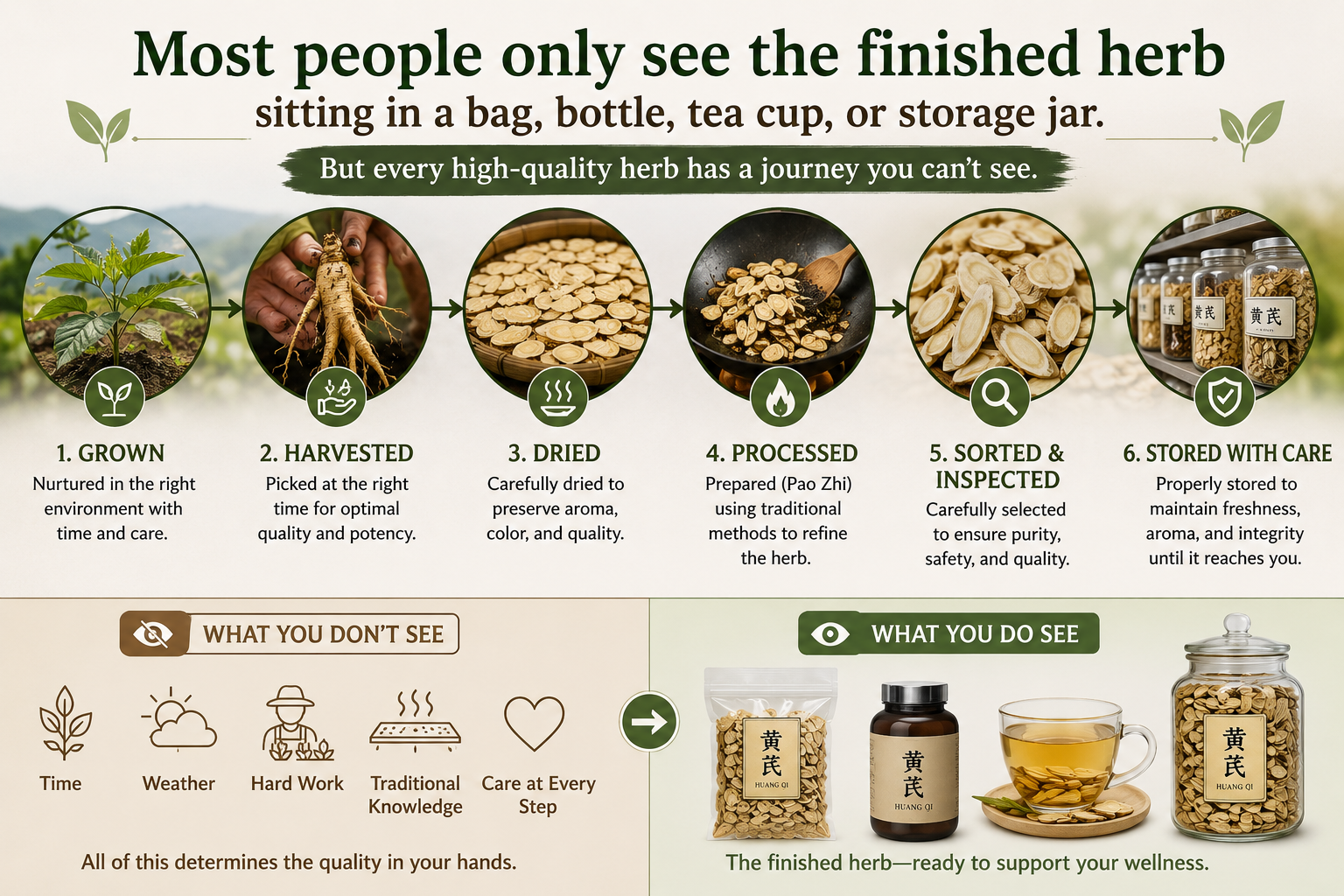
What they rarely see is everything that happened before that herb ever reached their home.
Long before herbs are sliced, dried, packaged, or shipped, they move through a long process that may include:
- seed selection
- growing conditions
- weather exposure
- harvest timing
- sorting
- traditional processing
- drying
- storage
- transportation
Every stage matters.
Because freshness, aroma, texture, color, appearance, and overall herb quality can all be affected long before the herb reaches your shelf.
Quick Answer: Chinese herbs go through multiple stages before reaching consumers, including growing, harvesting, processing, drying, sorting, and storage. Each stage may affect aroma, texture, freshness, color, moisture level, appearance, and overall herb character.
The Complete Seed to Shelf Herbal Journey
Seed Selection
↓
Growing & Plant Maturity
↓
Harvesting
↓
Sorting & Cleaning
↓
Traditional Processing
↓
☀️ Drying
↓
Storage
↓
Finished Herb
This journey may take months — and in some cases, years.
And each step can influence how the final herb looks, smells, feels, stores, and performs traditionally.
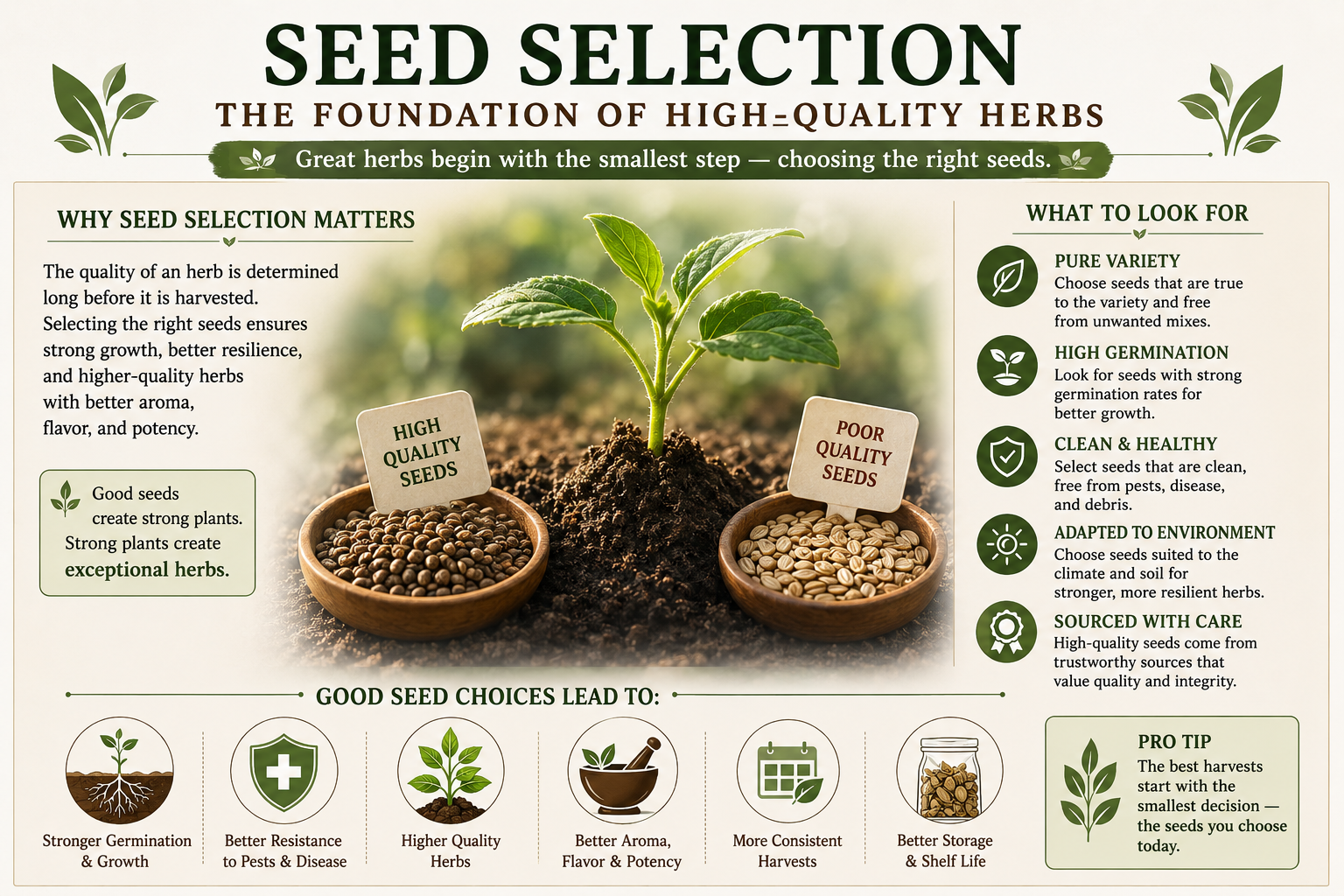
Step 1: Seed Selection
Quality often begins before the herb is even planted.
Different seed varieties may grow differently depending on:
- soil
- climate
- temperature
- rainfall
- sun exposure
- growing region
Some plants naturally produce:
- stronger aroma
- thicker roots
- better color
- larger flowers
- different textures
This is one reason herbs from different regions may look and smell noticeably different from one another.
Step 2: Growing & Plant Maturity
Plants change constantly as they grow.
Weather, seasonal cycles, moisture, sunlight, and time all influence how an herb develops.
Some herbs are intentionally harvested young and tender.
Others are left in the ground for years to develop:
- thicker texture
- greater density
- deeper aroma
- larger root systems
- more mature appearance
Astragalus root (Huang Qi) is a classic example.
A younger astragalus root may be lighter, softer, and thinner.
An older root may become:
- darker
- more fibrous
- denser
- more aromatic
- visually thicker
Older does not automatically mean “better.”
Different harvest ages simply create different characteristics.
Step 3: Harvesting
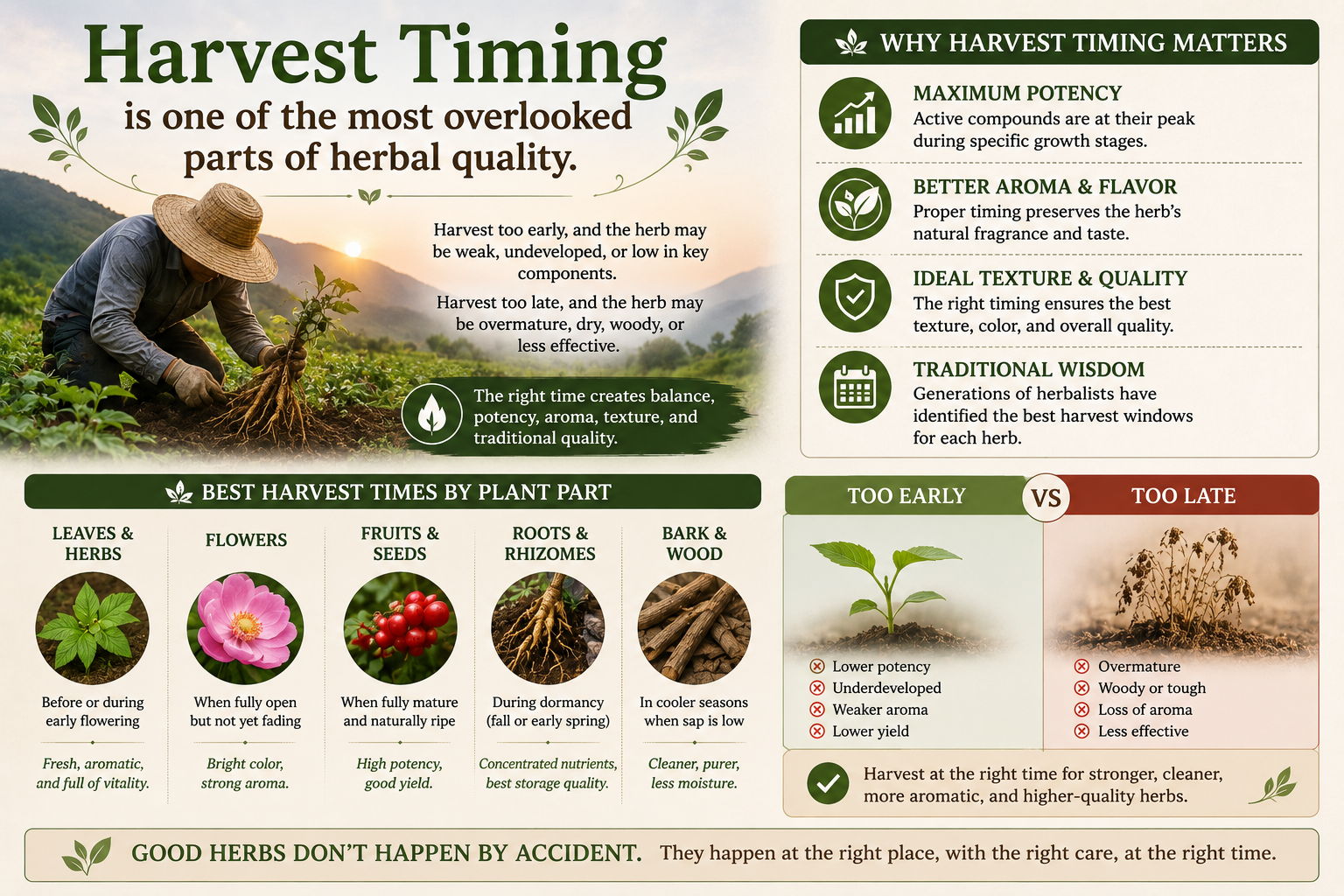
Harvest timing is one of the most overlooked parts of herbal quality.
Harvest too early and the herb may remain immature, weak in aroma, or difficult to dry properly.
Harvest too late and the herb may become:
- coarse
- overly fibrous
- faded
- less aromatic
- harder to process
Different plant parts are harvested differently.
| Plant Part | Common Harvest Considerations |
|---|---|
| Roots | Often harvested after maturity and seasonal slowing |
| Flowers | May be harvested before fully blooming to preserve fragrance and color |
| Leaves | Often harvested while vibrant and aromatic |
| Seeds & Fruits | Usually harvested after reaching maturity |
Step 4: Sorting & Cleaning
After harvesting, herbs are often cleaned, sorted, trimmed, sliced, or separated.
This stage may remove:
- damaged material
- excess dirt
- broken pieces
- foreign material
- poor quality sections
Careful sorting helps improve consistency and overall appearance.
This is also one reason herbs from different suppliers may vary so much visually.
Step 5: Traditional Processing
Some Chinese herbs are traditionally processed before drying or final preparation.
This may include methods such as:
- honey-frying
- vinegar-processing
- wine-frying
- steaming
- roasting
- ginger preparation
- salt preparation
Traditional processing may change:
- aroma
- texture
- appearance
- color
- drying behavior
- traditional preparation characteristics
This is one reason herbs with the same name may sometimes look completely different.
Important: Traditional processing was not always about making herbs “stronger.” Many methods were designed to refine texture, alter aroma, improve drying, reduce harshness, or change traditional preparation characteristics.
Step 6: Drying
Drying is one of the most important stages in herbal preparation.
Improper drying may lead to:
- weak aroma
- excess moisture
- musty odor
- mold risk
- poor storage stability
- faded appearance
Some herbs are sun-dried slowly.
Others are machine-dried using controlled temperature and airflow.
Drying affects:
- freshness
- texture
- color
- storage life
- overall herb character
This is one reason properly dried herbs often smell dramatically different from poorly handled herbs.
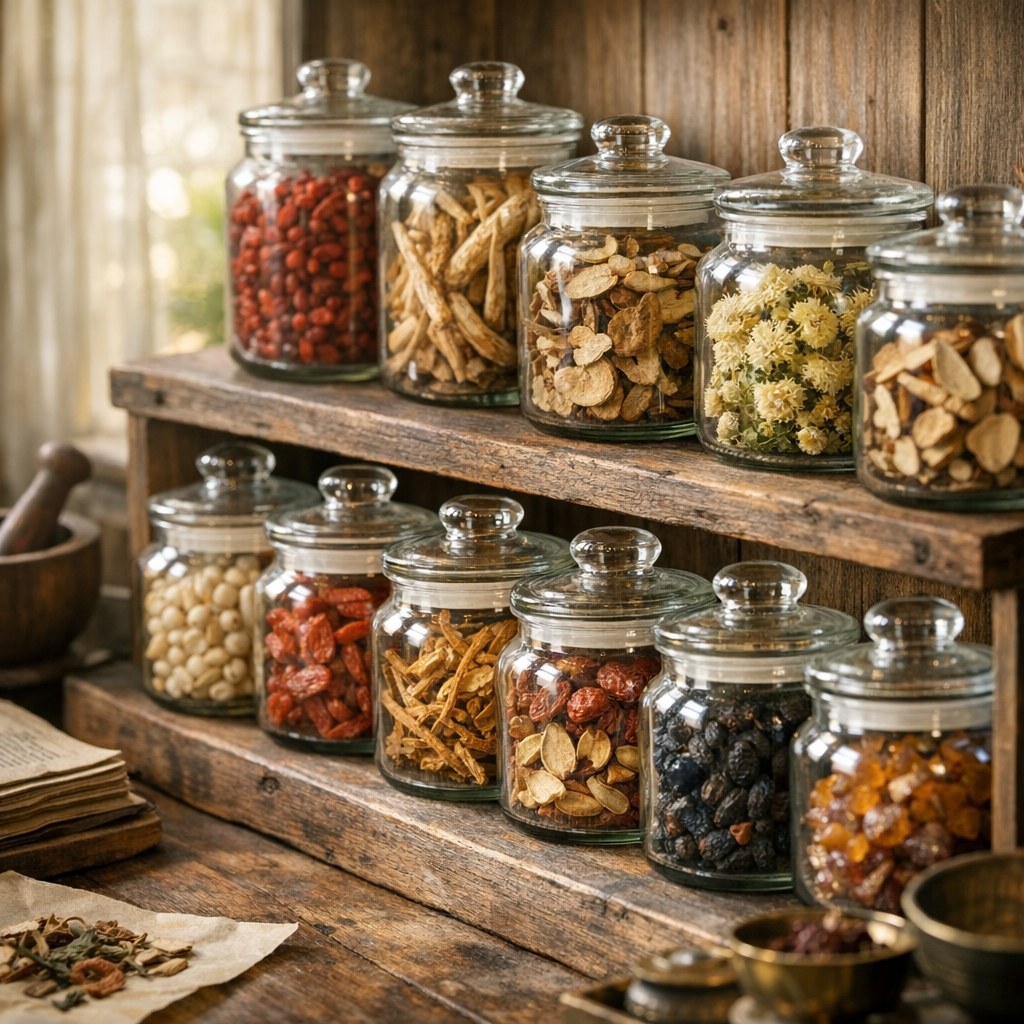
Step 7: Storage
Storage changes everything.
Even beautiful herbs may lose quality if exposed to:
- heat
- humidity
- sunlight
- excess moisture
- poor airflow
- temperature fluctuations
Good storage practices help preserve:
- aroma
- freshness
- appearance
- dryness
- overall quality
This is why properly stored herbs often smell cleaner, fresher, and more vibrant.
What You Will Start Noticing Once You Understand This Process
Once people understand the seed-to-shelf process, they begin noticing details most consumers overlook.
- why aroma varies between suppliers
- why some herbs feel fresher
- why color changes naturally
- why texture varies
- why some herbs smell vibrant while others smell stale
- why pricing may differ dramatically
- why proper storage matters
This is often the point where herbs stop looking like random dried plants and begin looking like the result of careful agricultural timing, preparation, drying, and handling.
The 5 Signs of Fresh Herbs
One of the easiest ways to begin recognizing better herb quality is by using your senses.
| Sense | What To Notice |
|---|---|
| Sight | Natural color, consistent appearance, lack of mold or fading |
| Smell | Fresh natural aroma rather than stale or musty odor |
| Touch | Proper dryness without dampness or excess softness |
| Sound | Some dry herbs crackle or snap cleanly when broken |
| Taste | Natural flavor profile without flatness or staleness |
Why This Matters When Buying Herbs
Freshness, harvest timing, processing, drying, and storage all influence the final herb.
This is one reason herbs from different suppliers may smell, look, and feel dramatically different from one another.
Once consumers understand the seed-to-shelf journey, they often shop with more confidence and begin recognizing why quality matters.
Explore Quality Bulk Chinese Herbs
Shop bulk Chinese herbs, roots, flowers, teas, spices, mushrooms, powders, and traditional ingredients carefully selected with freshness and quality in mind.
- Trusted Since 1994
- Fast Shipping from Washington State
- COA Available Upon Request
- Carefully Stored
Once you understand the seed-to-shelf journey, it becomes easier to recognize why freshness, sourcing, drying, storage, and preparation matter.
Explore bulk Chinese herbs, roots, flowers, teas, mushrooms, spices, powders, and traditional ingredients carefully selected with quality in mind.
Explore This Herbal Education Hub
- The Forgotten Processing Methods That Change Chinese Herbs Completely
- How Harvest Timing Changes Aroma, Texture, Color & Quality
- Why Some Flowers Are Harvested Before Fully Blooming
- Sun-Dried vs Machine-Dried Herbs
- How To Use Bulk Herbs
Final Thoughts
The deeper people go into Chinese herbs, the more they realize these herbs were never treated as simple dried plants.
They were carefully grown, harvested, sorted, processed, dried, stored, and refined through generations of agricultural experience and traditional preparation.
And once you begin understanding the journey from seed to shelf, you begin seeing herbs very differently.