
Buying Chinese herbs online can feel confusing at first. One website uses a Pin Yin name, another uses a common name, another shows a bright photo, and another offers a lower price that feels too good to ignore. Let Us Help Before buying Chinese herbs online, look for clear herb identification, the correct form, ingredient details, storage guidance, quality transparency, and a seller that explains how to use the herbs responsibly. A trustworthy product page should help you understand what you are buying, how to store it, and when to use extra caution. Beginners often focus on price first, but safe and confident buying starts with identity, quality, form, storage, and clear instructions. The cheapest herb is not always the best value if you are unsure what plant it is, what form you are buying, how to prepare it, or how long it has been sitting around. Buying safely means understanding: Chinese herbs can be incredibly useful when chosen and used wisely, but confusion at the buying stage can lead to wasted money, wrong products, poor storage, and unrealistic expectations. At 1st Chinese Herbs, we believe beginners deserve more than a product listing. You deserve clear information, practical education, and quality-focused sourcing so you can make informed choices. Many herb websites list products, but they do not always teach you how to think like a smart buyer. That is where beginners often get stuck. A good herb label or product listing should help you clearly identify what you are buying. Look for these details before you add anything to your cart: Pin Yin name: The Chinese transliterated name, such as Huang Qi, Bai Shao, or Gan Cao. Common English name: Helpful for beginners, but not always enough by itself. Botanical name: Important for proper plant identity when available. Plant part: Root, bark, seed, flower, fruit, leaf, vine, rhizome, or mushroom. Form: Cut herb, powder, granule, teapill, extract, capsule, or formula. Net weight or size: Helps you compare value correctly. Ingredient statement: Especially important for formulas, teapills, blends, or capsules. Storage guidance: Helps protect freshness after purchase. Cautions: Responsible sellers should tell you when to use extra care. Quality is not just about how pretty an herb looks in a photo. A better buying decision comes from clear identity, transparency, freshness, packaging, and education. Once your herbs arrive, your senses can help you notice basic freshness clues. This does not replace lab testing or professional quality control, but it can help beginners spot obvious problems. Color should look natural for that herb. Watch for mold, odd spotting, excessive dust, or herbs that look extremely faded or strangely bright. Fresh dried herbs often have a recognizable aroma. Avoid anything that smells musty, moldy, sour, rancid, or like a damp basement. Many dried herbs should feel dry, not rubbery, wet, sticky, or damp. Moisture can shorten shelf life. Some dried roots, leaves, and barks may crackle, snap, or sound dry when handled. A limp or rubbery feel may suggest moisture exposure. Taste should match the herb’s natural profile: bitter, sweet, earthy, spicy, aromatic, or bland. Do not use herbs that taste moldy, rancid, or spoiled. One of the biggest beginner mistakes is choosing the wrong form. The “best” form depends on your goal, comfort level, time, taste tolerance, and how much preparation you want to do. Shop Bulk Chinese Herbs | Shop Herb Powders | Shop Chinese Teapills Lab testing is one of the most important quality signals when buying herbs online. It helps support product safety and quality by checking for concerns that customers cannot detect by sight, smell, or taste alone. Depending on the product and supplier, testing may review quality factors such as identity, heavy metals, microbial concerns, pesticides, or other specifications. A Certificate of Analysis, often called a COA, is a document that may show testing or quality information for a specific product or batch. Not every seller explains testing clearly. That can leave customers guessing. At 1st Chinese Herbs, we focus on quality transparency, lab-tested standards, and COAs available on request when available. Trustworthy herb sellers should not promise to cure diseases, replace medication, or guarantee dramatic results. Chinese herbs are traditionally used to support wellness, balance, and specific body systems, but they should be presented responsibly. If a website makes extreme medical claims, promises instant miracles, or tells you to stop medication, consider that a serious red flag. Responsible herbal education should encourage thoughtful use and professional guidance when needed. Safe buying does not end at checkout. Proper storage helps protect freshness and reduce exposure to moisture, heat, sunlight, pests, and household odors. Read our storage guide: Storing Dried Herbs and Herbal Preparations for Freshness and Longevity Some customers should speak with a qualified healthcare professional before using herbs, especially if they are managing a health condition or taking medication. This does not mean herbs are automatically unsafe. It means the right herb, form, amount, and timing matter. If you are new to Chinese herbs, these guides can help you make better decisions before ordering: Start with clear product information, trusted sourcing, lab-tested quality standards, and beginner-friendly education. Whether you prefer bulk herbs, powders, or teapills, we can help you choose a better starting point. Chinese herbs can be purchased online safely when you buy from a seller that provides clear product identity, quality transparency, storage guidance, cautions, and customer education. COA stands for Certificate of Analysis. It is a document that may show testing or quality information for a product or batch. Some herbs have a strong natural aroma, while others are mild. Avoid herbs that smell moldy, sour, rancid, musty, or damp. Do not use dried herbs that show visible mold, damp clumping, or a musty odor. Discard questionable herbs and contact the seller. No. Natural color varies by herb, harvest, processing, and storage. Bright color alone does not prove quality. Yes. Powders are convenient, but you cannot visually inspect the original herb pieces. This makes seller quality and transparency especially important. Pin Yin is the Romanized Chinese name. The botanical name identifies the plant scientifically and can help reduce confusion between similar common names. Shelf life depends on the herb, form, packaging, and storage conditions. Herbs stored cool, dry, sealed, and away from sunlight generally stay fresher longer. Most dried herbs do not need refrigeration if they are kept sealed in a cool, dry place. Avoid moisture and condensation. Sulfur-free generally means the herb has not been treated with sulfur dioxide for color preservation or processing. Many customers prefer sulfur-free options when available. Ask a qualified healthcare professional before combining herbs with medications, especially if you take blood thinners, diabetes medication, blood pressure medication, immune medications, or multiple prescriptions. Teapills can be easier for beginners because they require no brewing. However, the best form depends on your goal, body type, formula choice, and comfort level. Natural herbs can vary in size, color, aroma, and texture depending on harvest, growing conditions, drying, cutting, and processing.How to Buy Chinese Herbs Safely Online: A Beginner Guide to Quality, Labels, Freshness, Storage, and Smart Shopping
This guide helps you understand what actually matters before you buy so you can shop with more confidence, avoid common beginner mistakes, and choose herbs that fit your needs.Quick Answer: What Should You Look for Before Buying Chinese Herbs Online?
Why Buying Chinese Herbs Safely Matters
Why Buy From 1st Chinese Herbs?
Decades of experience helping customers understand herbs.
Orders ship from our location in Republic, Washington.
We prioritize quality, cleanliness, and responsible sourcing.
Certificates of Analysis may be available for many products.
We understand customers want herbs without unnecessary processing.
We create guides, charts, and resources to help you get started.What You Need To Know
Buying Chinese Herbs Online
 How to Read Chinese Herb Labels: Beginner Checklist
Quality Signals to Look For When Buying Chinese Herbs Online
What to Check
Better Choice
Red Flag
Herb Name
Pin Yin, common name, and botanical name when available
Vague name only
Form
Cut, powder, teapill, extract, granule, or formula clearly listed
No form shown
Ingredients
Full ingredient details for formulas and blends
Mystery blend
Testing
Lab-tested quality standards and COA availability when applicable
No quality transparency
Storage
Clear storage guidance
No storage information
Seller Support
Beginner education, preparation guides, and responsible cautions
Only product listings with no guidance
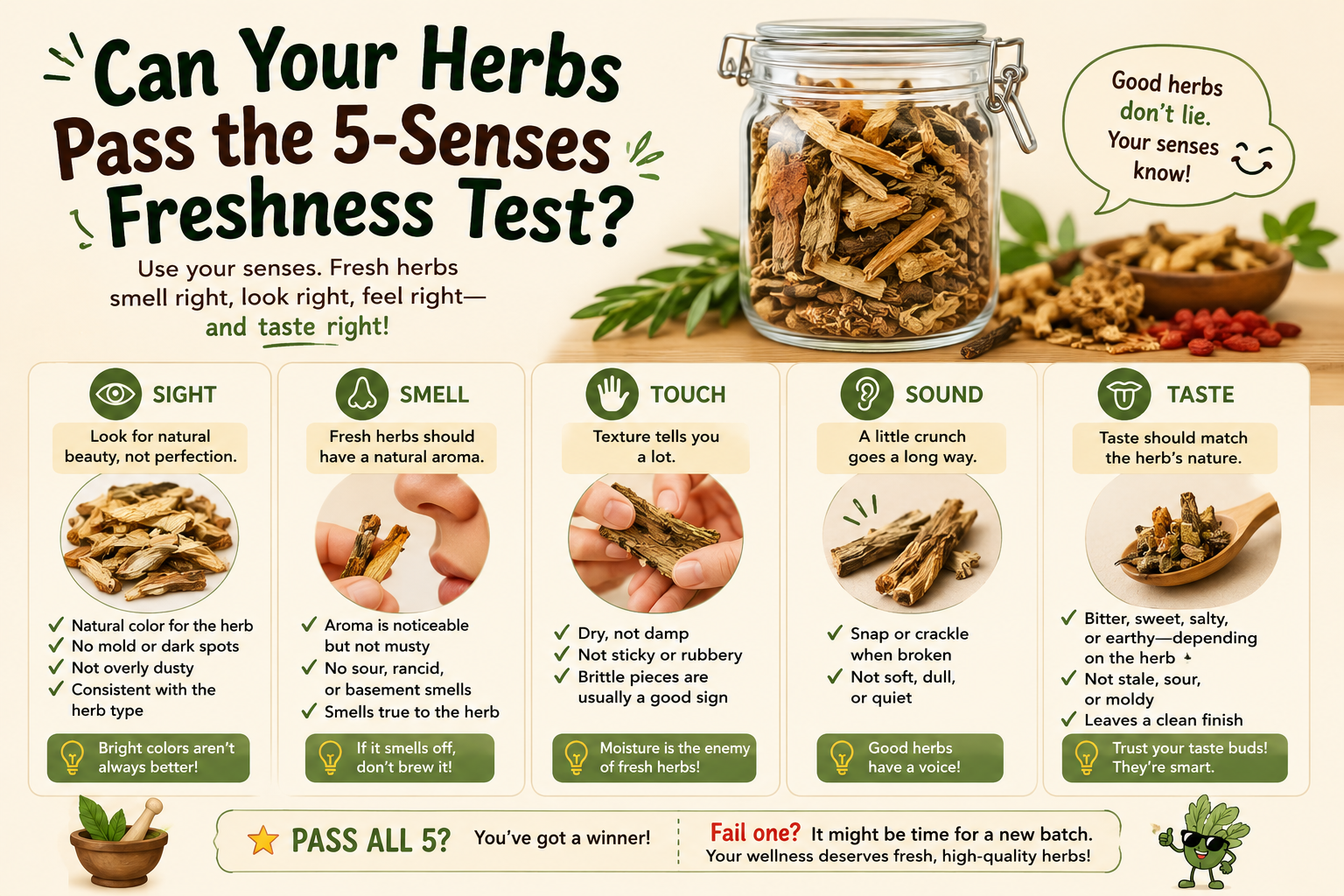
Can Your Herbs Pass the 5-Senses Freshness Test?
Sight
Smell
Touch
Sound
Taste
Which Herb Form Should a Beginner Buy?
Form
Best For
Beginner Note
Cut Herbs
Traditional teas, decoctions, soaks, and custom blends
Best when you want full control and can prepare herbs at home.
Powders
Mixing into drinks, foods, capsules, or recipes
Convenient, but harder to visually inspect than cut herbs.
Teapills
Simple daily use
Good for beginners who do not want to brew herbs.
Extracts
Concentrated support
Read directions carefully because extracts are more concentrated.
Formulas
Traditional herb combinations
Best when the formula matches your goal and body pattern.
Why Lab Testing and COAs Matter When Buying Chinese Herbs
Beginner Red Flags When Shopping for Chinese Herbs
Be Careful With Websites That Promise Cures
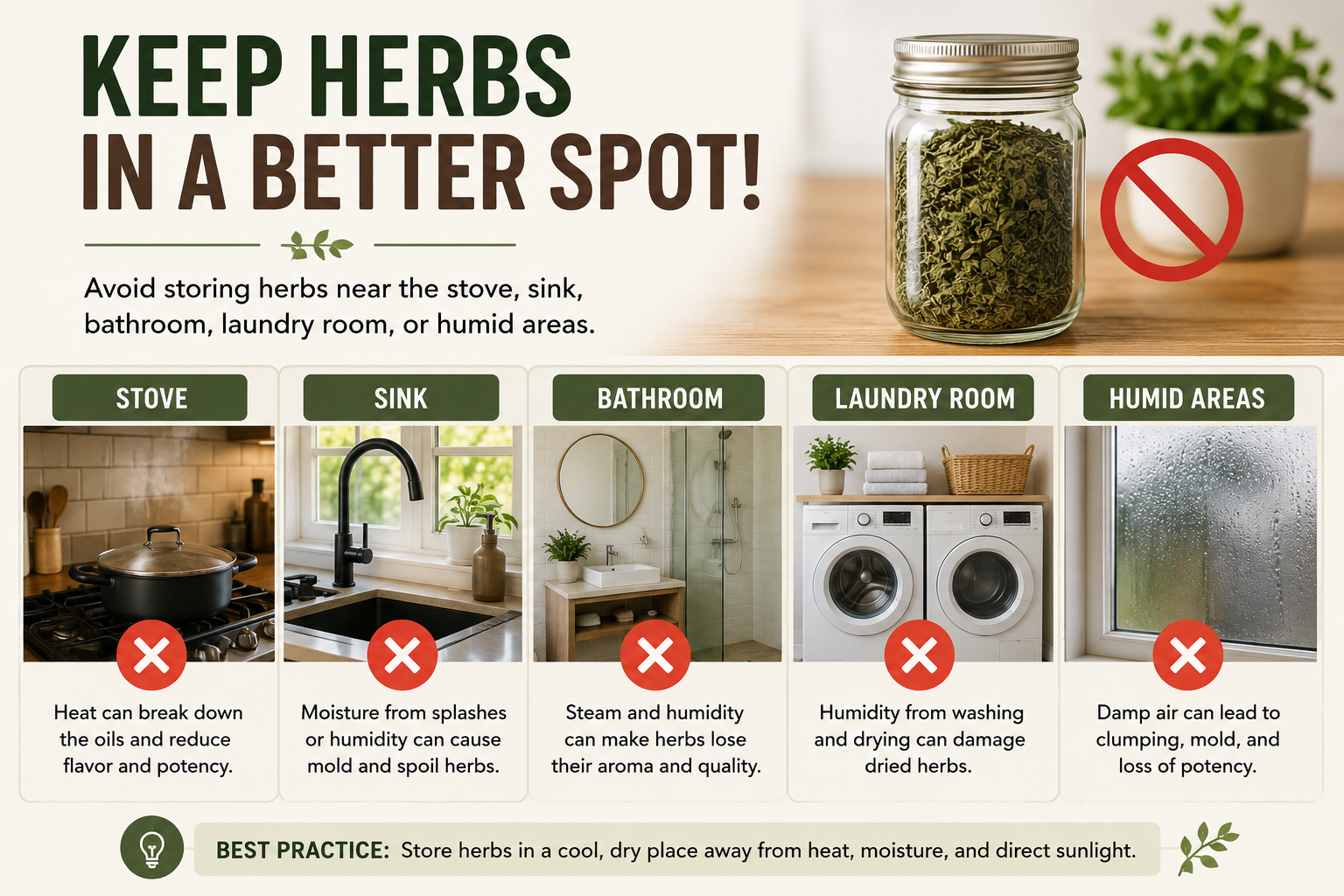
How to Store Chinese Herbs Safely After Buying
Helpful Storage Resource
Who Should Be Extra Careful Before Buying or Using Herbs?
What Customers Appreciate About 1st Chinese Herbs
Helpful Beginner Resources Before You Buy
Ready to Shop With More Confidence?
FAQ: Buying Chinese Herbs Safely Online
Are Chinese herbs safe to buy online?
What does COA mean?
Should Chinese herbs smell strong?
Is mold on dried herbs dangerous?
Are brighter herbs always better?
Are powdered herbs harder to inspect?
What is the difference between Pin Yin and botanical names?
How long do dried herbs last?
Should Chinese herbs be refrigerated?
What does sulfur-free mean?
Can I take Chinese herbs with medications?
Are teapills better for beginners?
Why do herbs look different from batch to batch?