

Premium Traditional Chinese Herb
Jing Jie Herb – Schizonepeta tenuifolia – Cut, Lab Tested – Nuherbs
Jing Jie is a light, aromatic Chinese herb traditionally used in formulas that release the exterior, disperse wind and support comfortable skin and seasonal wellness. This Nuherbs product contains cut, lab-tested Jing Jie with no added ingredients.
Jing Jie is not a sweet everyday tea or a general wellness tonic. It is a purpose-specific formula herb valued for its fragrant, gently dispersing character.
The herb is made from the dried above-ground portions of Schizonepeta tenuifolia, including its slender stems, leaves and flowering material. Traditional Chinese herbalists describe Jing Jie as acrid, fragrant and slightly warm, with an association with the Lung and Liver meridians.
Because Jing Jie is lightweight and aromatic, it is prepared differently from dense roots and barks. It is commonly added near the end of a traditional decoction or prepared as a covered infusion to help preserve its naturally fragrant components.
Product Details
| Product Name | Jing Jie Herb |
|---|---|
| Common Name | Schizonepeta |
| Botanical Name | Schizonepeta tenuifolia |
| Pinyin Name | Jing Jie |
| Plant Part | Dried aerial portions, including stems, leaves and flowering material |
| Form | Cut and lab tested |
| Package Size | One pound |
| Brand | Nuherbs |
| Country of Origin | China |
| Other Ingredients | None. Nothing has been added to this product. |
| Traditional Properties | Acrid, fragrant and slightly warm |
| Traditional Meridians | Lung and Liver |
| Directions | Follow the instructions provided by your healthcare professional or herbal practitioner. |
| Primary Caution | Do not use during pregnancy or while nursing unless specifically approved by a qualified healthcare professional. |
Quick Answer
Jing Jie is the dried aerial portion of Schizonepeta tenuifolia. In Traditional Chinese Medicine, it is categorized as an herb that releases the exterior and is traditionally used to disperse wind. It may appear in formulas associated with seasonal changes, exterior patterns and temporary skin discomfort. It is usually used as part of a balanced herbal formula rather than as an everyday tonic.
What Is Jing Jie?
Jing Jie is an aromatic annual plant in the mint family. Unlike Chinese herbs made from roots, bark or seeds, Jing Jie consists mainly of the plant's above-ground portions. The dried product normally contains a natural mixture of narrow stems, leaves and flowering spikes.
Its light texture and fragrance are important clues to how it is used. Jing Jie is traditionally considered acrid and slightly warm. In Chinese herbal theory, acrid herbs are associated with movement and dispersion, while aromatic herbs are often prepared carefully so their fragrance is not lost through excessive cooking.
Jing Jie is commonly included in multi-herb combinations. Its purpose depends on the complete formula, the preparation method and the individual pattern being addressed.
Traditional Uses and Benefits
Releases the Exterior
Traditionally included in formulas used during the early stages of certain exterior patterns.
Disperses Wind
Valued for its light and gently dispersing qualities in Chinese herbal practice.
Supports Skin Comfort
Traditionally used in formulas associated with temporary itching and wind-related skin discomfort.
Supports Seasonal Wellness
Often selected as one component of formulas intended to support the body's normal protective response.
What Most Websites Do Not Explain About Jing Jie
Jing Jie Is Not Jie Geng
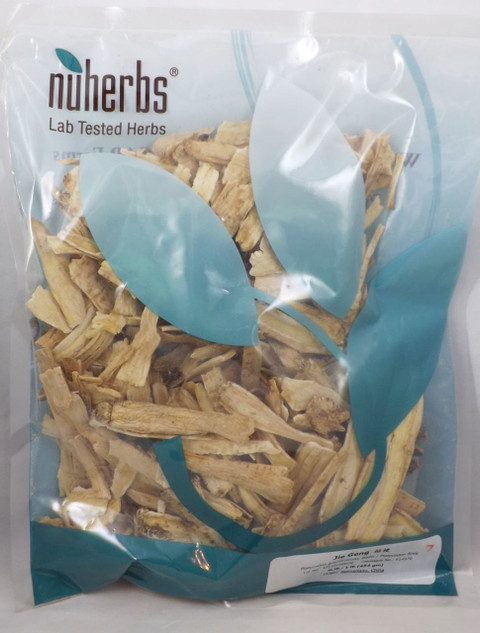
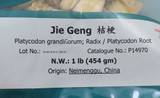
The names look similar, but they refer to completely different herbs. Jing Jie is Schizonepeta tenuifolia and uses the aerial portions of the plant. Jie Geng is Platycodon grandiflorus root. They have different botanical identities, plant parts and traditional purposes.
Regular Jing Jie Is Not Jing Jie Tan
Jing Jie Tan is Jing Jie that has been charred according to traditional processing methods. The charred form has a different classical application. This product is regular cut Jing Jie, not Jing Jie Tan.
It Is Usually a Formula Herb
Jing Jie may be prepared by itself, but it is more commonly used as part of a balanced formula. It should not be chosen simply by matching one herb with one modern symptom.
Aroma, Flavor and Appearance
| Quality | What to Expect |
|---|---|
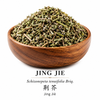
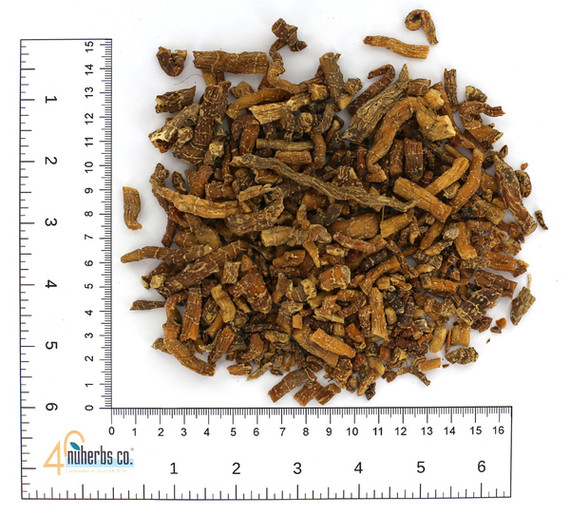
| Appearance | Cut stems, leaves and flowering material in natural green, olive and muted brown-green shades |
| Texture | Light, dry and fibrous rather than dense or heavy |
| Aroma | Herbaceous, grassy, fragrant and gently pungent |
| Flavor | Acrid, earthy, grassy and mildly bitter |
Natural variation is normal. Harvest timing, growing conditions, drying methods and the balance of stems and leaves may affect color and aroma. Brighter green does not automatically mean better quality.
How to Prepare Cut Jing Jie
Follow the amount and preparation directions supplied by your practitioner. Cut-herb density varies, so a gram scale is more accurate than measuring spoons when precision matters.
Traditional Decoction
- Review the complete formula instructions before beginning.
- Measure the directed amount of Jing Jie.
- Rinse the herb briefly under cool water if desired.
- Prepare dense roots, bark or seeds first when included in the formula.
- Add Jing Jie during the later portion of cooking because it is aromatic and does not usually require prolonged simmering.
- Strain the finished liquid and use it according to professional directions.
Covered Infusion
- Place the directed amount of cut Jing Jie in a heat-safe cup or teapot.
- Add freshly boiled water.
- Cover the container to help retain the herb's aroma.
- Steep for approximately 10 to 15 minutes unless directed otherwise.
- Strain before use.
External Traditional Use
Jing Jie has also been used in traditional poultices, compresses and washes. Review our poultice and compress guide before preparing herbs for external use. Do not apply herbal preparations to broken, infected or severely irritated skin without professional guidance.
How to Choose High-Quality Jing Jie
Look For
- The botanical name Schizonepeta tenuifolia
- The correct aerial plant portions
- A clean, dry and naturally fibrous appearance
- A recognizable herbaceous aroma
- Clear product form, brand and origin information
- Laboratory quality controls
Avoid
- Visible mold, insects or webbing
- Dampness, stickiness or unusual softness
- A strong musty, sour or chemical odor
- Mostly powder or unrelated debris
- Products with no botanical identity
- Vague products that do not state whether they contain regular or charred Jing Jie
Nuherbs Laboratory Testing
Nuherbs reports using both in-house and independent laboratory testing as part of its quality-control program. Testing and analytical equipment may be used to evaluate botanical identity, moisture and product quality.
Testing may include:
- Microbial quality
- Pesticide screening
- Heavy metals, including lead, mercury and arsenic
- Identity and composition testing
- Moisture evaluation
Laboratory testing supports product-quality evaluation. It does not determine whether an herb is personally appropriate or compatible with medication.
Jing Jie Compared With Similar Herbs
| Herb | Traditional Nature | Traditional Distinction |
|---|---|---|
| Jing Jie | Slightly warm | Light aromatic herb traditionally used to release the exterior and disperse wind |
| Fang Feng | Slightly warm | Traditionally associated with dispersing wind and supporting wind-related discomfort |
| Bo He | Cool | More cooling and strongly aromatic, with traditional associations involving the head and throat |
| Zi Su Ye | Warm | Traditionally used for exterior patterns and qi movement, with a stronger digestive association |
| Sang Ye | Cool | Traditionally associated with wind-heat and supporting moisture in the Lung system |
Modern Research
Modern laboratory research has examined naturally occurring compounds in Schizonepeta tenuifolia, including volatile oils, flavonoids and related plant constituents.
Experimental studies have explored antioxidant activity, inflammatory signaling, immune responses and other biological pathways. Much of this research involves isolated compounds, concentrated extracts, laboratory models or animals rather than ordinary cut Jing Jie prepared as an infusion.
These studies do not establish that Jing Jie can diagnose, treat, cure or prevent disease in people. View current publications through PubMed research on Schizonepeta tenuifolia.
Cautions and Responsible Use
- Do not use during pregnancy or while nursing unless specifically approved by a qualified healthcare professional.
- Consult a healthcare professional before use if you take prescription medication.
- Ask for professional guidance before preparing Jing Jie for a child.
- Discuss herbal use before surgery or if you manage a chronic health condition.
- Do not substitute regular Jing Jie for Jing Jie Tan without appropriate guidance.
- Discontinue use and seek advice if an unexpected reaction occurs.
Review our California Proposition 65 information.
Why Buy Jing Jie From 1st Chinese Herbs?
Trusted Since 1994
More than three decades of experience supplying Chinese and Western herbs.
Clear Product Details
The botanical name, form, package size, brand, origin and ingredients are plainly identified.
Lab-Tested Brand
Nuherbs uses established quality-control and laboratory-testing procedures.
No Added Ingredients
This product contains cut Jing Jie without fillers, flavors or sweeteners.
Herbal Education
Preparation, comparison, storage and safety guidance help customers make informed choices.
Ships From Washington
Orders are packed and shipped from our business in Washington State.
Frequently Asked Questions
What is Jing Jie?
Jing Jie is the pinyin name for Schizonepeta tenuifolia, an aromatic herb used in Traditional Chinese Medicine.
What part of the plant is used?
The dried aerial portions are used, including stems, leaves and flowering material.
Is Jing Jie the same as catnip?
No. Common catnip is Nepeta cataria. Jing Jie is Schizonepeta tenuifolia.
Is this Jing Jie Tan?
No. This is regular cut Jing Jie. Jing Jie Tan is a traditionally charred form with a different classical purpose.
Can Jing Jie be prepared as tea?
It may be prepared as a covered infusion or included in a traditional decoction when appropriate.
Should Jing Jie simmer for a long time?
Because it is aromatic, it is often added during the later portion of a traditional decoction.
Does this product contain additional ingredients?
No. Nothing has been added to this one-pound cut Jing Jie product.
How should Jing Jie be stored?
Keep it tightly sealed in a cool, dry and dark location away from moisture, heat, steam and direct sunlight.
Premium Cut Jing Jie From Nuherbs
Choose one pound of cut, lab-tested Jing Jie with no added ingredients, clearly identified as Schizonepeta tenuifolia and supplied by a trusted herbal business serving customers since 1994.
Learn more on our How to Use Bulk Herbs page.
These statements have not been evaluated by the Food and Drug Administration. This product is not intended to diagnose, treat, cure or prevent any disease. Traditional herbal information is provided for educational purposes only
Scientific References
Learn more from the following scientific publications:
- Schizonepeta tenuifolia: Chemistry, Pharmacology, and Clinical Applications
- Review on Chemical Constituents of Schizonepeta tenuifolia Briq. and Their Pharmacological Effects
- Phytochemistry and Pharmacological Activities of the Genus Schizonepeta
- Studies on Chemical Constituents in the Spikes of Schizonepeta tenuifolia