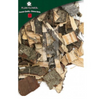
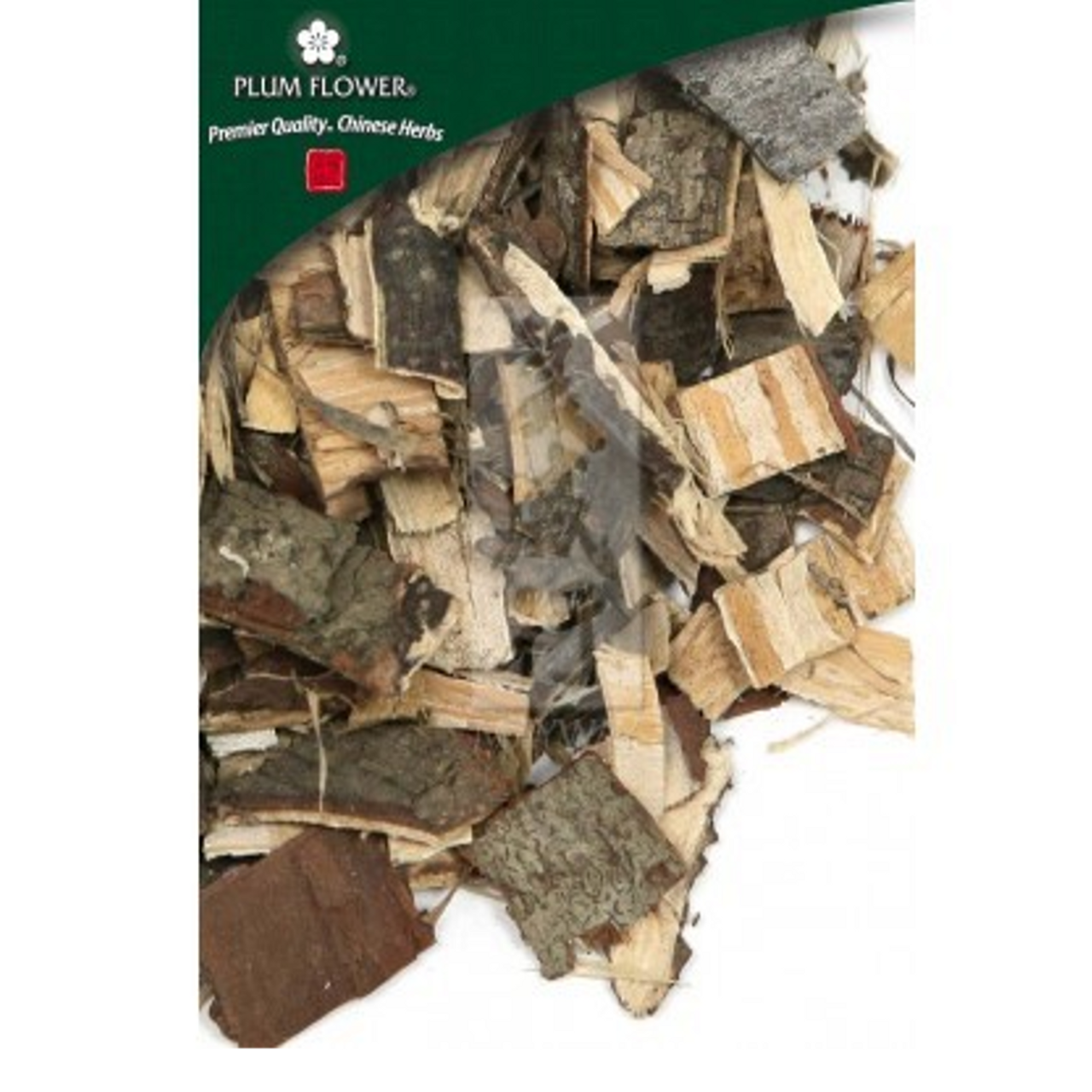


Ku Lian Pi (Chinaberry Bark) Cut Pieces — Plum Flower (1 lb) | Melia azedarach
Ku Lian Pi (Chinaberry Bark) is the bark of Melia azedarach, traditionally categorized in TCM as an herb used to expel parasites and often described as bitter, cold, and toxic. In plain English: this is not an “everyday wellness tea.” It’s typically used short-term and with care—most often as part of a formula or under qualified guidance.
Quick Summary Of Ku Lian Pi
- Common name: Chinaberry Bark
- Botanical name: Melia azedarach bark
- Pin Yin: Ku Lian Pi
- Traditional properties: Bitter, Cold (traditional terminology)
- Channels (traditional): Spleen, Stomach, Liver
- Important: Traditionally considered toxic and generally used short-term; not for prolonged use.
- Origin: China
- GMP: Yes, Certificate Of Analysis Available
Product Details
- Package size: 1 lb
- Form: Cut pieces
- Origin: China
- Brand: Plum Flower
- Other ingredients: None (100% single herb)
- Dosage: Consult a qualified healthcare professional (this herb is traditionally considered toxic).
What is Ku Lian Pi?
Ku Lian Pi is the dried bark (cortex) of Melia azedarach. In Traditional Chinese Medicine, it is placed in the category of herbs used to expel parasites. Many traditional sources also discuss external (topical) applications in specific traditional contexts. Traditional categorization and descriptions are provided for educational purposes.
Traditional Use
- “Expels parasites” — traditional category language used in TCM herb classification.
- “Bitter, cold” — traditional descriptors often used in pattern-based formula strategy.
- Often used in formulas rather than as a stand-alone daily herb.
Choose Your Path
I’m following a formula
Best if your practitioner or reference formula specifically lists Ku Lian Pi. Match the botanical name and follow the formula instructions.
I’m preparing cut bark
Cut bark is typically prepared by gentle simmering (decoction), not quick steeping.
I’m considering topical use
Some traditional sources discuss external applications. This herb is considered toxic—use caution and avoid eyes/mucous membranes.
How to Prepare Ku Lian Pi Cut Pieces (Traditional Decoction Method)
- Rinse quickly to remove surface dust.
- Add cut pieces to a pot and cover with water (add extra water for simmering).
- Bring to a gentle boil, then reduce to a low simmer.
- Simmer 30–45 minutes.
- Strain and use only according to your formula instructions or qualified guidance.
What does Ku Lian Pi taste like?
Ku Lian Pi is traditionally described as bitter and is not typically “pleasant” as a casual tea. Many people prefer it used inside a formula where taste and function are balanced.
Quality
- Identity: Clearly labeled as Melia azedarach bark (plant part matters).
- Single herb: No additives, fillers, dyes, or preservatives.
- Quality program: Plum Flower is widely known for species-authenticated herbs and quality screening
- Packed for freshness: Store sealed, cool, dry, and away from humidity/light.
Cautions, Contraindications & Safety Notes
- Do not use if pregnant or nursing.
- This herb is traditionally considered toxic and should not be taken for a prolonged period.
- Contraindicated for a person with a weak constitution or with a liver disorder (traditional caution).
- If you take prescription medications or have a medical condition, consult a qualified clinician/pharmacist before use.
Educational disclaimer: This information is for educational and traditional context only and is not intended to diagnose, treat, cure, or prevent any disease.
FAQs
Is Ku Lian Pi safe for daily use?
Traditional sources describe Ku Lian Pi as toxic and typically recommend short-term, careful use rather than daily long-term use.
Can I steep it like tea?
For bark, a quick steep is usually weaker. Gentle simmering is the more common preparation approach for cut pieces.
What does “bitter, cold” mean in TCM?
“Bitter” and “cold” are traditional descriptors used in TCM to match herbs to pattern strategies. This is traditional classification language, not a medical diagnosis.
How should I store Ku Lian Pi?
Store airtight, away from heat/humidity/light. Keep a small working jar for daily use and keep bulk stock sealed for freshness.
Check out our How to Use Bulk Herbs page to see how to use herbs correctly.
About Plum Flower Quality Herbs
Plum Flower is an established worldwide manufacturer of high-quality Chinese herbs, and innovative Chinese medicinal herbs and products. Plum Flower uses sulfur-free herbs and laboratory tests its products for contamination and heavy metals, such as mercury, lead, and pesticides.
- Made at GMP internationally certified facilities (Good Manufacturing Practices) Quality control tests are done at the manufacturing site and at third party labs to confirm results.
- Manufactured using Unsulfured, Chlorine free, Aluminum Phosphate free herbs when possible.
- Microbials and heavy metals tested. No preservatives.
Manufacture's Statement: It is important to note that Plum Flower formula extract powders do not contain any excipients. They are spray-dried directly from the condensed herbal decoction, and the resulting powder is the natural yield of the formulation. Individual herbs can vary significantly in the amount of dissolved solids they yield during extraction. Many do not have the needed substance to form a powder, and our single herb extract powders contain a pharmaceutical-grade, non-GMO corn-based dextrin when necessary.
Traditional Chinese Herbs
Chinese Traditional herbs should be regarded as an added feature to modern western healthcare, and not as a replacement. Chinese traditional herbs (Teas) emphasize harmony, and balance.
Reference: