
Traditional Chinese Herbs • Longevity Herb Education • Trusted Since 1994
The Ancient Chinese Herb That Fascinates Everyone: He Shou Wu (Fo-Ti Root) Explained
Few Chinese herbs create as much curiosity, controversy, folklore, and confusion as He Shou Wu.
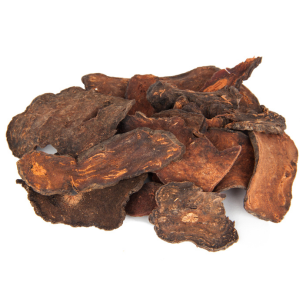 Some people know it as Fo-Ti Root. Others know it by its Chinese name, He Shou Wu. Some associate it with longevity traditions, black hair folklore, anti-aging conversations, Taoist wellness systems, and ancient herbal stories.
Others discover it after reading conflicting information online and wondering whether this mysterious root is helpful, misunderstood, risky, overhyped, or all of the above.
That confusion is exactly why this herb deserves a clear explanation.
Let’s make this simple and honest from the beginning: we are not going to gloss over the important details about He Shou Wu. We are not going to ignore the difference between raw and prepared root, skip over the traditional black bean processing method, or pretend safety discussions do not matter.
This guide was created to explain He Shou Wu in a way that actually makes sense to real people — without confusing herbal jargon, overly technical language, or vague marketing promises.
Our goal is to help you understand what this herb is, why it has fascinated people for centuries, and what most websites never take the time to explain clearly.
Quick Answer: What Is He Shou Wu?
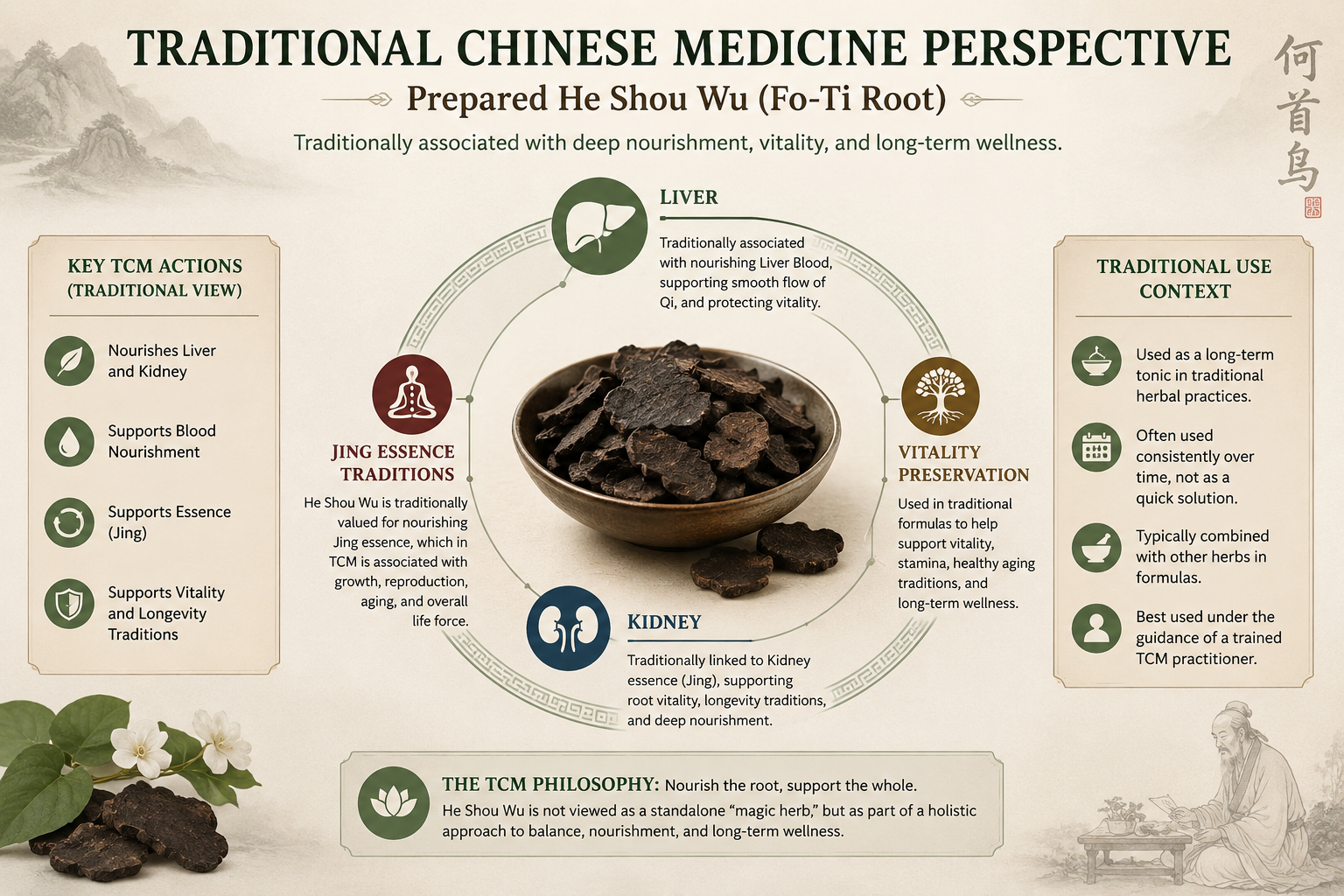
He Shou Wu is a traditional Chinese herb made from the root of Polygonum multiflorum, also known as Fallopia multiflora. In Traditional Chinese Medicine, it has historically been associated with longevity traditions, Jing essence discussions, Liver and Kidney nourishment, vitality folklore, and hair-related traditional use.
The most important thing to know: raw He Shou Wu and prepared He Shou Wu are not traditionally considered the same.
That difference affects traditional use, preparation, taste, herbal energetics, safety discussions, and how consumers should understand the herb.
What You’ll Learn In This Guide
- What He Shou Wu is
- Why it became famous
- Raw vs prepared He Shou Wu
- Black bean processing
- Traditional preparation methods
- Hair and aging folklore
- Safety concerns
- Freshness and quality signs
- Common beginner mistakes
- Similar herbs
- PubMed research
- FAQs
Quick Facts About He Shou Wu
| Chinese Name | He Shou Wu |
| Common Name | Fo-Ti Root |
| Botanical Name | Polygonum multiflorum |
| Traditional Category | Tonify Liver & Kidney |
| Most Common Form | Prepared He Shou Wu |
| Traditional Taste | Bitter, sweet, earthy |
| Traditional Temperature | Slightly warm |
| Traditional Associations | Longevity, Jing essence, hair vitality folklore, long-term tonic traditions |
The Ancient Folklore Behind He Shou Wu
Part of the reason He Shou Wu became legendary is because of the folklore attached to it.
According to traditional stories, an aging man named “Mr. He” supposedly regained vitality and darkened hair after using the root regularly. Over time, the herb became associated with the idea of “Mr. He’s black hair.”
Whether someone interprets the story literally, symbolically, or simply as part of Chinese herbal history, the folklore helped shape the herb’s reputation for centuries.
This is why He Shou Wu continues to fascinate people. It speaks to timeless human desires: aging gracefully, maintaining vitality, preserving resilience, and exploring ancient wellness traditions.
Raw vs Prepared He Shou Wu: The Most Important Difference
This is where most online confusion begins. Traditional Chinese Medicine does not usually treat raw and prepared He Shou Wu as interchangeable.
| Raw He Shou Wu | Prepared He Shou Wu |
|---|---|
| Traditionally associated more with cleansing or moving functions | Traditionally associated more with nourishing and tonic use |
| Considered stronger and harsher traditionally | Traditionally considered gentler |
| Less common for beginners | Most commonly sold commercially |
| Often confused online | The form most associated with longevity folklore |
This distinction matters because many online warnings and articles do not clearly explain which form they are discussing.
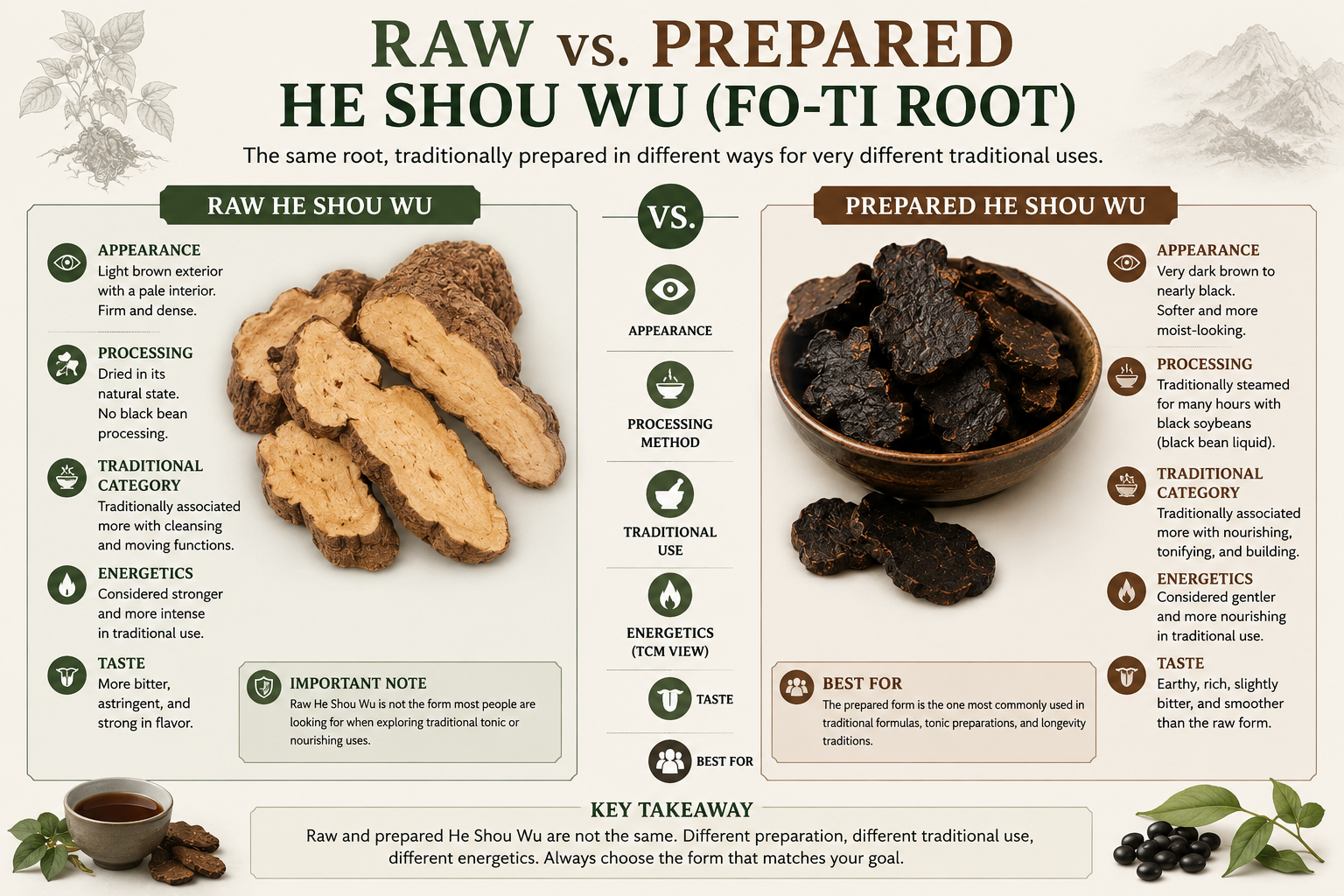 Beginner Warning: Do Not Confuse Raw and Prepared He Shou Wu
Many beginners assume “He Shou Wu is He Shou Wu.” Traditionally, that is not true.
Prepared He Shou Wu is the form most consumers are usually seeking when they are researching longevity traditions, hair folklore, and tonic herbal systems. Raw He Shou Wu has a different traditional use profile.
What Does “Black Bean Processed” Mean?
Prepared He Shou Wu is traditionally steamed or processed with black soybean liquid over many hours. This traditional preparation changes the root’s color, flavor, texture, and traditional herbal use.
This is not random old-world herbal theater. Traditional Chinese herbal systems often use processing methods to alter how an herb is understood and used.
That is why prepared He Shou Wu often looks darker, richer, and more earthy than raw root.
What Does He Shou Wu Taste Like?
Prepared He Shou Wu has a deep, earthy, slightly bitter flavor. It tastes darker and richer than beginner-friendly herbs like Astragalus or Dang Shen.
It is not exactly “sweet herbal candy,” but it is usually less shocking than intensely bitter herbs. Many people describe it as earthy, old-world, root-like, and strong enough to feel traditional.
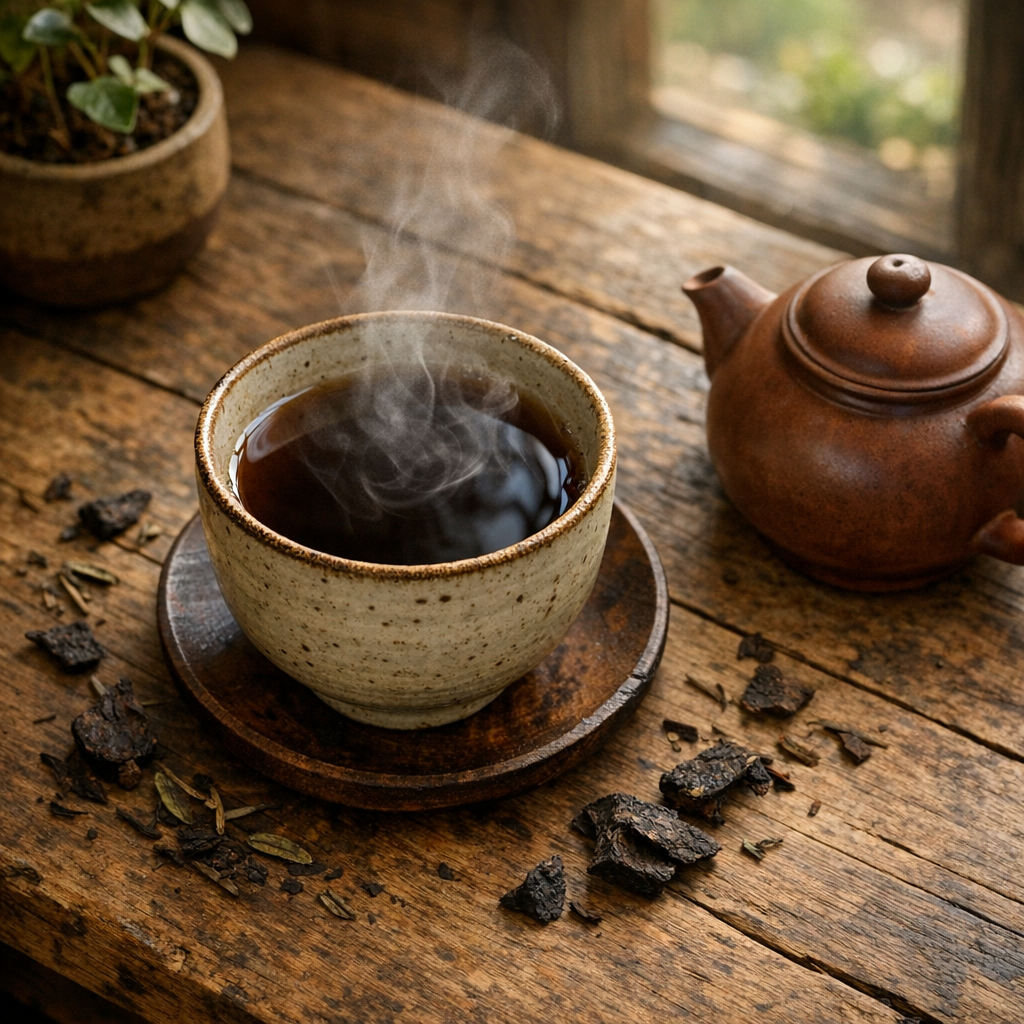
How To Prepare He Shou Wu
Prepared He Shou Wu has traditionally been used in decoctions, powders, soups, broths, tonic formulas, and historical wine preparations.
Traditional Decoction Method
- Add prepared He Shou Wu slices to a pot.
- Cover with filtered water.
- Simmer gently for 30–60 minutes.
- Strain before drinking.
Powder Method
- Mix into warm drinks.
- Blend into smoothies.
- Use according to product directions.
Soup or Broth Method
Some traditional users simmer prepared He Shou Wu with other herbs in soups or broths. Because this herb has a strong traditional profile, beginners should start slowly and seek qualified guidance when appropriate.
What Beginners Usually Notice First
Most websites do not talk about the actual consumer experience. Beginners often notice:
- the dark color of the prepared root
- the deep earthy smell
- the stronger flavor compared to mild herbs
- the longer simmer time
- the ritual feeling of preparing it
- the need for consistency rather than quick expectations
He Shou Wu is not usually a casual “sip once and forget about it” herb. It tends to attract people who enjoy deeper traditional herbal systems.
Why People Associate He Shou Wu With Hair & Aging
Few herbs generate as much hair-related curiosity as He Shou Wu. Historically, it became associated with dark hair folklore, healthy aging traditions, Jing essence, and vitality preservation.
This does not mean the herb creates overnight transformations. Traditional Chinese herbal systems generally emphasize consistency, preparation, lifestyle, and individualized use.
Traditional herbs were not designed to make someone “immortal by Friday.”
That modern expectation is one reason people misunderstand herbs like He Shou Wu.
 What You Need To Know About He Shou Wu
Let's Make This Easy
Why Some He Shou Wu Looks, Smells, and Feels Better Than Others
Not all He Shou Wu is the same. Differences may come from root age, processing quality, sourcing, drying method, storage conditions, freshness, and handling.
Experienced herbal users often become selective because they can tell when an herb looks dull, smells stale, feels damp, or lacks the character expected from properly handled material.
Can Your He Shou Wu Pass the 5-Senses Freshness Test?
| Sense | What To Look For |
|---|---|
| Sight | Dark, rich slices without mold or excessive dust |
| Smell | Earthy aroma without sour, chemical, or musty odor |
| Touch | Dry but not damp, sticky, or rubbery |
| Sound | Firm dried slices should not feel soft or limp |
| Taste | Rich earthy flavor without mustiness or sourness |
How To Store He Shou Wu Properly
Poor storage can ruin good herbs. Keep He Shou Wu in an airtight container, away from heat, humidity, direct sunlight, bathrooms, laundry rooms, sinks, and stoves.
A cool, dry, dark cabinet is usually best.
Who Usually Becomes Interested In He Shou Wu?
- People exploring traditional longevity herbs
- Consumers curious about hair folklore
- People interested in Jing essence traditions
- Those who enjoy deeper TCM herbal systems
- Consumers researching raw vs prepared Chinese herbs
- People who want to understand traditional tonic herbs more clearly
This herb tends to attract curious, research-minded consumers who want more than a simple one-paragraph product description.
Common Mistakes Made With He Shou Wu
Mistake #1: Buying Raw Instead Of Prepared
This is one of the biggest beginner mistakes.
Mistake #2: Expecting Instant Results
Traditional herbal systems usually emphasize consistency and long-term use patterns.
Mistake #3: Ignoring Safety Discussions
He Shou Wu has real safety conversations around it, especially related to liver concerns and individual sensitivity.
Mistake #4: Buying Poor-Quality Root
Freshness, sourcing, and processing matter.
Mistake #5: Thinking All Fo-Ti Is The Same
It is not. Form, preparation, and quality all matter.
Safety Concerns: Why People Search “Is He Shou Wu Dangerous?”
He Shou Wu has received attention because of reported liver-related safety concerns associated with misuse, overuse, poor-quality material, improper preparation, contamination concerns, and individual sensitivity.
People should speak with a qualified healthcare professional before using He Shou Wu if they:
- have liver conditions
- take prescription medications
- are pregnant or nursing
- have chronic illness
- have autoimmune concerns
- have complex health conditions
- are unsure whether He Shou Wu is appropriate for them
This article is educational and is not medical advice.
Traditional Chinese Medicine Perspective
In Traditional Chinese Medicine, prepared He Shou Wu is traditionally associated with Liver and Kidney nourishment, Jing essence traditions, vitality preservation, and long-term tonic use.
| Traditional Category | Tonify Liver & Kidney |
| Traditional Flavor | Bitter, sweet |
| Traditional Temperature | Slightly warm |
| Associated Meridians | Liver, Kidney |
Herbs Commonly Compared To He Shou Wu
| Herb | Why People Compare It |
|---|---|
| Rehmannia Root | Yin, Kidney, and tonic traditions |
| Goji Berry | Longevity and vitality traditions |
| Reishi Mushroom | Long-term tonic and wellness systems |
| Cordyceps Mushroom | Vitality and endurance discussions |
| Schisandra Berry | Adaptogen and longevity conversations |
PubMed & Research References
Research involving Polygonum multiflorum continues to evolve. These references are provided for educational purposes only.
Frequently Asked Questions About He Shou Wu
What is the difference between Fo-Ti and He Shou Wu?
Fo-Ti is the common Western name. He Shou Wu is the traditional Chinese name.
Is raw He Shou Wu the same as prepared He Shou Wu?
No. Traditional Chinese Medicine distinguishes them significantly.
Why is He Shou Wu processed with black beans?
Traditional processing is believed to alter the herb’s traditional properties and reduce harshness.
What does He Shou Wu taste like?
Prepared He Shou Wu has an earthy, rich, slightly bitter flavor.
Can He Shou Wu be taken daily?
Some traditional systems use it long-term, but use should be individualized and discussed with a qualified professional when appropriate.
Why do people ask if He Shou Wu is dangerous?
Online concern centers around liver-related safety reports, processing differences, sourcing quality, and individual health factors.
Why is some He Shou Wu darker than others?
Processing methods, black bean preparation, and drying techniques can affect color.
Can He Shou Wu slices be reused?
Some people re-simmer herbs, although the flavor and strength of the decoction become weaker.
Who should avoid He Shou Wu?
People with liver concerns, pregnancy, prescription medications, chronic illness, or complex health conditions should consult a qualified healthcare professional before use.
Why Buy He Shou Wu From 1st Chinese Herbs?
Since 1994, 1st Chinese Herbs has focused on helping customers understand traditional herbs, not just buy them blindly.
- Trusted Since 1994
- Lab-tested herbs
- COAs available upon request
- Carefully sourced herbs
- Bulk herbs, powders, extracts, and formulas available
- Educational herbal guidance
- Shipping from Washington State
- Traditional Chinese herb specialists
Get Real Herbs. Feel the Difference.
Related Herbal Education Guides
Written By: 1st Chinese Herbs Editorial Team
1st Chinese Herbs has provided traditional Chinese herbs, powders, mushrooms, extracts, and educational herbal resources since 1994.
Disclaimer: This content is for educational purposes only and is not intended to diagnose, treat, cure, or prevent disease. Always consult a qualified healthcare professional before using herbal products.