
The 5-Senses Herb Freshness Test
How To Tell If Your Chinese Herbs Are Fresh, Properly Dried & Worth Using
Written by 1st Chinese Herbs | Trusted Since 1994 | Educational Herbal Resource
Ever opened a bag of herbs expecting that rich, fresh, earthy aroma… and instead wondered if you accidentally bought decorative potpourri from 2004?
I have had this happen to me... You are not alone.
Most people buy herbs by looking at the name on the package. But experienced herb users often notice much more:
- how the herb looks
- how it smells
- how it feels
- whether it crackles or bends
- how it behaves in hot water
That is where the 5-Senses Herb Freshness Test comes in.
Quick Answer: The 5-Senses Herb Freshness Test uses sight, smell, touch, sound, and taste to help you better understand herb freshness, dryness, aroma, storage quality, moisture exposure, and natural variation. It is not a replacement for proper sourcing or lab testing, but it is a simple way to become a smarter herbal buyer.
Why Your Senses Matter When Buying Herbs
Chinese herbs are agricultural products. They are affected by weather, harvest timing, drying, processing, storage, age, and handling.
That means two bags of the “same” herb may not always look or smell exactly alike.
Sometimes that difference is normal. Sometimes it is a clue that the herb may be old, poorly dried, or stored in less-than-ideal conditions. Your senses help you notice the difference.
The Quick 5-Senses Freshness Chart
| Sense | Good Signs | Warning Signs |
|---|---|---|
| Sight | Natural color, clean appearance, visible texture | Mold, unusual discoloration, excessive dust, dull lifeless look |
| Smell | Fresh, earthy, floral, spicy, citrusy, or naturally aromatic | Musty, sour, stale, chemical, or “basement box” odor |
| Touch | Dry, crisp, fibrous, firm, or appropriately flexible | Damp, rubbery, sticky, clumpy, or oddly soft |
| Sound | Some dried herbs rustle, crackle, snap, or break cleanly | Too soft, silent, bendy, or moisture-heavy when it should be dry |
| Taste | Natural bitterness, sweetness, pungency, earthiness, or sourness | Flat, stale, rancid, sour in the wrong way, or unpleasantly off |
 1. Sight: What Does The Herb Look Like?
Start with your eyes. Fresh, well-handled herbs usually have a natural appearance. They do not have to look “perfect.” In fact, overly perfect herbs can sometimes be suspicious if they look bleached, polished, or too uniform.
Look for:
- natural color variation
- clean pieces without visible mold
- recognizable plant texture
- consistent cut size for that herb form
- no strange powdery film unless it is naturally part of that herb
Real-world tip: Sulfur-free and naturally dried herbs may not always look magazine-perfect. That is not automatically bad. Real herbs are plants, not plastic decorations.
 2. Smell: The Fastest Freshness Clue
If an herb is supposed to be aromatic and it smells like absolutely nothing, that is worth noticing.
Fresh herbs may smell earthy, floral, spicy, citrusy, woody, sweet, bitter, resinous, or mushroom-like depending on the herb.
Poorly stored herbs may smell:
- stale
- musty
- dusty
- sour
- flat
- like an old cardboard box that gave up on life
Aroma can fade because of age, heat, air exposure, poor drying, grinding, humidity, or poor storage.
 3. Touch: Does It Feel Right?
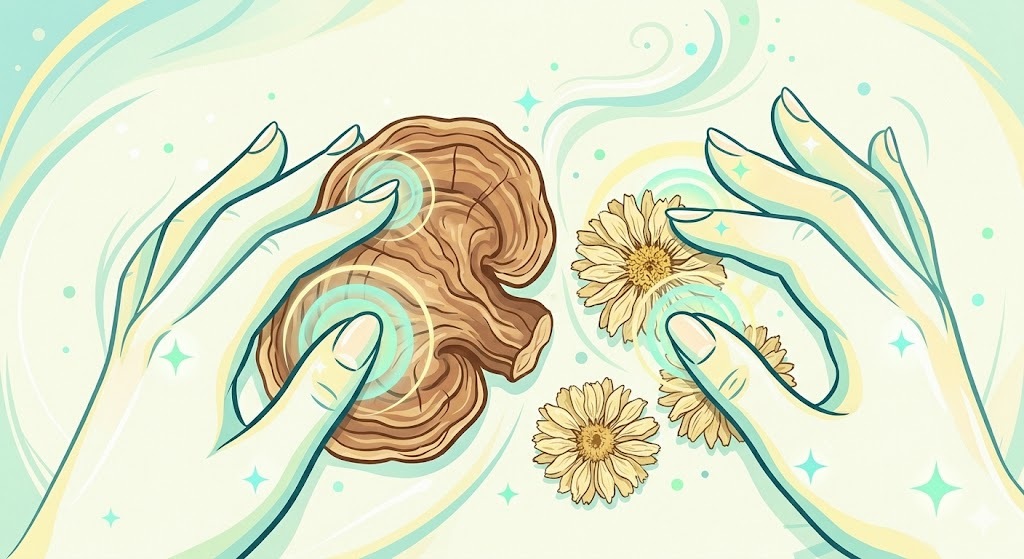
Touch tells you a lot about moisture. Some herbs should be crisp. Some roots should feel firm. Some flowers should feel light and delicate. Some mushrooms may feel airy or springy.
What you do not want is a herb that feels damp, rubbery, oddly sticky, or clumped from moisture.
| Herb Type | Normal Texture Clues |
|---|---|
| Roots | Firm, fibrous, dry, sometimes crisp when broken |
| Flowers | Light, delicate, dry, slightly fragile |
| Powders | Fine, dry, free-flowing; should not be damp or hard-clumped |
| Mushrooms | Dry, lightweight, sometimes firm or slightly flexible depending on cut |
 4. Sound: The Freshness Clue Most People Miss
Sound sounds silly until you try it.
Some properly dried herbs make a soft crackle, snap, rustle, or clean break when handled. That tiny sound can suggest dryness and structure.
If a dried root bends like a wet noodle, that is not the reassuring little herbal symphony we are looking for.
Sound is especially helpful with:
- roots
- bark
- tea cut herbs
- flowers
- mushrooms
 5. Taste: Use Carefully
Taste has always been part of traditional herbal understanding. Herbs may naturally taste bitter, sweet, sour, pungent, salty, earthy, cooling, or warming.
But taste should be used with caution.
Only taste herbs that are correctly identified, purchased from a trusted source, and appropriate for tasting. Do not taste random plants. Your backyard is not a salad bar.
Safety Note: If an herb smells musty, moldy, sour, chemical-like, or “off,” do not taste it. When in doubt, ask before using it.
Fresh vs Poorly Stored Herbs
| Fresh / Well-Stored Herbs | Poorly Stored Herbs |
|---|---|
| Natural aroma | Musty, stale, sour, or dusty smell |
| Proper dryness | Damp, sticky, rubbery, or clumpy feel |
| Natural color | Faded, oddly darkened, or visibly moldy |
| Clean texture | Excessive dust, debris, or strange coating |
Why Some Herbs Foam, Bubble, Swell, or Gel in Water
This is one of the more fascinating parts of herbal preparation.
Some herbs change dramatically in water. They may foam, bubble, swell, gel, thicken, or become slippery. This can be completely normal depending on the herb.
That reaction may come from natural plant components such as:
- mucilage
- fiber
- polysaccharides
- starches
- mushroom compounds
- plant structure
Examples may include slippery herbs, mushrooms, seeds, roots, and certain plant materials that absorb water quickly.
Visual idea: Add a before-and-after photo of an herb before soaking and after soaking. People love seeing herbs “wake up” in water. It is oddly satisfying — like herbal science without the lab coat.
Why Some Herbs Feel Heavy While Others Feel Light
Density matters more than people realize.
A root may feel dense and heavy because it is fibrous, mature, or thick. A flower may feel light because it is airy and delicate. A mushroom may feel surprisingly lightweight after drying.
Weight and density may be affected by:
- plant part
- harvest age
- drying method
- moisture level
- processing
- cut size
This is why one pound of flowers may look huge, while one pound of dense roots may fit in a much smaller bag. Same weight. Very different volume.
Why Processing Changes How Herbs Look, Feel, and Smell
Some Chinese herbs are traditionally roasted, honey-fried, vinegar-processed, wine-processed, steamed, or carbonized. This traditional preparation system is often called Pao Zhi.
Processing may change:
- color
- aroma
- texture
- dryness
- storage behavior
- traditional preparation characteristics
That is why raw Rehmannia and prepared Rehmannia can come from the same plant but look completely different. Same botanical starting point. Different preparation story.
Why Harvest Timing Changes Freshness Clues
Some herbs are harvested young and tender. Others stay in the ground for years. Astragalus root is a great example because older roots may be thicker, denser, and more fibrous.
Harvest timing can affect:
- aroma
- color
- fiber
- density
- drying quality
- appearance
Older does not automatically mean better. It means the herb has different characteristics.
Quick Freshness Quiz
Which herb would you feel better about using?
- A herb with a natural aroma, clean texture, and proper dryness?
- A herb that smells musty, feels damp, and looks strangely faded?
Answer: Choose the herb that smells, feels, and looks properly handled. Your senses are not perfect, but they often notice problems before your brain finds the words.
Beginner Mistakes To Avoid
- Assuming “pretty” always means better
- Ignoring musty or sour odors
- Storing herbs near heat, steam, or humidity
- Leaving powders open too long
- Assuming every color change means spoilage
- Tasting herbs that are not properly identified
Best Herbs To Practice The 5-Senses Test With
| Herb | What To Notice |
|---|---|
| Astragalus Root | Color, slice thickness, dryness, root density |
| Chrysanthemum Flowers | Aroma, color, lightness, delicate texture |
| Chen Pi | Citrus aroma, dryness, peel texture |
| Bo He | Mint aroma, color, freshness |
| Mushrooms | Weight, dryness, smell, texture |
What You Need To Know
Freshness education helps customers feel more confident.
When you understand what fresh herbs should look, smell, and feel like, you are less likely to feel confused when herbs vary naturally. You also become better at spotting herbs that may have been stored poorly.
That matters because good herbs are not just about a name on a label. They are about sourcing, drying, storage, handling, freshness, and trust.
Shop Quality Bulk Chinese Herbs
Explore bulk Chinese herbs, roots, flowers, teas, mushrooms, powders, and traditional ingredients carefully selected with freshness and quality in mind.
- Trusted Since 1994
- Fast Shipping from Washington State
- COA Available Upon Request
- Carefully Stored
Explore More Herb Quality Guides
- From Seed to Shelf: What Happens Before Chinese Herbs Reach Your Home
- Sun-Dried vs Machine-Dried Herbs
- Why Chinese Herbs Are Processed
- How Harvest Timing Changes Aroma, Texture, Color & Quality
- Why The Same Chinese Herb Can Look Completely Different
- How To Use Bulk Herbs
Final Thoughts
The more you learn to notice herbs through sight, smell, touch, sound, and taste, the less mysterious herbs become.
You begin to understand why herbs vary, why storage matters, why drying matters, and why freshness matters.
And once you know what to look for, you become a much more confident herbal buyer.
Written by 1st Chinese Herbs | Trusted Since 1994 | Last Updated May 18, 2026