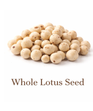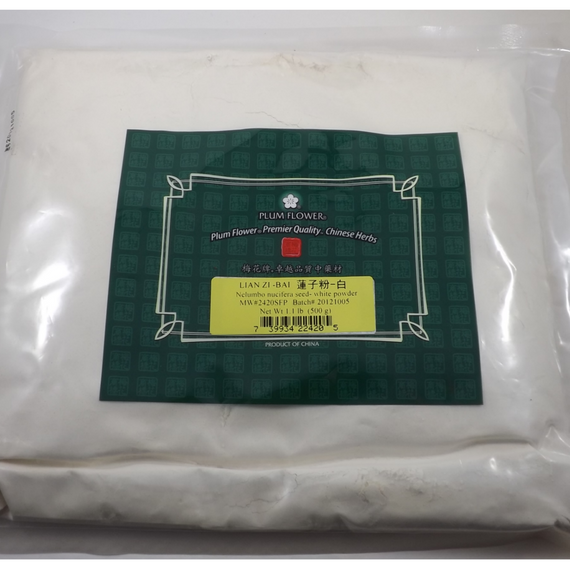


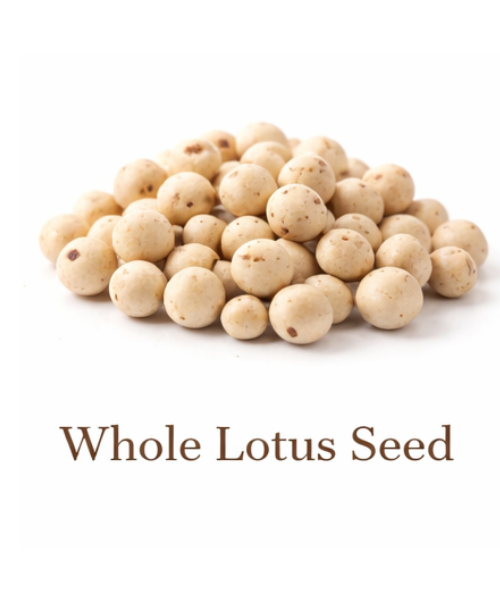
White Lotus Seeds (Lian Zi Bai) — Nelumbo nucifera Semen (1 lb)
White lotus seeds (Pin Yin: Lian Zi Bai) are a classic Chinese “food-herb” used in congee, soups, and gently sweet simmer recipes. They cook up creamy like a bean, taste mild and lightly nutty, and are traditionally described in TCM as sweet, astringent, and neutral, associated with the Heart, Kidney, and Spleen systems.
Educational information only. Herbs are not intended to diagnose, treat, cure, or prevent any disease. If you are pregnant, nursing, have kidney disease, diabetes, or take medications, consult a qualified clinician before use.
Shop White Lotus Seeds (Lian Zi Bai)
- Common name: Lotus Seed (White/Peeled)
- Botanical name: Nelumbo nucifera semen
- Pin Yin: Lian Zi Bai
- Channels/Meridians: Heart, Kidney, Spleen
- Properties (traditional): Sweet • Astringent • Neutral
- Form: Seeds, mostly whole
- Package size: 1 lb
- Brand: Nuherbs Organics
- Ingredients: 100% lotus seed (no fillers, nothing added)
Trusted-source promise: clear labeling • careful storage • customer support • trusted since 1994
Fast help: Jump to How to Cook • Taste • What other sites don’t tell you •
- Ships from the U.S.
- Questions? We answer real humans (contact us below).
- Storage tips included to keep your seeds fresh and usable.
Quick Facts
- Also called: White Peeled Lotus Seeds, Lotus Seed, Lian Zi
- Best use: congee • soups • dessert-style simmer • roasted snack
- Beginner-friendly: mild taste, easy to pair with ginger, dates (Da Zao), goji, and citrus peel (Chen Pi)
- Pro tip: soaking improves tenderness and reduces cook time
What Do Lotus Seeds Taste Like?
White lotus seeds taste mild, gently sweet, and lightly nutty—often compared to a cross between a chestnut and a white bean. When fully cooked, the inside becomes creamy while the seed keeps its shape.
Flavor Pairing Guide (So You Actually Use the Bag)
- Cozy & warming: ginger + cinnamon + dates (Da Zao)
- Classic tonic soup: lotus seeds + mushrooms + ginger + scallion
- Gentle sweet simmer: lotus seeds + dates + goji + a touch of Chen Pi
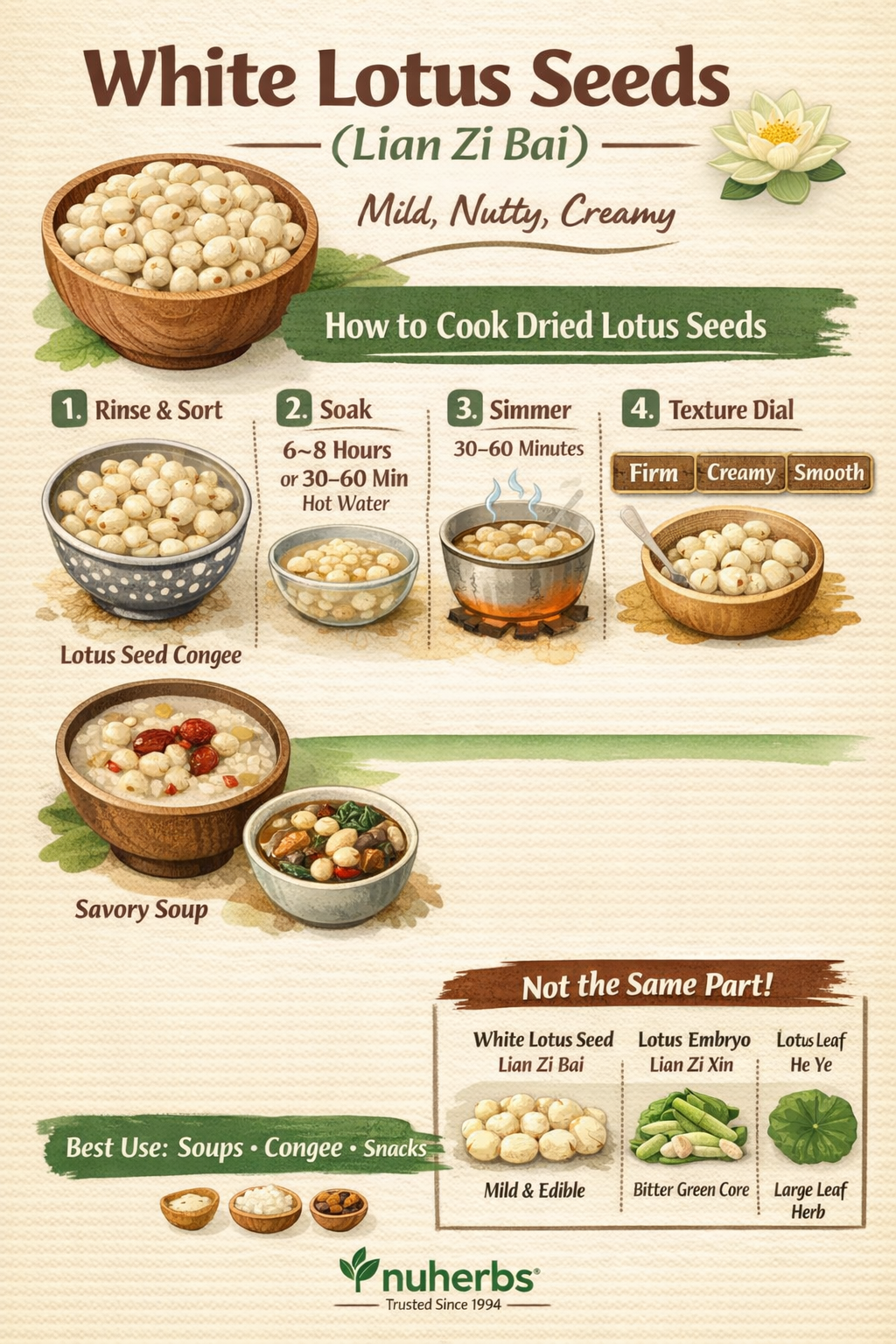
How to Cook Dried Lotus Seeds (Soak + Simmer + Texture Dial)
Step 1: Rinse + Quick Sort
Rinse well under cool water. Remove any broken bits or debris.
Step 2: Soak (Recommended)
- Best soak: 6–8 hours (or overnight) in cool water
- Fast soak: cover with hot water 30–60 minutes
Step 3: Simmer Until Tender
- Drain soaking water and add fresh water.
- Bring to a gentle simmer (not a rolling boil).
- Simmer 30–60 minutes, depending on soak time and seed age.
- Done = the seed mashes easily with a spoon but still holds shape.
- Firm (soups): 30–40 min simmer after a short soak
- Creamy (congee/dessert): overnight soak + 45–60 min simmer
- Extra smooth (thick soup base): cook longer and blend a portion
What Other Sites Don’t Tell You (But Shoppers Absolutely Want to Know)
1) Lotus seed vs lotus embryo (Lian Zi Xin) vs lotus leaf are NOT the same
Many search results mix lotus parts together. Your product is lotus seed. The lotus embryo/plumule (often called Lian Zi Xin) is the small green core used differently in traditional practice. Lotus leaf is different again.
2) “White” seeds are typically peeled—this affects taste and also some compounds
White lotus seeds are commonly peeled for a cleaner taste and smoother cooking. Some research studies focus on seed skin phenolics (the outer layer), so results from “seed skin extracts” may not translate directly to peeled whole seeds eaten as food.
3) If a seed has a bitter core, remove it
Occasionally lotus seeds contain a firm/bitter inner piece. If you notice bitterness, split the seed and remove the inner core, then continue cooking.
4) “Low glycemic” depends on form + preparation
GI claims vary based on whether the seed is whole, flour, processed, and what it’s eaten with. If blood sugar is a concern, treat lotus seeds as a nourishing carbohydrate food and pair with protein/fat and clinician guidance.
5) Your best “first recipe” is congee
Congee is forgiving. It turns lotus seeds into something you’ll actually crave again—meaning repeat purchases, not forgotten pantry bags.
Traditional TCM Uses of Lotus Seeds
In Traditional Chinese Medicine, lotus seed is traditionally described as sweet, astringent, and neutral and associated with the Heart, Kidney, and Spleen channels. Traditional functions are often described as supporting:
- Spleen support traditions (food-tonic style nourishment)
- Kidney “stabilizing” traditions (astringent framework)
- Heart/spirit calming traditions (often used in bedtime-style foods)
Important: Traditional descriptions are not medical claims. Use as part of an overall food plan and consult a qualified clinician for individual guidance.
Nutrition & Research Context (Educational)
Antioxidant activity in research models
Lotus seed preparations have been studied for antioxidant activity in published research. These studies often use extracts and laboratory measures and should not be treated as disease claims.
Sleep-related research (preclinical)
Some studies have explored lotus seed extract and sleep-related mechanisms involving GABA pathways (preclinical and model-based research). This does not mean lotus seeds “treat insomnia,” but it helps explain why lotus seeds appear in traditional calming foods.
Blood sugar–related research
Research examining glucose-related effects often focuses on specific extracts or seed skin components (not always the same as peeled whole seeds eaten as a food). If you’re managing blood sugar, treat lotus seeds as a carbohydrate food and prioritize meal pairing and professional guidance.
3 Winter Recipes
Recipe #1: Lotus Seed + Jujube Comfort Congee
Why: cozy, gentle, and repeatable. Great starter recipe.
- 1/3 cup rice
- 1/4 cup soaked lotus seeds
- 4–6 jujube dates (Da Zao)
- Optional: 1 tbsp goji berries (add last 10 minutes)
- 6–7 cups water
How: simmer 60–90 minutes until creamy. Add goji at the end.
Recipe #2: Savory Winter Lotus Seed Soup
- 1/2 cup soaked lotus seeds
- ginger slices + scallion whites
- dried shiitake mushrooms (soaked)
- optional protein (chicken, tofu, or your choice)
- sea salt to taste
How: simmer lotus seeds and mushrooms until tender, then add protein and finish with ginger/scallion.
Recipe #3: Crispy Roasted Lotus Seed Snack
- Soak 6–8 hours, simmer until just tender, drain very well.
- Toss with a small amount of oil + cinnamon (or your favorite warming spice).
- Roast at 375°F, stirring every 10 minutes, until crisp.
Cautions, Kidney Notes, and Medication Timing
- Pregnant or nursing: Avoid unless directed by a qualified clinician (label guidance).
- Kidney concerns: If you have CKD or potassium restrictions, consult your clinician before adding regular servings (lotus seeds are a food with minerals that may matter in renal diets).
- Diabetes medications: If you use glucose-lowering medications, discuss major dietary changes with your clinician.
- Allergies: Rare but possible—especially with seed/nut sensitivities.
- Serving reality check: Start with small food portions and observe comfort.
California Prop 65
Prop 65 statements may apply to naturally occurring trace elements found in plants due to soil and environment. If you want product-specific guidance, contact us.
Customer Reviews
If you’ve tried lotus seeds, your review helps others cook them with confidence. Consider sharing:
- How you cooked them (soak time + simmer time)
- How they tasted
- Whether you’d buy again
FAQs
Do lotus seeds need to be soaked?
Soaking is strongly recommended for tenderness and shorter cook time. You can cook without soaking, but simmer longer.
What do lotus seeds taste like?
Mild, lightly nutty, and gently sweet—like a chestnut/white bean hybrid when cooked.
Are lotus seeds the same as lotus embryo (Lian Zi Xin)?
No. Lotus embryo/plumule is a different part of the seed and is used differently in traditional practice.
Can I eat lotus seeds daily?
Many people use them as a regular food, but frequency should match your diet goals and any mineral restrictions. If you have kidney disease or take medications, ask your clinician.
How do I store lotus seeds?
Keep airtight, away from humidity and heat. For long storage, a cool pantry or refrigerator helps preserve quality.
PubMed References
- Antioxidant activity of Nelumbo nucifera seeds (Rai et al., 2006)
- Nelumbo nucifera seed extract and sleep potentiation via GABA pathways (Jo et al., 2021)
- Sleep-promoting activity and GABA-A receptor pathway (Ahn et al., 2022)
- Lotus seed skin phenolic-rich extract and α-glucosidase (Xu et al., 2024)
Note: Many studies use extracts or seed skin fractions; results may not translate directly to peeled whole seeds eaten as a food.
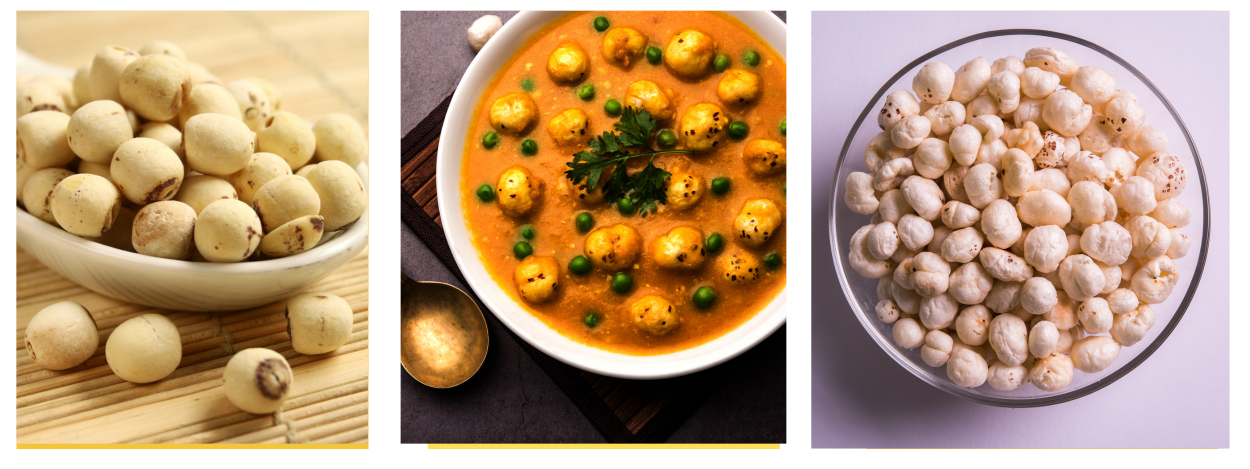
How To Incorporate Lotus Seeds Into Your Diet
Lotus Seeds are low in calories. Ground, roasted seeds can be used as a coffee substitute.
Like other dicotyledons plant seeds, Lotus Seeds are free from gluten protein, which can be safely used in gluten-free food preparations as a healthy alternative in patients with a wheat gluten allergy.
Cooking with lotus seeds can add a unique and nutritious element to various dishes. Here are some common methods for cooking with lotus seeds:
Boiling: One of the simplest ways to cook lotus seeds is by boiling them. Start by soaking the lotus seeds in water for a few hours or overnight to soften them. Then, drain the water and transfer the seeds to a pot. Add fresh water and bring it to a boil. Reduce the heat and simmer for about 20-30 minutes until the lotus seeds become tender. Once cooked, they can be added to soups, stews, or used as an ingredient in other recipes.
Stir-Frying: Lotus seeds can also be stir-fried to enhance their flavor and texture. Begin by boiling the lotus seeds as mentioned above to partially cook them. Drain the water and set aside. Heat some oil in a pan or wok over medium heat. Add the lotus seeds and stir-fry for a few minutes until they turn slightly golden. You can add other vegetables, such as carrots, peas, or mushrooms, to create a flavorful stir-fry dish. Season with soy sauce, salt, or other desired seasonings.
Baking or Roasting: Roasting or baking lotus seeds can bring out a crunchy texture and nutty flavor. Preheat your oven to around 325°F (163°C). Spread the soaked and drained lotus seeds evenly on a baking sheet. Place them in the oven and bake for about 20-30 minutes, or until they turn golden brown and crispy. Keep an eye on them to avoid burning. Once roasted, they can be enjoyed as a healthy snack or used as toppings for salads, desserts, or cereals.
Desserts and Sweet Treats: Lotus seeds are commonly used in Asian desserts and sweet dishes. They can be added to rice puddings, congee, or sweet soups. After boiling or soaking the lotus seeds, you can sweeten them by adding sugar, honey, or other sweeteners of your choice. Combine them with ingredients like coconut milk, jujubes, dried longan, or other fruits to create delightful and comforting desserts.
Remember to adjust the cooking time and method based on the recipe you're following or the specific dish you want to prepare. Lotus seeds have a slightly sweet and nutty flavor, making them versatile for both savory and sweet preparations. Enjoy experimenting with different cooking techniques and incorporating lotus seeds into your favorite dishes.
3 Interesting Facts about White Lotus Seeds
- Traditional Use: White lotus seeds have been used for about 7000 years as a functional food, medicine, and vegetable.
- Approved by the Ministry of Health: Lotus seeds have been approved as food and medicine by the Ministry of Health of the People’s Republic of China.
- Functional Properties: Lotus seeds have been found to have a range of functional properties, including antioxidant, and anti-inflammatory, 1.
Check out our How to Use Bulk Herbs page to see how to use herbs correctly.
Our web page is constantly expanding, as of today we have articles on:
- How to make salves, poultices, tinctures, teas, capsules, gargles, and foot bathes
- How to make a citrus facial splash
- Cayenne pepper: Caterpillar and aphid spray ( Natural insect repellent )
- Citrus potpourri basket
Nuherbs
Each batch of herbs is dual-lab tested by in-house lab and independent third party lab. In-house lab is
equipped with instruments such as a high performance liquid chromatograph, moisture determination meter,
Fourier transform infrared spectrometer, atomic absorption spectrophotometer, gas chromatograph, etc.
In addition, the following additional tests are performed:
- Microbacteria
- Pesticides - over 200 pesticides tested for (Uab 2000 screen).
- Heavy Metals - Lead, Mercury and Arsenic
References:
https://www.ncbi.nlm.nih.gov/pmc/articles/PMC7463813/
https://plantmedicines.org/the-calming-and-healing-effects-of-sacred-lotus/
https://www.urmc.rochester.edu/encyclopedia/content.aspx?contenttypeid=76&contentid=12013-1
Arooj M, et al. Comprehensive review on lotus seeds. Food Science & Nutrition. 2021.
Soumya H, et al. A Review on Health Benefits of Lotus Seeds (Nelumbo nucifera). 2019.
Healthline. "Lotus: Benefits, nutrition, and uses."