How To Use Bulk Herbs

How To Guide

How to Use Bulk Herbs

Capsules. Teas. Decoctions. Tinctures. Syrups. Salves. Baths. Topical oils. This page shows you exactly how to prepare each method—plus the ratios, tools, storage rules, and beginner fixes that keep your herbs from turning into “expensive potpourri.”
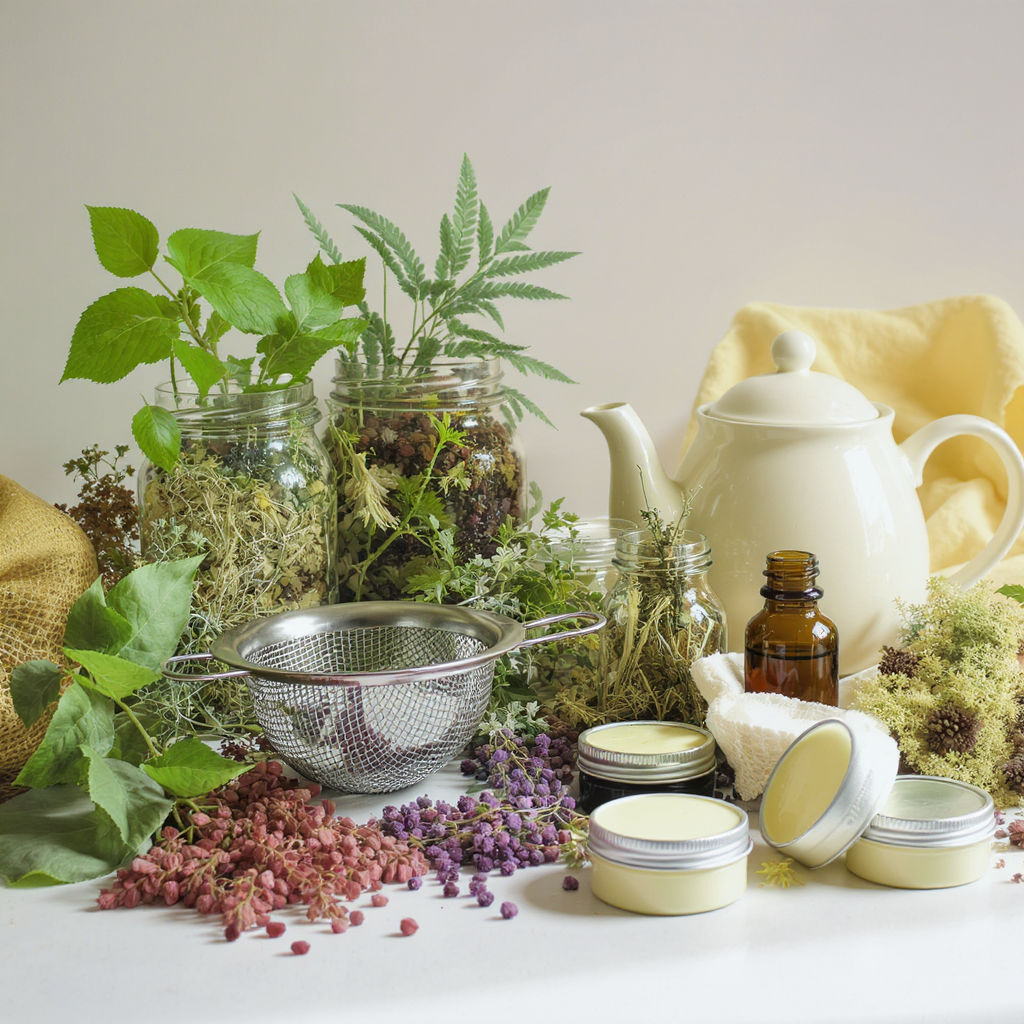
How to use bulk herbs to make teas, tinctures, decoctions, and syrups

Quick Answer: Choose the Right Method

  • Leaves & flowers → Tea/Infusion
  • Roots, bark, seeds, hard berries → Decoction
  • Need compact dosing + long shelf life → Tincture
  • Hate bitter flavor → Capsules or Syrup
  • Skin support → Balm/Salve or Infused Oil
  • Stress + sore feet → Foot soak

Page Details

Last updated:

Reviewed by: 1st Chinese Herbs Team

We maintain this guide to help customers use bulk herbs responsibly and effectively. For personal medical decisions, consult a qualified clinician or licensed herbal professional.

 
Trust Signals

Lab-Tested COAs On Request Quality-First Sourcing

We prioritize transparency: herb form, cut, aroma, and storage guidance—so you can prepare herbs with less uncertainty.

Experience

1st Chinese Herbs
Trusted herbal retailer serving customers nationwide.

This page is written for real kitchens and real schedules: quick paths for beginners, deeper methods for herbal DIYers.

Support

Need help choosing a method?

Tell us what form you bought (powder, root, flower, etc.) and how you prefer to use herbs (tea vs capsules vs tincture). We’ll point you to the best prep.

Know Your Herb Type

The first win is boring—but decisive: match the herb’s physical form to a preparation that can actually extract it. Soft plant parts surrender quickly. Woody parts do not. Treat them differently and you’ll get better results, faster.

Herb Form Best Use Method Why This Works
Powder Capsules, tea, tincture, balms Fine particles disperse quickly and are easy to portion.
Whole/Cut Root or Bark Decoctions, tinctures Hard plant material needs simmering or long extraction to yield more constituents.
Leaves & Flowers Teas/infusions, syrups Fragile aromatics and lighter compounds extract well with short steeping.
Seeds & Berries Decoctions, tinctures Dense outer layers often benefit from simmering or long solvent contact.

Shortcut: If it feels like it could survive a winter in your pocket (roots, bark, seeds), choose decoction. If it looks delicate (leaves, petals), choose infusion.
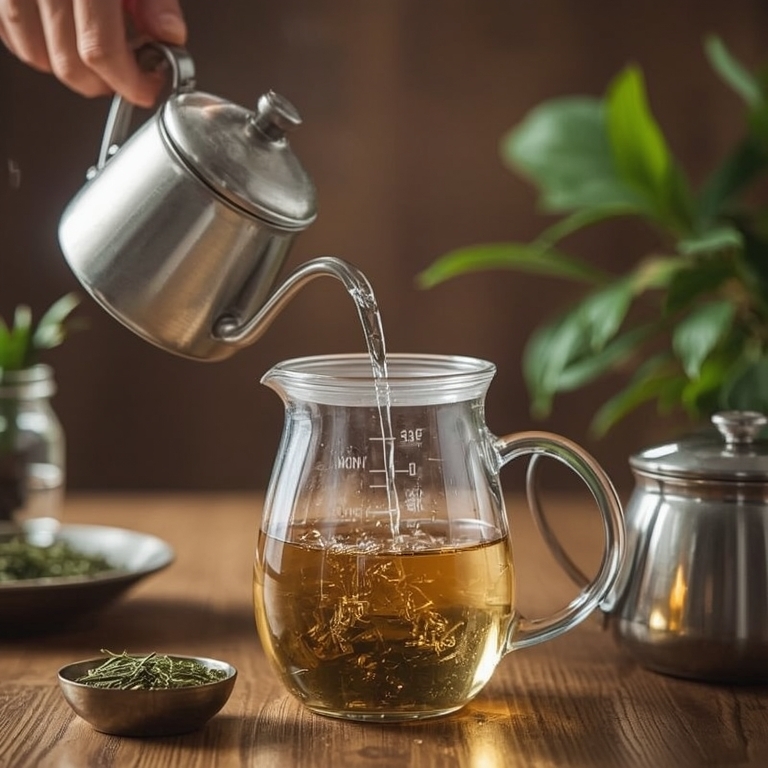
How to use bulk herbs, how to properly brew tea, brewing tea no bitter flavorTea Steeping Time Calculator

Brew Bulk Herbs Correctly—Every Time

Evidence-Informed Brewing Guidance for Bulk Chinese Herbs

Our Chinese Herbal Steep-Time Calculator was created to help users prepare bulk Chinese herbs with accuracy and consistency. It provides clear brewing guidance for 25 commonly used Chinese flowers, leaves, and seeds, based on traditional preparation principles and practical herbal experience.
timer clock for brewing teaStarting to use our Steeping Tea Calculator today 

Cheat Sheet: Ratios & Timing (Save This)

These are general starting points. Some herbs are stronger than others; personal needs vary. When uncertain, start modestly and take notes.

Method Starter Ratio Time Storage
Tea (Infusion) 1 tbsp dried herb per 1 cup water 3–10 minutes Best fresh (within 24 hours)
Decoction 1 cup dried herbs to 4 cups water Simmer 15–50 minutes Refrigerate up to 3 days
Tincture Jar 2/3 herbs, cover fully with 80–100 proof alcohol 4–6 weeks Often 3–5 years (cool, dark storage)
Syrup 1 cup herbs + 2 cups water + 1–2 cups honey/maple Simmer + dissolve Refrigerate 3–6 months
Balm 2 oz infused oil + 1 oz beeswax (adjust as needed) Melt, strain, pour Months to ~1 year (cool storage)

Starter Tools (Beginner to Serious)

Beginner Kit

  • Mesh strainer (fine, stainless)
  • Kettle or saucepan
  • Glass jars with tight lids
  • Labels + marker
  • Measuring spoons

Upgrades (Worth It)

  • French press (excellent for infusions)
  • Kitchen scale (more consistent dosing)
  • Capsule-filling machine
  • Amber dropper bottles (tinctures)
  • Cheesecloth or nut milk bag (straining)

No scale? Use volume-based measuring (tablespoons) consistently. Consistency beats perfection.
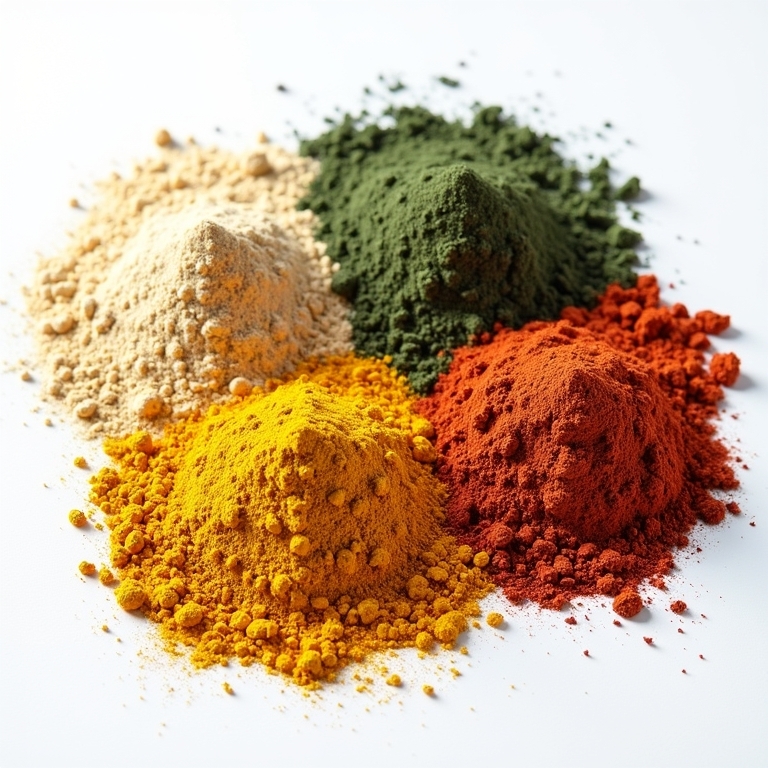
Herb Powders: Capsules

how to use herb powders

Quick Answer: Capsules are ideal when you want herbs without the taste, without the mess, and without daily brewing.

Why people choose capsules

  • No bitter flavor negotiations.
  • Portable and schedule-friendly.
  • Full ingredient control (no fillers).
  • Budget-smart for DIY blends.

What you’ll need

  • Finely powdered herb(s)
  • Empty capsules (vegetarian or gelatin; size 00 is common)
  • Optional: capsule machine for speed

Step-by-step

  1. Dry workspace; moisture clumps powder.
  2. Measure your powder; spread it in a shallow layer.
  3. Fill capsule bodies, then cap tightly.
  4. Store in a sealed glass jar, away from heat and sunlight.
  5. Label with date + ingredients + ratio.

Using Bulk Powdered Herbs

Click here for a detailed guide on how to use bulk powdered herbs correctly.
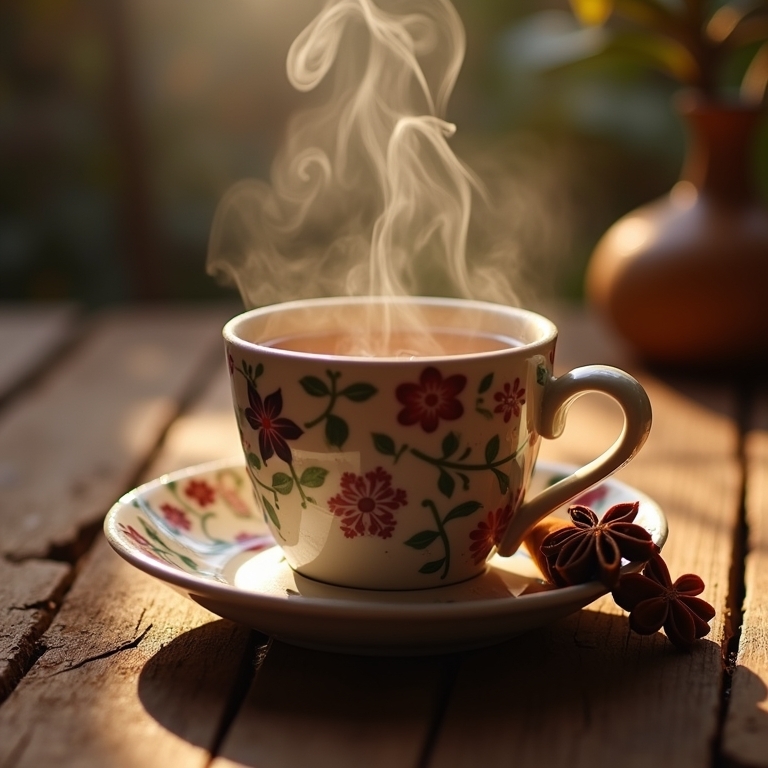
Herbal Tea (Infusion)

brewing herbal tea

Quick Answer: Infusions work best for leaves and flowers. Pour hot water over the herb, cover, steep, strain, drink.
What you’ll need

  • 1 tbsp dried herb (or 2 tbsp fresh)
  • 1 cup boiling water
  • Optional: honey or lemon

Step-by-step

  1. Place herbs in mug or teapot.
  2. Pour boiling water over herbs.
  3. Cover and steep 5–10 minutes.
  4. Strain and enjoy.

Make it stronger (without ruining it)

  • Steep longer (within reason).
  • Use slightly more herb.
  • Cover while steeping to keep aromatics from vanishing into the air.

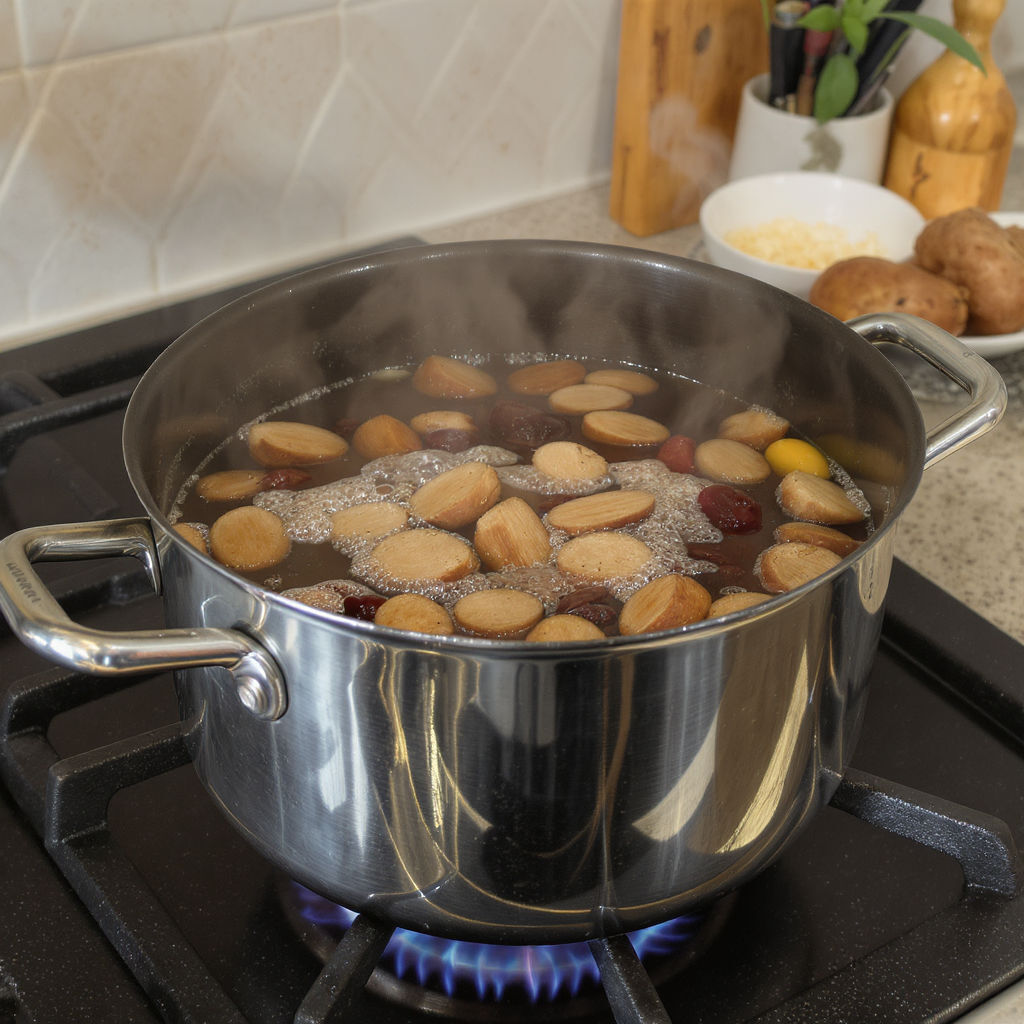
Herbal Decoction

decoction of roots

Quick Answer: Decoctions are for roots, bark, seeds, and hard berries—simmered long enough to extract more from dense plant parts.

What you’ll need

  • 1 cup dried herbs
  • 4 cups water
  • Pot + lid + strainer

Step-by-step

  1. Add herbs and water to a pot.
  2. Bring to a boil, then reduce to a steady simmer.
  3. Simmer 15–30 minutes.
  4. Strain and drink, or refrigerate up to 3 days.

Best practices

  • Simmer, don’t aggressively boil—gentler heat helps prevent unnecessary evaporation and scorching.
  • Use a lid if you want to reduce aroma loss and keep volume steady.
  • Glass storage is preferable; label with date.

Click here to learn how to make a decoction from hard berries, twigs, stems, and roots using bulk herbs.
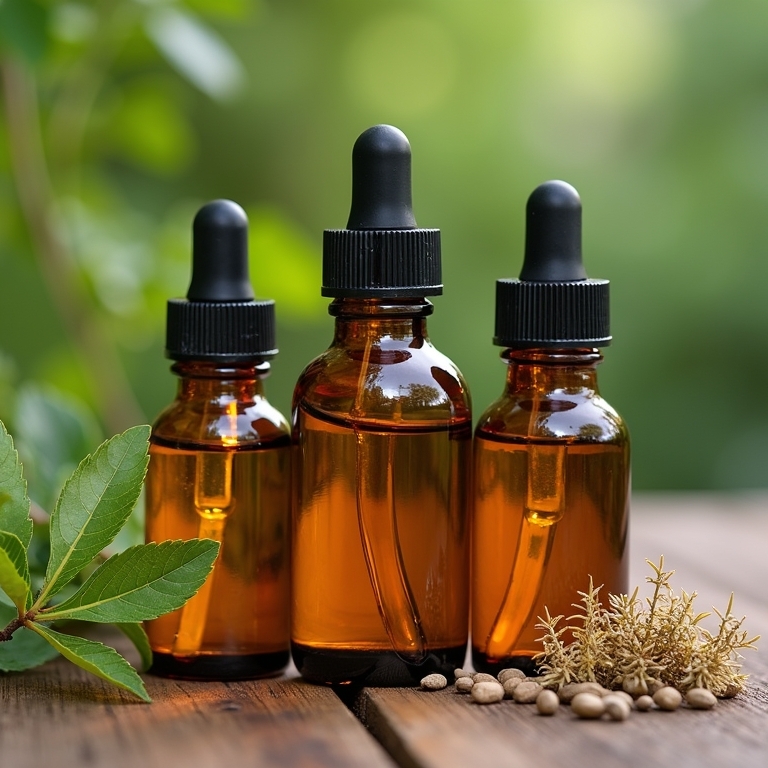
Tincture (Liquid Extract)

making a tincture also known as extract

Quick Answer: A tincture is a concentrated extract. Pack herbs in a jar, cover with alcohol, steep 4–6 weeks, shake, strain, bottle.

What you’ll need

  • 1 cup dried herb (or 2 cups fresh)
  • Vodka or brandy (80–100 proof)
  • Mason jar
  • Strainer + amber bottle + label

Step-by-step

  1. Fill jar 2/3 full with herbs.
  2. Cover completely with alcohol.
  3. Cap tightly; store in a cool, dark place for 4–6 weeks.
  4. Shake daily.
  5. Strain, bottle, label (date + herb + alcohol used).

Safety note: Alcohol-based tinctures are not appropriate for everyone. If you avoid alcohol, ask a professional about alternatives (for example, glycerites) and dosing guidance.
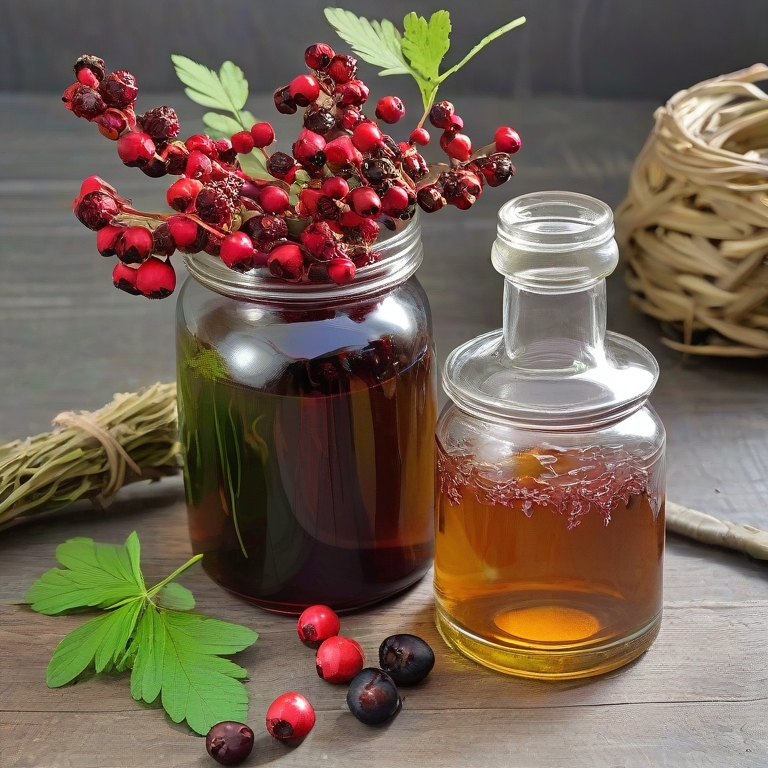
Syrups & Gargles

How to make syrup

Quick Answer: Simmer herbs in water, strain, then dissolve honey or maple syrup while warm. Refrigerate.
What you’ll need

  • 1 cup dried herbs
  • 2 cups water
  • 1–2 cups honey or maple syrup

Step-by-step

  1. Simmer herbs in water (gentle heat).
  2. Strain.
  3. While warm (not boiling), stir in sweetener until fully dissolved.
  4. Jar and refrigerate up to 6 months.

Ways to use syrup

  • Stir into tea
  • Take by spoon (as appropriate)
  • Use as a gargle, then spit
  • Drizzle on oatmeal or yogurt

Balms / Salves / Hand Balm

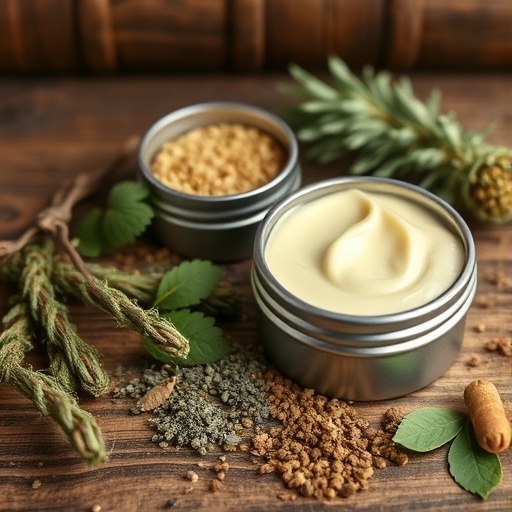
salves in jars

Quick Answer: Infuse herbs into oil, strain, then melt with beeswax. Pour into tins and cool.
What you’ll need

  • 2 oz carrier oil (olive, coconut, etc.)
  • 1 oz beeswax
  • 2 tbsp herbs

Step-by-step

  1. Warm oil with herbs on low heat; do not scorch.
  2. Strain out herbs.
  3. Melt beeswax into infused oil.
  4. Pour into tins, cool, label.

Texture troubleshooting

  • Too hard? Use less beeswax next batch.
  • Too soft? Add a small amount more beeswax.

Baths & Foot Soaks

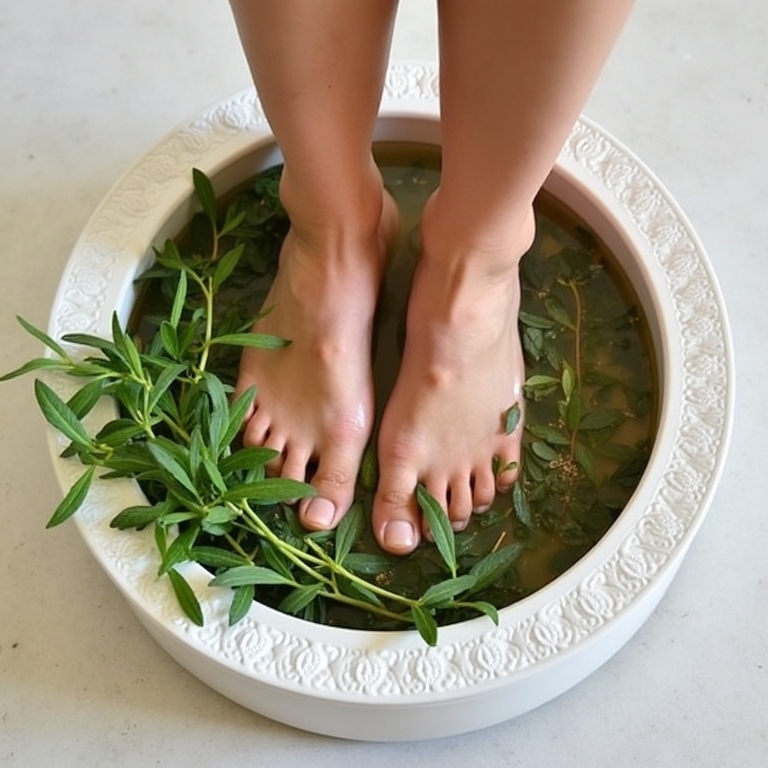
Quick Answer: Steep herbs in hot water, pour into basin or bath, soak 15–20 minutes.

What you’ll need

  • Handful of herbs
  • Hot water (safe temperature)
  • Optional: Epsom salt, essential oils

Step-by-step

  1. Steep herbs in hot water for several minutes.
  2. Pour into a basin (or bath).
  3. Soak 15–20 minutes.
  4. Pat dry; moisturize if desired.

Simple upgrade: Add smooth stones to the basin for a gentle foot massage while you soak.

How to Make Herbs Taste Better (Without Wrecking the Prep)

For Teas & Decoctions

  • Add a squeeze of lemon after straining.
  • Use honey or maple syrup (moderate amounts).
  • Blend with naturally pleasant aromatics (like cinnamon or citrus peel where appropriate).
  • Chill and drink over ice if warmth makes it harder to tolerate.

For “I cannot drink this” situations

  • Switch to capsules for powders.
  • Use tinctures for small, quick servings.
  • Turn decoction into syrup (where appropriate) for easier compliance.

Common Mistakes (and the Quick Fix)

Mistake: Using tea method for bark/root

Fix: Use a decoction. Dense plant parts usually need simmering.

Mistake: Leaving herbs uncovered while steeping

Fix: Cover your mug/teapot. Aromatic compounds drift away quickly.

Mistake: Storing bulk herbs in heat/light

Fix: Airtight glass in a cool, dark place. Moisture is the real enemy.

Mistake: Forgetting what you made

Fix: Label everything: herb name, date, ratio, and method.
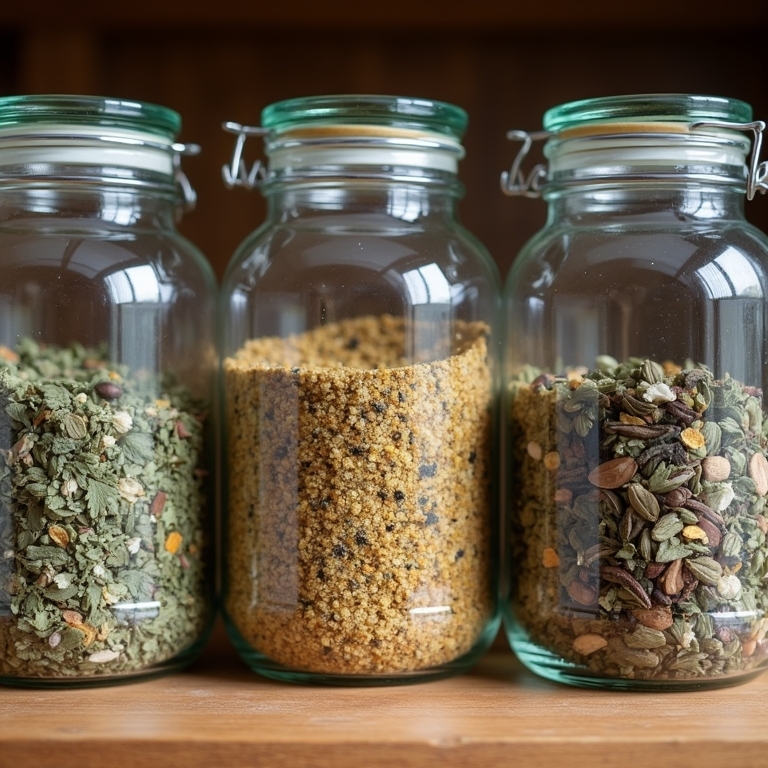
Storage Rules (So Your Herbs Keep Their Character)
how to sotre bulk herbs

  • Use airtight jars (glass is excellent).
  • Label: herb name + date received/opened.
  • Keep cool, dark, and dry.
  • If it smells musty, looks damp, or shows mold: discard.

Frequently Asked Questions

How do I store bulk herbs properly?

Store herbs in airtight jars, labeled with herb name and date. Keep them cool, dark, and dry to preserve aroma and vitality.


Can I combine herbs together?

Many herbs are traditionally combined. Be mindful of potency, personal sensitivities, and any medications you take. When in doubt, consult a qualified clinician or herbal professional.


How do I know if an herb has gone bad?

If it smells musty, looks faded, or has lost its distinct aroma, potency may be reduced. Visible moisture or mold means it should be discarded.


What is the difference between a tea and a decoction?

Tea (infusion) is best for soft parts like leaves and flowers. Decoction involves simmering tougher herbs like roots and bark for deeper extraction.


How long do homemade herbal remedies last?

  • Teas: best fresh (within 24 hours)
  • Decoctions: up to 3 days refrigerated
  • Tinctures: often 3–5 years (proper storage)
  • Syrups: 3–6 months refrigerated
  • Balms: months to ~1 year (depends on ingredients and storage)

Safety Notes (Read Once, Keep Forever)

Herbs can interact with medications and may not be appropriate for everyone. If you are pregnant, nursing, managing a medical condition, or taking prescriptions, consult a qualified clinician before beginning a new herbal routine. Stop use if you experience irritation or unexpected reactions.

About 1st Chinese Herbs

1st Chinese Herbs
17111 Highway North 21
Republic WA 99166
Call us: 360-970-1550

Questions about which preparation matches your herb form? Contact us and we’ll help you choose a method that fits your routine.

Editorial Standards

  • We update guides as preparation best practices evolve and as customers ask new questions.
  • We focus on clear preparation instructions, storage, and practical troubleshooting.
  • We avoid making disease treatment claims on educational pages.

Want a topic added? Send us your question and we’ll consider it for the next update.

Sources & Further Reading

General preparation and safety principles are consistent across reputable herbal education resources. For additional reading:

Note: These references are for general education. Always individualize decisions with professional guidance.

Free Download

Free E-Book
10 Vital Herbs That Work


First Time Shopping With Us?

We’re happy to help you choose herb forms and the best prep method for your routine.
RELATED LINKS

  • New
    Poria/Hoelen Fungus- Sliced (Fu Ling (Sliced) Plum Flower powder form 1lb How to brew tea
    + Add to Cart The item has been added

    Plum Flower Powders

    Poria Hoelen Fungus (Fu Ling) 5 Kilos Plum Flower powder form

    Fu Ling (Poria) Powder — 5 Kilo Bulk Bag Stock your dispensary with a professional-size supply of Fu Ling in a single 5-kilo bag. Revered in TCM for its gentle, versatile nature, Fu Ling is traditionally used to support healthy fluid balance,..…

    $245.00
    + Add to Cart The item has been added
  • New
    Mulberry Leaf (Sang Ye) Plum Flower Powder 1lb 5 kilos - 11.02 pounds
    + Add to Cart The item has been added

    Plum Flower Powders

    Mulberry Leaf Sang Ye Powder 5 Kilo (11.02 lb) Plum Flower

    Mulberry Leaf (Sang Ye) – 5 Kilo Bulk Powder Stock your apothecary with a large, reliable supply of Mulberry Leaf powder in a 5-kilo single bag. Traditionally valued in TCM for supporting seasonal comfort and overall balance, Sang Ye is a versa…

    $240.00
    + Add to Cart The item has been added
  • Chuan Xin Lian - Andrographis Herb Plum Flower Herb Powder Kilos in one bag Chuan Xin Lian - Andrographis powder 5 kilos - GMP - Lab Tested
    + Add to Cart The item has been added

    Plum Flower Powders

    Andrographis Herb Powder - Chuan Xin Lian Bulk Bag

    Andrographis Powder  5 Kilogram Bulk Bag (1 single bag) Why Is Andrographis Revered in Traditional Chinese Medicine? Andrographis (Chuan Xin Lian) has long been used in Traditional Chinese Medicine (TCM) and Ayurvedic systems for its cooling,..…

    $245.00
    + Add to Cart The item has been added
  • Astragalus Root Huang Qi Astragalus membranaceus root Concentrate Form 100 Gram Bottle - Plum Flower Brand Astragalus Root Huang Qi Astragalus membranaceus root Concentrate Form 100 Gram Bottle - Plum Flower Brand
    + Add to Cart The item has been added

    Plum Flower Concentrated Powder

    Astragalus Root Huang Qi Extract Pwd 100gr Plum Flower

    Herbal Information on Astragalus Root in Extract Powder Form Common Name: Astragalus Root, Radix astragali, dai shen, shu zhi Channels/Meridians: Lung, Spleen Botanical Name:  Astragalus membranaceus root Pin Yin Nam…

    $233.99
    + Add to Cart The item has been added

Recommended For You View all