

Chinese Herb Preparations Explained: Pao Zhi Processing
Posted by Sarah Johnson, and 1st Chinese Herbs Editorial Team on Feb 20th 2026
Chinese Herb Preparations Explained: Pao Zhi Processing (Why It Matters)
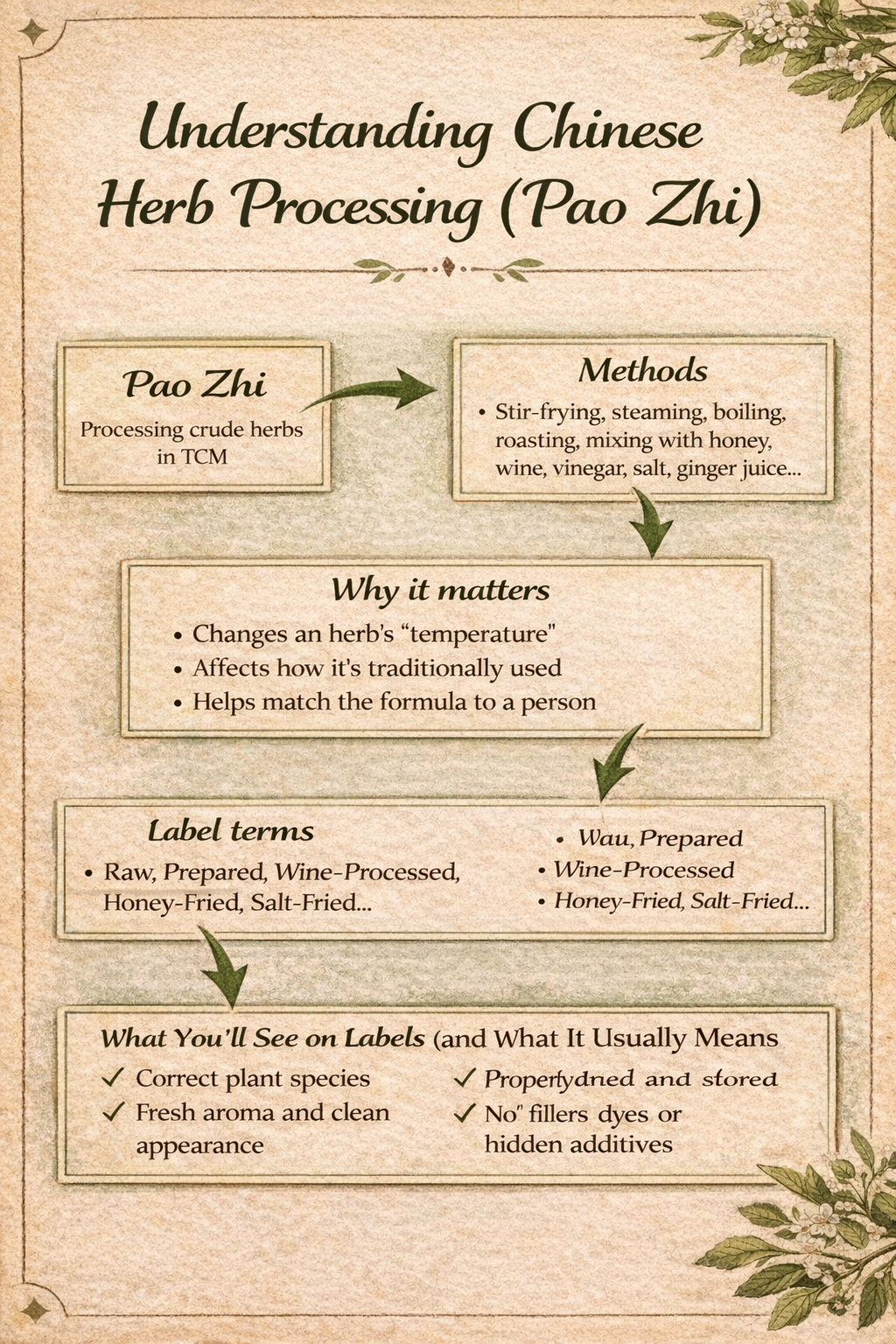
In Traditional Chinese Medicine (TCM), herbs aren’t always used “as-is.” A single herb can be sold as raw, prepared, wine-processed, honey-fried, or salt-fried—and that’s not random marketing. It’s part of an established tradition called Pao Zhi, which refers to the processing methods used to transform crude herbs before they’re included in formulas.
If you’ve ever looked at an herb label and wondered:
-
“Do I need the raw version or the prepared one?”
-
“Why does this product say wine-fried or honey-processed?”
-
“Does processing change what the herb is traditionally used for?”
Raw vs Prepared Chinese Herbs — What’s the Difference?
Many Chinese herbs are available in both raw (unprocessed) and prepared (processed) forms. The preparation method—called Pao Zhi—traditionally changes how the herb is used and how it fits into a formula. Use this table to choose the correct form and avoid costly mistakes.
| Form | Common Label Terms | Traditional Use Notes | Who Usually Chooses It | Preparation Method |
|---|---|---|---|---|
| Raw Herb (Unprocessed) |
Sheng (生) Raw Crude herb Unprepared |
Traditionally considered closer to the herb’s natural state. Often described as more direct or cooling in classical TCM terminology (depends on the herb). |
Practitioners creating custom formulas Experienced herb users Traditional decoction users |
Minimal processing Usually cleaned, sliced, and dried |
| Prepared Herb (Processed / Pao Zhi) |
Shu (熟) Prepared Wine-processed Honey-fried Salt-fried Ginger-processed |
Traditionally processed to modify the herb’s nature, improve balance, or match specific formula goals. Processing method influences traditional category and application. |
Customers following practitioner formulas People using classical prepared herb forms Those wanting traditional prepared versions |
May include: Stir-frying Steaming Wine processing Honey processing Salt processing |
Always match the herb form listed in your formula. Raw and prepared versions are not always interchangeable.
This easy-to-follow guide is here to make it simple.
We’ll cover:
-
What Pao Zhi is (in plain English)
-
The most common processing methods you’ll see
-
A classic real-world example (Rehmannia: raw vs prepared)
-
How to shop smart (so you buy the right form the first time)
Note: This page is educational and uses traditional TCM terminology. It’s not medical advice and is not intended to diagnose, treat, cure, or prevent disease.
What Is Pao Zhi?
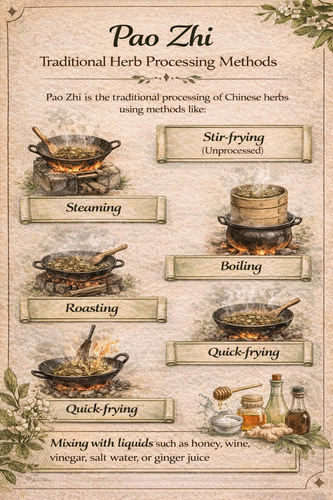
Pao Zhi is the traditional processing of Chinese herbs using methods like:
Stir-frying
Steaming
Boiling
Roasting
Quick-frying
Mixing with liquids such as honey, wine, vinegar, salt water, or ginger juice
The goal is to modify the herb’s properties in ways that practitioners describe as:
making the herb gentler or more balanced
reducing harshness or irritability (when applicable)
shifting how the herb is traditionally used in a formula
helping match the herb form to a person’s pattern and constitution
Why Processing Matters (The “Same Herb” Can Behave Differently)
In TCM, processing is not an afterthought—it’s part of how herbs are traditionally matched to a person.
Think of it like cooking food:
-
Raw onions are sharper
-
Cooked onions are sweeter and softer
Same ingredient… different effect.
Chinese herb processing works with the same idea: heat + time + method (and sometimes liquids) can change an herb’s traditional “temperature,” intensity, and how it’s typically used.
The Most Common Chinese Herb Processing Methods (Explained Simply)
Below are several methods your practitioner may reference, and what they’re traditionally meant to accomplish.
1) Dry Frying (Stir-Frying Without Oil)
What it is: Stir-frying the herb in a dry pan (no oil).
Why it’s used (traditional language): Often described as improving digestibility and “directing” the herb toward the Spleen and Stomach systems.
2) Salt-Frying (Salt Water Processing)
What it is: Stir-frying with a small amount of salt water.
Why it’s used: Traditionally said to “guide” actions toward the Kidney system, supporting Yin while moderating heat.
3) Honey-Frying
What it is: Coating the herb in honey and gently stir-frying.
Why it’s used: Often described as nourishing and moistening, and used for herbs traditionally associated with tonifying or gentle support.
4) Vinegar-Frying
What it is: Processing the herb with vinegar.
Why it’s used: Traditionally associated with astringing and “directing” effects. In some cases, used to modify harshness.
5) Wine-Frying (Rice Wine Processing)
What it is: Processing with wine (often rice wine).
Why it’s used: Traditionally described as helping “unblock channels” and support circulation-focused uses in classic language.
6) Ginger Juice Processing
What it is: Stir-processing with ginger juice.
Why it’s used: Traditionally described as warming the middle (Stomach area) and improving tolerance for certain herbs.
7) Quick-Frying (High Heat, Fast Method)
What it is: High-temperature frying for a shorter time.
Why it’s used: Often described as moderating harsh properties and reducing irritability (when applicable).
8) Boiling / Steaming (Sometimes With Liquids)
What it is: Boiling or steaming the herb, sometimes with an assisting liquid.
Why it’s used: Traditionally used to transform the herb’s nature and shift its classical category.
Classic Example: Rehmannia (Raw vs. Prepared)
One of the clearest examples of why processing matters is Rehmannia root (Di Huang).
Sheng Di Huang (Raw Rehmannia)
-
Traditionally described as cold in nature
-
Used in patterns involving heat and a need to support fluids/Yin (TCM framework)
Shu Di Huang (Prepared Rehmannia)
-
Traditionally processed by steaming (often with wine in many lineages)
-
Traditionally described as more tonifying and slightly warm
-
Used to nourish Blood, Yin, and Essence (classic category language)
Takeaway: It’s not “one is better.” It’s one is more appropriate depending on the person and goal.
What You’ll See on Labels (and What It Usually Means)
Here are common terms that appear on product pages:
-
Raw / Sheng (生)
-
Prepared / Shu (熟)
-
Wine-processed / Jiu Zhi (酒炙)
-
Honey-processed / Mi Zhi (蜜炙)
-
Vinegar-processed / Cu Zhi (醋炙)
-
Salt-processed / Yan Zhi (盐炙)
-
Ginger-processed (often written in English)
If you’re following a practitioner’s formula, match the processing method exactly unless they say substitutions are okay.
Don't Make These Mistakes
Most product confusion happens here:
✅ Someone buys an herb because the name matches…
❌ but the practitioner wanted a processed version…
➡️ and the customer ends up needing to repurchase.
This is why you’ll see multiple versions of the same herb.
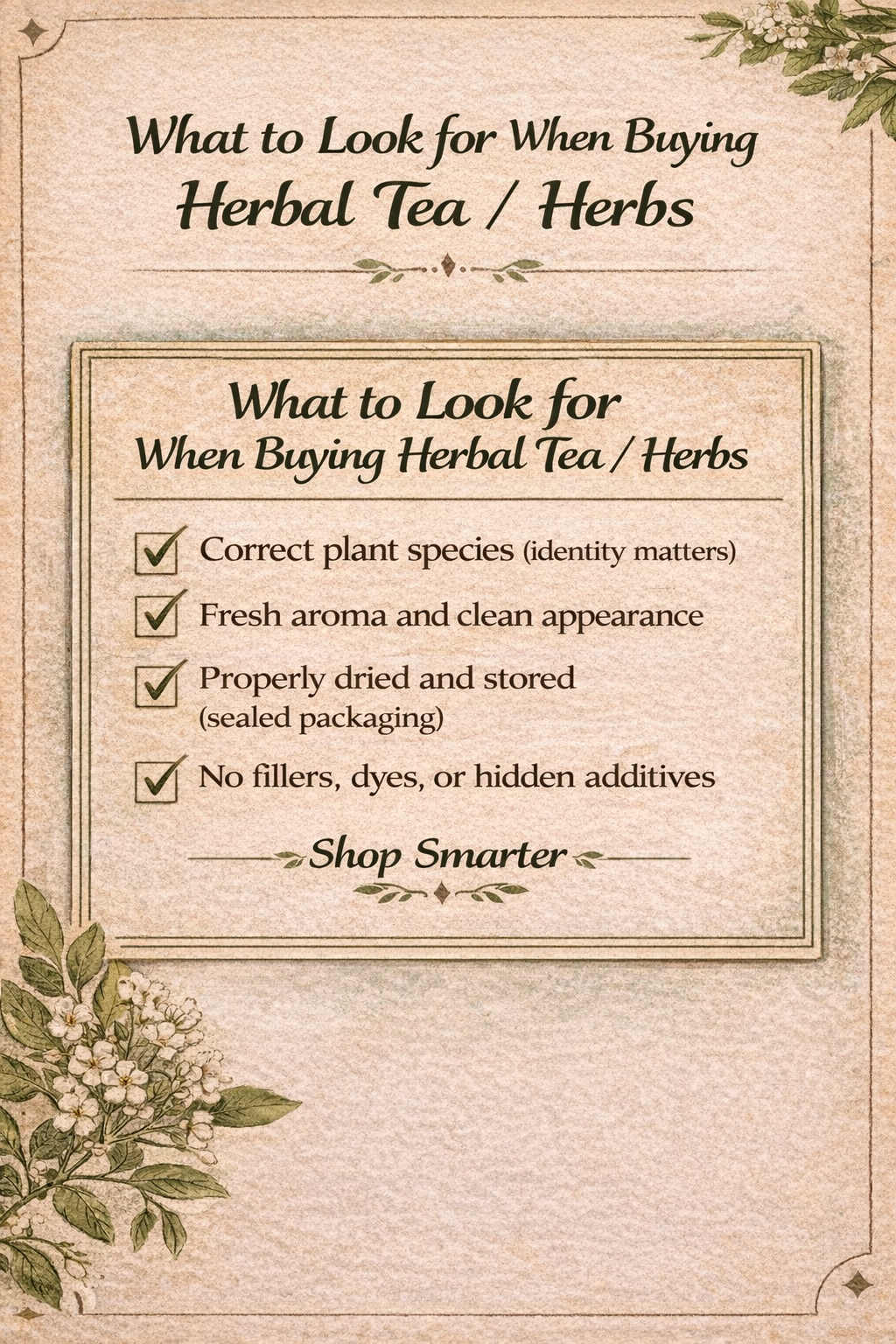 What to Look for
-
Correct plant species (identity matters)
-
Fresh aroma and clean appearance
-
Properly dried and stored (sealed packaging)
-
No fillers, dyes, or hidden additives
-
Transparent sourcing and quality standards
FAQ
What is Pao Zhi?
Pao Zhi is the traditional processing of Chinese herbs using methods like stir-frying, steaming, boiling, roasting, and processing with liquids such as honey, wine, vinegar, salt water, or ginger juice.
Why are some herbs wine-processed or honey-processed?
In traditional practice, assisting liquids are used to change an herb’s character and support different classical uses—often described as shifting direction, tolerance, or overall nature.
Do I need the processed version of an herb?
Not automatically. The best version depends on the formula goal and the person’s pattern. If a practitioner recommended a specific processed form, match it.
Can I substitute raw for prepared herbs?
Sometimes—but substitutions can change the traditional intent of a formula. When in doubt, ask your practitioner or follow the product form specified.
Ready to choose the right herb the first time?
Shop herbs that clearly label the form + processing method, and look for transparent handling and quality standards.
✅ Shop Single Herbs for Tea + Decoction
✅ Shop Traditional Formula Ingredients
Raw vs. Prepared Chinese Herbs — What’s Different?
Many Chinese herbs are sold in both raw (unprocessed) and prepared (processed) forms. The processing tradition is called Pao Zhi. Use the table below to understand label terms and choose the correct form.
| Form | Common Label Terms | Traditional Use Notes | Who Usually Chooses It | Prep Method |
|---|---|---|---|---|
| Raw Herb (Unprocessed) |
Sheng (生) Raw Crude herb Unprepared |
Traditionally closer to the herb’s natural state. Often chosen when a formula specifically calls for the raw form. The traditional “temperature” and effects depend on the herb. | Practitioners building custom formulas Experienced herb users People preparing traditional decoctions |
Minimal processing (cleaned, cut/sliced, dried) |
| Prepared Herb (Processed / Pao Zhi) |
Shu (熟) Prepared Wine-processed (Jiu Zhi 酒炙) Honey-processed (Mi Zhi 蜜炙) Vinegar-processed (Cu Zhi 醋炙) Salt-processed (Yan Zhi 盐炙) Ginger-processed |
Traditionally processed to modify an herb’s characteristics (often described as changing intensity, balance, and how it’s used in a formula). The processing method is part of the traditional selection. | Customers following practitioner formulas People using classic “prepared” herb forms Those matching a specific label term (wine/honey/salt, etc.) |
May include stir-frying, steaming, boiling, roasting, or processing with assisting materials (wine, honey, vinegar, salt water, ginger juice) |
References
Scientific & PubMed References on Chinese Herb Processing (Pao Zhi)
The following peer-reviewed scientific articles provide additional information on traditional Chinese herb processing methods (Pao Zhi), including stir-frying, steaming, wine-processing, honey-processing, and preparation of herbs such as Rehmannia root.
Seeing the unseen of Chinese herbal medicine processing (Paozhi): advances in new perspectives
Explains how traditional processing methods alter herb characteristics and why Pao Zhi is used in Chinese medicine.
Effects of processing adjuvants on traditional Chinese herbs
Describes the use of honey, wine, vinegar, salt water, and ginger juice in herbal processing.
The extraordinary transformation of traditional Chinese medicine
Discusses the role of herbal processing and assisting substances in modifying herbal properties.
Effect of Processing on the Traditional Chinese Herbal Medicine (Pao Zhi)
Reviews how processing methods influence herbal preparation and traditional applications.
Pao zhi processing and metabolite changes in Chinese materia medica
Demonstrates how processing alters herbal chemistry and preparation characteristics.
Investigation of the effect of the degree of processing of Radix Rehmanniae Preparata
Examines traditional steaming and wine-processing methods used to prepare Rehmannia root.
Metabolomic strategies reveal processing differences in Rehmanniae Radix
Compares raw and prepared Rehmannia and explains traditional preparation techniques.
Chemical component changes during processing of Rehmanniae Radix
Shows measurable changes that occur during traditional herbal processing.