
Chinese Herbs Explained: What They Are, How They Work, and How to Choose a Trusted Source Online
Posted by Sarah Johnson, M.S. in Holistic Healing, - 1st Chinese Herbs Review Team on Dec 8th 2025
Chinese Herbs Explained: What They Are, How They Work, and How to Choose a Trusted Source Online
Quick Answer
Chinese herbs are plant-based materials (roots, leaves, seeds, bark, flowers, fungi) and sometimes minerals or animal products used in Traditional Chinese Medicine (TCM) formulas to support balance in the body over time. They are usually chosen based on a person’s pattern (hot/cold, excess/deficiency, Qi/Blood/Yin/Yang) rather than just a single symptom like “headache.”
Safe modern use depends on three things:
- Quality control – lab testing for identity, contaminants (heavy metals, pesticides, microbes) and proper manufacturing practices.
- Honest education and labeling – clear Latin names, plant parts, preparation instructions, and realistic claims.
- Appropriate guidance – working with your medical team and qualified herbal/TCM practitioners, not replacing critical medical care with herbs alone.
This article walks you through all of that — in normal human language — and shows you what a trusted supplier looks like (using 1st Chinese Herbs as a real-world example).
Why You’re Confused About Chinese Herbs (And It’s Not Your Fault)
If you’ve ever typed “Chinese herbs” into a search bar, you’ve probably seen:
- Super-short “What are Chinese herbs?” blurbs that barely tell you anything.
- Product pages with pretty photos and zero quality info.
- Scary headlines about contamination or side effects.
- And then… a thousand different opinions on what you “should” take.
Meanwhile, real health agencies remind us:
- “Natural” does not automatically mean safe.
- Herbal products can interact with medications and cause adverse reactions if used incorrectly.
So if you feel torn between curiosity and fear, you’re normal.
This guide is here to:
- Explain what Chinese herbs actually are
- Show how they “work” from both TCM and modern perspectives
- Help you spot a trustworthy supplier (and red flags)
- Give you a realistic, safe way to start exploring herbs with confidence
This is educational, not personal medical advice — but good education is the first step to safer herbal choices.
What Exactly Are Chinese Herbs?
In TCM, “herbs” means much more than kitchen basil.
Chinese herbs typically include:
- Plants: roots (ginseng, astragalus), bark (cinnamon), seeds (jujube seed), berries (goji), flowers (chrysanthemum), leaves (mulberry), fungi (reishi, cordyceps)
- Sometimes minerals (like oyster shell) and historically some animal substances, though many modern suppliers focus primarily on plant materials for ethical and regulatory reasons.
These materials are described collectively as the Chinese materia medica — thousands of items categorized by:
- Nature: warm, hot, neutral, cool, cold
- Taste: bitter, sweet, sour, pungent, salty, bland
- Meridian/Channel: which organ systems or “channels” they’re said to influence
- Actions: such as “tonify Qi,” “move Blood,” “clear Heat,” “drain Dampness,” etc.
Most of the time, herbs are combined into formulas, not used alone. One formula might:
- Support Qi (vital energy)
- Nourish Blood or Yin (fluids and deeper nourishment)
- Move stagnation
- Harmonize digestion
The goal is to nudge the body back toward balance — gently and repeatedly over time.
How Chinese Herbs “Work” in TCM Terms
TCM doesn’t think in terms of isolated diseases as much as patterns.
A classic TCM diagnosis looks at:
- Temperature: do you tend to run hot or cold?
- Moisture: dry, damp, phlegmy, or balanced?
- Strength: overall Qi and Blood — do you feel robust or depleted?
- Direction: things going up (headaches, flushing), down (diarrhea), stuck (pain, distention)?
From there, Chinese herbs are chosen to:
- Tonify (strengthen) things that are weak (Qi, Blood, Yin, Yang)
- Clear things that are in excess (Heat, Dampness, Phlegm, “Toxic Heat”)
- Move what’s stuck (Qi or Blood stagnation)
- Protect the body from external “Wind,” “Cold,” or “Damp” (classic TCM terms)
For example, you’ll often see herbs described in families like:
- Qi tonics – support energy and resilience (e.g., Astragalus, Ginseng)
- Blood movers – support healthy circulation and relieve stagnation (e.g., Dan Shen, Hong Hua)
- Yin nourishers – moisten and cool when dryness or “Heat” is present (e.g., Bai Shao, Sheng Di Huang)
- Yang warmers – gently warm and invigorate when there’s cold, sluggishness, or low drive (e.g., Rou Gui)
You don’t have to memorize all of this — but understanding that herbs are chosen for patterns, not “one herb for one disease,” helps explain why random self-prescribing from a blog post can go sideways.
What Modern Science Says About Chinese Herbs
Modern research looks at Chinese herbs from several angles:
- Bioactive compounds – things like polysaccharides, flavonoids, alkaloids, saponins, etc., which may affect immune, inflammatory, metabolic, or nervous system pathways.
- Pharmacology & mechanisms – lab and animal studies exploring how extracts interact with receptors, enzymes, signaling pathways, and the microbiome.
- Clinical trials & observational studies – looking at specific formulas or herbs in defined groups of people.
At the same time, large reviews keep repeating a crucial theme:
Chinese herbs can be helpful and they can cause problems if quality is poor or they’re used incorrectly.
Major safety reviews and surveillance studies have found:
- Contaminants such as heavy metals, pesticides, and mycotoxins in some poorly controlled herbal products.
- Adulteration with undeclared pharmaceutical drugs or misidentified plants in some cases.
- Intrinsic toxicity of certain herbs if used inappropriately or without respecting traditional processing rules.
Health agencies repeatedly remind the public that herbal medicines:
- Are not automatically safe just because they’re “natural”
- Can interact with other medications
- Often don’t go through the same full licensing and evidence process as conventional drugs
So the message is not “never use herbs.”
The message is: use herbs wisely, with good quality control and proper guidance.
 Forms of Chinese Herbs (And Which Might Fit You)
One place people get confused is simply what form of herb to use. Here’s a quick breakdown.
1. Whole / Cut Herbs
- What they are: Slices of root, bark, flowers, seeds, fungi.
- How they’re used: Traditionally simmered into a decoction (strong tea).
- Pros: Closest to classical TCM use, very customizable; you can see the raw material.
- Cons: Takes time, smell can be strong, not very travel-friendly.
2. Powders (Whole Herb Ground)
- What they are: The entire dried herb ground to a fine powder.
- How they’re used: Mixed into warm water, teas, smoothies, or encapsulated.
- Pros: Convenient, flexible for DIY blends.
- Cons: Taste can be intense; proper storage is important.
3. Extract Powders / Granules
- What they are: Herbs that have been decocted or extracted, then concentrated and dried.
- How they’re used: Stirred into hot water or liquids; often used by practitioners.
- Pros: More concentrated per gram; very handy for busy people.
- Cons: Quality depends heavily on the manufacturer’s extraction process and testing.
4. Teapills / Tablets
- What they are: Pre-made herbal formulas pressed into small pills.
- How they’re used: Swallowed with water like a supplement.
- Pros: Easiest for everyday routines; no cooking.
- Cons: Fixed formula; less flexible than custom decoctions.
5. Tinctures / Liquid Extracts
- What they are: Herbal extracts in alcohol or glycerin.
- How they’re used: Measured by drops; taken in a small amount of water or juice.
- Pros: Convenient, adjustable drop-by-drop.
- Cons: Alcohol content may not suit everyone; again, quality varies.
The “best” form isn’t universal. It’s the one that:
- Fits your practitioner’s plan, and
- Actually fits your daily life so you’ll use it consistently.
Safety First: Natural ≠ Automatically Safe
Let’s say it clearly:
Herbal medicines can be helpful, but they are not automatically safe just because they come from plants.
Government and health agencies repeatedly stress that:
- Herbal medicines can cause side effects and interact with conventional medicines.
- Some herbal products may not be manufactured to high standards.
- Quality problems often come from limited regulation and weak quality control, especially in complex herbal supply chains.
Professional guidelines emphasize:
- Clear labeling and written preparation instructions
- Safe dispensary management
- Proper handling of toxic or restricted herbs
- Referral back to medical professionals when necessary
So, if a website acts like herbs are harmless, side-effect-free miracle cures… that’s a red flag. A trustworthy company speaks openly about risk and benefit.
Smart Buyer Checklist: How to Choose a Trusted Chinese Herb Source Online
Here are ABSOLUTELY MUST-HAVES.
When evaluating any herb company (including us), ask:
- Do they talk clearly about testing?
Look for heavy metals, pesticides, microbes, and identity testing. Bonus: batch-level Certificates of Analysis (COAs) available on request.
Yes, 1st Chinese Herbs offers a Certificate of Analysis. - Do they mention GMP or quality systems?
GMP-aligned facilities and documented procedures show they’re serious about quality, not just reselling bulk product. Yes, 1st Chinese Herbs has documentation. - Is the label complete?
Each product page should list:- Common + Latin name
- Plant part (root, leaf, flower, etc.)
- Form (cut, powder, extract, teapill)
- Net weight and suggested preparation form
Yes, 1st Chinese Herbs does this, we even have a page dedicated to this information.
- Do they provide education and realistic expectations?
Do they explain how to use herbs (decoctions, powders, teapills)? Do they remind you to work with practitioners and your doctor? Or do they promise miracle cures and “no side effects”?
Yes, 1st Chinese Herbs explains how to use herbs, and what cautions you may need to know. - Can you contact a real human?
Clear address, phone, and email or contact form. Reasonable response time and polite, transparent answers. Yes, 1st Chinese Herbs is easy to contact. - Are they a specialist or a random marketplace seller?
A specialist herb company lives and dies by herbal quality and reputation. A generic marketplace seller might disappear tomorrow. Yes, 1st Chinese Herbs is a Specialist with 30+ years of experience.
If a site passes all these tests, your odds of getting safe, well-handled herbs go way up.
Building a Simple, Safe “Chinese Herb Cabinet”
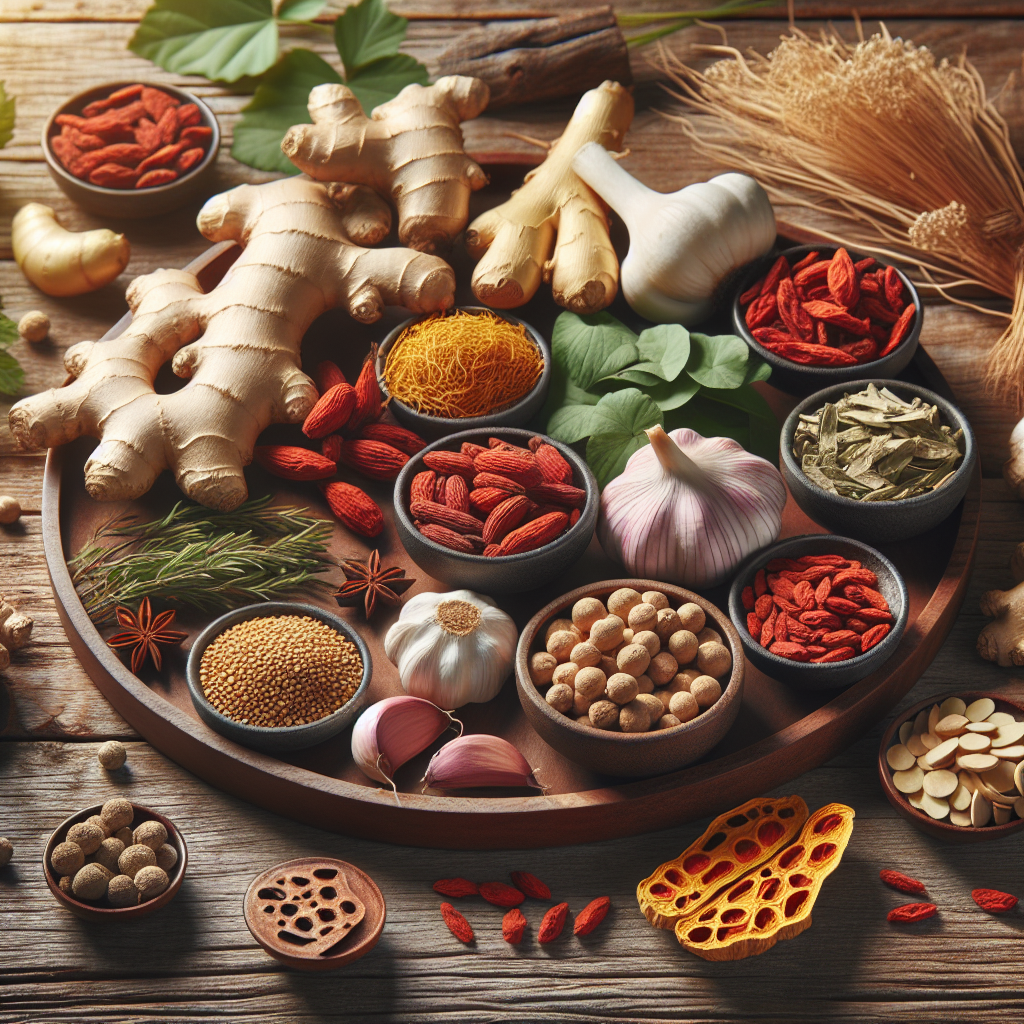 Always coordinate with your practitioner and healthcare provider — this is an example of how people think about building a home herb cabinet, not a prescription for you.
Many people start with:
- Gentle tonic herbs and teas that support everyday resilience
- Digestive and culinary herbs that show up in food as well as formulas
- Calming teas are traditionally used for occasional stress or restlessness
Over time, under professional guidance, that might expand into:
- Classic formulas (in teapill or powder form) matched to your pattern
- Seasonal formulas (for times of the year you know you struggle)
- A few “emergency” teas for things like occasional digestive discomfort or feeling run-down
The key is not grabbing every herb you see on social media. It’s curating a small group of high-quality herbs and formulas that make sense for you.
How to Talk With Your Doctor and Practitioner About Chinese Herbs
You’ll get the best outcomes when your “team” is talking:
- Tell your doctor what herbs/supplements you’re taking or considering.
Bring a list or take photos of product labels. This helps them watch for interactions or lab test changes. - Work with a qualified TCM/herbal practitioner.
They’re trained to match herbs to patterns, watch for red flags, and adjust formulas over time. Professional guidelines explicitly expect them to give written prep instructions and manage risk. - Be honest about everything you take.
Prescriptions, OTC meds, supplements, herbs. Safety reviews repeatedly note that hidden or incomplete information contributes to avoidable harm.
Your goal: integrate herbs into your overall care — not pit “herbs vs medicine” against each other.
Why Customers & Practitioners Choose 1st Chinese Herbs as a Trusted Source
1. We’re Specialists, Not a Random Add-On
We’re a long-standing, family-run herbal company that has focused on Chinese herbs, classic formulas, and education for decades — not a general “everything” retailer.
2. Lab-Minded, Sulfur-Aware Quality
We:
- Prioritize herbs that are lab-verified for identity and contaminants where applicable.
- Focus on sulfur-free herbs whenever possible and are transparent about how herbs are processed and sourced.
- Align our operations with modern quality and GMP expectations used in reputable herbal manufacturing.
3. Radical Transparency on What You’re Buying
Our product listings include:
- Common and Latin names
- Plant part and form (cut, powder, extract, teapill)
- Weight and preparation type
So you’re never left guessing what’s in the bag or bottle.
4. Education Is Part of the Product
We invest a lot of energy into:
- Long-form, DSHEA-compliant herb articles
- Guides on using bulk herbs and teapills
- Safety-focused blogs that explain risk as well as benefit
This aligns with what regulators and professional boards want to see: informed use of herbal products, not hype.
5. Real Humans, Reachable in Real Time
We publish clear contact details and respond to questions about:
- Herb forms and differences
- Website navigation and product categories
- Where to find more educational information you can share with your practitioner
We never encourage you to stop medications or skip medical care — and we’re happy when you loop your practitioners into the conversation.
Frequently Asked Questions
Are Chinese herbs safe?
Chinese herbs can be used safely when:
- Quality control is strong (lab testing, proper manufacturing, good sourcing).
- Herbs are matched to the person under trained guidance.
- You keep your medical team informed and don’t use herbs as a substitute for urgent care.
They are not automatically safe just because they’re natural.
Can I buy Chinese herbs online?
Yes — and most people do these days.
The key is to choose specialist companies with clear quality information, not anonymous sellers or sites that make unrealistic promises. Use the Smart Buyer Checklist above as your filter.
How long does it take to notice anything with Chinese herbs?
It depends on:
- The herb or formula
- The pattern and goal
- How consistently you use them
- Other lifestyle factors (sleep, food, stress, medications)
TCM is traditionally long-view and pattern-oriented. Your practitioner is the best person to talk about timelines for your specific situation.
Can Chinese herbs interact with my medications?
Yes. Reviews and safety updates specifically highlight herb–drug interactions as an important concern.
Always:
- Tell your doctor and pharmacist about herbs and supplements.
- Work with a practitioner trained in herbal medicine.
- Never stop medications based solely on advice from a non-medical source.
Are all Chinese herbs legal or allowed where I live?
Not necessarily.
Different countries classify and regulate herbs differently (some are over-the-counter, some restricted, some banned). That’s one more reason to buy from reputable suppliers who work within your country’s rules and stay up to date on regulatory changes.
How do I get started with Chinese herbs safely?
You can:
- Read solid educational content (like this guide).
- Choose a trusted, specialist supplier with transparent quality info.
- Start with gentle herbs or practitioner-guided formulas.
- Keep your medical team informed.
- Track how you feel and give feedback to your practitioner so they can adjust.
Next Steps & Helpful Links
Ready to explore more? Here are some pages many readers visit next:
- How to Use Bulk Herbs – Brewing, Powders, and Teapills Explained
- What No One Tells You About Chinese Herbs (7 Common Mistakes & How to Fix Them)
- Contact Us – Ask a Question About Herb Forms, Quality or Ordering
- Free eBook: 10 Vital Medicinal Herbs That Work
Important Disclaimer
This article is for educational purposes only. It is not intended to diagnose, treat, cure, or prevent any disease. It does not replace medical advice, diagnosis, or treatment from a licensed healthcare provider.
Always:
- Consult your doctor, pharmacist, and a qualified herbal or TCM practitioner before starting, stopping, or changing any herbal or supplement regimen — especially if you are pregnant, nursing, on prescription medications, or managing any health condition.
- Seek urgent medical care for severe or rapidly worsening symptoms.
Use herbs with respect, curiosity, and guidance — not as a shortcut around proper medical care.