
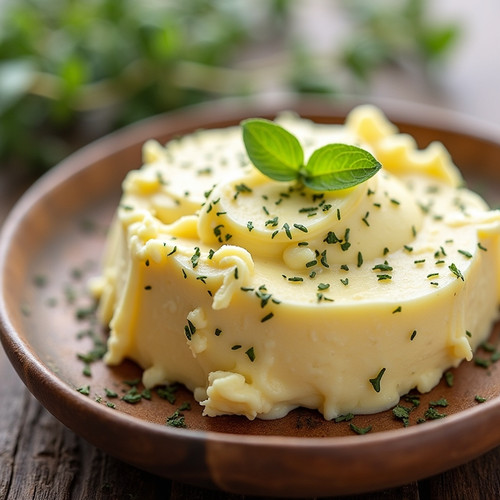
How to Make Herbal Butters Using Chinese Herbs:
Posted by 1st Chinese Herbal Review Team on Feb 13th 2026
How to Make Herbal Butters Using Chinese Herbs: A Delicious and Healthy Recipe
Are you looking to elevate your culinary creations? Discover how to craft flavorful herbal butters infused with the health benefits of traditional Chinese medicinal (TCM) herbs. These delicious spreads not only enhance the taste of your dishes but also integrate the wisdom of TCM into your kitchen routine.
 What is Herbal Butter?
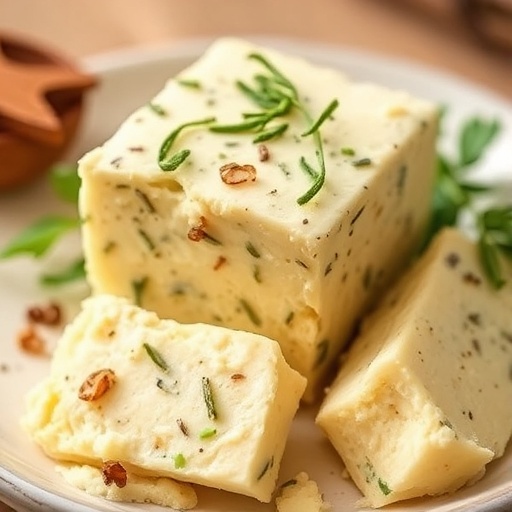
Herbal butter is a compound butter made by blending softened butter with herbs and spices. It's a versatile kitchen staple that can be used as a spread, a flavor enhancer in cooking, or a nutritional boost in various dishes. By using quality Chinese herbs, you can infuse your butter with unique flavors and health benefits.
Selecting the Right Chinese Herbs
When crafting your herbal butter, selecting the right herbs is crucial. Here are some popular Chinese herbs to consider:
Gou Teng (Uncaria rhynchophylla): Known for its calming properties and ability to relieve headaches, Gou Teng adds a mellow flavor.
Chen Pi (Citrus reticulata): Dried tangerine peel offers a citrusy zing and is excellent for digestion.
Jing Jie (Schizonepeta tenuifolia): This pungent herb is great for enhancing immunity while offering a refreshing taste.
Huang Qi (Astragalus membranaceus): Valued for its energy-boosting properties, Huang Qi adds a subtle sweetness.
Basic Recipe for Chinese Herbal Butter
Follow this straightforward recipe to create your own Chinese herbal butter that’s both flavorful and nutritious.
Ingredients
1 cup unsalted butter (softened)
1-2 tablespoons dried Chinese herbs (choose from Gou Teng, Chen Pi, Jing Jie, or Huang Qi)
1 tablespoon garlic powder (optional for added flavor)
Salt to taste
Instructions
1. Prep the Herbs: Crush the dried herbs lightly in a mortar and pestle to release their essential oils. This will enhance both the flavor and health benefits.
2. Blend the Butter: In a mixing bowl, combine the softened butter and crushed herbs. Use a fork or electric mixer to blend until smooth and evenly incorporated.
3. Add Flavor: Mix in garlic powder and salt according to your taste. Ensure everything is well combined.
4. Shape the Butter: Transfer the mixture to parchment paper, shape it into a log, and roll it tightly. Twist the ends of the paper to seal.
5. Chill: Refrigerate the butter for at least 1-2 hours until firm. This allows the flavors to meld beautifully.
6. Use and Enjoy: Slice the herb butter and use it to enhance dishes like grilled meats, roasted vegetables, or fresh bread.
Serving Suggestions
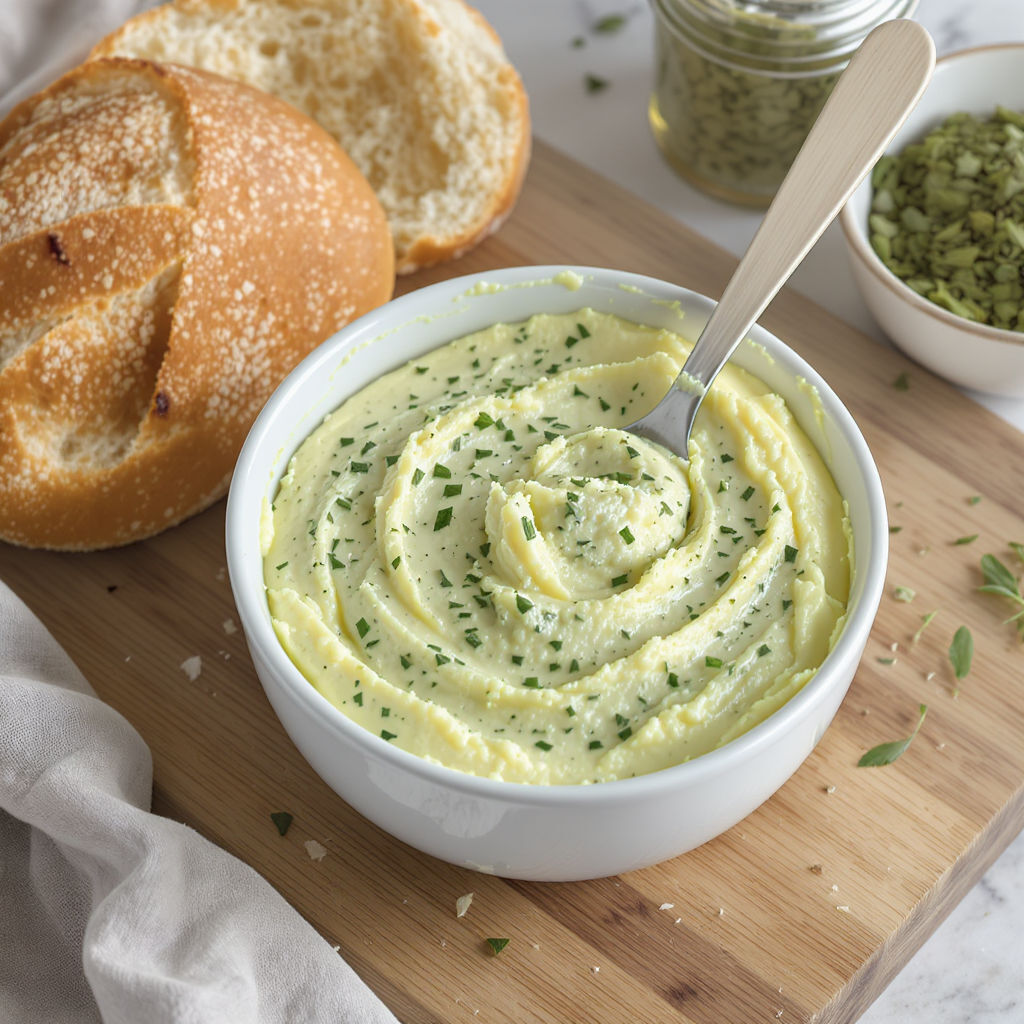 - Spread it on crusty bread or baguettes.
- Use it as a flavorful topping for steaks and grilled fish.
- Incorporate it into pasta recipes for an aromatic twist.
- Add dollops to vegetable sautés or soups for extra flavor.
Health Benefits of Chinese Herbs in Butter
Incorporating TCM herbs into your cooking provides valuable health benefits:
Gou Teng: Calms the liver, alleviates headaches, and promotes mental clarity.
Chen Pi: Aids digestion, reduces bloating, and offers a refreshing citrusy flavor.
Jing Jie: Strengthens the immune system, helping to ward off seasonal colds.
Huang Qi: Enhances energy levels and supports immune health.
Storage Tips
Refrigeration: Store the herbal butter in the refrigerator for up to two weeks.
Freezing: For prolonged storage, wrap it tightly in plastic wrap and freeze for up to six months. Thaw the butter in the refrigerator before use.
Conclusion
Creating herbal butters with Chinese herbs is a simple yet effective way to bring flavor and health benefits to your kitchen. By using high-quality herbs from 1st Chinese Herbs, you ensure that you are enjoying the safest, purest, and most effective ingredients.
For premium traditional Chinese herbs and artisanal quality, explore our extensive selection at 1stChineseHerbs.com. Embrace the harmony of flavor and health with each bite of your aromatic herbal butter.
FAQs
1. Can I use fresh herbs instead of dried?
Yes, but you’ll need to use more fresh herbs, as they have a higher water content. A good rule of thumb is to use three times the amount of fresh herbs compared to dried.
2. Are there vegan alternatives for herbal butter?
Absolutely! You can substitute unsalted butter with plant-based butters or coconut oil.
3. Can I customize the recipe?
Definitely! Feel free to experiment with different Chinese herbs and ratios to create your unique flavor profile.