

Yi Yi Ren (Coix Seed / Job’s Tears): Benefits, Uses, Cooking & Traditional TCM Guide
Feeling heavy, sluggish, puffy, or weighed down?
 In Traditional Chinese Medicine, that feeling is often described as dampness — and one of the most famous herbs traditionally used for dampness is Yi Yi Ren.
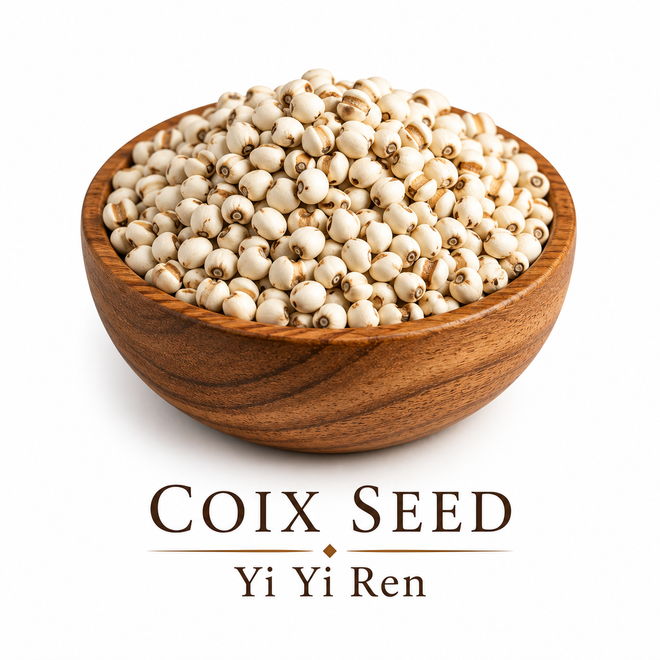
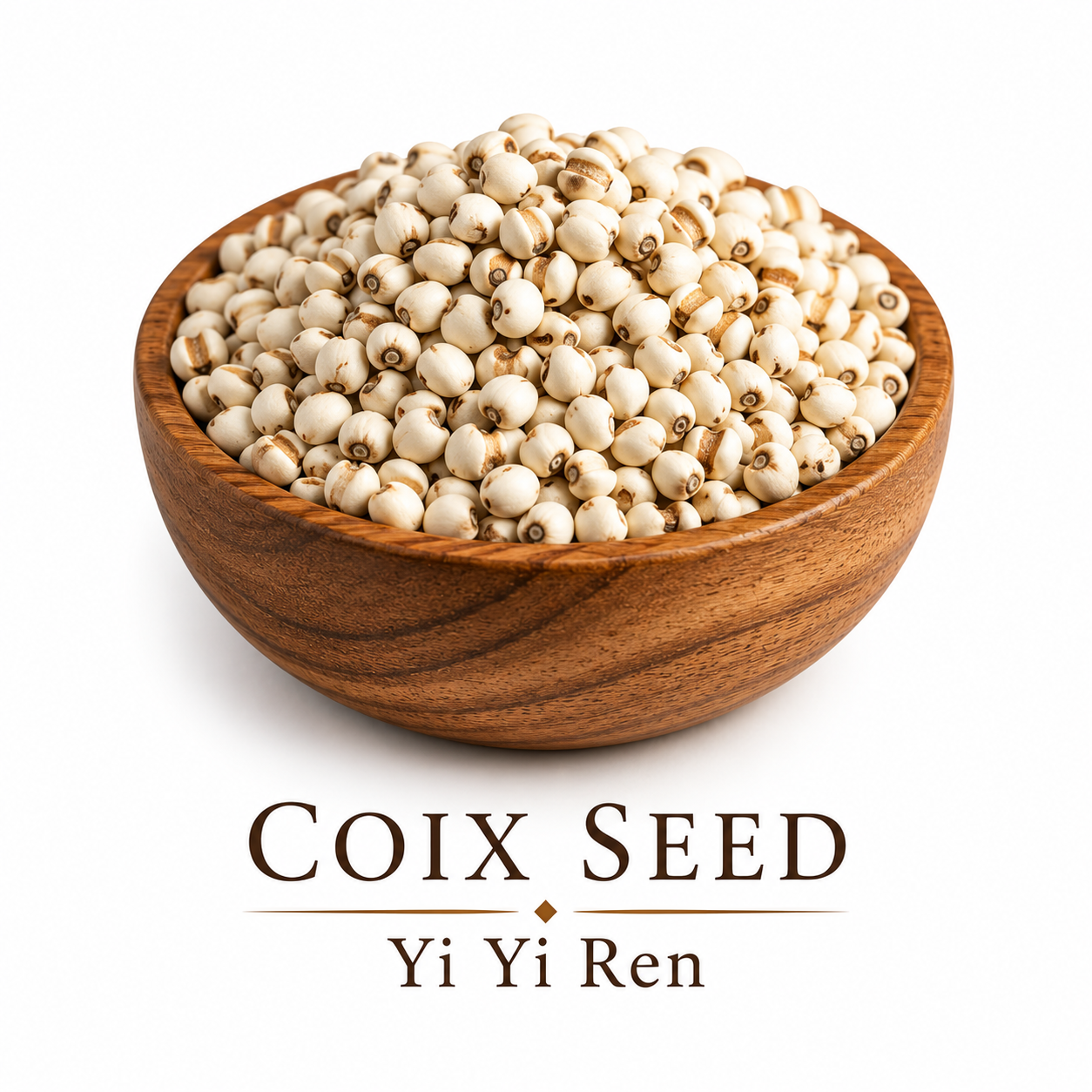
Yi Yi Ren, also known as Coix Seed, Job’s Tears, or Chinese Pearl Barley, is a mild, food-like herb used in Chinese herbal traditions to support healthy digestion, fluid balance, and overall wellness. It is commonly used in teas, soups, porridges, congee, and traditional herbal formulas.
Unlike many strong-tasting herbs, Yi Yi Ren is gentle, slightly sweet, bland, and easy to use in everyday cooking. That makes it one of the most practical herbs to keep in your herbal pantry.
At 1st Chinese Herbs, our Yi Yi Ren whole seeds are carefully sourced for quality, freshness, and traditional use.
Quick Product Summary
| Common Name | Coix Seed, Job’s Tears, Chinese Pearl Barley |
| Pin Yin Name | Yi Yi Ren |
| Botanical Name | Coix lacryma-jobi semen |
| Form | Whole seeds, some may be split |
| Package Size | 1 pound |
| Brand | NuHerbs Organics |
| Origin | China |
| Taste | Sweet, bland, mild |
| Nature | Cold |
| Channels | Spleen, Lung, Kidney, Small Intestine |
| Common Uses | Tea, soup, congee, porridge, decoctions, food-based wellness recipes |
What Is Yi Yi Ren?
Yi Yi Ren is the dried seed of the Coix plant, a grass-family plant traditionally used as both food and herb. It is often compared to barley because of its grain-like appearance and cooking style, but in Chinese Medicine it has its own unique role.
In TCM, Yi Yi Ren is best known for helping the body drain dampness, support the Spleen, clear heat, and promote fluid balance. It is commonly used when someone feels heavy, sluggish, swollen, or bogged down — the kind of feeling where your body says, “I am not moving today, thank you very much.”
Why Herbalists Love Yi Yi Ren
- Gentle and food-like
- Traditionally used for dampness
- Supports healthy digestion
- Easy to cook into soups and porridge
- Mild flavor that blends well with other herbs
- Useful in both food therapy and herbal formulas
- Popular for wellness routines focused on lightness and balance
Traditional TCM Benefits of Yi Yi Ren
1. Drains Dampness
Yi Yi Ren is one of the classic herbs used in TCM when dampness is part of the pattern. Dampness may be associated with heaviness, sluggish digestion, puffiness, or a feeling of being weighed down.
2. Supports Healthy Digestion
Yi Yi Ren is traditionally used to strengthen the Spleen and support digestive function. It is often used in food therapy when digestion feels slow, heavy, or weak.
3. Supports Fluid Balance
Because Yi Yi Ren is traditionally used to promote urination and drain dampness, it is commonly included in formulas and food recipes that support healthy water metabolism.
4. Clears Heat
Yi Yi Ren is considered cold in nature and is traditionally used when dampness and heat occur together.
5. Supports Skin Wellness
In traditional use, Yi Yi Ren is often connected with skin clarity because of its role in draining dampness and clearing heat.
6. Supports Joint Comfort
Yi Yi Ren has a long history of use in TCM patterns involving dampness that affects movement and comfort.
Raw Yi Yi Ren vs Stir-Fried Yi Yi Ren
This is an important detail many product pages skip.
| Type | Traditional Use | Best For |
|---|---|---|
| Raw Yi Yi Ren | Drains dampness and clears heat | Dampness, fluid balance, heat patterns |
| Stir-Fried Yi Yi Ren | More focused on strengthening digestion | Spleen support, weak digestion, loose stools |
Simple guide: Raw Yi Yi Ren is traditionally used more for dampness and heat. Stir-fried Yi Yi Ren is traditionally used more for digestion and Spleen support.
What Does Yi Yi Ren Taste Like?
Yi Yi Ren has a mild, slightly sweet, bland flavor. It is not bitter, spicy, or strong. When cooked, it becomes chewy and grain-like, making it easy to add to soups, congee, and tea blends.
Taste profile: mild, sweet, bland, grain-like, neutral, comforting.
How to Use Yi Yi Ren
- Soup: Add to traditional Chinese soups and broths.
- Congee: Cook with rice for a gentle food-therapy meal.
- Tea: Simmer with water or combine with other herbs.
- Decoction: Use as part of a traditional herbal formula.
- Porridge: Cook slowly until softened.
How to Cook Yi Yi Ren
Yi Yi Ren is a hard seed, so soaking helps it cook more evenly.
Simple Cooking Method
- Rinse Yi Yi Ren well.
- Soak for 2–4 hours, or overnight for best texture.
- Add 1 cup Yi Yi Ren to 4–5 cups water.
- Simmer 45–60 minutes until tender.
- Add to soups, congee, porridges, or herbal broths.
Tip: Yi Yi Ren is not fast food. It needs time. It is the slow-cooker personality of the herb world.
Yi Yi Ren Tea Recipe
- Use 1–2 tablespoons Yi Yi Ren.
- Rinse well.
- Add to 3 cups water.
- Simmer 30–45 minutes.
- Strain and drink warm.
Optional additions: Chen Pi, Fu Ling, ginger, jujube, lotus seed, or goji berries.
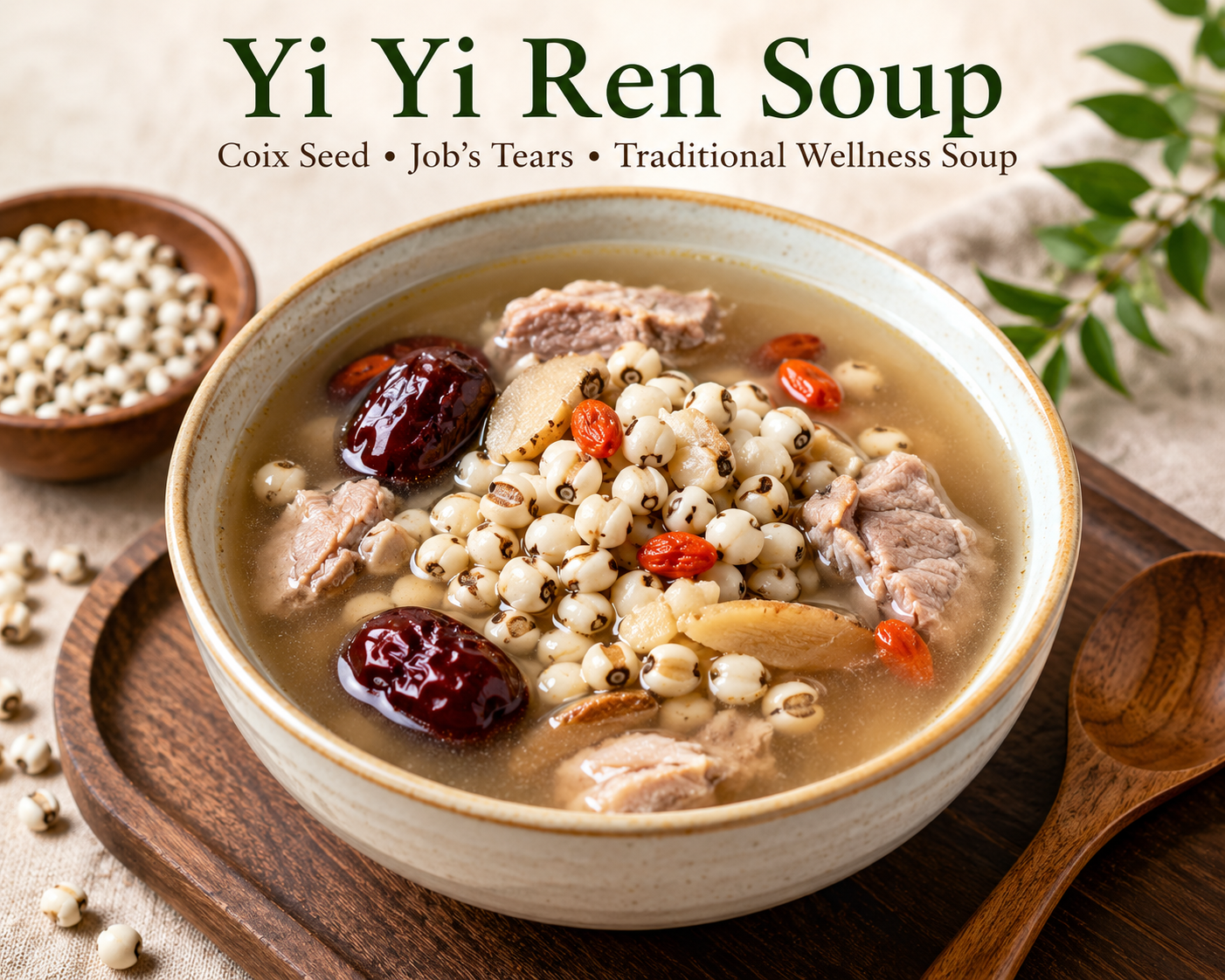
Cooking with Yi Yi Ren
Yi Yi Ren is especially useful because it works as both an herb and a food ingredient. This gives it strong evergreen value for customers who want practical herbs they can actually use.
- Yi Yi Ren congee
- Coix seed soup
- Job’s tears porridge
- Chicken herbal soup
- Vegetable broth
- Rice and Coix seed blend
- Food therapy recipes for dampness
Yi Yi Ren vs Other Similar Herbs & Foods
| Herb / Food | Best Known For | Why Choose Yi Yi Ren? |
|---|---|---|
| Yi Yi Ren | Dampness, fluid balance, digestion | Best food-like herb for dampness and lightness |
| Barley | General grain, fiber, soups | Yi Yi Ren has stronger traditional use for dampness |
| Fu Ling | Dampness, calm, Spleen support | Yi Yi Ren is more food-like and easier to cook with |
| Lotus Seed | Nourishment, Spleen support, calm | Yi Yi Ren is better when dampness is the main concern |
| Chen Pi | Qi movement, digestion, dampness | Yi Yi Ren drains dampness while Chen Pi moves Qi |
Best Herbs to Pair with Yi Yi Ren
| Pairing | Why It Works |
|---|---|
| Yi Yi Ren + Fu Ling | Classic dampness-support combination |
| Yi Yi Ren + Chen Pi | Supports dampness and Qi movement together |
| Yi Yi Ren + Bai Zhu | Traditional Spleen support pairing |
| Yi Yi Ren + Ginger | Adds warmth to balance Yi Yi Ren’s cold nature |
| Yi Yi Ren + Jujube | Makes a gentle nourishing soup or tea |
| Yi Yi Ren + Lotus Seed | Excellent for food-therapy style soups and congee |
Who Uses Yi Yi Ren?
- Traditional Chinese Medicine practitioners
- Herbalists
- People making food-therapy soups
- Tea and decoction users
- Wellness customers focused on digestion and balance
- Home cooks who enjoy traditional Asian ingredients
Why Buy Yi Yi Ren from 1st Chinese Herbs?
- Trusted since 1994
- Premium bulk Chinese herbs
- NuHerbs Organics brand
- Nothing added to this product
- Dual-lab tested by supplier when applicable
- Tested for microbials, pesticides, and heavy metals
- Ideal for tea, soup, congee, and traditional formulas
- Certificate of Analysis available upon request
Get Real Herbs. Feel the Difference.
Frequently Asked Questions About Yi Yi Ren
What is Yi Yi Ren?
Yi Yi Ren is the Pin Yin name for Coix seed, also known as Job’s Tears or Chinese Pearl Barley. It is used as both food and herb in Traditional Chinese Medicine.
What is Yi Yi Ren used for?
Yi Yi Ren is traditionally used to drain dampness, support digestion, clear heat, and promote healthy fluid balance.
Is Yi Yi Ren the same as barley?
No. Yi Yi Ren is often called Chinese pearl barley, but it comes from the Coix plant and has different traditional uses than common barley.
What does Yi Yi Ren taste like?
Yi Yi Ren tastes mild, slightly sweet, bland, and grain-like. It works well in soups, porridge, tea, and congee.
Do I need to soak Yi Yi Ren before cooking?
Soaking is recommended because the seeds are firm. Soaking for several hours or overnight helps them cook more evenly.
Can Yi Yi Ren be used in soup?
Yes. Yi Yi Ren is commonly used in soups, broths, congee, and food-therapy recipes.
What is the difference between raw Yi Yi Ren and stir-fried Yi Yi Ren?
Raw Yi Yi Ren is traditionally used more for dampness and heat. Stir-fried Yi Yi Ren is traditionally used more for Spleen and digestive support.
Is Yi Yi Ren warming or cooling?
Yi Yi Ren is considered cold in Traditional Chinese Medicine.
Who should avoid Yi Yi Ren?
People who are pregnant, nursing, taking medications, managing a medical condition, or allergic to grains or seeds should consult a qualified healthcare provider before use.
Can children use Yi Yi Ren?
Yi Yi Ren should not be given to children without guidance from a qualified healthcare provider.
PubMed Research
Research on Coix seed has explored its nutritional compounds, traditional uses, polysaccharides, inflammatory pathways, immune-related activity, and food-based applications. PubMed research helps explain the plant chemistry, but traditional use and modern research are not the same as disease treatment claims.
Cautions & Safety
Do not use if pregnant or nursing unless directed by a qualified healthcare provider.
People with allergies to grains or seeds should use caution. Discontinue use if you experience itching, rash, stomach discomfort, bloating, breathing difficulty, or any unusual reaction.
If you take medications, have kidney disease, liver disease, diabetes, or another medical condition, speak with your healthcare provider before using Yi Yi Ren.
Keep out of reach of children.
Important Disclaimer
These statements have not been evaluated by the Food and Drug Administration. This product is not intended to diagnose, treat, cure, or prevent any disease. Chinese herbs should be used as a complementary wellness practice and not as a replacement for medical care.
Yi Yi Ren Summary
Yi Yi Ren, also known as Coix Seed or Job’s Tears, is a mild, food-like Chinese herb traditionally used to drain dampness, support digestion, promote fluid balance, and create nourishing soups, teas, and congee. Its gentle taste and versatile use make it one of the most practical herbs for any herbal pantry.
Order Yi Yi Ren today and add this classic dampness-support herb to your tea, soup, and wellness routine.