
Spices

Spices: Where Flavor Meets Function in Chinese Herbalism

Spices: Flavor With a Healing Twist

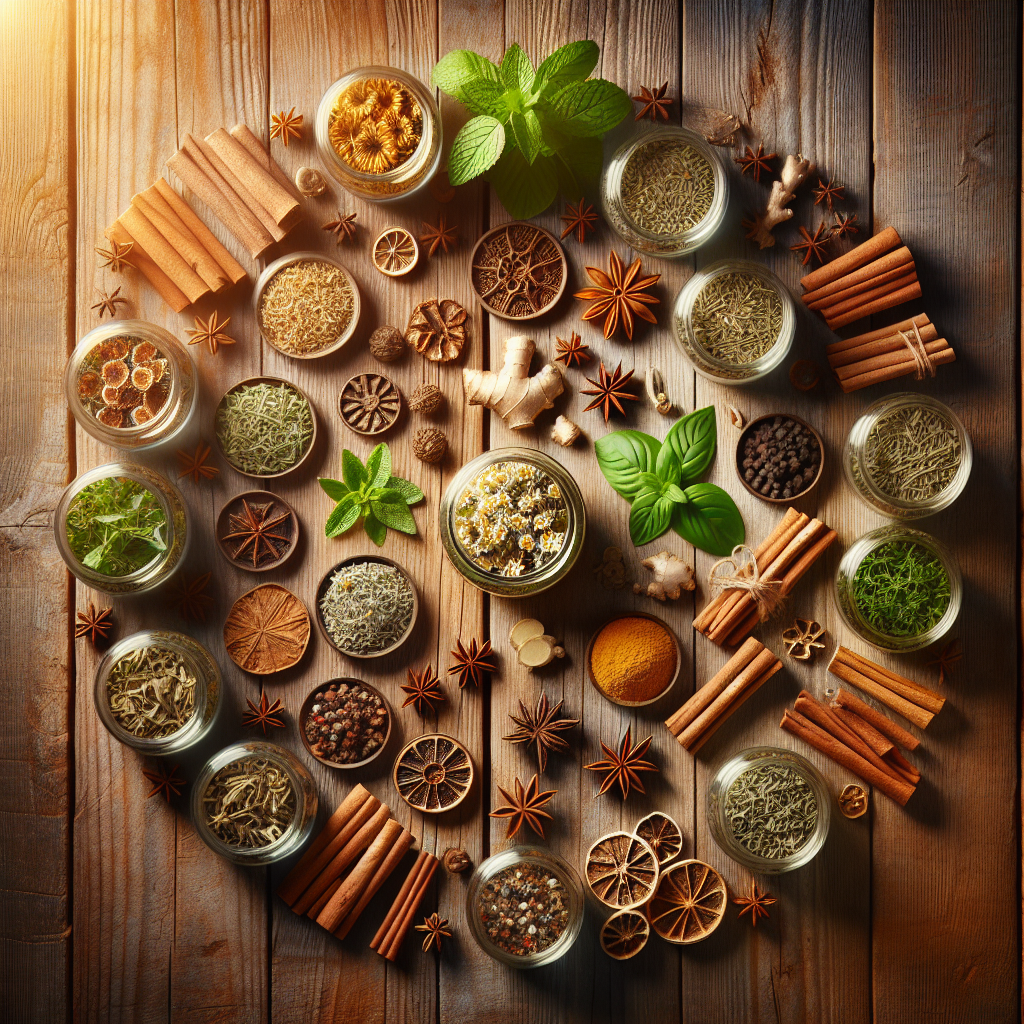
Spices are far more than kitchen staples. In Traditional Chinese Medicine (TCM), spices like cinnamon, star anise, cloves, and ginger are valued not just for their flavor but for their ability to balance Qi, warm or cool the system, and harmonize digestion.

This guide explains what spices are, why they work, how to use them safely, and which ones are worth adding to your daily life—for both taste and wellness.


What Is a Spice? 

A spice is a dried seed, root, fruit, bark, or flower used to flavor food, improve digestion, and support health.

  • Difference from herbs: Herbs are typically leaves or stems, while spices are stronger, more aromatic, and often warming.

  • In TCM: Spices are used to shift internal balance, moving Qi, warming Yang, or dispelling Cold.

  • See our full spice catalog →Below 


The Top Chinese Spices 

Spice Flavor Profile TCM Function Everyday Use
Cinnamon (Rou Gui) Sweet, warm Warms Yang, moves blood Soups, teas, baking
Star Anise (Ba Jiao) Sweet, licorice-like Warms interior, aids digestion Broths, chai tea
Clove (Ding Xiang) Aromatic, pungent Warms Stomach, relieves discomfort Curries, spice blends
Ginger (Sheng Jiang / Gan Jiang) Pungent, warm Harmonizes digestion, disperses cold Teas, stir-fries, soups

Why Spices Work: Science + TCM Perspective

  • TCM View: Spices regulate Qi, dispel Cold, move Blood, and harmonize digestion.

  • Science View: Modern research shows that cinnamon supports blood sugar regulation, ginger aids digestion, and cloves and star anise contain natural antimicrobial compounds.
    References: PubMed IDs 21125030, 23717148, 19428642


How to Use Spices Every Day

Brew as Tea: Simmer warming spices for 10–20 minutes.

Cook With Them: Add to soups, stews, or rice for both flavor and function.

Combine With Herbs: Pair cinnamon with astragalus for energy, or ginger with peppermint for digestion.

When to Use Caution

Cinnamon in excess may dry Yin and fluids.

Cloves can irritate sensitive stomachs in large doses.

Pregnant or nursing individuals should consult a practitioner before regular use.

⚠️ Always follow dosage guidance and consult your healthcare provider for safe use with medications.


History & Culture of Spices in TCM

Spices were central to ancient Chinese trade routes and kitchens. Records from the Han Dynasty describe cinnamon and ginger not only as culinary treasures but as remedies for Cold-related disorders. Over centuries, these spices shaped both medicine and cuisine, bridging flavor with healing wisdom.


Common Questions 

Q: What’s the difference between herbs and spices?
A: Herbs are usually leaves and stems, while spices are seeds, roots, barks, and flowers. Spices tend to be stronger in flavor and warming in effect.

Q: Can spices really improve health?
A: Yes. Both TCM and modern studies support their digestive, warming, and antimicrobial effects when used correctly.

Q: How do I know how much spice to use?
A: In cooking, follow taste. For teas, 3–9g is common. Always start small and adjust.

Author: Sarah Aries, Holistic Herbalist
Last Updated: September 18, 2025

  • Ceylon cinnamon, also known as "true" cinnamon, is the authentic variety of cinnamon that was favored by ancient Egyptians and has been a staple in culinary practices for centuries. The unique compounds found in Ceylon cinnamon, such as cinnamaldehyde, offer potent anti-inflammatory effects. Regular consumption of Ceylon cinnamon may help alleviate inflammation in the body, reducing the risk of chronic diseases like arthritis and inflammatory bowel disease.
    + Add to Cart The item has been added

    Z Natural Products

    Ceylon Cinnamon Organic Powder 1 lb. by Z Natural Foods

    Herbal Information on Ceylon Cinnamon in Powder Form Common Name: Cinnamon CeylonBotanical Name:  Cinnamomum verumOther Names: Cinnamomum zeylanicum, C. verum, true cinnamon, true cinnamon tree, or Ceylon cinnamon treeOther Ingredients: No…

    $25.50
    + Add to Cart The item has been added
  • Organic Turmeric root powder,  The active ingredient in Turmeric is curcumin. Turmeric Organic Powder (Curcuma longa) 
 It is often used as part of food seasonings for spicy curries and pungent mustards. Like other strong organic spices, turmeric is typically used in a ground form for culinary purposes.
    + Add to Cart The item has been added

    Z Natural Products

    Turmeric Certified Organic Powder by Z Natural Foods

    Herbal Information for Organic Turmeric Powder What Is The Historical Use Of Turmeric Root?Turmeric root has been used for over 4,000 years in various cultures for its medicinal, culinary, and dyeing properties. In ancient Ayurvedic medicine, it was.…

    $26.00
    + Add to Cart The item has been added
  • Jiang Huang Fen
Turmeric Rhizome Powder Jiang Huang fen Powder Lab Tested
    + Add to Cart The item has been added

    NuHerbs Lab Tested

    Jiang Huang fen Powder Lab Tested

    Herbal Information for Turmeric Rhizome   History and Folklore of Jiang Huang - Turmeric Rhizome Jiang Huang, also known as turmeric rhizome (Curcuma longa), holds significant cultural and historical value beyond its culinary and medicinal …

    $26.99
    + Add to Cart The item has been added

Recommended For You View all