
5 Chinese Herbs for Daily Cooking and Wellness
Apr 20th 2026
5 Chinese Herbs for Daily Cooking and Wellness
Some of the most useful herbs in Traditional Chinese Medicine are already sitting in your kitchen. Garlic, ginger, turmeric, mint, and honey are more than pantry staples. When used with intention, they can become part of a steady, food-based wellness routine that supports digestion, balance, and everyday vitality.
Why “Herbs as Food” Still Matters Today
In Traditional Chinese Medicine, the line between food and herbal support has never been very wide. For centuries, everyday ingredients were used not only for flavor, but also for their warming, cooling, moistening, or moving qualities. In other words, the kitchen was often the first place people turned when they wanted to support how they felt.
That idea still makes sense today. Most people do not need a complicated routine to begin using herbs more intentionally. They need clear guidance, better sourcing, and a practical way to use what they already know. That is where culinary herbs become especially helpful. They fit into normal meals, they are familiar, and they allow people to build consistency without overwhelm.
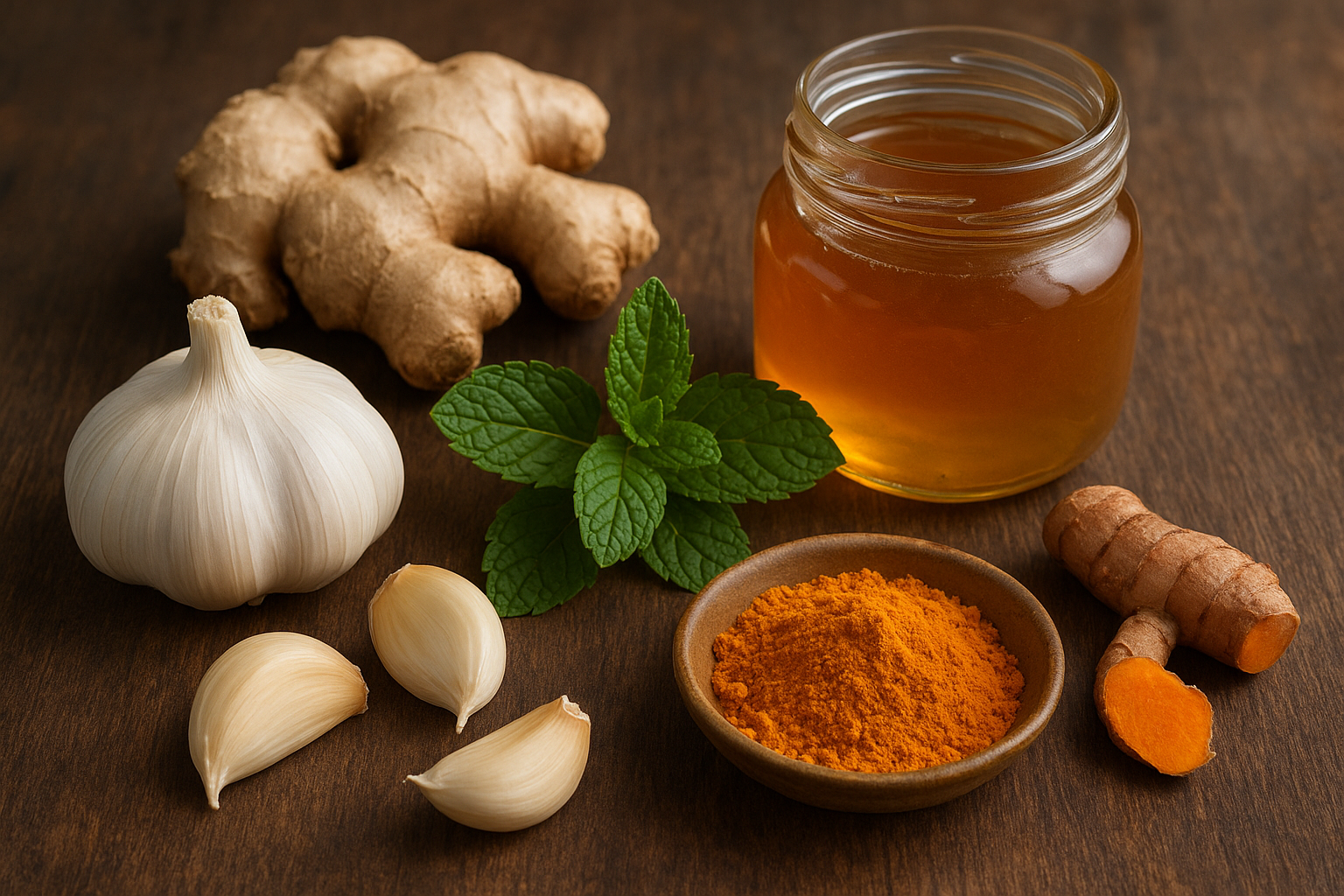
This article focuses on five well-known ingredients that are often used in both culinary and traditional wellness settings: garlic, ginger, turmeric, mint, and honey. These are not obscure ingredients. They are approachable, useful, and easy to begin with when you want to bring more purpose into your cooking.
Why Quality Matters More Than Most People Realize
One of the biggest reasons people get inconsistent results from herbs is not that the herb is “wrong.” It is that the quality is inconsistent. When you are using herbs for wellness, sourcing matters. Processing matters. Freshness matters. Clear labeling matters.
That is especially important when buying herbs meant for regular use in teas, broths, powders, or recipes. A good product should tell you what you are buying. Ideally, that means the common name, the pinyin name when relevant, and the botanical name when available. It also helps to choose suppliers that emphasize testing, handling standards, and transparency.
At 1st Chinese Herbs, quality is part of the conversation because herbs should be something you can use with confidence, not guesswork. If you are going to make herbs part of daily life, starting with clean, properly identified material is one of the smartest decisions you can make.
5 Chinese Herbs for Daily Cooking and Wellness
1. Garlic (Da Suan)
Garlic is one of the clearest examples of how a common kitchen ingredient can also be viewed through a traditional herbal lens. In Chinese herbal use, Da Suan is known for its strong, pungent, warming nature. In everyday life, it is valued for adding depth to food. In a more functional sense, it is often discussed for its role in digestive support and its long history of use in traditional wellness practices.
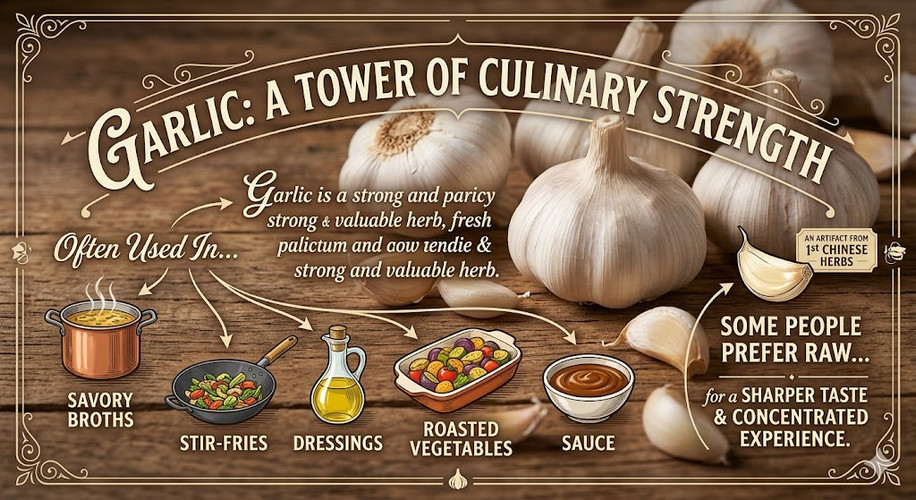
Garlic is a strong herb, and that strength is exactly why people continue to value it. It is often used in savory cooking, broths, stir-fries, dressings, roasted vegetables, and sauces. Some people also prefer small amounts of raw garlic in food when they want a sharper taste and a more concentrated culinary experience.
For beginners, garlic is a very easy herb to work with because it already fits naturally into meals. If you are just starting, use fresh garlic in simple ways: sautéed in olive oil, added to soups, mashed into dressings, or roasted until sweet and mellow.
Best for: people who want a familiar, warming herb for daily cooking, especially in savory meals.
2. Ginger (Sheng Jiang / Gan Jiang)
Ginger is one of the most widely used herbs in both food and traditional herbal practice. What makes it especially interesting in Chinese herbal medicine is that fresh ginger and dried ginger are treated differently. Fresh ginger, or Sheng Jiang, is lighter and more dispersing. Dried ginger, or Gan Jiang, is hotter and more deeply warming.
That distinction matters because it gives you options. Fresh ginger is often used in tea, soups, broths, poultry dishes, and light cooking when you want a bright warming quality. Dried ginger is more concentrated and is often chosen for warming blends, spice combinations, powders, and recipes where a deeper heat is preferred.
Ginger is one of the easiest herbs to begin using intentionally. A few slices of fresh ginger in hot water can become a simple tea. Fresh ginger can be grated into soups, dressings, and stir-fries. Dried ginger powder can be used in baking, warming drinks, or blended with other herbs.
Best for: people who want a practical, flexible herb that works well in tea, meals, and daily routines.
3. Turmeric (Jiang Huang)
Turmeric is widely recognized for its deep golden color and its long-standing use in both traditional and modern wellness conversations. In Chinese herbal language, Jiang Huang is associated with movement, especially when people talk about circulation and stagnation. In modern discussions, it is frequently mentioned because of curcumin, one of its best-known compounds.
Turmeric works especially well in cooking because it is easy to add to soups, grains, vegetable dishes, broths, stews, and golden milk-style drinks. It can also be used in dry seasoning blends or mixed into rice and lentil dishes.
One of the most commonly missed details with turmeric is that people use it casually without thinking about how they are preparing it. When used in food, it is often paired with black pepper and fat, which many people prefer for culinary and practical reasons. Even from a kitchen perspective, turmeric tends to work better as part of a complete preparation rather than as a stand-alone addition.
Best for: people who want a versatile herb that fits easily into daily cooking and warming recipes.
4. Mint (Bo He)
Mint brings balance to this list because it offers a lighter, more cooling direction. In Chinese herbal thinking, Bo He is often associated with dispersing and clearing. In everyday terms, it is refreshing, aromatic, and useful when you want something that feels lighter rather than heavier or more warming.
Mint works well in teas, fruit dishes, salads, lighter poultry meals, yogurt-style sauces, and simple infusions. It also pairs beautifully with honey, citrus, and cooling summer foods. When used thoughtfully, mint can help round out a routine that would otherwise lean too heavily toward hot, pungent ingredients.
This matters because balance is often what people miss when they first start learning about herbs. They focus on one quality, like warmth or strength, and forget that the overall pattern of the meal matters too. Mint is one of the simplest ways to add that balancing quality.
Best for: people who want a refreshing herb for teas, lighter meals, and seasonal balance.
5. Honey (Feng Mi)
Honey is not always the first thing people think of when they hear the phrase “Chinese herbs,” but in traditional herbal practice, Feng Mi plays a meaningful role. It is often valued for its sweet, harmonizing nature and is commonly used to soften, moisten, and make preparations more pleasant to use.
In practical terms, honey is one of the easiest ingredients to keep in a daily routine. It can be added to tea, drizzled over warm grains, used in simple syrups, blended with ginger, or stirred into soothing drinks. It also pairs well with mint and lemon when a recipe needs both sweetness and softness.
Honey is especially useful for people who want to make stronger or sharper herbs more approachable. That is one reason it has remained such a valued ingredient over time. It does not only add sweetness. It changes the whole feel of a preparation.
Best for: people who want a gentle, versatile ingredient that helps round out teas, tonics, and warming recipes.
Quick Comparison Chart
| Herb | Traditional Nature | Best Everyday Use | Good Fit For |
|---|---|---|---|
| Garlic (Da Suan) | Warm, pungent | Savory meals, dressings, soups | Daily cooking, bold flavor, warming meals |
| Ginger (Sheng Jiang / Gan Jiang) | Warm | Tea, broths, stir-fries, powders | Beginners, tea drinkers, warming recipes |
| Turmeric (Jiang Huang) | Warm, pungent, bitter | Soups, grains, spice blends, drinks | People who like earthy, golden warming foods |
| Mint (Bo He) | Cool, aromatic | Tea, salads, light meals, infusions | Cooling balance, refreshing recipes |
| Honey (Feng Mi) | Sweet, neutral | Tea, tonics, soothing blends | Softening stronger flavors, daily drinks |
How to Start Using These Herbs Without Overcomplicating It
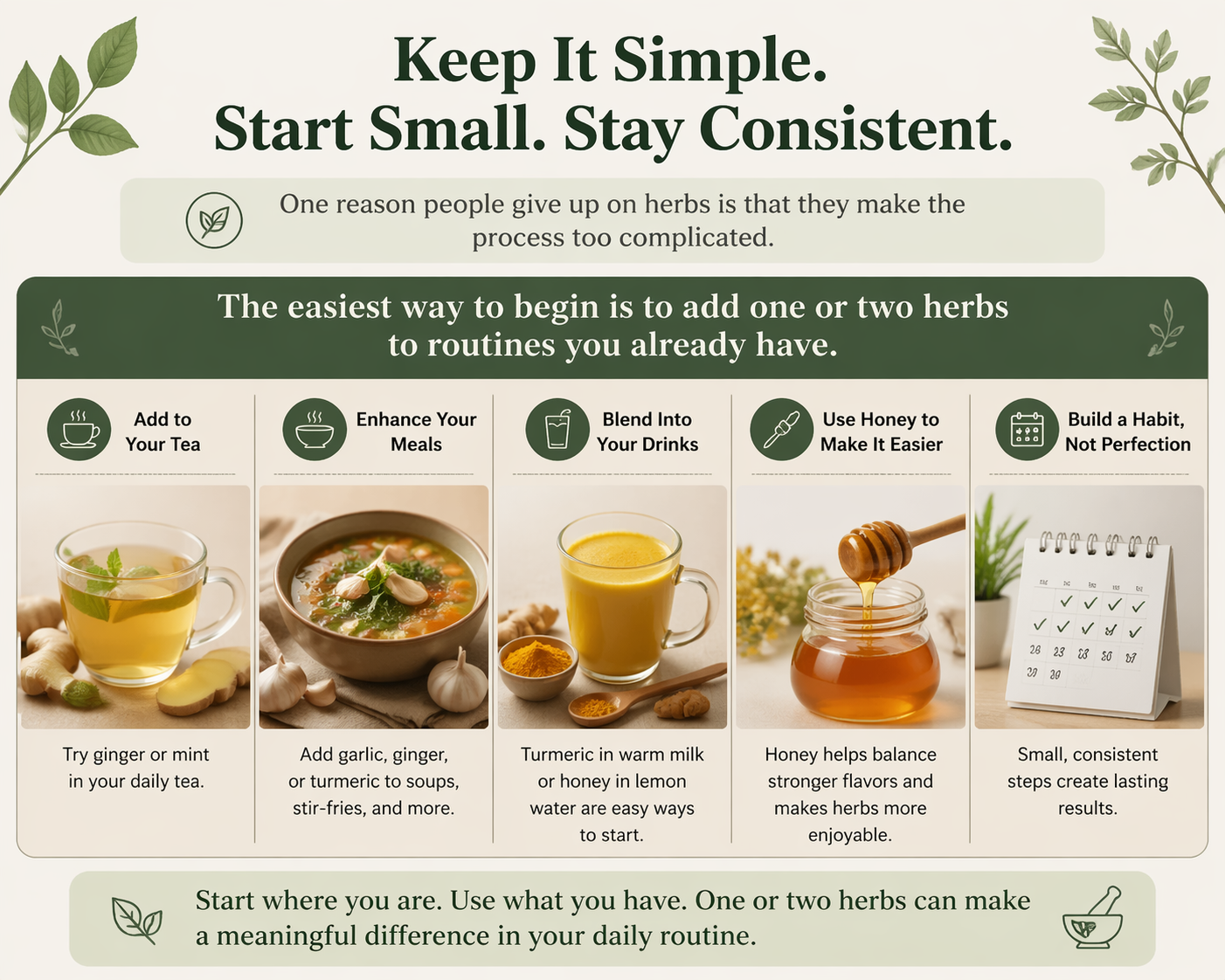
One reason people give up on herbs is that they make the process too complicated. The easiest way to begin is to add one or two herbs to routines you already have.
- Use fresh ginger in tea or broth a few times a week.
- Add garlic to soups, vegetables, or simple sauces.
- Use turmeric in rice, stews, or warm drinks.
- Keep mint on hand for tea or lighter meals.
- Use honey to make herbal teas more pleasant and easier to enjoy consistently.
The point is not to do everything at once. The point is to build familiarity. Once you understand how these herbs taste, feel, and fit into your schedule, it becomes much easier to choose other herbs with confidence.
What Buyers Often Miss When Shopping for Culinary Herbs
Many online articles talk about benefits, but they skip over the practical side of buying herbs well. That is where people often make expensive mistakes. Here are a few things to pay attention to:
- Look for clear herb identification, including pinyin and botanical name when possible.
- Read the product form carefully. A powder, cut herb, and extract do not behave the same way in recipes.
- Choose a form that matches your real-life routine. Convenience matters.
- Check whether the product is intended for culinary use, wellness use, or both.
- Review storage guidance before ordering large quantities.
- Buy from suppliers that emphasize quality standards and clear sourcing.
This is where confident buying starts. Not with hype, but with understanding what you are actually purchasing and how you plan to use it.
Why This Approach Works for Beginners
The best herbal routine is usually not the most advanced one. It is the one you can keep doing. That is why starting with culinary herbs makes so much sense. These ingredients are already familiar, already useful, and already easy to work into daily life.
When people begin with approachable herbs and learn how each one fits into food, they build confidence. That confidence leads to better buying choices, more consistent use, and a deeper understanding of how Chinese herbs can support everyday life.
Frequently Asked Questions
What is the difference between fresh ginger and dried ginger?
Fresh ginger is usually lighter and more aromatic in recipes, while dried ginger is stronger, hotter, and more concentrated. Which one you choose depends on the type of recipe and the quality of warmth you want.
Can I use these herbs every day?
Many people use garlic, ginger, turmeric, mint, and honey regularly in food and drinks. The better question is how they fit your own routine, taste preferences, and overall needs. Starting with moderate, food-based use is usually the easiest approach.
Which herb is the easiest for beginners to start with?
Ginger is often one of the easiest starting points because it works well in tea, soups, and meals. Garlic is also a natural choice for people who cook often. Mint and honey are excellent if you prefer lighter, more soothing preparations.
Should I buy powders, cut herbs, or extracts?
That depends on how you plan to use them. Powders are convenient for drinks and blends. Cut herbs are often preferred for teas and traditional preparation styles. Extracts are more concentrated and usually call for more careful label reading.
What should I look for when buying Chinese herbs online?
Look for clear labeling, herb identity, preparation guidance, product form, and supplier transparency. A good herb listing should help you understand what you are buying, not leave you guessing.
Bring More Purpose Into Everyday Cooking
You do not need a complicated herbal protocol to begin. Start with a few trusted herbs, learn how they fit into your meals, and choose products with quality and clarity in mind. Small changes in the kitchen can become meaningful habits over time.
Explore clean, well-identified herbs and begin building a daily routine that feels practical, balanced, and easy to maintain.