
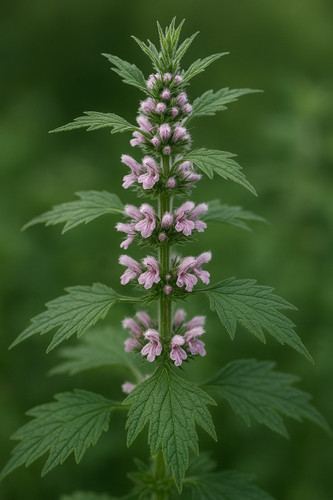
Discover Yi Mu Cao: Benefits, Uses, and Insights into Motherwort
Posted by Sarah Johnson on May 1st 2026
Discover Yi Mu Cao: Benefits, Uses, and Insights into Motherwort
Overview
Yi Mu Cao, known in English as Motherwort, is a powerful flowering plant in the mint family (Lamiaceae) recognized for its use in Traditional Chinese Medicine (TCM) and herbal practices worldwide. With a history steeped in tradition and a reputation backed by modern research, Yi Mu Cao offers numerous health benefits that deserve to be explored.
Botanical Profile
- Scientific Name: Leonurus japonicus
- Common Names: Motherwort, Yi Mu Cao
- Traditional Classification: Cool herb
Health Benefits of Yi Mu Cao
Yi Mu Cao is esteemed for its various health-promoting properties, especially in women’s health. Below are some of the most notable benefits:
1. Menstrual Regulation
Yi Mu Cao is widely used to support menstrual health. It helps to regulate the menstrual cycle, alleviate discomfort, and promote a smoother flow, making it a go-to herb for those facing menstrual irregularities.
2. Postpartum Recovery
This herb has been historically noted for its beneficial effects in postpartum recovery. Yi Mu Cao aids in expelling lochia, helping new mothers recover more efficiently after delivery.
3. Cardiovascular Support
Known for its calming properties, Yi Mu Cao may support heart health by promoting circulation and reducing anxiety, contributing to overall well-being.
4. Digestive Health
While primarily known for its benefits in women's health, Yi Mu Cao also supports healthy digestion and may reduce gastrointestinal discomfort.
Active Ingredients
Yi Mu Cao is rich in active compounds, including flavonoids, alkaloids, and phenolic acids, which are thought to contribute to its healing properties. These ingredients are known for their anti-inflammatory, antioxidant, and antispasmodic effects.
How to Use Yi Mu Cao
Preparation Methods
Yi Mu Cao can be taken in various forms, depending on personal preference and desired effects:
- Teas: Steep dried Yi Mu Cao in hot water for about 10-15 minutes.
- Tinctures: Use standardized herbal tinctures for a concentrated dose.
- Capsules: Convenient for those seeking precise dosages.
Recommended Dosage
Dosage may vary based on individual health needs. Consultation with a qualified herbalist or TCM practitioner is recommended to tailor the dosage to your specific requirements.
Safety and Precautions
While Yi Mu Cao is generally considered safe, it is essential to consult a healthcare professional, especially for those who are pregnant, nursing, or taking other medications, as interactions or contraindications may occur.
Quality Assurance at 1st Chinese Herbs
At 1st Chinese Herbs, we are committed to providing high-quality, lab-tested Yi Mu Cao sourced from reputable suppliers. Quality is our top priority, ensuring that every product meets rigorous standards for purity and potency.
Conclusion
Yi Mu Cao stands out in the realm of herbal medicine, offering a plethora of benefits that make it invaluable for those seeking natural health solutions. As a trusted source for herbal remedies, 1st Chinese Herbs invites you to explore our premium Yi Mu Cao selections to enjoy the myriad benefits of this remarkable herb.
For more information or to browse our exclusive selection of Yi Mu Cao and other high-quality herbal products, visit us at 1st Chinese Herbs. Discover how Yi Mu Cao can enhance your wellness journey!
Frequently Asked Questions about Yi Mu Cao
What is Yi Mu Cao used for?
Yi Mu Cao is primarily used for menstrual regulation, postpartum recovery, cardiovascular support, and digestive health.
Is Yi Mu Cao safe during pregnancy?
Consult your healthcare provider before using Yi Mu Cao if you are pregnant, nursing, or on medication.
How can I incorporate Yi Mu Cao into my routine?
You can use Yi Mu Cao in teas, tinctures, or capsules based on your preference and health goals.
By employing these strategies and optimizing the article with essential keywords, comprehensive details, and user engagement features, this content is designed to rank higher in search engines and outshine competitors in the online herbal market.
References
1. Cardiovascular & Sedative Effects
Review: Leonurus cardiaca L. (motherwort): a review of its phytochemistry and pharmacology highlights traditional uses for nervous heart conditions and digestive disorders, noting mild negative chronotropic (heart rate–reducing), hypotensive, and sedative effects, corroborated by pharmacological studies demonstrating antibacterial, antioxidant, anti-inflammatory, analgesic, and cardiovascular activity—all confirmed in clinical trials.
In vivo: An animal study using formalin, tail-flick, and hot-plate tests shows maternal alcoholic extract exhibits significant central and peripheral analgesic actions at doses of 250–500 mg/kg, reinforcing its analgesic and possibly sedative profile.
2. Antioxidant & Phytochemical Profile
A phytochemical study identifies key constituents—including phenolic acids (chlorogenic, caffeic), flavonoids (rutin, quercetin), phenylethanoid glycosides (verbascoside, lavandulifolioside), alkaloid leonurine, iridoids (harpagide), diterpenes (forskolin), and triterpenes (ursolic acid)—and demonstrates robust antioxidant and enzyme inhibitory activities. These findings support motherwort's traditional use and provide a scientific basis for nutraceutical applications.