Mulberry Leaf: Benefits, How to Use It Daily

Mulberry Leaf: Benefits, How to Use It Daily

Mulberry Leaf Quick Facts

Common Name: Mulberry Leaf

Botanical Name: Morus alba

Traditional Use: Daily herbal tea and wellness routines

Common Forms: Tea cut, powder, extract

Taste: Mild, slightly grassy

How to Use: Steep as tea or mix powder into drinks

Best For: Daily wellness, simple herbal routines

Ease of Use: Beginner-friendly

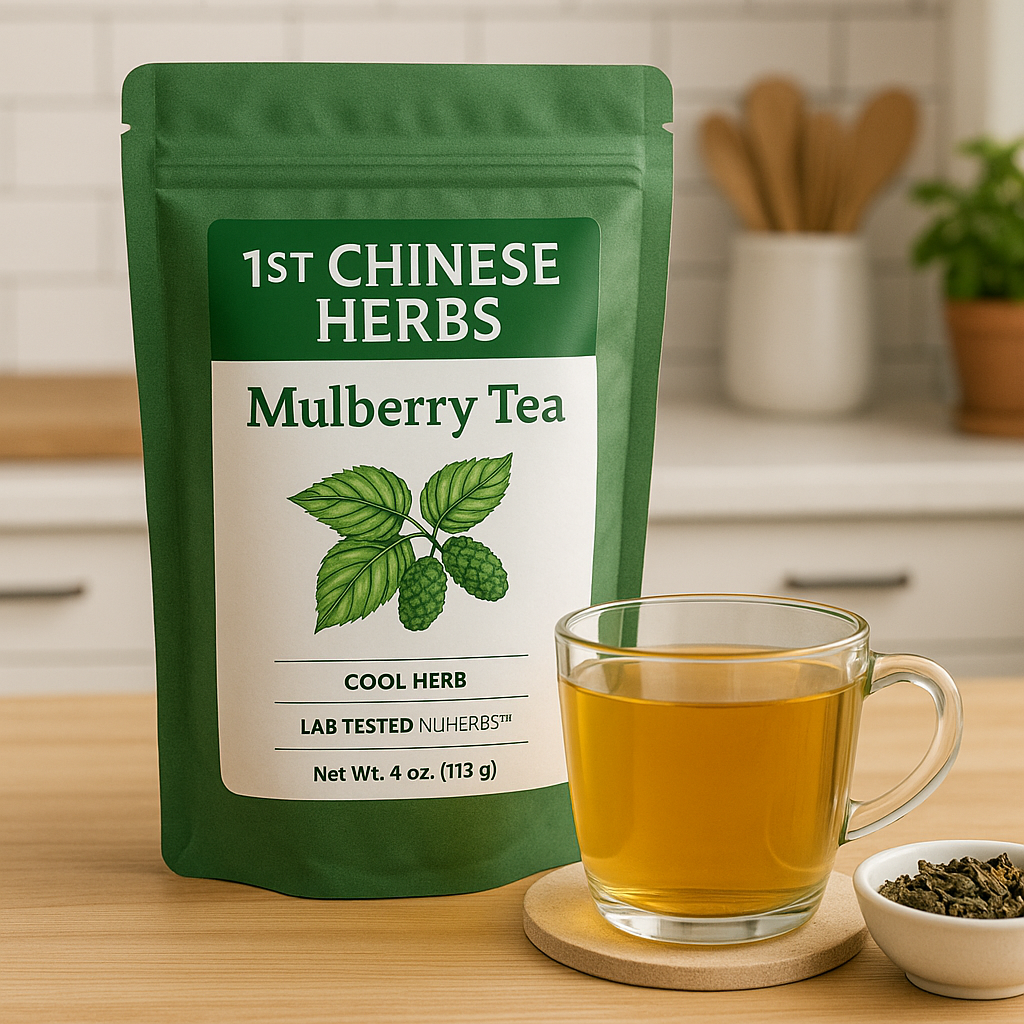
What is mulberry leaf? Mulberry leaf is a traditional herbal ingredient commonly used as a tea and in daily wellness routines. Known for its mild taste and ease of use, it has been valued for generations as a simple way to support balance in everyday life.

At 1st Chinese Herbs, we have been sourcing quality herbs since 1994. Mulberry leaf remains one of the most approachable herbs for those looking to build a consistent daily routine.


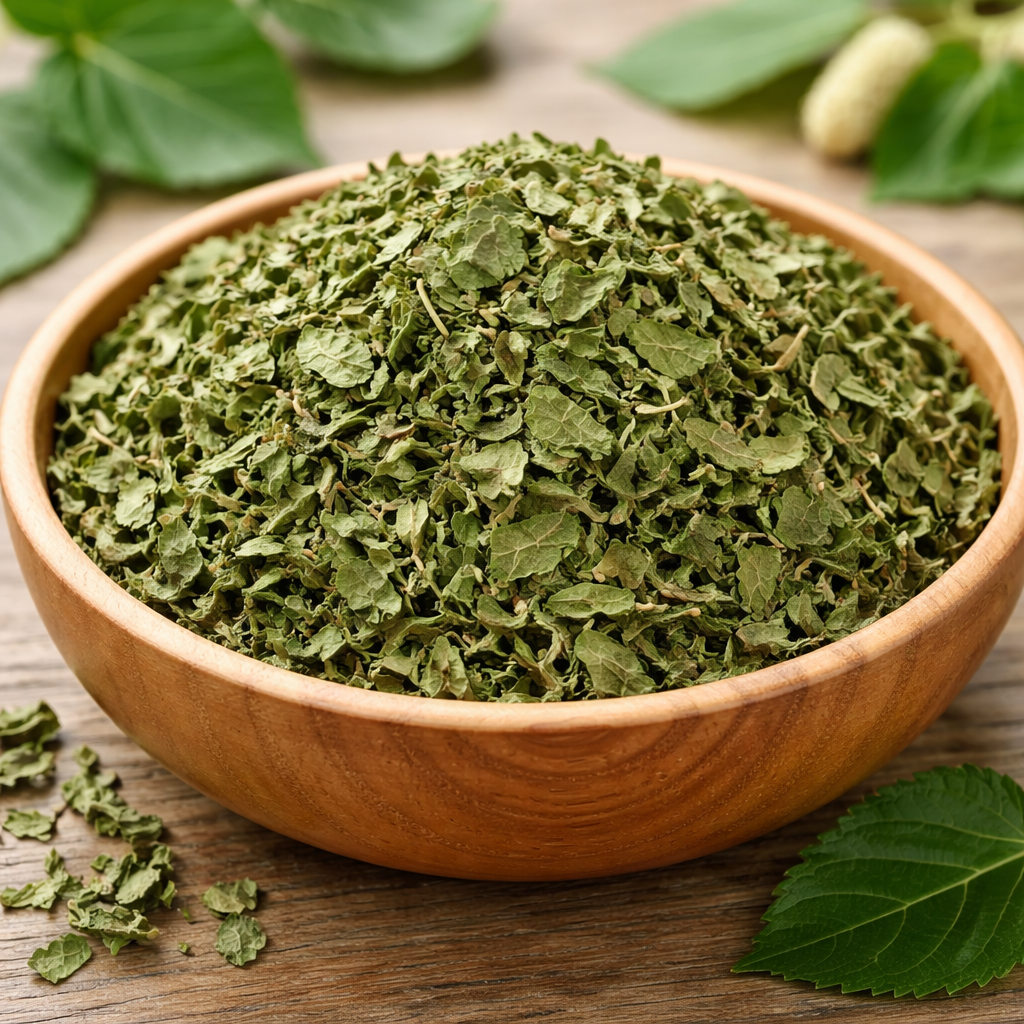
What do mulberry leaves look like, and how to use themWhat Is Mulberry Leaf?

Mulberry leaf is derived from the white mulberry tree (Morus alba), a species widely used in traditional Chinese herbal practices. The leaves are harvested, dried, and commonly prepared as a tea, making them one of the most practical herbs for daily use. They are also available in powder and extract forms for added convenience.

Traditionally, mulberry leaf has been used as part of daily herbal routines that focus on maintaining internal balance. It is especially valued for its gentle nature, making it suitable for regular use as part of a long-term wellness approach.

Why Mulberry Leaf Is So Popular

Simple to prepare as a tea

Mild, easy-to-drink flavor

Commonly used in daily wellness routines

Fits easily into modern lifestyles


Mulberry Leaf Benefits

Mulberry Leaf: Traditional Use vs Modern Understanding

Traditional Perspective

In traditional herbal practices, mulberry leaf is often used as part of routines focused on maintaining internal balance. It is commonly prepared as a tea and included in daily use due to its gentle nature and ease of preparation.

It has traditionally been used in simple herbal approaches that support hydration, balance, and long-term wellness routines.

Modern Perspective

Modern research has identified naturally occurring compounds in mulberry leaf such as polyphenols, flavonoids, and DNJ (1-deoxynojirimycin). These compounds are studied for their role in supporting metabolic function and overall wellness.

Mulberry leaf is now commonly used in tea and supplement form as part of daily routines focused on maintaining balanced blood sugar levels and supporting general health.

Mulberry leaf contains naturally occurring compounds such as polyphenols and flavonoids, which are studied for their role in supporting overall wellness.

Supports balanced blood sugar levels as part of a healthy lifestyle

Supports cardiovascular wellness through antioxidant activity

Supports digestion and metabolic balance

Provides antioxidant support for overall wellness

This information reflects traditional use and modern research perspectives. It is provided for educational purposes only and is not intended as medical advice.


How to Use Mulberry Leaf Daily

How to make mulberry leaf tea1. Mulberry Leaf Tea (Most Popular)

Add 1–2 teaspoons of dried mulberry leaf to hot water. Steep for 10–15 minutes and enjoy once or twice daily.

2. Powder

Mix mulberry leaf powder into smoothies or warm water for a simple daily routine.

3. Capsules or Extract

Used for convenience and consistency in daily use.

Who Uses Mulberry Leaf?

  • People building a daily wellness routine
  • Those looking for gentle, easy-to-use herbs
  • Individuals exploring traditional Chinese herbs
  • Customers who prefer herbal teas over complex preparations

Why Quality Matters

The quality of mulberry leaf depends on sourcing and handling. Choosing well-prepared herbs helps ensure a better experience.

  • Clean, properly dried leaves
  • Careful sourcing practices
  • Consistent quality you can rely on

Trusted since 1994, we focus on herbs you can use with confidence.


How to Choose a Good Mulberry Leaf

Look for a clean, natural green color

Avoid overly dusty or broken material

Choose a trusted supplier

Look for clear quality standards


Mulberry Leaf Tea vs Other Herbal Teas

Mulberry leaf tea is often chosen by people looking for a mild, easy-to-drink herbal tea that fits naturally into a daily routine.


Shop Premium Mulberry Leaf

Looking for high-quality mulberry leaf for tea and daily use? Choose herbs that are carefully handled, clean, and easy to prepare.

Trusted since 1994

Carefully selected herbal quality

Easy to use in tea and daily routines

Shop Mulberry Leaf See All Forms Below


Helpful Related Links


FAQs About Mulberry Leaf

What is mulberry leaf used for?

Mulberry leaf is commonly used as a tea and as part of daily wellness routines.

How do you use mulberry leaf?

It is most often prepared as a tea, but can also be used as a powder or extract.

Can mulberry leaf be used daily?

Yes, many people include it in a daily routine, especially as tea.

What does mulberry leaf taste like?

It has a mild, slightly grassy flavor that is easy to drink.


References

Blood Sugar & Metabolic Support Research


DNJ Compound (Key Active Component)


 Cardiovascular & Antioxidant Research


*This content is for educational purposes only. These statements have not been evaluated by the Food and Drug Administration. This product is not intended to diagnose, treat, cure, or prevent any disease.*


Recommended For You View all

Teasel root  Xu Duan in cut pieces Teasel root  Xu Duan in cut pieces
+ Add to Cart The item has been added

Plum Flower

Teasel Root (Xu Duan) Cut Form 1 lb

Xu Duan (Teasel Root) Cut Form (1 lb) — “Restore What’s Broken” (TCM) Xu Duan (Teasel Root) is a classic Traditional Chinese Medicine (TCM) herb traditionally used to support the body’s...

$53.99
+ Add to Cart The item has been added