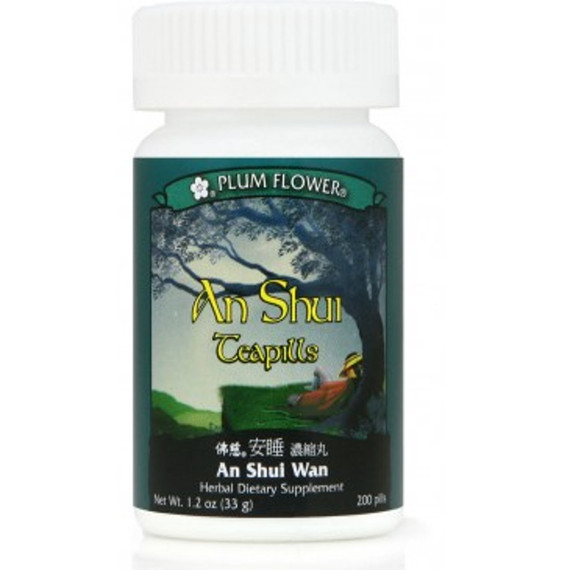


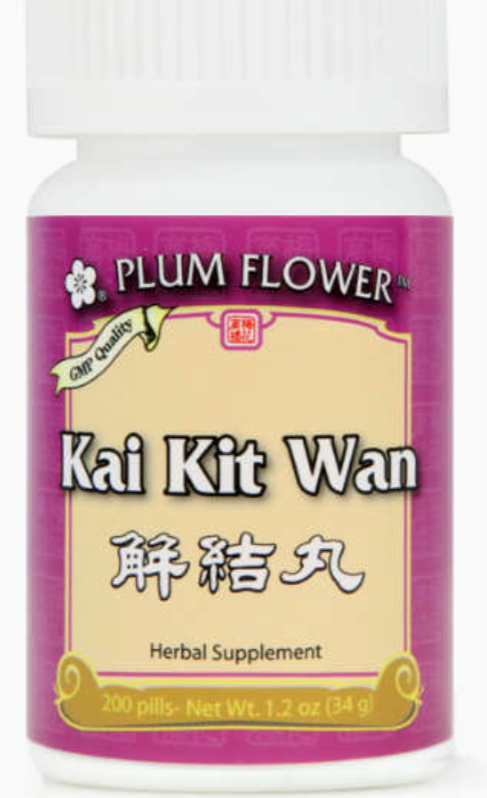
Kai Kit Wan – Jie Jie Wan – Traditional Chinese Herbal Formula by Plum Flower
Traditional Chinese Herbal Wisdom Rooted in Men's Wellness, Qi and Blood Harmony
Discover Plum Flower Kai Kit Wan, also known as Jie Jie Wan and Qian Lie Xian Wan, a distinctive Chinese herbal formula featuring nine botanical ingredients, including vaccaria seed, patrinia, red peony root, astragalus and Corydalis.
Historically associated with men's herbal wellness traditions, Kai Kit Wan reflects the Traditional Chinese Medicine principles of Qi, Blood, Heat and Dampness. Its distinctive composition combines cooling, nourishing and aromatic botanical materials in one convenient prepared herbal formula.
Enjoy the convenience of traditional Chinese herbs without individually purchasing, weighing or brewing nine separate ingredients.
Important Information Before Purchasing
Do not use during pregnancy or nursing or if you have a hemorrhagic or bleeding disorder. Contains Corydalis, Chinese licorice root and Akebia stem. Consult a qualified healthcare professional before use, particularly if taking prescription medications.
What Is Kai Kit Wan?
Kai Kit Wan is a prepared Chinese herbal formula traditionally associated with men's wellness and the Chinese herbal philosophy of maintaining harmony among Qi, Blood and Dampness.
The formula is also historically known by the English names Prostate Glad Pills and Relieve Knotty-Swelling Pills. These historical commercial names identify the formulation and do not represent established medical indications or promises of therapeutic results.
Unlike traditional formulas composed primarily of nourishing herbs, Kai Kit Wan incorporates several contrasting botanical categories. Astragalus represents the traditional Qi-nourishing category, while red peony, moutan bark and Corydalis represent other aspects of traditional Chinese herbal formulation.
This combination illustrates the traditional practice of selecting complementary botanical ingredients rather than relying on a single herb.
Understanding the Traditional Herbal Philosophy Behind Kai Kit Wan
Qi and Blood Harmony
Within Traditional Chinese Medicine, Qi and Blood are interconnected concepts used to describe traditional patterns of balance and movement. Vaccaria seed, red peony and Corydalis belong to herbal categories historically associated with these concepts.
Traditional Heat and Dampness
Patrinia, moutan bark and Akebia stem contribute cooling characteristics and represent traditional herbal categories associated with Heat and Dampness.
Nourishing and Harmonizing Ingredients
Astragalus and Chinese licorice root contribute complementary characteristics to the formula. Their inclusion illustrates the traditional practice of combining herbs with different tastes, temperatures and classifications.
These traditional concepts are presented for educational purposes. They are not equivalent to modern medical diagnoses or demonstrated physiological effects of the finished product.
Kai Kit Wan Product Details
| Product Name | Kai Kit Wan |
| Alternate Pinyin Names | Jie Jie Wan, Qian Lie Xian Wan |
| Brand | Plum Flower |
| Package Size | 200 pills per bottle |
| Product Form | Prepared Chinese herbal pills |
| Principal Ingredients | 9 botanical ingredients |
| Country of Origin | China |
Complete Kai Kit Wan Ingredient Guide
Explore the nine principal botanical ingredients in Kai Kit Wan, including their traditional Chinese names, scientific identities, plant parts and historical herbal classifications.
| Pinyin and Common Name | Botanical Name and Plant Part | Traditional Herbal Classification |
|---|---|---|
| Wang Bu Liu Xing Vaccaria Seed |
Vaccaria segetalis seed | A bitter botanical traditionally classified among Blood-moving herbs. |
| Bai Jiang Cao Patrinia Herb |
Patrinia villosa herb | Historically categorized among traditional cooling and Heat-clearing herbs. |
| Chi Shao Red Peony Root |
Paeonia lactiflora root | Traditionally associated with Blood-cooling and Blood-moving herbal classifications. |
| Huang Qi Astragalus Root |
Astragalus membranaceus root | A sweet, mildly warming botanical traditionally categorized among Qi-nourishing herbs. |
| Mu Dan Pi Moutan Root Bark |
Paeonia suffruticosa root-bark | A cooling botanical historically associated with traditional Blood and Heat classifications. |
| Mu Tong (San Ye) Three-Leaf Akebia Stem |
Akebia trifoliata stem | A bitter, cooling botanical traditionally associated with Dampness-related herbal categories. |
| Tu Mu Xiang Elecampane Root |
Inula helenium root | An aromatic root historically associated with traditional Qi-related classifications. |
| Yan Hu Suo Corydalis Rhizome |
Corydalis yanhusuo rhizome | A pungent botanical traditionally categorized among Qi-moving and Blood-moving herbs. |
| Gan Cao Chinese Licorice Root |
Glycyrrhiza uralensis root | A sweet botanical frequently included in traditional harmonizing formulations. |
Other Ingredients
Maltose, hydrated magnesium silicate, activated carbon and China wax.
What Makes Kai Kit Wan Distinctive?
Two Different Peony Ingredients in One Formula
One of the most interesting characteristics of Kai Kit Wan is its inclusion of two different botanical materials from the peony genus.
- Chi Shao: Red peony root, identified as Paeonia lactiflora.
- Mu Dan Pi: Moutan root bark, identified as Paeonia suffruticosa.
Although both belong to the Paeonia genus, they represent different species and plant parts. Their botanical compositions and traditional classifications differ, making them distinct ingredients rather than interchangeable forms of the same herb.
Mu Tong: Why Botanical Identification Matters
The updated ingredient declaration for Kai Kit Wan specifically identifies Mu Tong (San Ye) as Akebia trifoliata stem.
Several different botanical materials have historically been associated with similar Chinese herbal names. Akebia is botanically different from Guan Mu Tong, an Aristolochia-derived material associated with dangerous aristolochic acids.
For this reason, accurate scientific names and appropriate botanical authentication are especially important. The listed botanical identity does not, by itself, establish the results of contaminant testing for a specific production lot.
Tu Mu Xiang Is Not the Same as Mu Xiang
Tu Mu Xiang refers to elecampane root, identified in this formulation as Inula helenium.
Although Tu Mu Xiang and Mu Xiang have similar traditional names, they represent different botanical materials. This distinction is particularly important when comparing older and newer ingredient declarations.
Corydalis and Traditional Herbal Processing
Yan Hu Suo, or Corydalis, contains naturally occurring alkaloids that have been investigated in botanical research.
Traditional Chinese herbal literature describes several preparation methods for Corydalis, including vinegar processing. The current ingredient declaration does not specify vinegar processing, so this particular preparation method should not be assumed.
Kai Kit Wan Compared With Other Traditional Chinese Formulas
Understanding the differences between herbal formulas can help customers identify the preparation they are looking for.
| Traditional Formula | Distinguishing Ingredients | Traditional Formulation Focus |
|---|---|---|
| Kai Kit Wan Jie Jie Wan |
Vaccaria, patrinia, red peony, astragalus and Corydalis. | Traditional Qi, Blood, Heat and Dampness classifications. |
| Stasis in the Mansion of Blood Xue Fu Zhu Yu Wan |
Peach kernel, safflower, Chinese angelica and red peony. | Traditional Qi and Blood movement classifications. |
| Eight Righteous Ba Zheng Wan |
Plantago seed, dianthus, gardenia and other botanicals. | Traditional Damp-Heat classifications. |
| Cinnamon and Poria Gui Zhi Fu Ling Wan |
Cinnamon twig, poria, peony, moutan bark and peach kernel. | Traditional Blood harmony classifications. |
These comparisons describe traditional classifications and ingredient differences. They do not establish therapeutic equivalence or indicate that the formulas can be substituted for one another.
The Convenience of Traditional Chinese Teapills
Prepared herbal pills offer a convenient alternative to purchasing and preparing individual bulk herbs.
- No weighing or measuring individual herbs.
- No brewing or decoction required.
- Compact packaging for convenient storage and travel.
- Ready-to-use format with product-specific directions.
Discover more in our Guide to Using Traditional Chinese Teapills.
How to Take Kai Kit Wan
Standard Product Label Directions
8 Pills × 3 Times Daily
Swallow with water according to the current product label or as directed by a qualified healthcare professional. Do not exceed labeled directions.
How Many Bottles Should I Purchase?
The following chart provides quantity-planning information based on the standard label directions of 24 pills daily.
| Number of Bottles | Total Pills | Complete Days of Supply |
|---|---|---|
| 1 Bottle | 200 | 8 Days |
| 2 Bottles | 400 | 16 Days |
| 3 Bottles | 600 | 25 Days |
These calculations are provided for purchase planning only. They do not establish a recommended duration of use. Consult your healthcare professional regarding whether this product is appropriate for you and how long it should be used.
Important Safety Information and Precautions
- Pregnancy and Nursing: Do not use during pregnancy or breastfeeding.
- Hemorrhagic and Bleeding Disorders: Do not use if you have a hemorrhagic or bleeding disorder.
- Blood-Thinning Medications: Consult your prescribing healthcare professional before use if taking anticoagulants, antiplatelet medications or other products that may affect bleeding.
- Corydalis: Corydalis constituents may have sedating effects. Consult your healthcare professional before combining this product with sedatives, sleep medications, opioids or other substances that cause drowsiness.
- Chinese Licorice Root: Glycyrrhizin-containing licorice may affect blood pressure, potassium levels and fluid balance. Individuals with heart disease, kidney disease or high blood pressure should obtain medical approval before use.
- Medication Interactions: Consult a pharmacist before combining this formula with diuretics, digoxin, corticosteroids, blood pressure medications or other prescription products.
- Astragalus: Individuals taking immunosuppressive medications should obtain professional guidance before use.
- Liver Conditions: Corydalis-containing supplements have been associated with reports of liver injury. Individuals with liver conditions should consult their healthcare professional before use.
- Botanical Sensitivities: Elecampane belongs to the Asteraceae plant family. Individuals with known allergies to related plants should seek professional guidance.
- Maltose: Contains maltose. This product should not be represented as sugar-free.
- Surgery: Inform your healthcare team about this supplement before surgery or other medical procedures.
- Children: Keep out of reach of children. Do not administer without appropriate professional guidance.
When to Seek Medical Attention
Persistent changes in urinary habits, blood in the urine, difficulty urinating, unexplained pelvic discomfort or other concerning symptoms require professional medical evaluation. An inability to urinate requires urgent medical attention.
Discontinue use and seek medical attention if you experience unusual bleeding, excessive drowsiness, persistent nausea, dark urine or yellowing of the skin or eyes.
This product should not be used to delay medical evaluation, replace prescribed medications or substitute for recommended prostate examinations.
Why Purchase Kai Kit Wan From 1st Chinese Herbs?
Family-owned and serving herbal customers since 1994, 1st Chinese Herbs specializes in traditional Chinese herbs, prepared herbal formulas and botanical education.
We believe customers deserve detailed ingredient information, transparent product descriptions and knowledgeable customer service when purchasing traditional herbal products.
Orders are shipped directly from Washington State, USA.
Discover the traditional herbal philosophy behind Kai Kit Wan and shop with an established Chinese herbal retailer you can trust.
Frequently Asked Questions About Kai Kit Wan
Are Kai Kit Wan, Jie Jie Wan and Qian Lie Xian Wan the same formula?
Jie Jie Wan and Qian Lie Xian Wan are alternate names associated with Kai Kit Wan. Always confirm the brand and current ingredient declaration when comparing products sold under similar names.
Why is Kai Kit Wan sometimes called Prostate Glad Pills?
Prostate Glad Pills is a historical English commercial name associated with this formulation. The name reflects its historical association with men's herbal wellness traditions and does not establish effectiveness for prostate conditions.
Is Kai Kit Wan a replacement for prescription prostate medication?
No. Kai Kit Wan is a traditional herbal preparation, not a replacement for prescription medication, professional medical evaluation or recommended prostate examinations.
Why do older Kai Kit Wan ingredient lists contain different botanical names?
Older product descriptions may reflect previous ingredient declarations or different botanical materials. The current supplied specification identifies Paeonia lactiflora, Akebia trifoliata and Inula helenium. Customers should refer to the current bottle label rather than relying on older descriptions.
Does Kai Kit Wan contain Aristolochia?
The current ingredient declaration identifies Akebia trifoliata stem, not an Aristolochia species. However, botanical identification alone does not establish the results of product-specific contaminant testing.
Does Kai Kit Wan contain vinegar-processed Corydalis?
The supplied ingredient declaration identifies Corydalis yanhusuo rhizome but does not specify vinegar processing. This preparation method should not be assumed without additional documentation.
Is Kai Kit Wan suitable for vegetarians or vegans?
The principal ingredients are botanical. However, the additional ingredient declaration includes China wax, which traditionally refers to an insect-derived material. Vegetarian or vegan suitability should not be assumed without confirmation.
Can Kai Kit Wan be combined with other men's herbal wellness formulas?
Consult a qualified healthcare practitioner before combining herbal formulas. Products containing overlapping ingredients may increase exposure to certain botanical constituents and potential medication interactions.
Does Kai Kit Wan contain added sweeteners?
Maltose is included in the additional ingredient declaration. The exact quantity is not established by the available product information.
Traditional Herbal References and Ingredient Safety Research
Traditional Chinese Herbal References
- Bensky D, Clavey S, Stöger E. Chinese Herbal Medicine: Materia Medica. Third edition. Eastland Press; 2004.
- Chen JK, Chen TT. Chinese Medical Herbology and Pharmacology. Art of Medicine Press; 2004.
PubMed Ingredient Safety Research Resources
- Akebia botanical identification and aristolochic acid safety considerations.
- Corydalis and potential liver-related adverse reactions.
- Licorice, blood pressure and potassium-related safety research.
- Astragalus and potential medication interactions.
- Red peony botanical constituents and platelet-related research.
These resources concern individual botanical ingredients, historical classifications and safety considerations. They do not establish the clinical effectiveness or safety of the finished Kai Kit Wan preparation.
California Proposition 65 Information
- 1st Chinese Herbs – California Proposition 65 Warning Information
- Official California Proposition 65 Warnings Website
- California OEHHA – Official Proposition 65 Chemical List
FDA and Educational Disclaimers
These statements have not been evaluated by the Food and Drug Administration. This product is not intended to diagnose, treat, cure, or prevent any disease.
Educational Disclaimer: Traditional Chinese herbal classifications and historical formula names are provided for educational and product identification purposes. They do not establish modern medical indications or clinical outcomes. Consult a qualified healthcare professional before using herbal supplements.
1 Review
-
Excellent Kai kit wan
Please keep this product in stock it is excellent