

He Geng (Lotus Stem)
Traditional Chinese Herb for Cooling Seasonal Balance & Culinary Use
Premium Cut Sacred Lotus Stem
Species Authenticated • Laboratory Tested • Trusted Since 1994
Quick Summary
He Geng, also known as Lotus Stem or Lian Geng, comes from the sacred lotus plant, Nelumbo nucifera. In traditional Chinese herbalism, it is valued as a cooling botanical ingredient commonly used in decoctions, soups, broths, and seasonal herbal preparations.
Unlike lotus root, lotus seed, or lotus leaf, He Geng refers specifically to the stem portion of the lotus plant. It has a mild, lightly sweet flavor and is traditionally appreciated for its refreshing nature, especially in warm-weather cooking and herbal formulas.
Quick Facts About He Geng
| Common Name | Lotus Stem |
|---|---|
| Pin Yin Name | He Geng / Lian Geng |
| Botanical Name | Nelumbo nucifera |
| Plant Family | Nelumbonaceae |
| Plant Part Used | Stem |
| Flavor | Sweet, slightly bitter, astringent |
| Nature | Cold |
| Traditional Channels | Heart, Liver, Lung, Spleen, Stomach |
| Common Preparations | Tea, decoction, soups, broths, culinary use |
Product Specifications
| Product | He Geng - Lotus Stem |
|---|---|
| Brand | Nuherbs® |
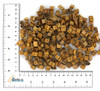
| Form | Cut herb |
| Package Size | 1 Pound |
| Ingredients | 100% He Geng |
| Other Ingredients | None added |
| Origin | China |
| Storage | Store sealed in a cool, dry location away from light and moisture. |
Understanding He Geng in Traditional Chinese Herbalism
In traditional Chinese herbalism, herbs are often described by their flavor, nature, and the channels they are traditionally associated with. He Geng is considered cold in nature, with sweet, slightly bitter, and astringent qualities.
Traditionally, He Geng is used in cooling seasonal preparations and is commonly incorporated into decoctions, soups, and light culinary dishes. It is often chosen when a gentle, refreshing botanical ingredient is desired.
Because it is mild in taste and easy to combine with other ingredients, He Geng is valued by herbalists and home users who enjoy traditional food-based herbal preparations.
The Sacred Lotus Through History
The sacred lotus has been cultivated throughout Asia for more than two thousand years. Revered in China, India, Japan, Korea, Vietnam, and other parts of Asia, the lotus has long symbolized purity, renewal, resilience, and balance.
Nearly every part of the lotus plant has been used in traditional food or herbal preparations, including the leaf, stem, root, seed, flower, and seed plumule. This makes lotus one of the most versatile plants in traditional Asian food and herbal culture.
He Geng became especially valued in seasonal cooking because of its refreshing character and its compatibility with soups, broths, and decoctions.
Botanical Identification
Nelumbo nucifera is an aquatic perennial that grows in ponds, lakes, marshes, and slow-moving waterways. It is easily recognized by its large round leaves, tall flower stalks, pink or white blossoms, hollow stems, underground rhizomes, and distinctive seed pods.
- Large circular leaves that naturally repel water.
- Pink or white flowers that rise above the water.
- Long hollow stems connecting the leaves and flowers.
- Edible underground rhizomes commonly known as lotus root.
- Seed pods containing lotus seeds.
After harvest, the stems are cleaned, sliced, dried, and packaged for use in traditional preparations.
Understanding the Different Parts of the Lotus Plant
One of the most common points of confusion is the difference between lotus stem, lotus root, lotus seed, and lotus leaf. These are not the same product, and each part has its own traditional use.
| Lotus Part | Chinese Name | Common Traditional Use |
|---|---|---|
| Stem | He Geng / Lian Geng | Decoctions, soups, seasonal herbal preparations |
| Leaf | He Ye | Traditional summer preparations and teas |
| Seed | Lian Zi | Cooking, desserts, congee, herbal formulas |
| Seed Plumule | Lian Zi Xin | Traditional bitter teas |
| Rhizome / Root | Ou | Vegetable, soups, stir-fries, broths |
| Node | Ou Jie | Traditional herbal preparations |
| Flower | Lian Hua | Traditional cultural and herbal uses |
He Geng vs Lotus Root
He Geng is sometimes confused with lotus root, but they are not the same plant part. He Geng refers to the stem, while lotus root usually refers to the underground rhizome.
| Feature | He Geng | Lotus Root |
|---|---|---|
| Plant Part | Stem | Underground rhizome |
| Texture | Light and fibrous | Crisp and dense |
| Common Use | Decoctions, soups, herbal preparations | Cooking, stir-fries, soups, vegetable dishes |
| Form Sold | Dried cut herb | Fresh, frozen, canned, or dried |
Taste, Aroma & Texture
| Characteristic | Description |
|---|---|
| Taste | Mild, lightly sweet, slightly earthy |
| Aroma | Clean, fresh, lightly vegetal |
| Texture | Firm when dried, softer after simmering or soaking |
| Best Uses | Decoctions, soups, broths, seasonal herbal blends |
How to Prepare He Geng
Traditional Decoction
- Measure the amount recommended by your practitioner or product directions.
- Rinse the dried He Geng briefly under cool water.
- Add the herb to a small pot with water.
- Bring to a gentle boil.
- Reduce heat and simmer for approximately 20 to 30 minutes.
- Strain before drinking.
For Soups and Broths
- Soak dried slices in warm water for 10 to 20 minutes.
- Drain well before adding to recipes.
- Add to soups, broths, or slow-cooked herbal stews.
- Combine with vegetables or other traditional herbs as desired.
For Seasonal Herbal Teas
He Geng may be combined with other traditional cooling herbs such as He Ye, Lu Gen, Bai Mao Gen, or Ju Hua, depending on the intended formula and the guidance of a qualified practitioner.
Traditional Herbal Pairings
In traditional Chinese herbalism, herbs are often combined rather than used alone. The right pairing depends on the individual, the season, and the intended preparation.
| Traditional Herb | Why It May Be Paired |
|---|---|
| Lu Gen - Reed Rhizome | Often used in refreshing seasonal preparations. |
| Bai Mao Gen | Commonly included in cooling traditional formulas. |
| Fu Ling | Often used in formulas focused on gentle digestive balance. |
| He Ye - Lotus Leaf | Combines two different parts of the lotus plant. |
| Ju Hua - Chrysanthemum | Popular in refreshing herbal teas. |
| Chen Pi - Aged Tangerine Peel | Adds aromatic balance to traditional blends. |
Modern Research Interest
Modern researchers continue to study Nelumbo nucifera because the plant naturally contains a variety of compounds, including flavonoids, alkaloids, polyphenols, polysaccharides, vitamin C, minerals, and dietary fiber.
Research on lotus often examines the plant’s chemistry, food uses, traditional history, and naturally occurring botanical compounds. Different parts of the lotus plant may have different phytochemical profiles, which is why leaves, seeds, stems, roots, and flowers are often studied separately.
This research is ongoing and should not be interpreted as proof that He Geng is intended to diagnose, treat, cure, or prevent disease.
How to Choose High-Quality He Geng
Quality matters when purchasing dried Chinese herbs. Premium He Geng should be clean, properly dried, accurately identified, and carefully stored.
Look For:
- Clearly identified botanical name.
- Uniform cut pieces.
- Natural cream to light tan color.
- Clean appearance with minimal dust.
- Fresh, mild herbal aroma.
- No visible mold or excess moisture.
- No artificial coloring.
- Proper packaging to preserve freshness.
Why buy from 1st Chinese Herbs? Since 1994, 1st Chinese Herbs has specialized in authentic Chinese herbs from trusted suppliers, with a focus on quality, freshness, species identification, and customer education.
Storage Guide
Proper storage helps preserve the freshness, aroma, and overall quality of dried He Geng.
- Store in an airtight container.
- Keep away from moisture and steam.
- Avoid direct sunlight.
- Use clean, dry utensils when handling.
- Do not store near strong-smelling foods or spices.
- Keep out of reach of children and pets.
Safety & Cautions
Do not use if pregnant or nursing unless directed by a qualified healthcare professional. Consult your healthcare provider before using herbs if you take medications, have a medical condition, or are following a practitioner-directed formula.
Excessive use may cause digestive discomfort such as nausea or loose stools in sensitive individuals. This herb may not be ideal for people with cold or weak digestion unless recommended by a qualified practitioner.
California Prop 65: Follow all product label notices where applicable.
Frequently Asked Questions
What is He Geng?
He Geng is the traditional Chinese name for Lotus Stem, a part of the sacred lotus plant used in traditional herbal preparations and cooking.
Is He Geng the same as lotus root?
No. He Geng is the stem, while lotus root usually refers to the underground rhizome.
What is the botanical name?
The botanical name is Nelumbo nucifera.
Can He Geng be made into tea?
Yes. It is commonly prepared as a decoction by simmering the dried herb in water.
Can I cook with He Geng?
Yes. It may be added to soups, broths, and traditional seasonal recipes.
What does He Geng taste like?
It has a mild, lightly sweet, slightly earthy flavor.
Is He Geng caffeine free?
Yes. Lotus Stem is naturally caffeine free.
How should I store it?
Store sealed in a cool, dry place away from sunlight and moisture.
Can He Geng be combined with other herbs?
Yes. In traditional Chinese herbalism, it is often combined with other herbs depending on the desired formula and individual needs.
Who should avoid He Geng?
Those who are pregnant, nursing, taking medications, or dealing with medical conditions should consult a qualified healthcare professional before use.
Related Educational Guides
- Lotus Seeds - Lian Zi
- Lotus Leaf - He Ye
- Lotus Plumule - Lian Zi Xin
- How to Prepare Chinese Herbal Decoctions
- Chinese Cooling Herbs Guide
- How to Identify High-Quality Chinese Herbs
Important Notice
The information on this page is for educational purposes only. Traditional herbal descriptions are based on historical use within traditional Chinese herbalism and are not intended to diagnose, treat, cure, or prevent any disease. Individual needs vary. Please consult a qualified healthcare professional when appropriate.
References
A Review on Therapeutic Potential of Nelumbo nucifera - The Sacred Lotus
Nelumbo nucifera Research Review - Semantic Scholar PDF
https://pdfs.semanticscholar.org/bc87/8a50b3fd39f511fc088b4b515b992fc1f3ac.pdf
https://link.springer.com/article/10.1007/s11101-015-9401-9
https://www.ncbi.nlm.nih.gov/pmc/articles/PMC4710907/
https://herbpathy.com/Uses-and-Benefits-of-Lotus-Cid1275