
Goji Berries, Benefits, and Uses

Chinese Herb Education Guide

Goji Berries: What They Are, How To Use Them

Goji berries are one of the most recognized herbs in traditional Chinese herbal practice. Known for their naturally sweet taste, bright red color, and long traditional use, they are commonly enjoyed in teas, soups, broths, porridges, and daily tonic routines.

If you have been asking what are goji berries, how do you use goji berries, or why are goji berries important in Chinese herbs, this page gives you the clear, practical answer in one place.

Quick Facts About Goji Berries

Common Name:
Goji Berries, Wolfberries
Chinese Name:
Gou Qi Zi
Botanical Name:
Lycium barbarum / Lycium chinense
Traditional Nature:
Neutral
Traditional Flavor:
Sweet
Traditional Channels:
Liver, Kidney, Lung

What Are Goji Berries?

Goji berries are the dried fruits of the Lycium plant, most commonly Lycium barbarum. In traditional Chinese herbal practice, they are valued as a gentle tonic food-herb that is easy to include in daily life. Unlike herbs that are known for being extremely bitter, sharp, or difficult to prepare, goji berries are naturally pleasant to use, which is one reason they have remained popular for centuries.

They are often described as a nourishing Chinese herb used to support overall vitality, especially in routines focused on the eyes, the liver system, the kidney system, and general restorative wellness. In modern use, many people know them as a superfood. In traditional practice, they have long been appreciated as a simple, everyday herb with a long reputation for nourishment and balance.

A Small History of Goji Berries

Goji berries have been used in Chinese herbal traditions for more than 2,000 years. In classical herbal literature, they were regarded as a superior herb, meaning they were traditionally seen as suitable for regular use when used properly. Over time, they became deeply associated with longevity, eye support, nourishment, and gentle daily tonification.

Historically, goji berries were not only used in herbal formulas. They were also added to soups, congee, tonic wines, broths, and household recipes. This dual role as both a food and a traditional herb helped them remain relevant across generations. Today, they continue to bridge both worlds: functional food and traditional Chinese herb.

Why Are Goji Berries So Popular?

Goji berries are popular because they are easy to use, naturally sweet, and fit well into both traditional and modern wellness routines. They contain naturally occurring compounds such as polysaccharides, carotenoids including zeaxanthin, vitamins, amino acids, and trace minerals. These features helped build their reputation in both Chinese herb traditions and modern functional food conversations.

From a traditional perspective, goji berries are commonly used when the goal is to nourish rather than push. That makes them especially appealing to people who want a herb they can use consistently in teas, broths, or food without feeling like they are taking something harsh.

Goji Berries Benefits

Benefit Area Why People Use Goji Berries Traditional Chinese Herb View
Eye Wellness Often chosen for daily routines that focus on visual wellness and antioxidant-rich foods Traditionally used to nourish Liver Blood, which is classically linked with the eyes
Daily Vitality Used in nourishing routines for general stamina and recovery support Traditionally supports Yin, Blood, and Essence
Healthy Aging Routines Popular in long-term tonic food habits Classically associated with replenishing deficiency and supporting longevity
Liver and Kidney Support Frequently included in wellness routines centered on restoration and nourishment Traditionally enters the Liver and Kidney channels
Food-Based Wellness Easy to use in food, tea, and broth instead of capsules alone Seen as a gentle herb-food that fits daily use

How Goji Berries Are Viewed in Chinese Herbal Tradition

In traditional Chinese herbal language, goji berries are considered sweet and neutral. They are commonly said to enter the Liver, Kidney, and Lung channels. Their traditional role is less about forcing a dramatic short-term effect and more about replenishing what feels depleted over time.

That is one reason goji berries appear so often in nourishing formulas, gentle tonic teas, daily soups, and seasonal restorative practices. They are commonly used in traditional routines intended to nourish Yin, support Blood, and strengthen Essence without being overly harsh or stimulating.

How to Use Goji Berries

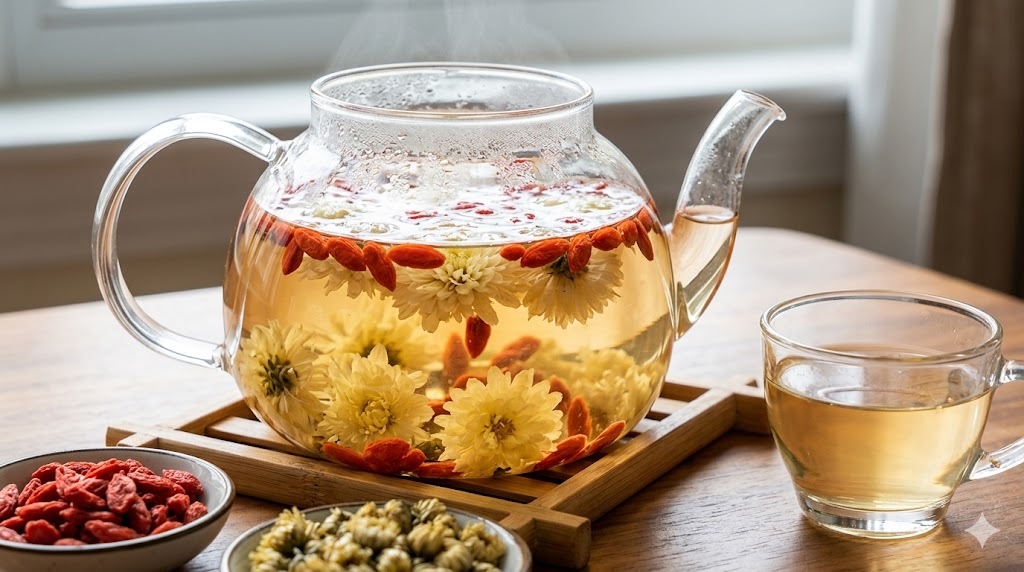
how to make goji berry tea. What are the benefits of goji berry teaIf you are wondering how to use goji berries, the good news is that they are one of the easiest Chinese herbs to work with. They can be used as food, tea, or part of a broader herbal routine.

1. Make Goji Berry Tea

Add 1 tablespoon of goji berries to hot water. Let them steep for 10 to 15 minutes. Drink the tea and eat the softened berries afterward.

2. Add Them to Soup or Broth

Goji berries are often added near the end of cooking in soups, chicken broth, herbal broths, and congee. This is one of the most traditional ways to use them.

3. Use Them in Porridge or Oatmeal

Stir them into warm breakfast bowls for a mild sweetness and traditional tonic feel.

Goji Berry Trail Mix, perfect snack for on the go4. Eat Them as a Snack

You can eat goji berries straight from the bag in small amounts, just like raisins.

5. Blend Them Into Smoothies

Soak first if you want a softer texture, then blend into smoothies with fruit or greens.

6. Pair Them With Other Chinese Herbs

Goji berries are often paired with herbs such as chrysanthemum flower, dang gui, bai shao, or astragalus depending on the traditional goal of the formula.

The Golden Elixir of Radiance (Goji Berries and Chrysanthemum)

Refreshing tea. Goji and Chrysanthemum flower tea, Ingredients

1 tablespoon goji berries

12 ounces hot water

Optional: 1 teaspoon chrysanthemum flowers

Directions

Place the goji berries in a mug or teapot.

Pour hot water over them.

Steep for 10 to 15 minutes.

Drink warm.

Eat the softened berries after finishing the tea.

Sip your way to a revitalized you with the timeless combination of Goji Berries and Chrysanthemum. This isn't just a tea; it’s a powerhouse of ancient wellness designed for the modern world.

By blending the antioxidant-rich "red diamonds" of the Himalayas with the cooling, floral notes of Chrysanthemum, you create a synergy that targets the stressors of daily life. This infusion is celebrated for:

  • Eye Health Support: Often called "eye-brightening tea," it helps soothe digital eye strain and maintain sharp vision.

  • Immune Vitality: Packed with Vitamin C and polysaccharides to keep your natural defenses strong.

  • Inner Calm & Detox: Chrysanthemum naturally cools the body and clears the liver, while Goji berries provide a gentle energy boost without the caffeine crash.

Brighten your eyes, clear your mind, and nourish your body with every golden drop.

What to Look for When Buying Goji Berries

Not all goji berries are the same. Quality matters. Traditionally, many buyers look for berries sourced from respected growing regions in China, especially Ningxia. Good berries usually have a vibrant red-to-deep-red color, a clean aroma, and a texture that is soft but not sticky from added sugars or poor storage.

It also helps to buy from a company that emphasizes identity testing, handling standards, and transparent quality practices. When a company can explain sourcing, storage, and overall herb quality clearly, that adds confidence for the buyer.

Frequently Asked Questions About Goji Berries

Are goji berries the same as Gou Qi Zi?

Yes. Gou Qi Zi is the Chinese herbal name, while goji berries or wolfberries are the common English names.

How many goji berries can you use daily?

Many people use roughly 10 to 30 grams per day, depending on the form and how they are being used. For a simple food-style routine, 1 to 3 tablespoons is a commonly referenced range.

What do goji berries taste like?

They are mildly sweet, slightly tart, and somewhat similar to a cross between a raisin and a cranberry, though usually lighter and less heavy than raisins.

Can you eat goji berries raw?

They are typically sold dried and can be eaten as they are, steeped into tea, or added to food.

Who should be cautious with goji berries?

Anyone who is pregnant, nursing, taking medications, or managing a medical condition should speak with a qualified healthcare professional before using goji berries regularly. This page is for educational purposes only.

Explore Premium Goji Berries at 1st Chinese Herbs

If you are looking for goji berries to use in tea, food, or traditional Chinese herb routines, choose berries that are handled with care and selected for quality.

Shop Goji Berries

Educational Disclaimer: This content is for educational purposes only and is not medical advice. Statements about herbs have not been evaluated by the Food and Drug Administration. This product is not intended to diagnose, treat, cure, or prevent any disease.

Scientific Research on Goji Berries (Lycium barbarum)

Goji berries have been widely studied for their naturally occurring compounds and their role in nutritional and traditional wellness practices. Below are selected peer-reviewed studies available on PubMed for further reading.

Comprehensive Review of Goji Berry Compounds and Functional Uses

Research highlights the presence of polysaccharides, carotenoids, flavonoids, and other bioactive compounds in goji berries.

View Study on PubMed

Human Clinical Study on Goji Berries and Eye Health

A clinical trial observed increased zeaxanthin levels and antioxidant markers associated with visual wellness.

View Clinical Study on PubMed

Goji Berry Polysaccharides and Antioxidant Activity

Studies explore antioxidant properties and their potential role in cellular protection and eye-related research.

View Full Study (PMC)

Bioactive Compounds in Goji Berries

Analysis confirms the presence of flavonoids, carotenoids, amino acids, and polysaccharides.

View Study (PMC)

Zeaxanthin Content and Visual Health Research

Goji berries are recognized as a rich natural source of zeaxanthin and carotenoids.

View Study (PMC)

Meta-Analysis on Lipid and Cardiovascular Markers

Research explores how goji berries may support healthy lipid profiles when included in the diet.

View Study (PMC)

Neuroprotective and Cognitive Research

Preclinical studies examine antioxidant activity and potential support for brain function.

View Study on PubMed

Antioxidant Properties and Functional Food Research

Goji berries are widely studied as antioxidant-rich functional foods.

View Study (PMC)

Educational Disclaimer: These studies are provided for informational purposes only. They do not constitute medical advice. Statements about herbs have not been evaluated by the Food and Drug Administration. This information is not intended to diagnose, treat, cure, or prevent any disease.

There are no products listed under this category.

Recommended For You View all

Teasel root  Xu Duan in cut pieces Teasel root  Xu Duan in cut pieces
+ Add to Cart The item has been added

Plum Flower

Teasel Root (Xu Duan) Cut Form 1 lb

Xu Duan (Teasel Root) Cut Form (1 lb) — “Restore What’s Broken” (TCM) Xu Duan (Teasel Root) is a classic Traditional Chinese Medicine (TCM) herb traditionally used to support the body’s...

$53.99
+ Add to Cart The item has been added