Plum Flower Powders
Andrographis Herb Powder - Chuan Xin Lian Bulk Bag
Andrographis Powder 5 Kilogram Bulk Bag (1 single bag) Why Is Andrographis Revered in Traditional Chinese Medicine?
Herbal powders are one of the most versatile—and often overlooked—ways to use Chinese herbs. They’re quick to prepare, easy to absorb, and can even be used topically in poultices and compresses. But not all powders are created equal, and using them incorrectly can lead to wasted money or poor results.
This guide gives you everything you need to know about herbal powders—when to use them, how to prepare them, what to avoid, and how to store them properly. Along the way, we’ll show you why lab-tested, GMP-certified powders are worth trusting, and how our customers use them with confidence.
Shop Herbal Powders See All Powders Below
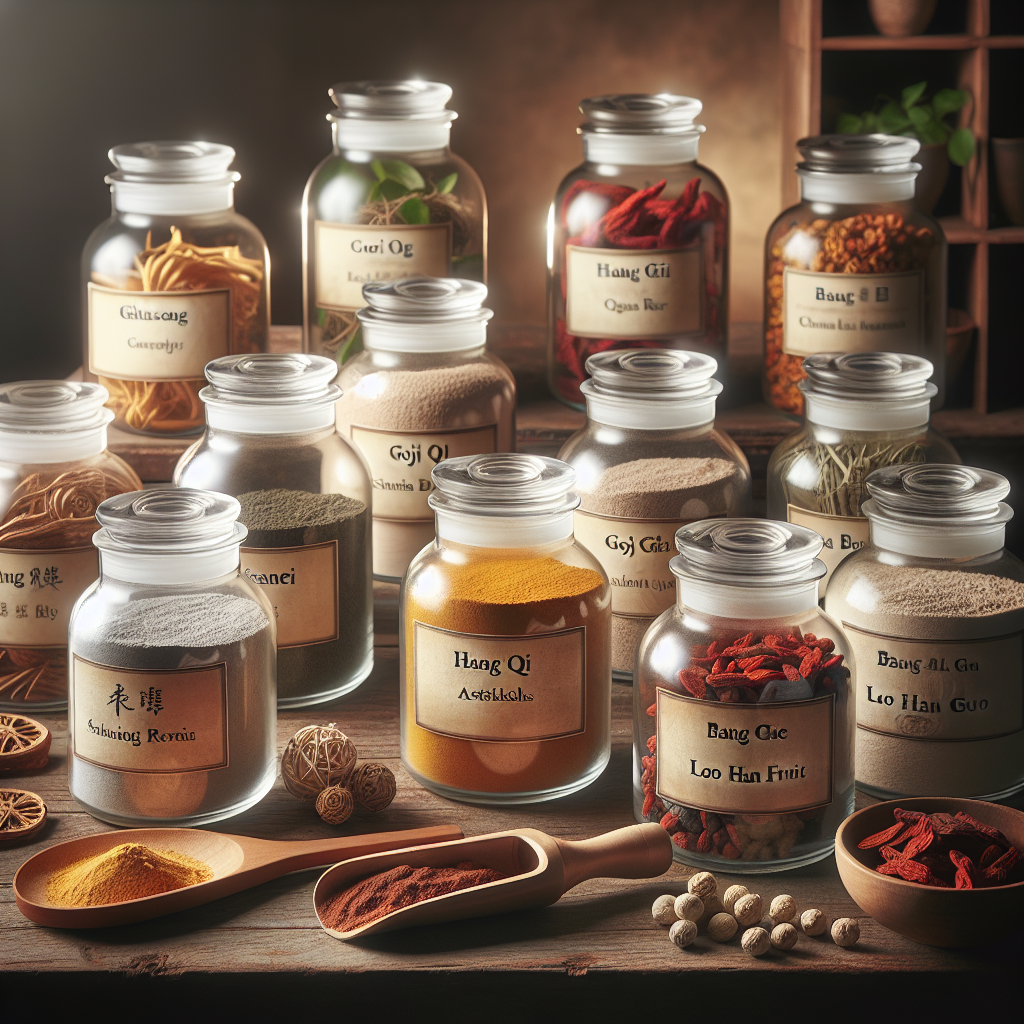
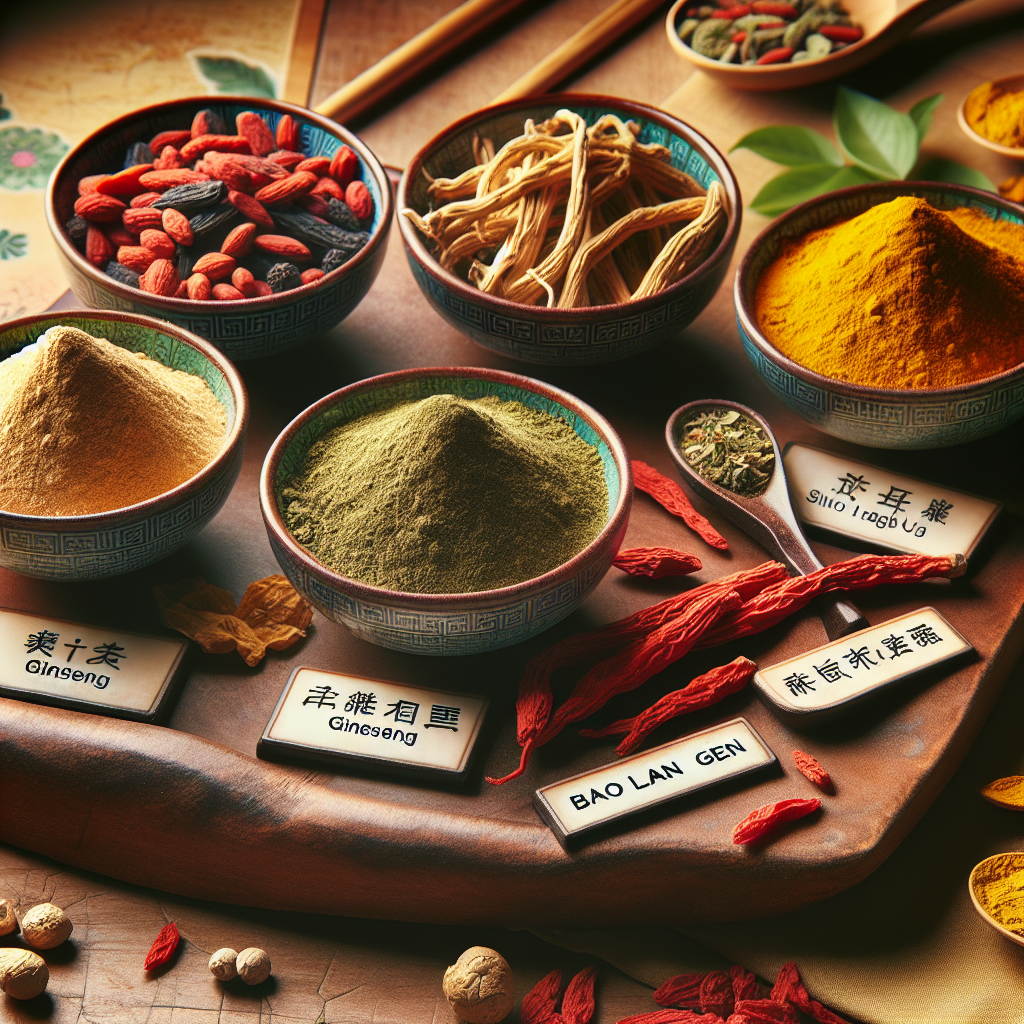
What Are Herbal Powders?An herbal powder is made by grinding dried roots, seeds, fruits, barks, or flowers into fine particles. This makes them:
Easy to measure and use
Faster to absorb than whole herbs
Flexible for oral, topical, or blended applications
Whole herbs → best for decoctions (long simmering).
Powders → convenient, fast, versatile.
Extract powders (5:1, 10:1) → more concentrated, smaller doses needed.
Capsules/Teapills → pre-measured and travel-friendly.
See comparison chart below →
| Form | Pros | Cons | Best Use |
|---|---|---|---|
| Powders | Quick prep, versatile, oral or topical | Shorter shelf life, taste can be bitter | Busy lifestyles, poultices, smoothies |
| Whole Herbs | Traditional, deeper extraction | Time-consuming, strong taste | Classic decoctions |
| Extract Powders (5:1) | Potent, small dose | More expensive | Targeted health goals |
| Capsules / Teapills | Convenient, portable | Fixed dose, less flexible | Travel, daily maintenance |
Quick daily use → mix into tea, smoothies, or warm water.
Topical support → poultices and compresses for swelling, pain, or skin irritation.
Custom blends → combine easily with other herbs for a personalized formula.
On-the-go convenience → no simmering required.
⚠️ Powders are not always the best option for dense roots or minerals—decoctions work better there.
Stir 1–3 grams into warm water or tea, once or twice daily.
Blend into smoothies to mask bitter flavors.
Mix with honey or ghee for traditional pastes.
⚠️ Always follow the recommended dosage per herb.
A poultice is a paste applied to the skin to draw out heat or soothe irritation.
Steps:
Mix 1–3 tablespoons of powder with warm water (or vinegar/wine, if recommended).
Spread onto cloth or gauze.
Apply to skin for 20–30 minutes.
Rinse thoroughly.
Popular poultice powders: Ginger, Huang Qin, Ban Lan Gen.
A compress uses heat and moisture to deliver herbal benefits.
Steps:
Place 2–4 tablespoons of powder in a muslin bag.
Steep in hot water for 5–10 minutes.
Soak cloth in the liquid, wring, and apply warm.
Reapply as needed for 15–20 minutes.
Best for: sore muscles, congestion, menstrual cramps.
❌ Don’t store in the fridge → moisture ruins powders.
❌ Don’t overdose → more is not better.
❌ Don’t apply to broken skin.
❌ Don’t assume all powders act the same (warming vs. cooling).
How to Store Herbal Powders ProperlyStore in a cool, dark, dry place.
Use airtight glass jars (not plastic).
Label jars with herb name + purchase date.
Shelf life: 1–2 years.
In TCM:
Quick absorption → faster Qi regulation.
Versatile → supports digestion, circulation, balance.
Science Confirms:
Ginger powder → aids digestion/circulation (PubMed 23717148).
Turmeric powder → anti-inflammatory (PubMed 21125030).
Cinnamon powder → helps blood sugar (PubMed 19428642).
Q: Are powders stronger than decoctions?
A: Powders are faster but decoctions extract more compounds.
Q: Can I cook with powders?
A: Yes, but note the difference between culinary use and medicinal dosing.
Q: Do powders lose potency over time?
A: Yes—after 1–2 years. Proper storage is key.
Q: Are powders safe for pregnancy or children?
A: Some are, but always confirm with a qualified practitioner.
Q: Can I make powders at home?
A: Yes, but consistency and safety are better in lab-tested powders.
Powdered herbs go back to the Han Dynasty, where they were blended into pastes, teas, and plasters. In Ayurveda, powders (churna) were a standard form. Their portability and flexibility made them essential for traveling healers—centuries before capsules existed.
⭐ “The ginger powder was perfect for tea—fresh, potent, and easy to use.” – Sally C. Verified Buyer
⭐ “I made a turmeric-honey paste for my joints and noticed a difference in a week.” – Jessie P W. Customer Review
⭐ “Love the storage chart! Finally I know how to keep my powders fresh.” – Eddie H. Newsletter Subscriber
When you choose 1st Chinese Herbs, you get:
✅ Third-party tested for purity & potency
✅ GMP-certified production
✅ Harvest year & origin listed
✅ 30-day satisfaction guarantee
✅ Secure checkout + free U.S. shipping $40+
Batch testing reports are available upon request.
Family-owned since 1994
30+ years of herbal expertise
Recommended by holistic practitioners nationwide
Transparent sourcing + lab results
Thousands of repeat customers
Herbal powders are fast, flexible, and effective—when used correctly. From teas to poultices, they let you bring traditional Chinese herbal wisdom into everyday life with ease.
Author: Sarah Aries, Holistic Herbalist (M.S. Holistic Healing)
Last Updated: September 18, 2025