

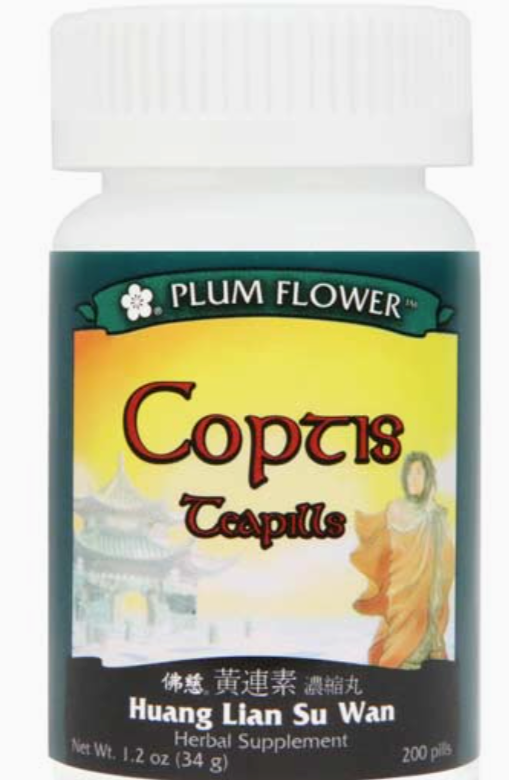
Coptis – Huang Lian Su Wan – Plum Flower Teapills – 200 Pills
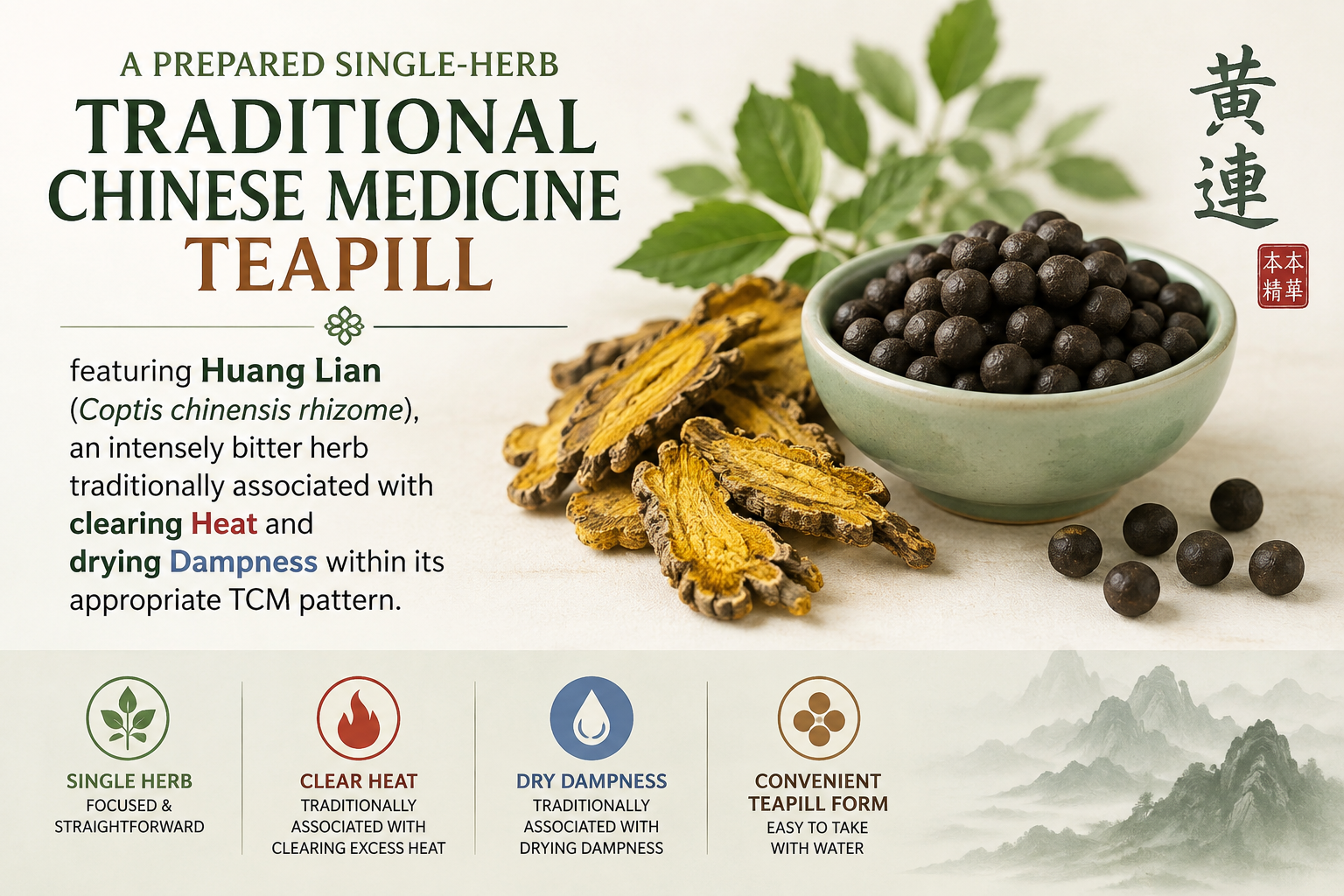
A prepared single-herb Traditional Chinese Medicine teapill featuring Huang Lian (Coptis chinensis rhizome), an intensely bitter herb traditionally associated with clearing Heat and drying Dampness within its appropriate TCM pattern.
Some Chinese herbal products contain complex combinations of ten or more herbs. Huang Lian Su Wan takes a much more focused approach. Its herbal ingredient is Coptis chinensis rhizome, known in Chinese herbalism as Huang Lian.
Huang Lian has a long history of use in Traditional Chinese Medicine and is traditionally described as bitter and cold. Within TCM theory, it is associated with patterns involving excess Heat and Damp-Heat.
Important: Heat and Damp-Heat on this page describe traditional Chinese medicine patterns. They are not references to body temperature, infection, inflammation or a Western medical diagnosis.
What Is Huang Lian Su Wan?
Huang Lian Su Wan is a prepared Chinese herbal teapill product featuring Huang Lian (Coptis chinensis rhizome).
Unlike multi-herb formulas, this product allows Huang Lian to remain the central herbal ingredient.
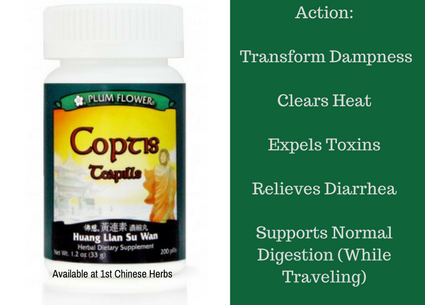
In Traditional Chinese Medicine, Huang Lian belongs to a category of herbs traditionally described as clearing Heat and drying Dampness. It is particularly known for its strong bitter character and traditionally cooling nature.
This makes understanding the traditional pattern especially important. Huang Lian is not simply a general-purpose herb for anyone who feels unwell.
 Product Details at a Glance
Traditional Name: Huang Lian Su Wan
Chinese Name: 黃連素丸
Also Known As: Compound Coptis Pills
Brand: Plum Flower
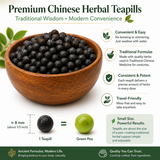
Form: Prepared Chinese herbal teapills
Bottle Size: 200 teapills
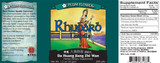
Herbal Ingredient: Coptis chinensis rhizome
Pin Yin: Huang Lian
Label Directions: 4 teapills, 3 times daily
Approximate Supply: Approximately 16 days when used at the standard label directions
Preparation Required: None — swallow the prepared teapills with water
What's in Coptis Huang Lian Su Wan?
| Pin Yin | Botanical Ingredient | Traditional TCM Role |
|---|---|---|
| Huang Lian | Coptis chinensis rhizome | Traditionally associated with clearing Heat and drying Dampness within appropriate TCM patterns. |
Other Ingredients: Maltose, microcrystalline cellulose, hydrated magnesium silicate, activated carbon and China wax.
Why Is Huang Lian Such a Distinctive Chinese Herb?
If you have ever encountered Huang Lian as a bulk herb, one characteristic is difficult to miss: it is extremely bitter.
That bitterness isn't just a flavor description. Traditional Chinese herbal theory classifies herbs according to characteristics that include taste and traditional energetic nature.
Huang Lian is traditionally described as:
- Taste: Bitter
- Traditional nature: Cold
- Traditional category: Herbs that clear Heat and dry Dampness
These descriptions belong to the Traditional Chinese Medicine system and should not be interpreted as Western pharmacological or medical classifications.
What Does “Clear Heat and Dry Dampness” Mean?
This is one of the most important things to understand when considering Huang Lian.
In everyday English, the words heat and dampness have very different meanings from the way they are used in Traditional Chinese Medicine.
TCM Heat does not simply mean having a fever or an elevated body temperature.
Likewise, TCM Dampness does not literally mean excess water in the body.
Heat, Dampness and Damp-Heat are traditional pattern concepts used by practitioners to describe relationships among groups of observations within the TCM diagnostic framework.
When Huang Lian is described as traditionally clearing Heat or drying Dampness, those statements refer specifically to this traditional system.
 What Is a Traditional Damp-Heat Pattern?
Traditional Chinese Medicine does not normally select herbs from one symptom alone. Instead, practitioners look for a broader pattern.
One such traditional pattern is called Damp-Heat.
Within TCM theory, this represents a combination of two traditional concepts — Dampness and Heat — occurring together.
Huang Lian is one of the classic bitter, cold herbs traditionally associated with this type of excess pattern.
However, the presence of one symptom that someone associates with “Heat” does not automatically mean Huang Lian is the appropriate herb.
The complete traditional pattern matters.
Is Huang Lian the Same Thing as Berberine?
No. This distinction is important.
Huang Lian is the Chinese herbal name for Coptis chinensis rhizome. Coptis naturally contains numerous plant constituents, including alkaloids such as berberine.
Berberine is an isolated plant constituent that has become widely researched and is also sold separately in standardized dietary supplements.
Huang Lian should therefore not automatically be considered equivalent to a standardized berberine supplement.
The amount of berberine or other individual constituents in this particular product should not be assumed unless specifically established by the manufacturer or appropriate product testing.
 Why Choose Huang Lian in Teapill Form?
Huang Lian is famously bitter. Preparing the raw herb traditionally can therefore produce an extremely bitter herbal decoction.
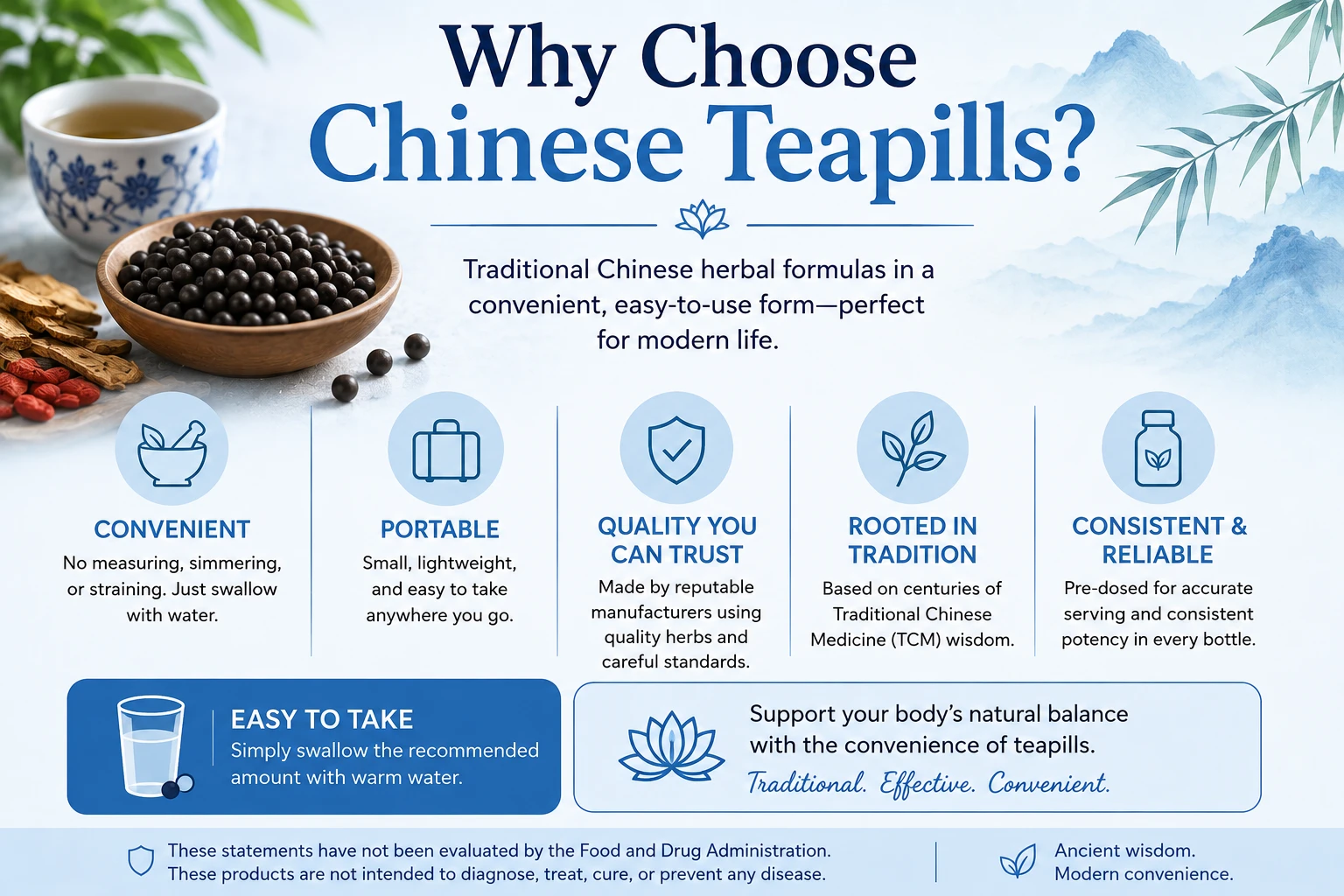
These Plum Flower teapills provide Huang Lian in a prepared form that can simply be swallowed with water.
There is no daily brewing, simmering or straining required.
For customers already familiar with Huang Lian and its appropriate traditional TCM pattern, the teapill format provides a straightforward way to use this classic Chinese herb.
How Do I Take Coptis Huang Lian Su Wan?
The label directions are 4 teapills, 3 times per day.
That equals 12 teapills per day. At the standard label directions, a 200-count bottle provides approximately 16 days of use.
Swallow the teapills with water and follow the product label unless an appropriate healthcare professional or qualified Traditional Chinese Medicine practitioner has provided individualized guidance.
Important Safety Information
Huang Lian is a strongly bitter, traditionally cold herb and is not appropriate for every TCM pattern.
Consult an appropriate healthcare professional before using Huang Lian Su Wan if you are pregnant or nursing, take prescription medications, have a medical condition, or are uncertain whether this product is appropriate for you.
Coptis naturally contains a variety of plant constituents, including berberine and related alkaloids. If you take prescription medications, consult an appropriate healthcare professional before using this product.
Do not use TCM terms such as Heat, Dampness or Damp-Heat as substitutes for medical evaluation or diagnosis.
Seek appropriate medical evaluation for new, severe, persistent or unexplained symptoms.
Frequently Asked Questions About Huang Lian Su Wan
What is Huang Lian?
Huang Lian is the Pin Yin name commonly used in Chinese herbalism for Coptis rhizome. The herbal ingredient in this product is Coptis chinensis rhizome.
Is this a multi-herb Chinese formula?
No. The listed herbal ingredient is Coptis chinensis rhizome (Huang Lian).
What is Huang Lian traditionally used for in TCM?
Within Traditional Chinese Medicine, Huang Lian is a bitter, traditionally cold herb associated with clearing Heat and drying Dampness within appropriate TCM patterns.
Does “clearing Heat” mean lowering a fever?
No. Heat in this context is a Traditional Chinese Medicine pattern concept and should not be interpreted as a claim that this product lowers body temperature or treats a medical condition.
Is Huang Lian the same as berberine?
No. Huang Lian is Coptis rhizome, a whole botanical material containing numerous naturally occurring plant constituents. Berberine is one of the alkaloids found in Coptis. This product should not be assumed to contain the same amount of berberine as a standardized berberine supplement.
Why use Huang Lian as a teapill?
Huang Lian is intensely bitter. Prepared teapills can be swallowed with water without preparing and drinking a traditional bitter herbal decoction.
How many Huang Lian Su Wan teapills do I take?
The label directions are 4 teapills, 3 times per day.
How long does a 200-count bottle last?
At the standard label directions of 12 teapills per day, a 200-count bottle provides approximately 16 days of use.
Understanding Huang Lian Before You Choose It
Huang Lian stands apart from many Chinese herbal products because of its simplicity and its distinctive traditional characteristics.
Rather than combining numerous herbs, this product centers on Coptis chinensis rhizome — Huang Lian, one of the classic bitter and traditionally cold herbs of Chinese herbalism.
For customers comparing Chinese herbal products, the most important consideration is not simply whether Huang Lian is a well-known herb, but whether its traditional characteristics correspond to the appropriate TCM pattern.
When comparing products, consider the botanical ingredient, traditional pattern, dosage, cautions and preparation rather than choosing an herb based on one symptom alone.
PubMed Research & Further Reading
Coptidis Rhizoma (Huang Lian) Research
Coptidis Rhizoma Constituents and Research
Coptis chinensis Research Review
Research note: These PubMed articles are provided for educational purposes. Research involving Coptis chinensis, its naturally occurring constituents, extracts or other preparations does not establish that Coptis Huang Lian Su Wan Teapills diagnose, treat, cure or prevent any disease.
Traditional Use & FDA Disclaimer
References to Heat, Dampness, Damp-Heat and other pattern terminology on this page describe concepts within Traditional Chinese Medicine. They are not Western medical diagnoses.
These statements have not been evaluated by the Food and Drug Administration. This product is not intended to diagnose, treat, cure, or prevent any disease.