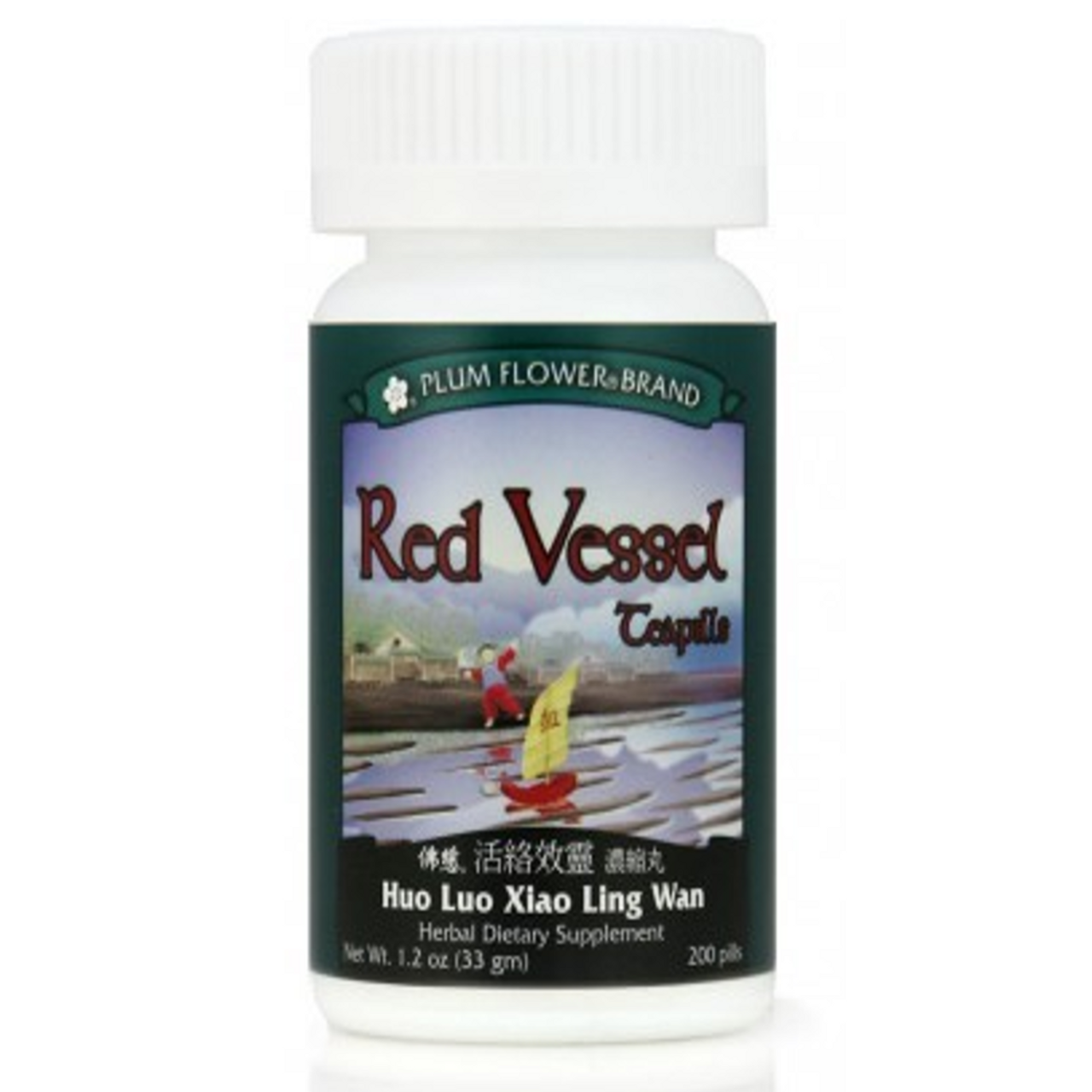


Red Vessel Teapills – Huo Luo Xiao Ling Wan – 200 Pills – Plum Flower
A traditional four-herb Chinese formula for invigorating Blood, dispelling Blood Stasis, and supporting the free movement of Qi and Blood through the channels and collaterals.
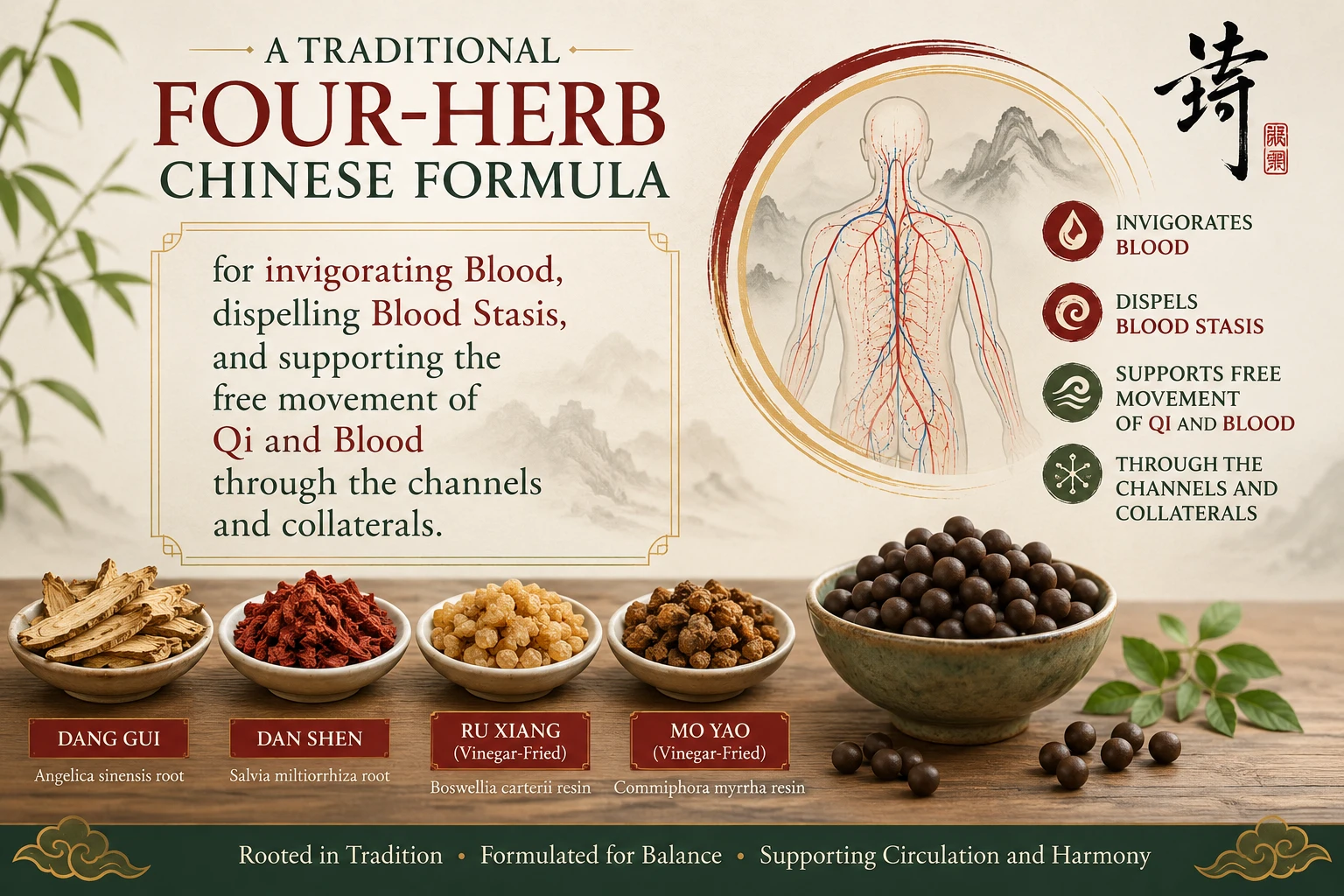
Do you recognize a traditional pattern described as fixed discomfort, areas that feel stuck or stubborn, or discomfort associated in Traditional Chinese Medicine with Blood Stasis? Huo Luo Xiao Ling Wan is a remarkably focused formula containing only four traditional herbs.
Known as Red Vessel Teapills, Huo Luo Xiao Ling Wan combines Dang Gui and Dan Shen with the aromatic resins Ru Xiang and Mo Yao. Traditionally, these herbs are used together when the TCM strategy calls for invigorating Blood, dispelling Blood Stasis, and opening the channels and collaterals.
This is not a general-purpose formula for every type of discomfort. Its traditional use is tied to a specific TCM pattern, which is why understanding the pattern is more useful than choosing a formula based on one symptom alone.
What Is Huo Luo Xiao Ling Wan?
Huo Luo Xiao Ling Wan (活絡效靈丸) is a traditional Chinese herbal formula also known as Huo Luo Xiao Ling Dan and translated as Fantastically Effective Pills to Invigorate the Collaterals.
The name gives an important clue to the traditional purpose of the formula. In Traditional Chinese Medicine, the channels and collaterals describe pathways through which Qi and Blood are traditionally understood to circulate.
When the traditional pattern involves Blood Stasis and impaired movement through these pathways, the TCM strategy may focus on invigorating Blood and opening the collaterals.
What makes Red Vessel particularly interesting is its simplicity. Rather than containing a long list of herbs, the formula combines just four: Dang Gui, Dan Shen, Ru Xiang and Mo Yao.
 Product Details at a Glance
Traditional Name: Huo Luo Xiao Ling Wan (活絡效靈丸)
Also Known As: Huo Luo Xiao Ling Dan; Fantastically Effective Pills to Invigorate the Collaterals
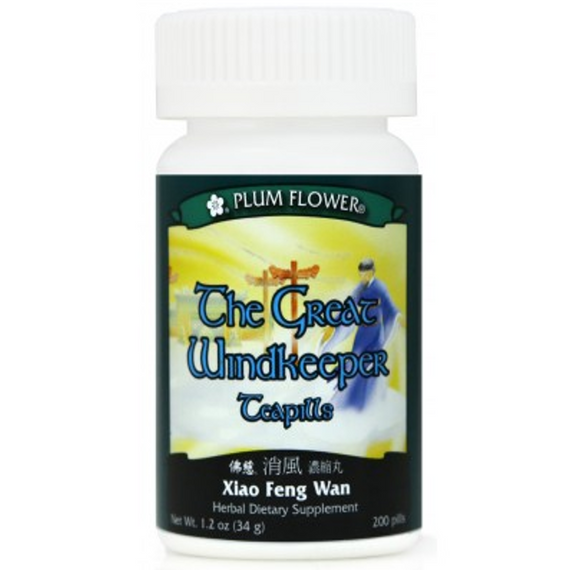
English Product Name: Red Vessel Teapills
Brand: Plum Flower
Form: Prepared Chinese herbal teapills
Bottle Size: 200 teapills
Formula Size: 4 traditional herbal ingredients
Label Directions: 8 teapills, 3 times daily
Approximate Supply: Approximately 8 days when taking 24 teapills per day
Origin: China
Preparation Required: None — swallow the prepared teapills with water
What's in Red Vessel Huo Luo Xiao Ling Wan?
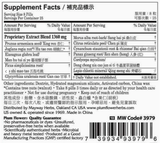
The manufacturer's current formula contains four traditional ingredients:
| Pin Yin | Botanical Ingredient | Traditional Role in the Formula |
|---|---|---|
| Dang Gui | Angelica sinensis root | Traditionally used to nourish and invigorate Blood and support harmonious Blood circulation. |
| Dan Shen | Salvia miltiorrhiza root | Traditionally used to invigorate Blood and dispel Blood Stasis. |
| Ru Xiang (Cu) | Boswellia carterii resin (vinegar-fried) | Traditionally used to invigorate Blood and Qi and help open the channels and collaterals. |
| Mo Yao (Cu) | Commiphora myrrha resin (vinegar-fried) | Traditionally used to invigorate Blood and dispel Blood Stasis while supporting movement through the channels. |
Other Ingredients: Microcrystalline cellulose, hydrated magnesium silicate, maltose, activated carbon, and China wax.
Why Are These Four Herbs Used Together?
Huo Luo Xiao Ling Wan is a good example of how a relatively small traditional formula can have a very specific focus.
Dang Gui contributes a nourishing as well as Blood-invigorating quality. This helps distinguish the formula from an approach focused solely on strongly moving Blood.
Dan Shen reinforces the traditional strategy of invigorating Blood and addressing Blood Stasis.
Ru Xiang and Mo Yao are two aromatic resins frequently paired in Chinese herbal formulas. Traditionally, the combination is valued for promoting movement of Qi and Blood and opening areas described in TCM as obstructed or stagnant.
Together, the four herbs create a formula traditionally centered on:
- Invigorating Blood
- Dispelling Blood Stasis
- Supporting the movement of Qi and Blood
- Opening the channels and collaterals
What Does “Blood Stasis” Mean in Traditional Chinese Medicine?
Blood Stasis is a Traditional Chinese Medicine pattern. It is not the same thing as a Western medical diagnosis involving a blood clot, blocked artery or circulation disorder.
Within TCM theory, healthy Blood should circulate smoothly. When that movement is considered impaired or obstructed, practitioners may describe the traditional pattern as Blood Stasis.
Traditional descriptions may include characteristics such as discomfort that is fixed, persistent or located in a specific area, but no single characteristic establishes the pattern.
A practitioner considers the complete presentation before deciding whether Blood Stasis is actually present.
What Are the Channels and Collaterals?
The word “collaterals” in the translated name can sound confusing if you are new to Chinese medicine.
In Traditional Chinese Medicine theory, the Jing Luo, often translated as channels and collaterals, form a traditional network through which Qi and Blood are understood to circulate.
When a formula is traditionally described as “opening” or “invigorating the collaterals,” this refers to this TCM framework. It should not be interpreted as a claim that the product opens blocked blood vessels or arteries.
That distinction is especially important with formulas involving the traditional concept of Blood Stasis.
 Is Red Vessel the Right Traditional Pattern?
Before choosing Huo Luo Xiao Ling Wan simply because you are uncomfortable somewhere, look at the complete traditional description.
Ask yourself whether you are exploring a formula specifically because a practitioner has identified—or you are learning about—a traditional pattern involving Blood Stasis and obstruction of the channels or collaterals.
If your presentation instead fits a traditional pattern involving Cold, deficiency, Heat, Dampness, Wind or another TCM mechanism, a different formula may traditionally be considered.
The symptom alone does not choose the teapill. The traditional pattern does.
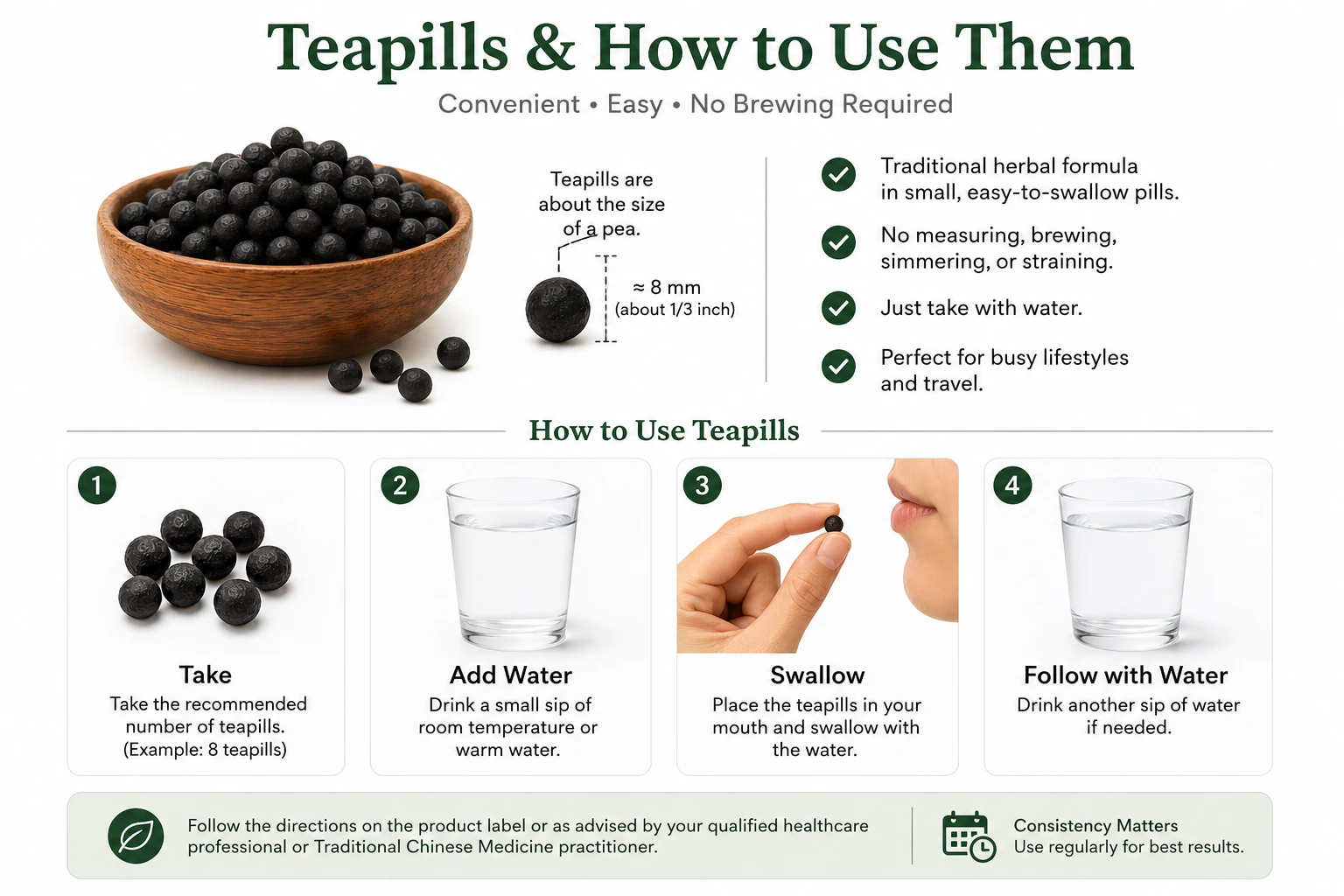
Why Teapills & How Do I Use Them?
Red Vessel is supplied as small prepared teapills, making the traditional formula straightforward to use without preparing an herbal tea or decoction.
The manufacturer's standard dosage is 8 teapills, 3 times per day. Swallow the teapills with water according to the product directions.
At the standard dosage of 24 teapills per day, one 200-count bottle provides approximately 8 days of use.
Follow the product label unless your qualified healthcare professional or Traditional Chinese Medicine practitioner has provided different instructions.
Important Safety Information
Pregnancy: The manufacturer states that Huo Luo Xiao Ling Wan is contraindicated during pregnancy.
Because this is a traditional Blood-invigorating formula containing herbs such as Dang Gui, Dan Shen, Ru Xiang and Mo Yao, speak with an appropriate healthcare professional before use if you take prescription medications, particularly medications affecting bleeding or clotting, or if you have a bleeding disorder or are preparing for surgery.
Do not use a traditional Blood Stasis formula as a substitute for evaluation of new, severe, unexplained or persistent pain or other concerning symptoms.
Frequently Asked Questions About Red Vessel Teapills
What is Huo Luo Xiao Ling Wan traditionally used for?
Within Traditional Chinese Medicine, Huo Luo Xiao Ling Wan is traditionally used in patterns involving Blood Stasis and obstruction of the channels and collaterals. Traditional actions include invigorating Blood, dispelling Blood Stasis and opening the collaterals.
Is Huo Luo Xiao Ling Wan the same as Huo Luo Xiao Ling Dan?
Huo Luo Xiao Ling Wan and Huo Luo Xiao Ling Dan are names associated with the same traditional formula family. This Plum Flower prepared teapill product is sold as Red Vessel Teapills – Huo Luo Xiao Ling Wan.
How many herbs are in Red Vessel Teapills?
The current manufacturer's formula contains four herbal ingredients: Dang Gui, Dan Shen, Ru Xiang and Mo Yao.
How many Red Vessel teapills do I take?
The manufacturer's standard dosage is 8 pills, 3 times per day. Follow the product label and consult an appropriate healthcare practitioner when individual guidance is needed.
How long does one 200-count bottle last?
At the manufacturer's standard dosage of 24 teapills per day, a 200-count bottle provides approximately 8 days.
Can Red Vessel Teapills be used during pregnancy?
No. The manufacturer's current contraindication states that this formula is contraindicated during pregnancy.
Does “Blood Stasis” mean I have a blood clot?
No. Blood Stasis is terminology from Traditional Chinese Medicine and should not be interpreted as a diagnosis of a blood clot, blocked artery or other Western medical condition. Suspected blood clots or other acute circulatory problems require prompt medical evaluation.
Red Vessel: A Focused Four-Herb Traditional Formula
Huo Luo Xiao Ling Wan stands out because its traditional strategy is delivered through only four herbs: Dang Gui, Dan Shen, Ru Xiang and Mo Yao.
For someone specifically researching the TCM concept of Blood Stasis and obstruction of the channels and collaterals, Red Vessel provides a convenient prepared form of this classic traditional herbal combination.
Before purchasing, compare the complete traditional pattern with your circumstances, review the ingredients and safety information, and seek professional guidance when appropriate.
References and Research
- Dan Shen (Salvia miltiorrhiza) – Traditional Uses, Chemistry & Pharmacology
- Dan Shen – Comprehensive Review of Traditional Use & Pharmacology
- Dang Gui (Angelica sinensis) – Traditional Uses & Research Review
- Ru Xiang (Boswellia carterii) – Chemistry & Pharmacological Research Review
- Mo Yao (Commiphora/Myrrh) – Phytochemistry & Pharmacology Review
Traditional Use & FDA Disclaimer
The traditional actions and pattern descriptions on this page are based on Traditional Chinese Medicine terminology and historical herbal use. Terms such as Blood Stasis, Qi, channels and collaterals describe traditional Chinese medicine concepts and are not Western medical diagnoses.
These statements have not been evaluated by the Food and Drug Administration. This product is not intended to diagnose, treat, cure, or prevent any disease.