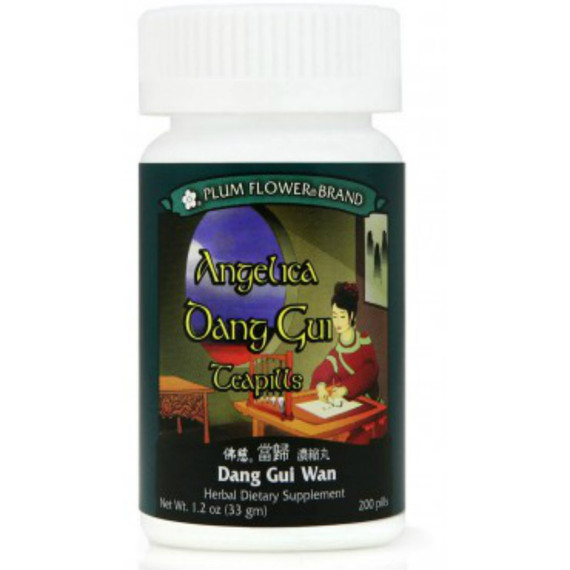


The Great Windkeeper Teapills – Xiao Feng Wan – Plum Flower – 200 Pills
Discover a Classical 13-Ingredient Chinese Herbal Formula Rooted in Centuries of Traditional Herbal Wisdom
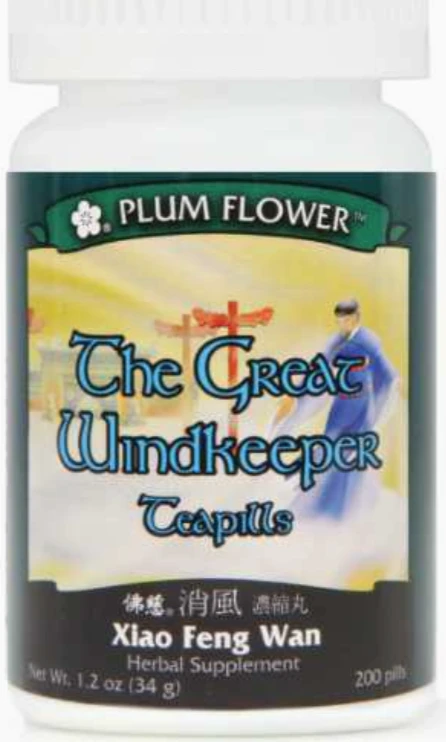
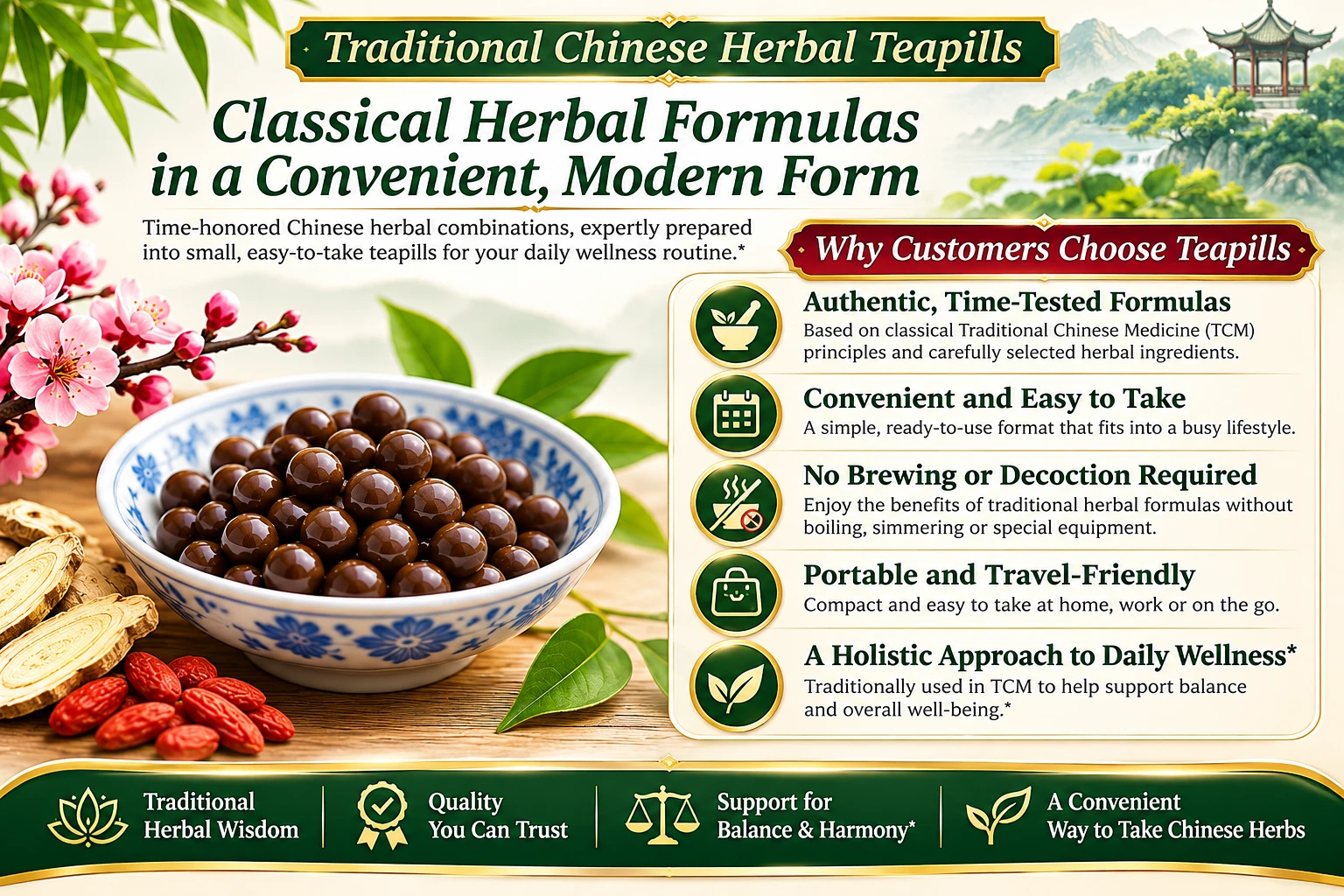
Experience the convenience of a classical Chinese herbal formula without the time-consuming preparation of individual herbs. The Great Windkeeper Teapills (Xiao Feng Wan) by Plum Flower bring together 13 complementary traditional ingredients in one convenient, ready-to-use formula.
Also known as Xiao Feng San, Disperse Wind Pills and Xiao Feng Wan (消風丸), this classical combination reflects the traditional Chinese herbal principles of dispersing Wind, clearing Heat, addressing Dampness and nourishing Blood.
From Fang Feng and Jing Jie to Chinese Angelica Root and Black Sesame Seed, each ingredient contributes a distinct role within traditional Chinese herbal theory.
No weighing individual herbs. No lengthy decoction preparation. No straining. Just a convenient prepared teapill formula.
What Is Xiao Feng Wan?
Xiao Feng Wan (消風丸) is the prepared pill form associated with the classical Chinese herbal formula Xiao Feng San, commonly translated as Eliminate Wind Powder or Disperse Wind Powder.
The formula is associated with the historical Chinese medical text Wai Ke Zheng Zong, traditionally attributed to Chen Shi Gong during the Ming Dynasty.
Its combination of Wind-dispersing, Heat-clearing, Dampness-addressing and Blood-nourishing ingredients illustrates the traditional Chinese approach of combining complementary herbal functions into one formula.
Plum Flower The Great Windkeeper Teapills provide this traditional combination in a prepared bottled format for customers who prefer teapills over loose-herb preparations.
Understanding Wind, Heat and Dampness in Traditional Chinese Medicine
Traditional Chinese Medicine uses concepts such as Wind, Heat, Dampness, Blood and Qi to describe patterns of balance and disharmony.
Wind
Wind is traditionally associated with movement, changing conditions and relationships between the body and its surroundings.
Heat
Heat describes traditional patterns associated with warming and active qualities within the body.
Dampness
Dampness is a traditional concept associated with heaviness, accumulation and the movement of fluids.
Blood
Within TCM, Blood represents nourishing and supportive functions. The traditional concept is broader than the Western medical definition of circulating blood.
These concepts are part of a traditional theoretical system and should not be interpreted as modern medical diagnoses.
Traditional Chinese Herbal Classification of Xiao Feng Wan
Within classical Chinese herbal literature, Xiao Feng San is associated with the following traditional functions:
- Dispersing Wind
- Clearing Heat
- Addressing Dampness
- Cooling Blood
- Nourishing Blood
- Supporting harmony among complementary traditional herbal functions
These classifications describe traditional Chinese herbal theory. They are not claims that this finished product treats medical conditions or produces specific clinical outcomes.
The Great Windkeeper Teapills Product Details
| Product Name | The Great Windkeeper Teapills |
| Pinyin Name | Xiao Feng Wan |
| Alternate Names | Xiao Feng San, Disperse Wind Pills, Eliminate Wind Pills |
| Brand | Plum Flower |
| Package Size | 200 teapills per bottle |
| Form | Small, round prepared teapills |
| Principal Ingredients | 13 traditional ingredients |
| Serving Size | 8 teapills |
| Servings Per Bottle | 25 servings |
| Standard Dosage | 8 teapills, three times daily |
| Origin | China |
| Allergen Information | Contains sesame |
| Animal-Derived Ingredients | Contains naturally shed cicada exoskeleton |
| Pregnancy Precaution | Manufacturer specifies caution during pregnancy |
Xiao Feng Wan Ingredients – Complete 13-Ingredient Chart
Understanding the individual ingredients in a traditional Chinese formula helps customers make informed purchasing decisions. The Great Windkeeper contains botanical, mineral and insect-derived ingredients, each with a distinct traditional classification.
| Pinyin Name | Botanical or Traditional Ingredient | Traditional TCM Function |
|---|---|---|
| Fang Feng | Saposhnikovia divaricata root | Traditionally disperses Wind and addresses Dampness. |
| Ku Shen | Sophora flavescens root | Traditionally clears Heat and dries Dampness. |
| Shi Gao (Duan) | Gypsum fibrosum mineral (toasted) | A mineral ingredient derived from a material traditionally classified as Heat-clearing; processing influences traditional applications. |
| Di Huang (Sheng) | Rehmannia glutinosa root | Traditionally cools Blood and nourishes Yin. |
| Jing Jie | Schizonepeta tenuifolia herb | Traditionally disperses Wind and releases the Exterior. |
| Chan Tui | Cryptotympana pustulata moulting | Traditionally classified as a Wind-dispersing ingredient. |
| Niu Bang Zi (Chao) | Arctium lappa fruit (stir-fried) | Traditionally disperses Wind-Heat. |
| Hei Zhi Ma | Sesamum indicum seed | Traditionally nourishes Yin and Blood. Contains sesame. |
| Zhi Mu (Yan) | Anemarrhena asphodeloides rhizome (salt-fried) | Traditionally clears Heat and nourishes Yin. |
| Dang Gui | Angelica sinensis root | Traditionally nourishes and invigorates Blood. |
| Cang Zhu | Atractylodes lancea rhizome | Traditionally dries Dampness and supports Spleen functions. |
| Mu Tong (San Ye) | Akebia trifoliata stem | Traditionally clears Heat and promotes the movement of fluids. |
| Gan Cao | Glycyrrhiza uralensis root | Traditionally harmonizes herbal combinations and supports Spleen Qi. |
Complete Ingredients
Saposhnikovia divaricata root, Sophora flavescens root, Gypsum fibrosum mineral (toasted), Rehmannia glutinosa root, Schizonepeta tenuifolia herb, Cryptotympana pustulata moulting, Arctium lappa fruit (stir-fried), Sesamum indicum seed, Anemarrhena asphodeloides rhizome (salt-fried), Angelica sinensis root, Atractylodes lancea rhizome, Akebia trifoliata stem, Glycyrrhiza uralensis root.
Ingredients in Pinyin
Fang feng, Ku shen, Shi gao (duan), Di huang (sheng), Jing jie, Chan tui, Niu bang zi (chao), Hei zhi ma, Zhi mu (yan), Dang gui, Cang zhu, Mu tong (san ye), Gan cao.
Other Ingredients
Maltose, hydrated magnesium silicate, activated carbon, China wax.
ALLERGEN INFORMATION: CONTAINS SESAME.
Dietary Information: This formula contains Chan Tui, a cicada-derived ingredient, and is not vegetarian or vegan.
How the 13 Ingredients Work Together in Traditional Herbal Theory
Xiao Feng Wan is more than a collection of individual ingredients. Its traditional formulation brings together several complementary ingredient groups.
Traditional Wind-Dispersing Ingredients
Fang Feng, Jing Jie, Chan Tui and Niu Bang Zi are traditionally associated with dispersing Wind or Wind-Heat. These ingredients help define the classical identity of Xiao Feng San.
Traditional Heat-Clearing Ingredients
Ku Shen, Zhi Mu and the mineral ingredient Shi Gao represent cooling and Heat-clearing aspects of the classical formula, with traditional functions varying according to preparation.
Traditional Dampness-Addressing Ingredients
Cang Zhu, Ku Shen and Mu Tong contribute different traditional approaches to Dampness and fluid movement.
Traditional Blood-Nourishing Ingredients
Dang Gui, Di Huang and Hei Zhi Ma contribute the nourishing and cooling aspects of the traditional formula.
Formula-Harmonizing Ingredient
Gan Cao is traditionally used in Chinese herbal combinations to harmonize the characteristics of other ingredients.
This overview explains the historical formulation strategy rather than demonstrating a proven combined clinical effect.
Why Ingredient Preparation Matters
Traditional Chinese herbal processing, known as Pao Zhi, includes methods such as steaming, heating, toasting and processing with salt.
The Great Windkeeper formula contains several specifically prepared ingredients:
- Shi Gao (Duan): Toasted Gypsum fibrosum mineral.
- Niu Bang Zi (Chao): Stir-fried Arctium lappa fruit.
- Zhi Mu (Yan): Salt-fried Anemarrhena rhizome.
These preparation methods are part of the identity of this particular formula. They should not automatically be interpreted as making a product more effective or safer.
Xiao Feng Wan vs. Other Traditional Chinese Herbal Formulas
Chinese herbal formulas may share individual ingredients or traditional functions while differing considerably in their overall composition and historical classification.
| Formula | Traditional Emphasis | Distinguishing Ingredients |
|---|---|---|
| Xiao Feng San / Xiao Feng Wan | Wind, Heat, Dampness and Blood harmony | Fang Feng, Ku Shen, Chan Tui, Hei Zhi Ma |
| Dang Gui Yin Zi | Nourishing Blood and dispersing Wind | Dang Gui, Bai Shao, He Shou Wu, Fang Feng |
| Long Dan Xie Gan Tang | Clearing traditional Liver and Gallbladder Heat and Damp-Heat | Long Dan Cao, Huang Qin, Zhi Zi |
| Sang Ju Yin | Dispersing Wind-Heat and harmonizing Lung Qi | Sang Ye, Ju Hua, Lian Qiao |
Comparisons describe classical formula characteristics. Commercial preparations may differ in ingredients, proportions and processing. These formulas are not interchangeable. Consult a qualified practitioner for formula selection.
Explore our related traditional formula: Clear Wind Heat Teapills – Sang Ju Yin Wan.
Xiao Feng San Powder vs. Xiao Feng Wan Teapills
Customers searching for Xiao Feng San may encounter loose herbal combinations, powdered extracts, tablets and prepared teapills.
The word San refers historically to a powdered preparation, while Wan refers to a pill preparation.
| Feature | Individual Loose Herbs | Prepared Teapills |
|---|---|---|
| Ingredient sourcing | Multiple separate ingredients | Combined in one preparation |
| Measuring | May require individual weighing | Count according to label directions |
| Preparation | May require grinding, simmering or straining | No brewing required |
| Portability | Multiple packages or prepared liquid | One convenient bottle |
| Preparation equipment | Scale, pot or other equipment | No brewing equipment required |
Prepared teapills, powdered extracts and loose-herb formulas are not necessarily equivalent in strength or dosage.
How to Take The Great Windkeeper Teapills
Manufacturer's Standard Directions
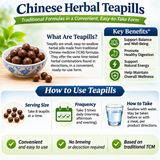
8 Teapills × 3 Times Daily
Swallow with water. No brewing required.
200 Teapills | 25 Servings Per Bottle
Always follow the current product label and your healthcare practitioner's guidance.
- Review the complete ingredient list and allergen information.
- Consult a qualified healthcare practitioner before beginning use.
- Count the teapills according to the current product label.
- Swallow with water.
- Do not exceed labeled directions.
How Long Does One Bottle Last?
At the manufacturer's listed dosage of eight teapills three times daily, one bottle contains approximately eight days of use.
| Bottle Quantity | Total Teapills | Approximate Supply at Labeled Dosage |
|---|---|---|
| 1 bottle | 200 | 8 days |
| 2 bottles | 400 | 16 days |
| 3 bottles | 600 | 25 days |
This table is provided for package-quantity planning only. It does not recommend a treatment duration or continued use.
What to Know Before Purchasing
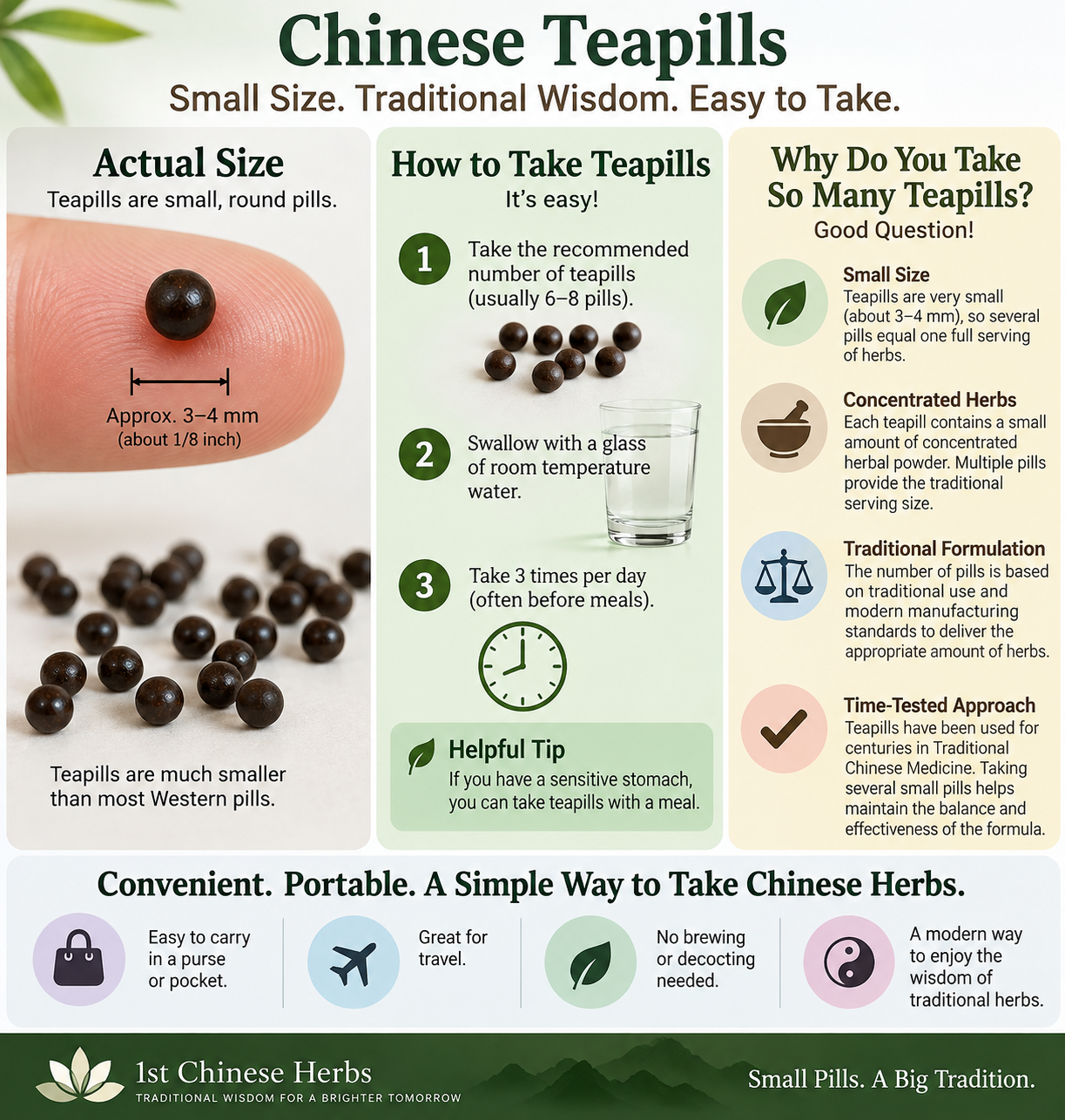
What Do the Teapills Look Like?
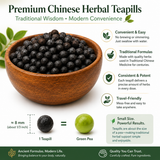
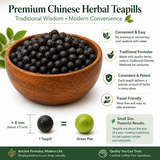
The Great Windkeeper is supplied in a small, round teapill format. Unlike large capsules or loose powders, teapills are counted individually.
Contact us if you require exact pill dimensions or additional information about the current packaging.
What Do Teapills Taste Like?
Traditional Chinese herbal preparations may have earthy or bitter characteristics. Individual experiences vary depending on the ingredients and preparation.
Can Teapills Be Crushed?
Do not crush or alter the preparation unless the manufacturer or your healthcare practitioner confirms that doing so is appropriate. Customers who have difficulty swallowing should ask about suitable alternative preparations.
Should Teapills Be Taken With Food?
Follow the current manufacturer directions. If the label does not specify meal timing, consult your healthcare practitioner or pharmacist, particularly when taking other medications.
How Should Teapills Be Stored?
Keep the bottle securely closed and follow its labeled storage directions. Protect it from excessive heat and moisture and keep it out of reach of children.
What About Product Freshness?
Product dating varies by manufacturing batch. Contact us before ordering if you need the best-before date or lot information for the currently available inventory.
What About Supplement Facts or Ingredient Quantities?
The complete ingredient identities are provided on this page. For the current Supplement Facts panel, ingredient quantities or additional manufacturer documentation, contact us before ordering.
Important Safety Information and Contraindications
CONTAINS SESAME.
The manufacturer specifies caution during pregnancy. As an additional precaution, avoid use during pregnancy or breastfeeding unless specifically approved by a qualified healthcare professional.
- Sesame Allergy: Do not use this product if you are allergic to sesame.
- Insect-Derived Ingredient: Contains Chan Tui, a cicada moulting. Consult a healthcare professional if you have relevant insect or arthropod allergies.
- Licorice Root: May affect blood pressure, potassium levels and fluid balance.
- Chinese Angelica Root: Dang Gui may present medication-interaction concerns, particularly with anticoagulant or antiplatelet medications.
- Ku Shen: Sophora flavescens contains biologically active alkaloids. Do not combine it with other concentrated Sophora preparations without professional guidance.
- Kidney, Heart or Liver Conditions: Consult a healthcare professional before using this formula.
- Prescription Medications: Discuss possible interactions with your pharmacist, particularly if taking blood pressure medicines, diuretics, corticosteroids, digoxin or blood-thinning medications.
- Upcoming Surgery: Tell your surgical team about all herbal supplements you use.
- Children: Keep out of reach of children. Do not administer without appropriate professional guidance.
- Combining Formulas: Review overlapping ingredients before taking multiple Chinese herbal formulas.
Discontinue use if you experience an adverse reaction. Seek immediate medical attention for difficulty breathing, swelling of the tongue or throat, or other signs of a serious allergic reaction.
Persistent or unexplained physical symptoms should be evaluated by a qualified healthcare professional rather than self-treated with herbal supplements.
Product Quality, Authenticity and Transparency
When purchasing a traditional Chinese herbal formula, the identity of its ingredients, preparation methods and manufacturing information matter.
At 1st Chinese Herbs, we believe customers should have access to meaningful product information before placing an order.
Our Great Windkeeper Teapills listing provides:
- The original Plum Flower brand identification.
- Complete botanical and Pinyin ingredient names.
- Identification of mineral and insect-derived ingredients.
- Manufacturer-specified ingredient processing methods.
- Updated additional ingredients.
- Sesame allergen disclosure.
- Current manufacturer-listed serving directions.
- Important product-specific safety information.
Laboratory Testing and Manufacturer Documentation
Quality documentation is particularly important when purchasing complex traditional herbal formulas containing botanical, mineral and animal-derived ingredients.
Customers interested in botanical authentication, heavy-metal screening, pesticide testing, microbial testing, sulfur treatment or other manufacturing quality information are welcome to contact us regarding the availability of manufacturer documentation.
Testing information should be interpreted according to its specific product, lot, testing method and applicable standards.
Ingredient transparency. Informed purchasing. Respect for traditional herbal knowledge.
Why Buy The Great Windkeeper from 1st Chinese Herbs?
Since 1994, 1st Chinese Herbs has helped customers discover traditional Chinese herbs, prepared herbal formulas, teapills and botanical products.
- Family-Owned Business: Serving herbal customers since 1994.
- Established Herbal Brands: Shop recognized brands including Plum Flower.
- Detailed Product Information: Understand the ingredients before purchasing.
- Personal Customer Service: Contact us with product and ordering questions.
- Convenient Online Shopping: Purchase directly through our website.
- Washington State Fulfillment: Orders are shipped from Washington State.
Shipping and Product Availability
Check the current product availability displayed on this page. Available shipping options and applicable charges are provided during checkout.
Need this formula by a particular date? Contact us before ordering to discuss current availability and shipping options.
Ready to explore the convenience of a prepared classical Chinese herbal formula? Shop Plum Flower The Great Windkeeper Teapills today.
Frequently Asked Questions About The Great Windkeeper Teapills
What are The Great Windkeeper Teapills?
The Great Windkeeper is a traditional Chinese herbal formula known as Xiao Feng Wan. The Plum Flower preparation contains 13 principal ingredients in a 200-teapill bottle.
What is the difference between Xiao Feng San and Xiao Feng Wan?
San refers historically to a powdered preparation, while Wan refers to a pill preparation. Their formula names are related, but commercial preparations may differ in strength and composition.
What are the traditional functions of Xiao Feng Wan?
Within traditional Chinese herbal theory, the formula is associated with dispersing Wind, clearing Heat, addressing Dampness and cooling or nourishing Blood.
Is The Great Windkeeper vegetarian or vegan?
No. The formula contains Chan Tui, an insect-derived ingredient.
Does Xiao Feng Wan contain a mineral ingredient?
Yes. It contains toasted Gypsum fibrosum, known in Pinyin as Shi Gao (Duan).
Can I crush The Great Windkeeper Teapills?
Do not crush or modify the teapills unless the manufacturer or a qualified healthcare practitioner confirms that doing so is appropriate.
Should Xiao Feng Wan be taken with food?
Follow the current manufacturer directions and consult your healthcare practitioner or pharmacist if meal timing is not specified.
How large are The Great Windkeeper Teapills?
They are supplied in a small, round teapill format. Contact us for exact measurements of the current preparation.
Can I take Xiao Feng Wan during pregnancy?
The manufacturer specifies caution during pregnancy. Avoid use unless specifically approved by a qualified healthcare professional.
Can I take The Great Windkeeper while breastfeeding?
Avoid use unless approved by a qualified healthcare professional because breastfeeding safety has not been established.
Can I combine Xiao Feng Wan with other herbal formulas?
Consult a qualified practitioner to review overlapping ingredients, potential interactions and the suitability of combining formulas.
Can I take Xiao Feng Wan with prescription medications?
Consult a pharmacist or healthcare professional before use. Licorice Root and Chinese Angelica warrant particular attention when reviewing possible medication interactions.
Is Xiao Feng Wan the same as Sang Ju Yin Wan?
No. They are distinct classical Chinese herbal formulas with different principal ingredients and traditional classifications.
Where will my order ship from?
Orders are shipped from Washington State, USA. Check checkout for available delivery options and shipping charges.
Manufacturer Information and Scientific Research
We encourage customers to distinguish traditional herbal classifications, manufacturer specifications and modern scientific research.
Research on individual ingredients or differently prepared traditional formulas does not establish the safety or clinical effectiveness of this specific finished product.
Ingredient Safety Research and PubMed References
- Penninkilampi R, Eslick EM, Eslick GD. 2017. Systematic review of licorice consumption, blood pressure and potassium levels. PubMed PMID: 28660884.
- Wu T, Yang J, Xia J, Sun G. 2024. Systematic review and meta-analysis examining licorice constituents and blood pressure. PubMed PMID: 39519602.
- 2023. Comprehensive narrative review of licorice toxicity and associated safety considerations. PubMed PMID: 37764649.
Additional Botanical Research Resources
- Saposhnikovia divaricata botanical constituent research
- Sophora flavescens constituent and safety research
- Rehmannia glutinosa botanical research
- Angelica sinensis medication-interaction research
- Botanical authentication and aristolochic acid safety research
- Sesame allergy research
Individual articles and research database searches are provided for educational and safety information. They do not constitute endorsements of this commercial formula or establish product-specific clinical benefits.
California Proposition 65 Information
Additional California Proposition 65 resources:
- Official California Proposition 65 Website
- California Office of Environmental Health Hazard Assessment
- California Proposition 65 Chemical List
FDA and Educational Disclaimers
FDA Disclaimer: These statements have not been evaluated by the Food and Drug Administration. This product is not intended to diagnose, treat, cure, or prevent any disease.
Educational Disclaimer: Traditional Chinese Medicine information is provided for educational purposes. Traditional classifications are not equivalent to modern medical diagnoses or established clinical outcomes. Always consult a qualified healthcare professional regarding the suitability of herbal supplements.