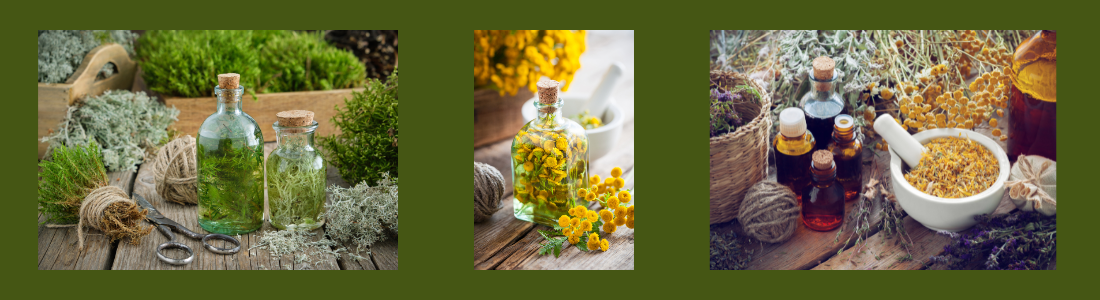
Why Make Your Own Tinctures?

How to Make Herbal Tinctures: Alcohol & Glycerin Methods Explained

Create Your Own Herbal Tinctures: A Simple Guide to Getting Started

How to make a tincture, DIY tinctures, Dried Herb Tinctures,

Are you eager to make your own herbal tinctures at home but feeling overwhelmed by the plethora of conflicting information available online? You're certainly not alone in this experience. At 1st Chinese Herbs, we understand the desire for straightforward guidance that empowers you to create your own herbal remedies safely and effectively.

Whether you’re interested in crafting a potent alcohol extract for a robust herbal experience or prefer a gentle glycerin-based blend that is kinder on your system, this comprehensive guide is here to lead you through the entire process—from selecting your herbs to preparing your tinctures and everything in between.

1. Understanding Tinctures

Herbal tinctures are concentrated extracts made from medicinal plants, allowing you to harness their therapeutic properties in a convenient liquid form. By using solvents such as alcohol or glycerin, tinctures extract the active constituents of the herbs, offering a powerful and accessible means to incorporate herbal medicine into your daily routine.

2. Choosing Your Herbs

The first step in your tincture-making journey is selecting the right herbs for your needs. Consider the specific health benefits you are seeking and choose herbs that align with your goals. Popular options include: - Echinacea: Known for its immune-boosting properties. - Ashwagandha: Valued for its adaptogenic qualities to reduce stress. - Chamomile: Great for promoting relaxation and aiding digestion.

3. Selecting the Right Solvent

Next, you’ll need to decide on the solvent for your tincture. The two most common options are: - Alcohol: A high-proof alcohol (like vodka or brandy) is effective for extracting a wide range of herbal compounds and has a longer shelf life. - Glycerin: A natural, sweet-tasting option that is gentler on the body, making it suitable for children or those who prefer to avoid alcohol.

4. Step-by-Step Process

Crafting your tincture can be a rewarding and straightforward process. Here’s a simplified walkthrough: - Preparation: Start by cleaning and preparing your herbs. Dry them if necessary, and chop them into smaller pieces to maximize extraction. - Mixing: Combine your herbs with your chosen solvent in a clean glass jar. The typical ratio is one part herbs to two parts solvent. - Infusion: Seal the jar and give it a good shake. Store it in a cool, dark place for 4-6 weeks, shaking it gently every few days to encourage extraction. - Straining: After the infusion period, strain the mixture through a fine mesh strainer or cheesecloth. The liquid you collect is your tincture.

5. Storing and Using Your Tinctures

Store your finished tinctures in dark glass bottles to protect them from light, which can degrade their quality. Label each bottle with the herb name and the date of preparation. When it’s time to use your tinctures, start with a small dosage and adjust as needed based on your body's response.

6. Conclusion

Making your own herbal tinctures at home can be a fulfilling way to tap into the healing powers of nature. With clear instructions, safe practices, and thoughtful herbal choices, you can confidently embark on this herbal journey. At 1st Chinese Herbs, we’re here to support you every step of the way, ensuring you have the knowledge and skills to create potent and effective remedies. Embrace the art of tincture-making and take control of your health with these intuitive, herbal solutions.

QUICK SUMMARY

  • Supports: Long-term herbal potency, digestive & immune health, DIY wellness

  • Best For: Herbal beginners, home apothecary builders, budget-conscious users

  • You’ll Learn: How to make alcohol and glycerin tinctures, how to dose, and what herbs to start with

  • How to Use: Daily drops, tea blends, topical use


WHY MAKE A TINCTURE?

Herbal tinctures are potent, concentrated liquid extracts made by soaking herbs in a solvent—typically alcohol or glycerin—to pull out the plant’s active compounds. This method has been used for centuries in Traditional Chinese Medicine (TCM), Western herbalism, and indigenous healing systems to preserve, store, and deliver herbal benefits in a compact and effective form.

Unlike teas or capsules, tinctures offer several major advantages that make them especially ideal for both everyday users and serious herbal enthusiasts:

✅ Fast Absorption

Tinctures are taken sublingually (under the tongue) or diluted in water. Because the active constituents bypass the digestive process and are absorbed directly into the bloodstream, they work faster than most other herbal forms. This makes tinctures ideal for acute situations like calming nerves, relieving pain, boosting immunity, or supporting sleep.

✅ Long Shelf Life

When made with alcohol, tinctures can last 5 years or longer without refrigeration. Glycerin-based tinctures typically last 2–3 years. This means you can build a personalized herbal apothecary that stays viable over time—without worrying about spoilage like you would with fresh teas or decoctions.

✅ Portability and Ease of Use

Tinctures are small, lightweight, and convenient—perfect for travel, work, or keeping in your purse or first aid kit. A few drops in water or directly under the tongue is all it takes, no brewing required. They're a go-to choice for people who want simple, fast herbal support without needing to cook or prepare anything.

✅ Customizable Potency

You can easily adjust the dosage drop by drop to match your needs. Whether you're microdosing adaptogens throughout the day or taking a full dose of anti-viral herbs during flu season, tinctures offer precise and flexible dosing.


✅ WHAT YOU’LL NEED (FOR BOTH METHODS)

Supplies Notes
Dried or fresh herbs Organic & cut/sifted recommended
Alcohol or glycerin See next section for options
Glass jar with lid Amber glass preferred to protect from light
Cheesecloth/strainer For pressing & filtering
Dropper bottles Amber glass with label space
Labels & Black Marker  Recording the ingredients and the date of preparation
**French Press Occasionally used to extract all the liquid from the tincture

How to make your own extracts, what do I need to make an extract ALCOHOL TINCTURE METHOD

Best For: Most adults, long-term preservation, strong medicinal action

Recommended Alcohol:

  • Vodka or Everclear (40–95%)

  • Use 80–95% for roots/barks; 40–60% for leaves/flowers

Basic Ratio:

1 part herb to 5 parts alcohol (adjust based on herb type and potency desired)

Step-by-Step:

  1. Place herbs in glass jar (fill about 1/4 full with dried herb, or 1/2 full with fresh)

  2. Add alcohol until herbs are fully submerged

  3. Label jar with date, herb, and ratio

  4. Shake daily for 2–4 weeks, store in a dark place

  5. Strain through cheesecloth and pour into dropper bottles

Bonus:  Always use at least 40% by volume of an alcohol. The alcohol may be Gin, Vodka, Brandy, or Rum.  Most common is Vodka 


GLYCERIN TINCTURE METHOD (GLYCERITE)

Best For: Kids, pets, alcohol-sensitive users

Recommended Glycerin:

  • Use food-grade vegetable glycerin (60% glycerin to 40% water if diluting)

Step-by-Step:

  1. Place herbs in jar (same proportions as above)

  2. Mix glycerin and water (if needed), then pour over herbs

  3. Label and shake daily for 3–6 weeks

  4. Strain and bottle as above


 ALCOHOL VS. GLYCERIN COMPARISON

Feature Alcohol Tincture Glycerin Tincture
Shelf Life 5+ years 1–2 years
Taste Strong/alcoholic Sweet
Best For Adults, strong roots Children, sensitive users
Solubility Alcohol extracts all Limited for some herbs

DOSING GUIDE

Herb Type Common Dosage (Alcohol) Common Dosage (Glycerin)
Tonic (e.g., Astragalus) 1–2 dropperfuls, 2x/day 2–3 dropperfuls, 2x/day
Relaxing (e.g., Albizzia) 20–40 drops, as needed 30–60 drops, as needed
Adaptogen (e.g., Schisandra) 1 dropperful, 1–2x/day 1.5 dropperfuls, 2x/day

HOW LONG UNTIL RESULTS?

Symptom Type Expected Time to Feel Effects
Mild (digestion, tension) 1–7 days
Chronic patterns 4–6 weeks
Nourishing effects 6–12 weeks

TOP 5 HERBS TO START WITH

  1. Astragalus (Huang Qi) – Boosts energy & immunity

  2. Albizzia Bark (He Huan Pi) – Eases stress, emotional tension

  3. Ginger (Sheng Jiang) – Digestive aid & warming

  4. Reishi (Ling Zhi) – Immune & stress adaptogen

  5. Goji Berries (Gou Qi Zi) – Nourishes blood & vision


COMMON QUESTIONS (FAQ)

Why isn’t this tincture working for me?

  • You may be using the wrong herb for your body pattern (TCM mismatch).

  • Check your form, dosage, or frequency—sometimes extracts work better than cut herb.

Can I use fresh herbs instead of dried?

  • Yes, but use twice as much and adjust for water content.

How do I know it’s still good?

  • Alcohol tinctures last 5+ years. Glycerites last 1–2 years when refrigerated. If mold or smell changes, toss it.

Is it safe for pets or kids?

  • Glycerites are the gentler option. Always consult an herbalist or vet before use.


YOUR NEXT STEP

You’ve got the tools. Now get the herbs.

1st Chinese Herbs offers lab-tested, GMP-certified bulk herbs and extracts.

Shop Herbs Now

 Need guidance? Take our TCM Body Type Quiz

Want formulas instead? Explore top teapill formulas

Download our free Ebook 10 Vital Herbs 


WHO WE ARE

This guide was written by Sarah Aries, Master Herbalist with over 30 years of experience. All products on 1st Chinese Herbs are ethically sourced, 3rd-party tested, and backed by a 100% satisfaction guarantee.

  • Bai Wei cools the blood, clears deficiency heat, promotes urination, relieves toxicity and treats sore. Bai Wei, Cynanchum Atratum Root, Relaxing with a cup of freshly brewed Bai Wei herbal tea
    + Add to Cart The item has been added

    Plum Flower

    Bai Wei Unsulfured Cynanchum Atratum Root Cut 1lb Plum Flower

    Bai Wei (Cynanchum Atratum Root): The Ultimate Guide What is Bai Wei (Cynanchum Atratum Root)? Bai Wei, also known as Cynanchum atratum root, is a highly revered herb in Traditional Chinese Medicine (TCM). Recognized for its cooling and detoxify…

    $72.99
    + Add to Cart The item has been added
  • Hong Jing Tian, unsulfured
Rhodiola crenulata root & rhizome
Sliced root How to brew a tea with rhodiola
    + Add to Cart The item has been added

    Plum Flower

    Hong Jing Tian Rhodiola Root Plum Flower cut 500grams

    Herbal Information on Rhodiola Root in Bulk Cut Form Rhodiola Crenulata: A Comprehensive Overview Introduction: Rhodiola crenulata, also known as "Tibetan rhodiola," is a perennial herb native to the high-altitude regions of Tibet, China, and the...

    $68.99
    + Add to Cart The item has been added
  • Atractylodes Black (Cang Zhu) - Lab Tested Cut Form 1 lb. - Nuherbs Brand.  Bulk Cang Zhu (Black Atractylodes) in cut form for traditional herbal remedies." Cang Zhu (Black Atractylodes) tea for digestion and dampness relief."
    + Add to Cart The item has been added

    NuHerbs Lab Tested

    Atractylodes Rhizome Cut Cang Zhu Nuherbs Lab Tested 1 lb

    Atractylodes): A Key Herb in Traditional Chinese Medicine Cang Zhu, also known as Black Atractylodes Rhizome, is a fundamental herb in Traditional Chinese Medicine (TCM). Renowned for its ability to dispel dampness and strengthen the Spleen, Cang Zhu…

    $93.99
    + Add to Cart The item has been added
  • Huang Jing Unsulfured Different methods of using herbs.
    + Add to Cart The item has been added

    Plum Flower

    Siberian Solomon's Seal (Huang Jing) Cut, Unsulfured 1 lb

    Herbal Information on Solomon's Seal in Cut Form Huang Jing (黄精), also known as Siberian Solomon's Seal or King Solomon's Seal, is a traditional Chinese medicinal herb. It is derived from the rhizomes of the plants Polygonatum sibiricum or Polygonatu…

    $86.99
    + Add to Cart The item has been added
  • Sale
    Dittany Root Bark (Bai Xian Pi) Plum Flower Unsulfured, Dittany Root Bark in bulk form In compress form: "Dittany Root Bark compress applied to the skin, used for treating skin irritations and inflammation.
    + Add to Cart The item has been added

    Plum Flower

    Dittany Root Bark (Bai Xian Pi) Plum Flower Unsulfured

    What is Dittany Root Bark (Bai Xian Pi) in TCM ? In the vast pharmacopeia of Traditional Chinese Medicine (TCM), Dittany Root Bark (Bai Xian Pi) stands as one of the most celebrated herbs for its wide-ranging health benefits. As an ancient remedy, Ba…

    Was: $70.99
    Now: $68.99
    + Add to Cart The item has been added
  • Cynomorium Herb- Suo Yang Cut Unsulfured Suo Yang root – commonly prepared as a herbal decoction in Traditional Chinese Medicine
    + Add to Cart The item has been added

    Plum Flower

    Cynomorium Herb- Suo Yang, Plum Flower brand Cut 1lb

    Herbal Information on Cynomorium Herb in Bulk Cut Form Common Name:  Cynomorium Herb Botanical Name:  Songaria Cynomorium Herb Meridian/Channels: Kidney, Liver, Large Intestine Other Names: CYNOMORIUM FLESHY STEM HERB Pin Yin Name:  S…

    $63.99
    + Add to Cart The item has been added
  • Chinese Paris Rhizome Quan Shen/Cao He Che Plum Flower Cut Form 1 lb. Quan Shen in bulk cut form for traditional herbal use. Quan Shen tea form for warming and nourishing benefits.
    + Add to Cart The item has been added

    Plum Flower

    Chinese Paris Rhizome (Quan Shen/Cao He Che) Plum Flower - cut

    Quan Shen (Polygonum bistorta Rhizome): A Traditional Chinese Herb for Digestive and Respiratory Health What is Quan Shen (Polygonum bistorta Rhizome)? Quan Shen, also known as Bistort Root or Polygonum bistorta rhizome, is a versatile herb in...

    $81.99
    + Add to Cart The item has been added
  • Morinda Root (Ba Ji Tian) Plum Flower Powder 1lb
    + Add to Cart The item has been added

    Plum Flower Powders

    Morinda Root Ba Ji Tian Plum Flower Powder 1lb

    Morinda Root Powder: Overview, Usage, Historical Information, and Key Mechanisms Morinda root powder comes from the dried and ground root of Morinda officinalis, a plant widely used in Traditional Chinese Medicine (TCM). Known as Ba Ji Tian in TCM, t…

    $86.99
    + Add to Cart The item has been added
  • White Atractylodes Rhizome - Bai Zhu - Plum Flower, Powder 1lb or Tea: "A steaming cup of herbal tea made from Bai Zhu (White Atractylodes
    + Add to Cart The item has been added

    Plum Flower Powders

    White Atractylodes Root (Bai Zhu) Powder Form 1 lb Plum Flower

    Discover the Health Benefits of Bai Zhu (White Atractylodes) for Digestion and Immune Support Explore the incredible health benefits of Bai Zhu (White Atractylodes) with our in-depth guide. Known for its energizing properties, Bai Zhu is a staple in.…

    $63.99
    + Add to Cart The item has been added

Recommended For You View all