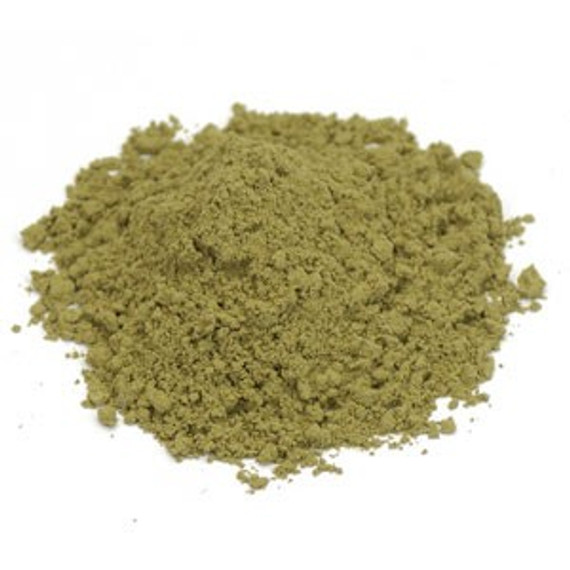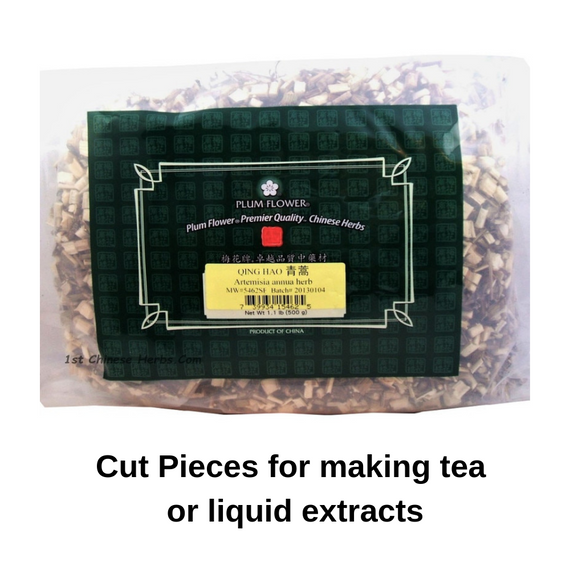


Yin Chen Hao – Artemisia Capillaris, Cut, Plum Flower 500 g
Species-authenticated Artemisia capillaris in cut form for traditional Chinese herbal preparations and decoctions.
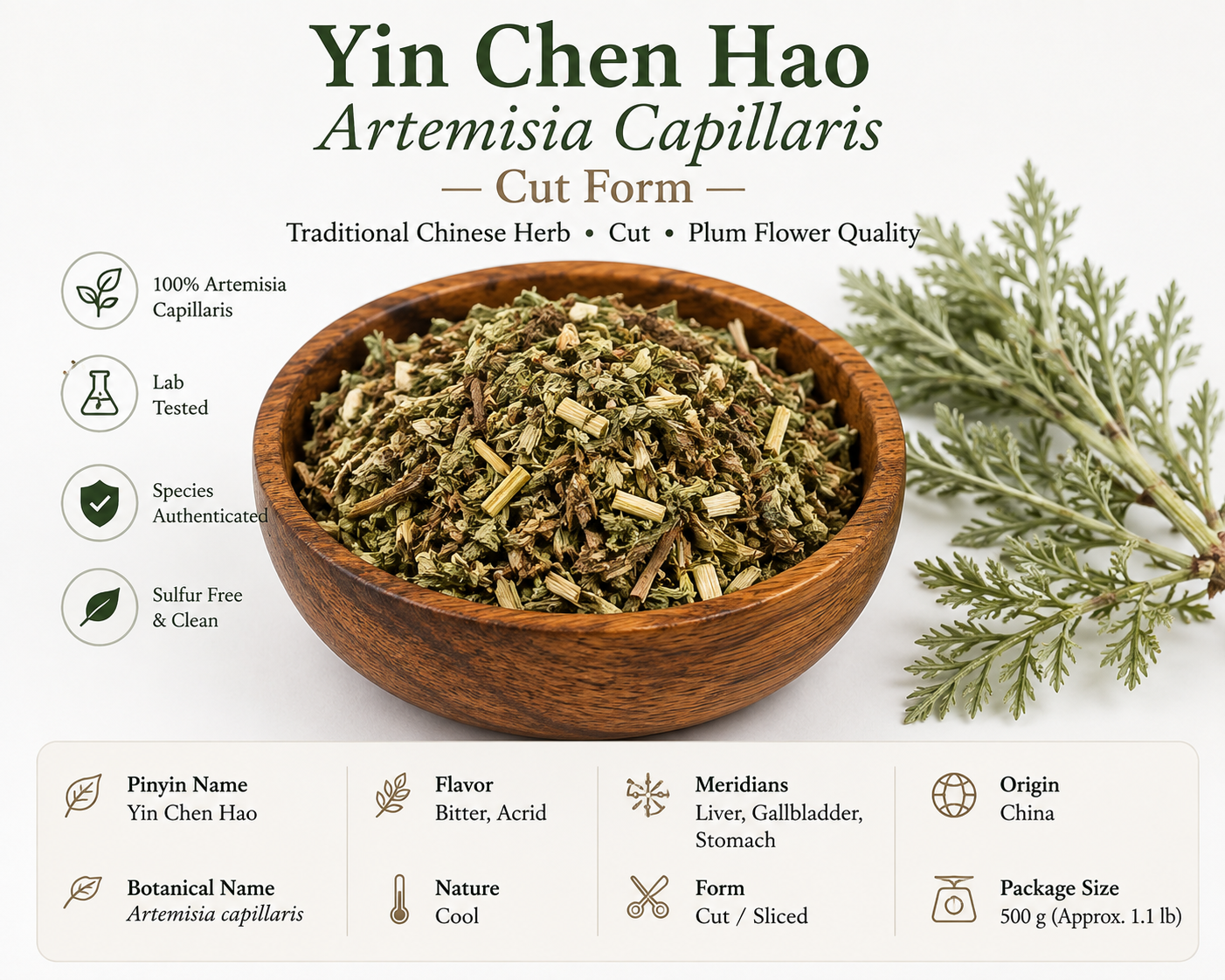
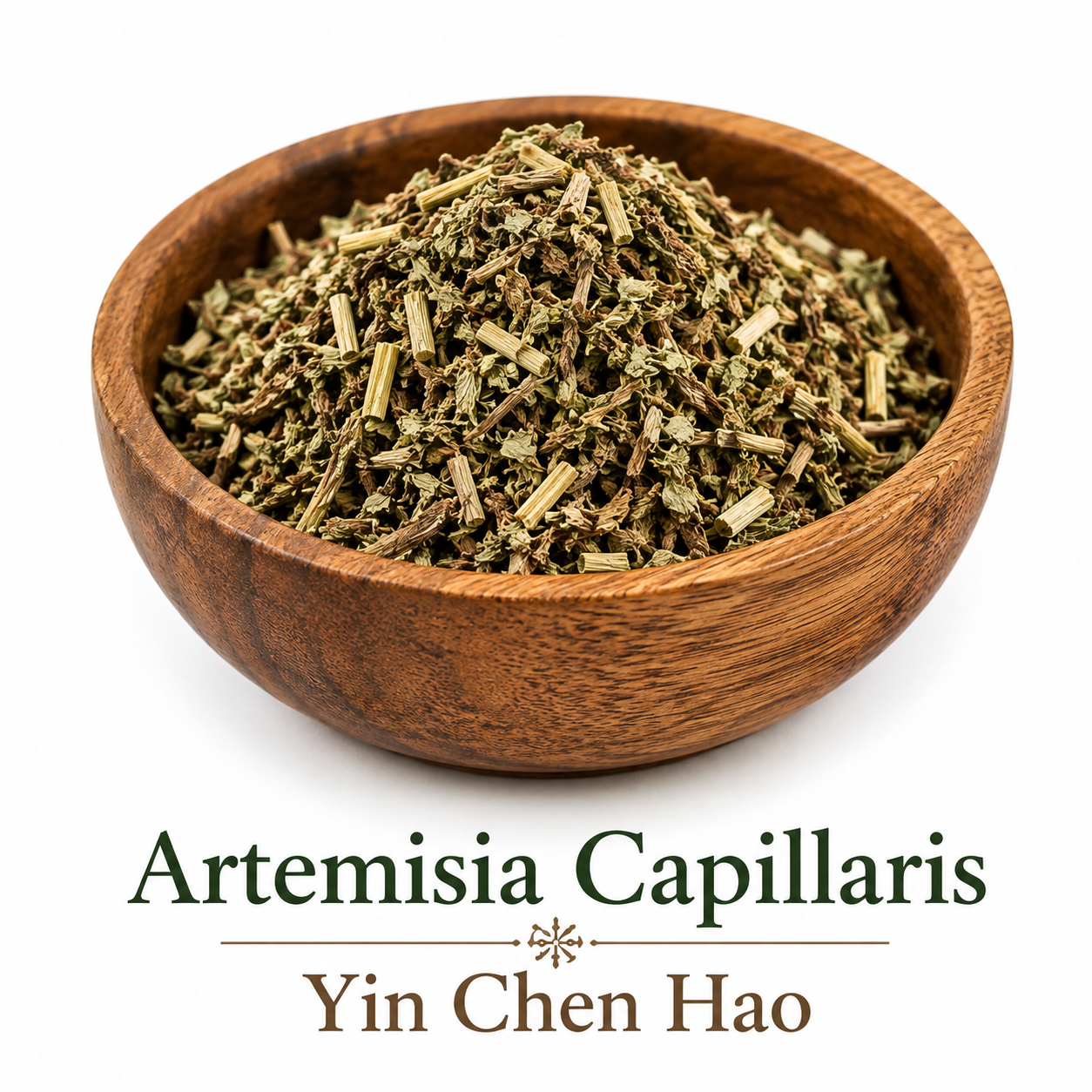 Yin Chen Hao (Artemisia capillaris) is a traditional Chinese herb known for its bitter, acrid and cool characteristics. In Traditional Chinese Medicine, Yin Chen Hao is traditionally associated with clearing Damp-Heat and enters the Liver, Gallbladder and Stomach meridians.
This Plum Flower Yin Chen Hao is supplied in cut form in a 500 gram package (approximately 1.1 lb). It contains no additional ingredients and is species authenticated.
Shopping for Yin Chen Hao? Artemisia is a large group of plants. If your formula specifically calls for Yin Chen Hao, check both the pinyin name and botanical name rather than purchasing an herb simply labeled "wormwood" or "Artemisia."
All About Yin Chen Hao At A Glance
| Pinyin Name | Yin Chen Hao |
|---|---|
| Botanical Name | Artemisia capillaris |
| Other Names | Capillaris, Oriental Wormwood, Herba Artemisiae Capillaris, Herba Artemisiae Yinchenhao |
| Traditional Flavor | Bitter and acrid |
| Traditional Nature | Cool |
| Traditional Meridians | Liver, Gallbladder and Stomach |
| Form | Cut / sliced; piece sizes naturally vary |
| Ingredients | Artemisia capillaris; no additional ingredients |
| Origin | China |
| Brand | Plum Flower |
| Package Size | 500 grams (approximately 1.1 lb) |
| Quality | Species authenticated, sulfur-free and laboratory tested |
What Is Yin Chen Hao?
Yin Chen Hao is the pinyin name used for Artemisia capillaris in Chinese herbal practice. It is an aromatic herb belonging to the large Artemisia genus and has a long history of use in traditional Chinese herbal formulas.
This botanical identification matters because many different herbs are sold under broad English names such as wormwood, mugwort or Artemisia. Those names do not necessarily identify the same plant.
If your practitioner or herbal formula specifies Yin Chen Hao / Artemisia capillaris, confirm both names when choosing your herb.
How Has Yin Chen Hao Traditionally Been Used?
In Traditional Chinese Medicine, Yin Chen Hao is classified among herbs traditionally used to clear Damp-Heat. It has a particularly strong traditional association with the Liver and Gallbladder systems.
Its traditional properties are described as bitter, acrid and cool. Chinese herbalists select Yin Chen Hao according to an individual's traditional pattern and frequently combine it with other herbs rather than using it as an isolated ingredient.
 Is This the Yin Chen Hao You Are Looking For?
This product may be the right choice when your formula or practitioner specifies:
- Yin Chen Hao
- Artemisia capillaris
- A cut or sliced bulk herb
- Herb suitable for traditional decoction preparation
- A 500 gram bulk package
This is not a powder or concentrated extract. If your instructions specify another Artemisia species, powder, extract granules or another product form, confirm the product before ordering.
Why Choose Plum Flower Yin Chen Hao?
When buying an herb from a botanical family containing many similar plants, identity matters. This product is sold specifically as Yin Chen Hao / Artemisia capillaris and is species authenticated.
- Species authenticated: Helps confirm the intended botanical identity.
- Cut form: Convenient for traditional decoctions and herbal formulas.
- Recognizable botanical material: Cut herbs retain visible plant characteristics that cannot be seen once an herb has been finely powdered.
- Single herb: No additional ingredients.
- Sulfur-free: Produced without sulfur treatment.
- Laboratory tested: Plum Flower quality control includes testing for contaminants such as microbial contamination, heavy metals and pesticides.
What Does Quality Yin Chen Hao Look Like?
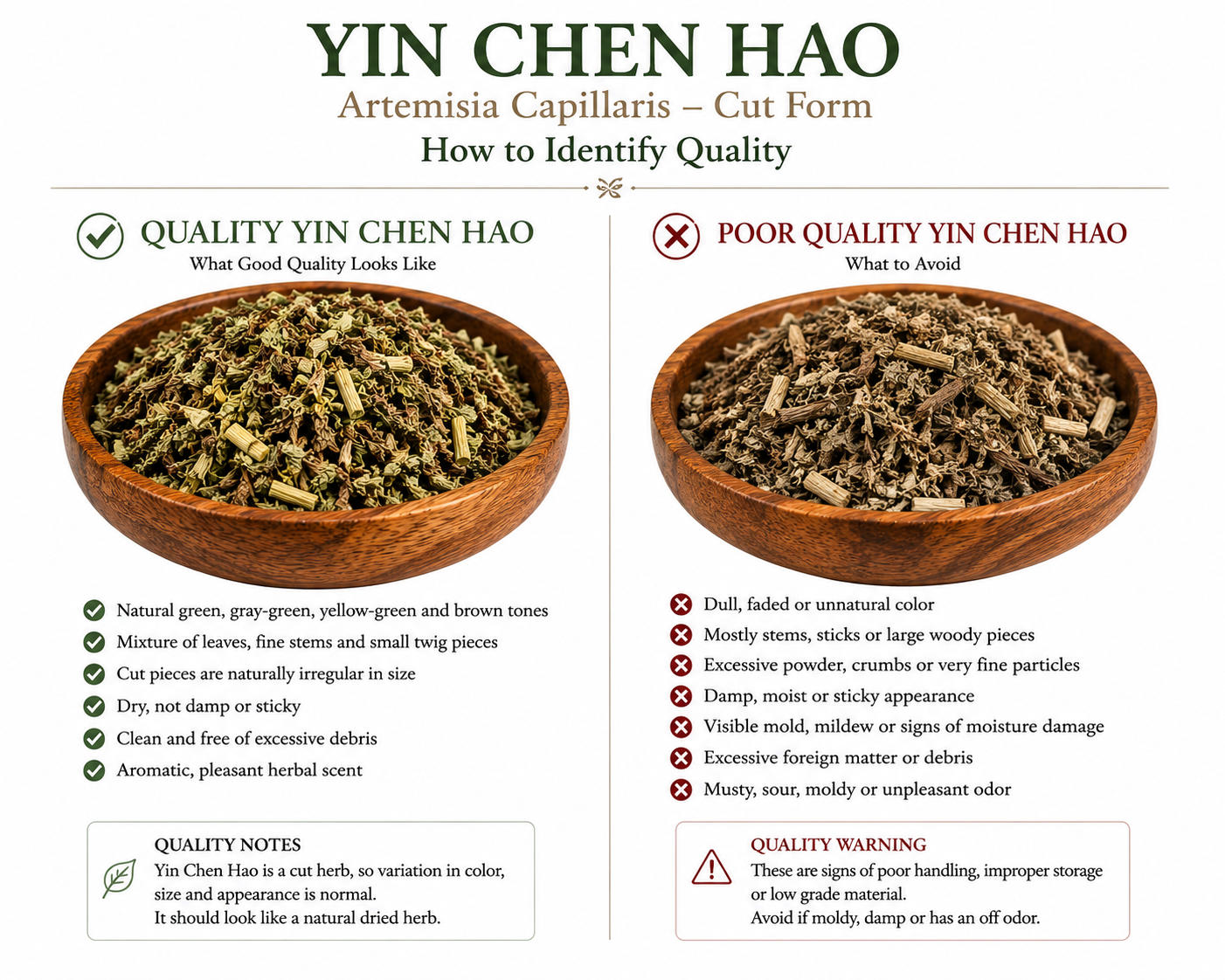
Quality cut Yin Chen Hao should look like a natural dried herb, not a perfectly uniform manufactured product. Differences in piece size, shape and color are expected.
Normal Quality Characteristics
- Natural green, gray-green, yellow-green and brown tones
- Recognizable fine stems and herbaceous plant material
- Naturally irregular cut pieces
- Dry rather than damp or sticky
- Characteristic aromatic herbal scent
- Clean appearance without excessive foreign debris
What Should Concern You?
- Visible mold
- Unusual moisture or dampness
- Strong musty or rotten odor
- Signs of insect infestation
- Excessive unrelated foreign material
Natural color and appearance can vary somewhat between harvests. Variation alone does not indicate poor quality.
What Does Yin Chen Hao Taste Like?
Yin Chen Hao is traditionally described as bitter and acrid. When prepared in water, expect a noticeably herbal and somewhat aromatic flavor with bitterness.
In a multi-herb decoction, the final taste will depend upon the other herbs in the formula.
How Is Cut Yin Chen Hao Traditionally Prepared?
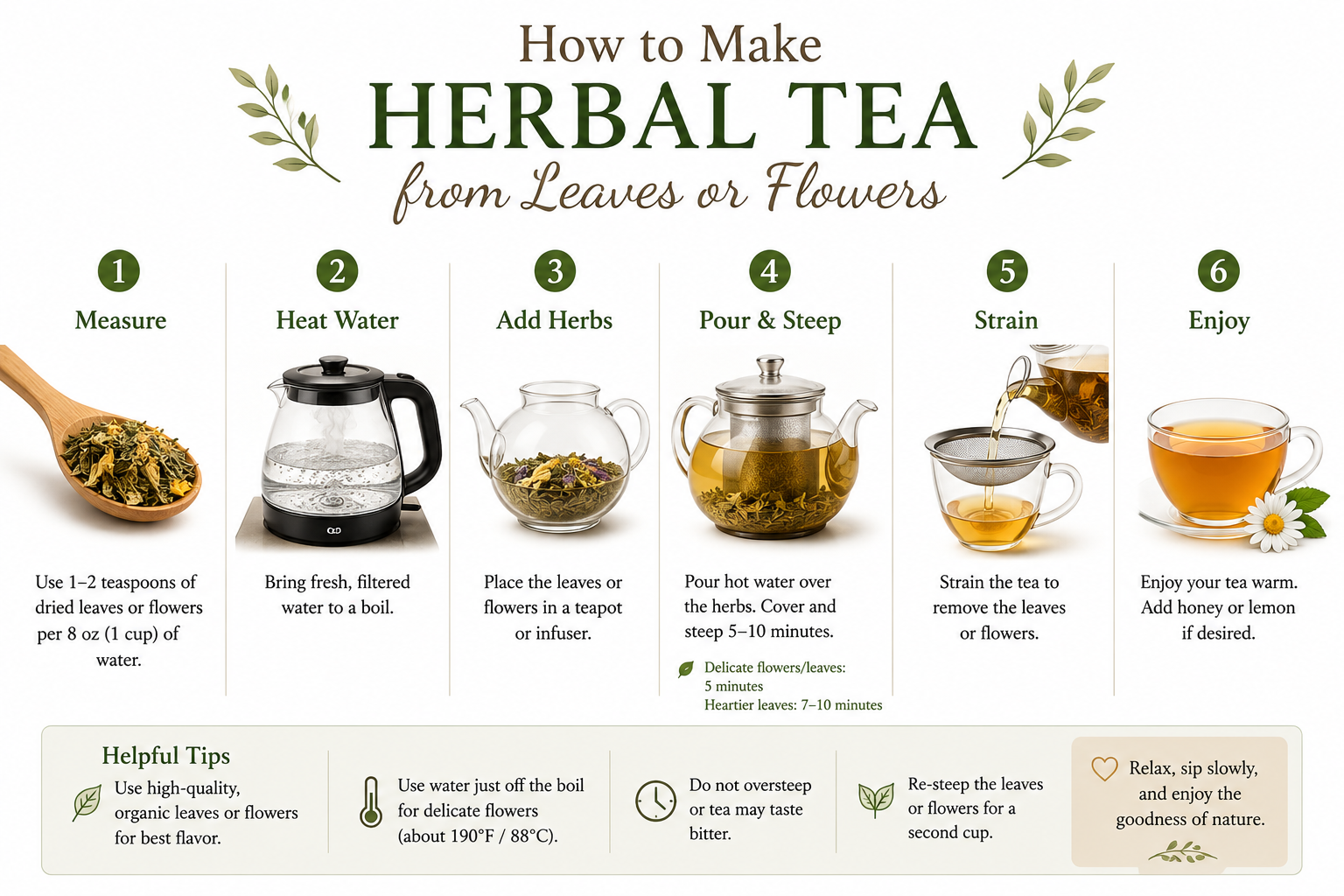
Cut Yin Chen Hao is commonly incorporated into traditional Chinese herbal decoctions. Because it is a lighter herbaceous material, preparation may differ from dense roots, bark, seeds and other harder botanical ingredients.
When Yin Chen Hao is part of a multi-herb formula, follow the preparation instructions supplied with that formula or the recommendations of your practitioner.
Do not assume every Chinese herb requires exactly the same simmering time or preparation method.
Yin Chen Hao vs. Qing Hao vs. Ai Ye
These herbs all belong to the broader Artemisia group, but they are not interchangeable.
| Herb | Traditional Character | Why It Is Different |
|---|---|---|
| Yin Chen Hao Artemisia capillaris |
Bitter, acrid and cool; traditionally associated with clearing Damp-Heat. | Choose this when the formula specifically calls for Yin Chen Hao. |
| Qing Hao Sweet Wormwood |
Traditionally associated with clearing certain types of heat. | Different herb with different traditional applications. |
| Ai Ye Mugwort Leaf |
Traditionally warm in nature and also well known for its use in moxibustion. | Very different traditional character and use from Yin Chen Hao. |
Before You Buy: Not Every Artemisia Is Yin Chen Hao
This is one of the most important things to understand when shopping for this herb.
Artemisia is a genus containing many different plants. Terms such as wormwood, mugwort and Artemisia are sometimes used broadly, which can make online shopping confusing.
If your traditional formula says Yin Chen Hao, look for the corresponding botanical identification Artemisia capillaris.
Don't choose an Artemisia by the English common name alone.
What Herbs Are Traditionally Combined With Yin Chen Hao?
Chinese herbal formulas are built by combining herbs according to their traditional functions and the pattern being addressed. Yin Chen Hao has historically appeared in formulas alongside herbs such as:
- Zhi Zi (Gardenia Fruit) – traditionally used in formulas involving heat.
- Huang Qin (Scutellaria Root) – another herb traditionally associated with clearing heat and Damp-Heat.
- Other Damp-Heat herbs – selected according to the purpose and construction of the individual formula.
The fact that herbs have historically appeared together does not mean that a particular combination is appropriate for every person.
What Does Modern Research Examine?
Modern researchers have investigated Artemisia capillaris and naturally occurring plant constituents including coumarins, flavonoids, volatile compounds and other phytochemicals.
Research includes laboratory, animal, constituent and extract studies. Results from these studies should not be interpreted as evidence that ordinary cut Yin Chen Hao can diagnose, prevent, treat or cure disease in humans.
Frequently Asked Questions About Yin Chen Hao
Is Yin Chen Hao Artemisia capillaris?
Yes. Yin Chen Hao is the pinyin name commonly used for Artemisia capillaris in Chinese herbal practice. Checking the botanical name is especially important because there are many Artemisia species.
Is Yin Chen Hao the same as wormwood?
The word "wormwood" can refer to several Artemisia species. A product labeled only as wormwood should not automatically be assumed to be Yin Chen Hao. Confirm the botanical identity Artemisia capillaris.
Is Yin Chen Hao the same as Qing Hao?
No. Yin Chen Hao and Qing Hao are different Chinese herbs with different botanical identities and traditional applications. They should not automatically be substituted for one another.
Is Yin Chen Hao the same as Ai Ye or mugwort?
No. Ai Ye is a different Artemisia herb with a different traditional character and uses. Ai Ye is also widely associated with moxibustion.
Yin Chen Hao Safety & Cautions
Do not use during pregnancy or while nursing unless specifically directed by an appropriately qualified healthcare professional.
Skin contact with Artemisia species may cause dermatitis or another allergic reaction in susceptible individuals.
Individuals with known sensitivities to plants in the Asteraceae family should use appropriate caution.
If you take prescription medication, have a medical condition, or are combining several herbs or supplements, consult a qualified healthcare professional before use.
Want to Learn More Before You Buy?
You do not need another 500 words repeated here. Our detailed educational guides explain how to evaluate, prepare and use bulk Chinese herbs.
Quick Buying Check
Before adding this herb to your order, confirm that your instructions call for:
- Yin Chen Hao
- Artemisia capillaris
- Cut / sliced herb
If all three match, you have identified the correct type and form of this Plum Flower product.
Research & References for Yin Chen Hao
Modern research has examined Artemisia capillaris (Yin Chen Hao), its traditional use, botanical chemistry, naturally occurring compounds, and methods used to evaluate herbal quality. Much of this research is laboratory, animal, constituent, extract, or traditional-formula research and should not be interpreted as proof that the cut herb treats or prevents disease.
- Recent Studies and Progression of Yin Chen Hao – Traditional Use, Constituents and Research
- Quality Evaluation of Artemisia capillaris Using Chemical Fingerprinting
- Analysis of Naturally Occurring Organic Acids in Artemisia capillaris
- Chemical Constituents Identified in Artemisia capillaris
- Review of Artemisiae Scopariae Herba (Yin Chen) and Its Major Constituents
Research note: Links are provided for educational purposes. Research involving isolated compounds, extracts, animals, or traditional multi-herb formulas does not establish the same effects for this individual cut-herb product.