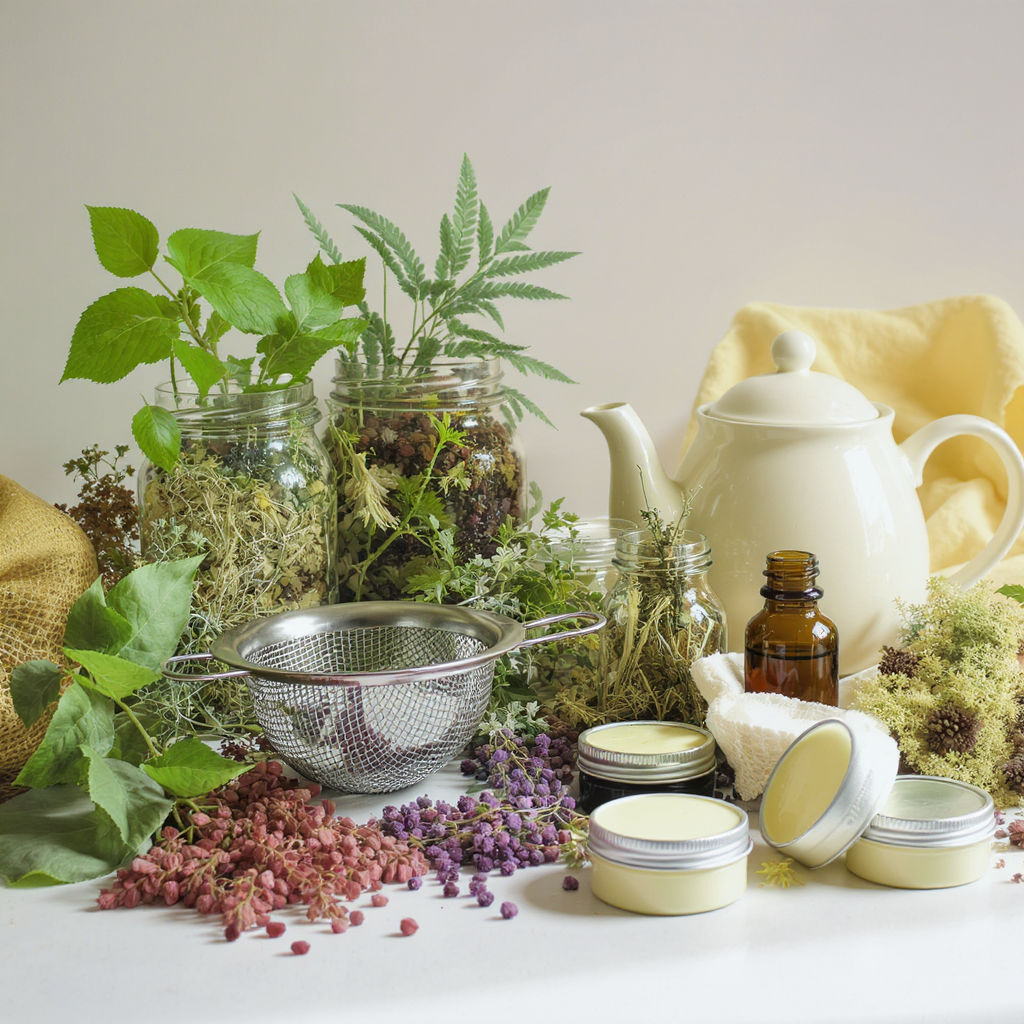
Capsules. Teas. Decoctions. Tinctures. Syrups. Salves. Baths. Topical oils. This page shows you exactly how to prepare each method—plus the ratios, tools, storage rules, and beginner fixes that keep your herbs from turning into “expensive potpourri.”

Last updated:
Reviewed by: 1st Chinese Herbs Team
We maintain this guide to help customers use bulk herbs responsibly and effectively. For personal medical decisions, consult a qualified clinician or licensed herbal professional.
Lab-Tested COAs On Request Quality-First Sourcing
We prioritize transparency: herb form, cut, aroma, and storage guidance—so you can prepare herbs with less uncertainty.
1st Chinese Herbs
Trusted herbal retailer serving customers nationwide.
This page is written for real kitchens and real schedules: quick paths for beginners, deeper methods for herbal DIYers.
Need help choosing a method?
Tell us what form you bought (powder, root, flower, etc.) and how you prefer to use herbs (tea vs capsules vs tincture). We’ll point you to the best prep.
The first win is boring—but decisive: match the herb’s physical form to a preparation that can actually extract it. Soft plant parts surrender quickly. Woody parts do not. Treat them differently and you’ll get better results, faster.
| Herb Form | Best Use Method | Why This Works |
|---|---|---|
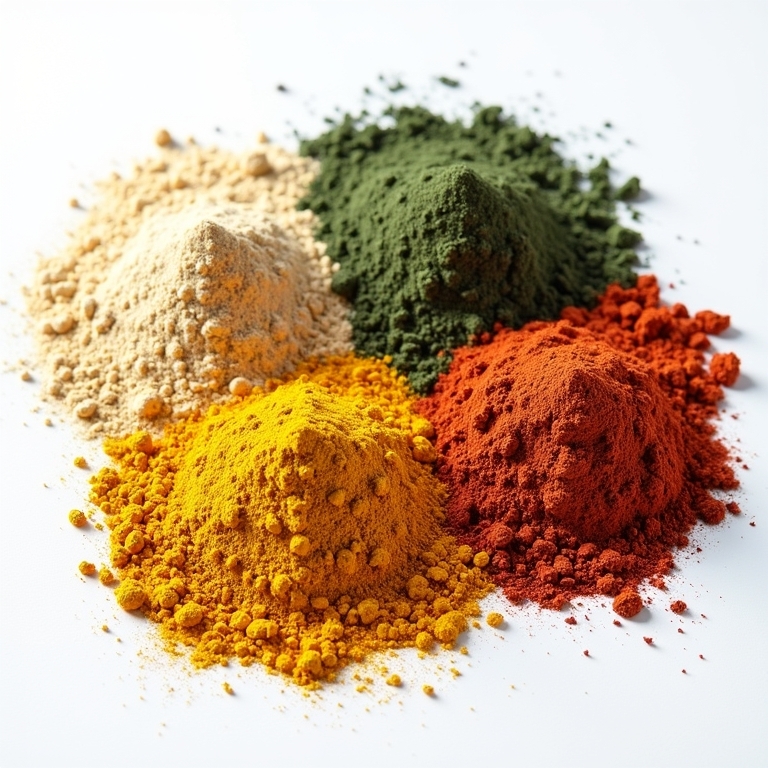
| Powder | Capsules, tea, tincture, balms | Fine particles disperse quickly and are easy to portion. |
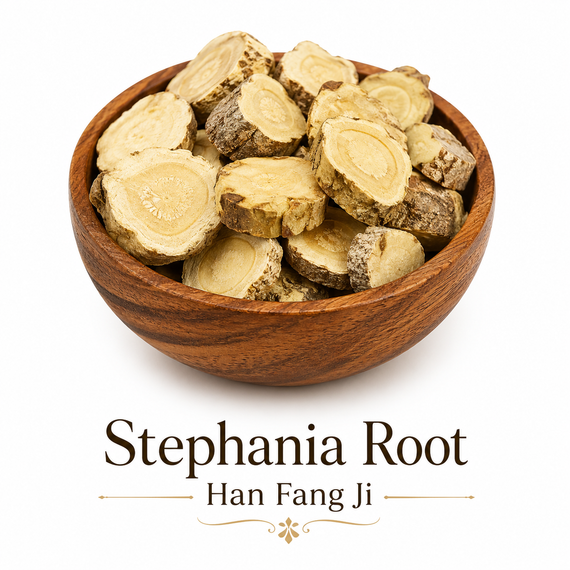
| Whole/Cut Root or Bark | Decoctions, tinctures | Hard plant material needs simmering or long extraction to yield more constituents. |
| Leaves & Flowers | Teas/infusions, syrups | Fragile aromatics and lighter compounds extract well with short steeping. |
| Seeds & Berries | Decoctions, tinctures | Dense outer layers often benefit from simmering or long solvent contact. |
Shortcut: If it feels like it could survive a winter in your pocket (roots, bark, seeds), choose decoction. If it looks delicate (leaves, petals), choose infusion.
Tea Steeping Time CalculatorBrew Bulk Herbs Correctly—Every Time
Evidence-Informed Brewing Guidance for Bulk Chinese Herbs
Our Chinese Herbal Steep-Time Calculator was created to help users prepare bulk Chinese herbs with accuracy and consistency. It provides clear brewing guidance for 25 commonly used Chinese flowers, leaves, and seeds, based on traditional preparation principles and practical herbal experience.
Starting to use our Steeping Tea Calculator today
These are general starting points. Some herbs are stronger than others; personal needs vary. When uncertain, start modestly and take notes.
| Method | Starter Ratio | Time | Storage |
|---|---|---|---|
| Tea (Infusion) | 1 tbsp dried herb per 1 cup water | 3–10 minutes | Best fresh (within 24 hours) |
| Decoction | 1 cup dried herbs to 4 cups water | Simmer 15–50 minutes | Refrigerate up to 3 days |
| Tincture | Jar 2/3 herbs, cover fully with 80–100 proof alcohol | 4–6 weeks | Often 3–5 years (cool, dark storage) |
| Syrup | 1 cup herbs + 2 cups water + 1–2 cups honey/maple | Simmer + dissolve | Refrigerate 3–6 months |
| Balm | 2 oz infused oil + 1 oz beeswax (adjust as needed) | Melt, strain, pour | Months to ~1 year (cool storage) |
Starter Tools (Beginner to Serious)
No scale? Use volume-based measuring (tablespoons) consistently. Consistency beats perfection.

Quick Answer: Capsules are ideal when you want herbs without the taste, without the mess, and without daily brewing.
Click here for a detailed guide on how to use bulk powdered herbs correctly.

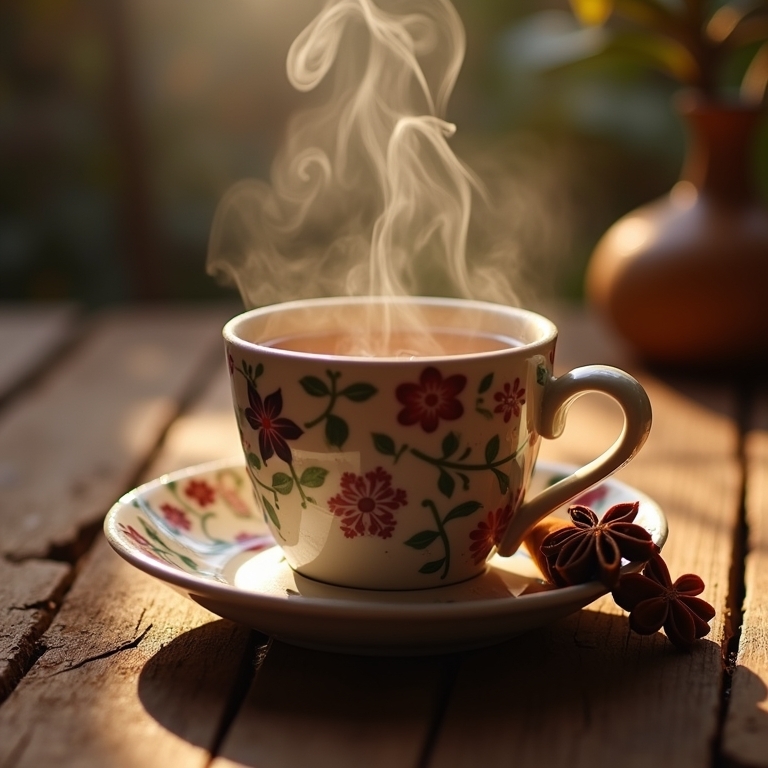
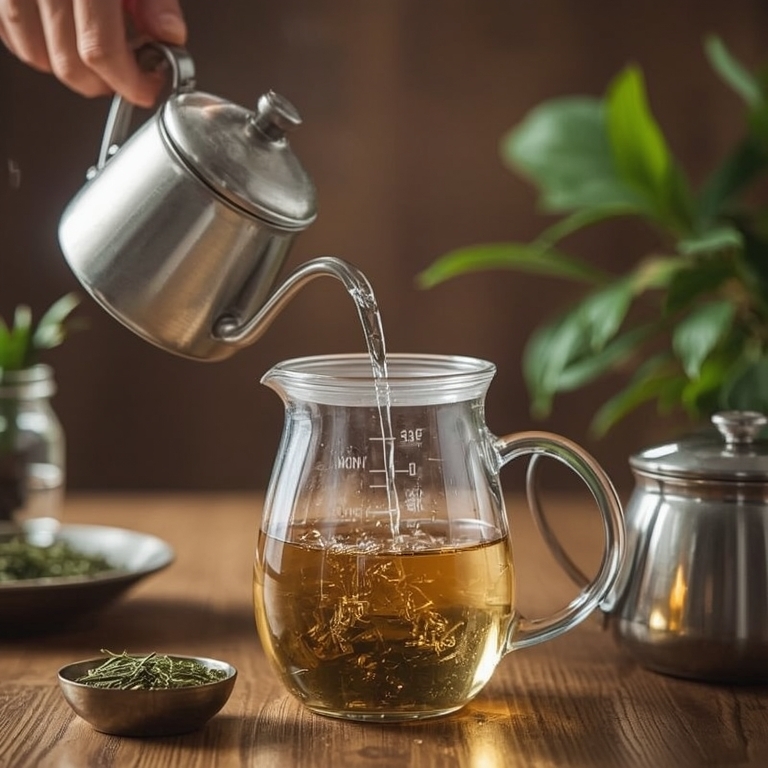
Quick Answer: Infusions work best for leaves and flowers. Pour hot water over the herb, cover, steep, strain, drink.

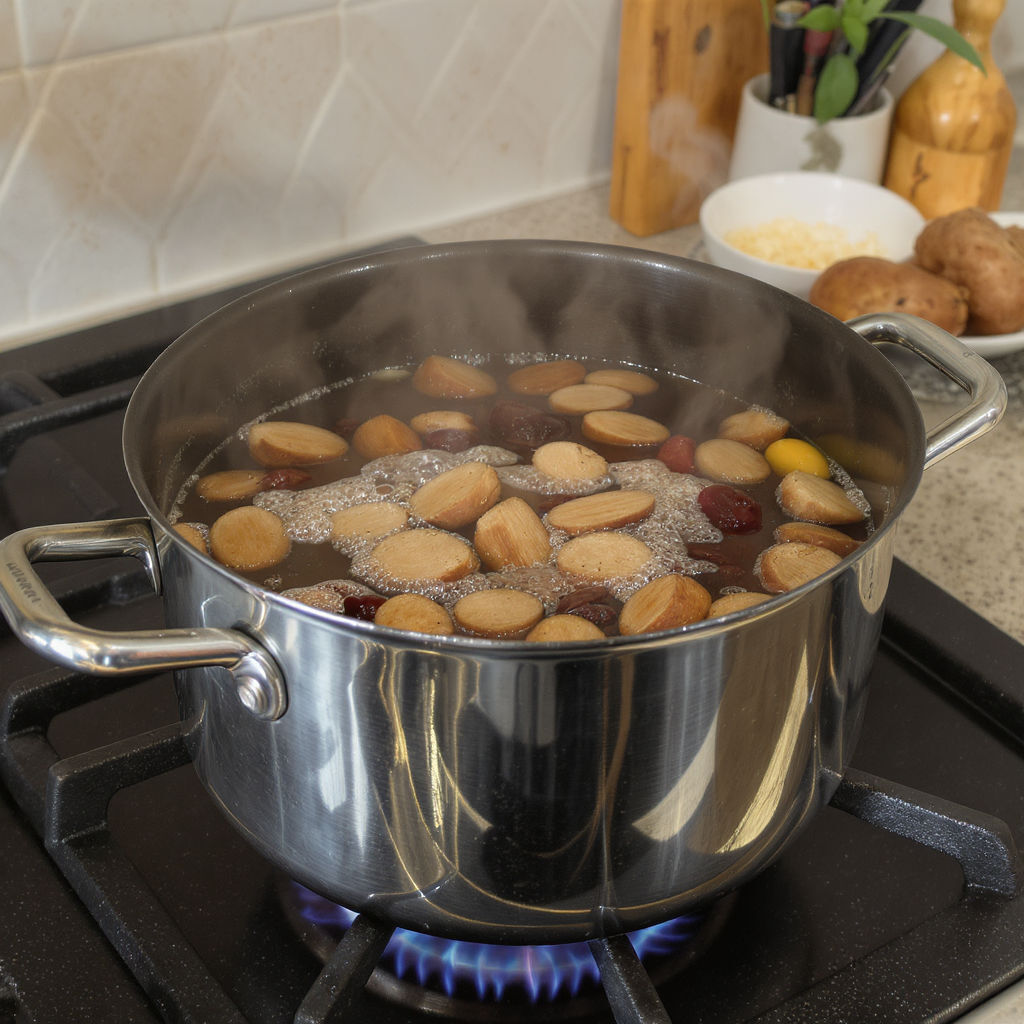
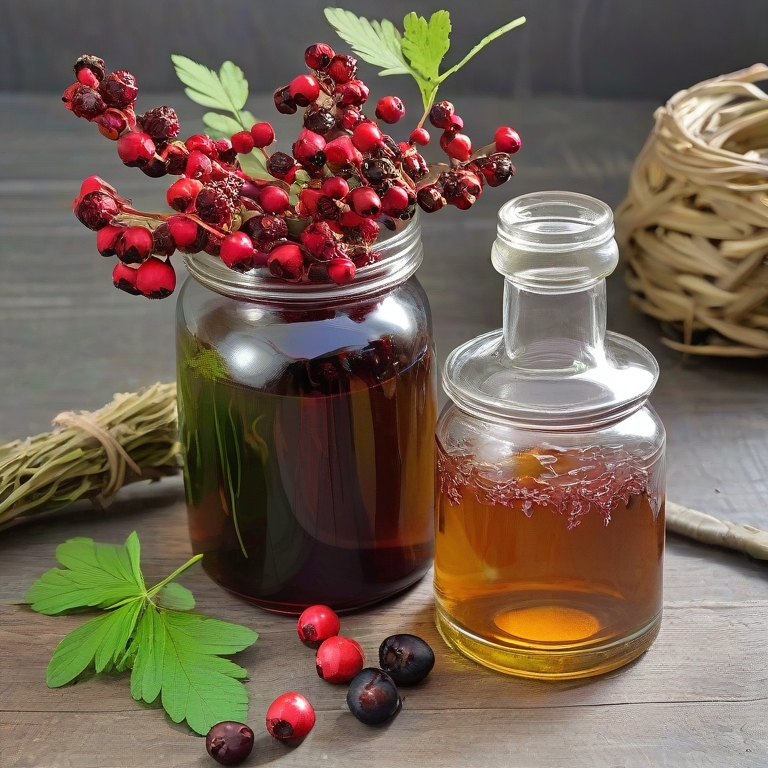
Quick Answer: Decoctions are for roots, bark, seeds, and hard berries—simmered long enough to extract more from dense plant parts.
Click here to learn how to make a decoction from hard berries, twigs, stems, and roots using bulk herbs.

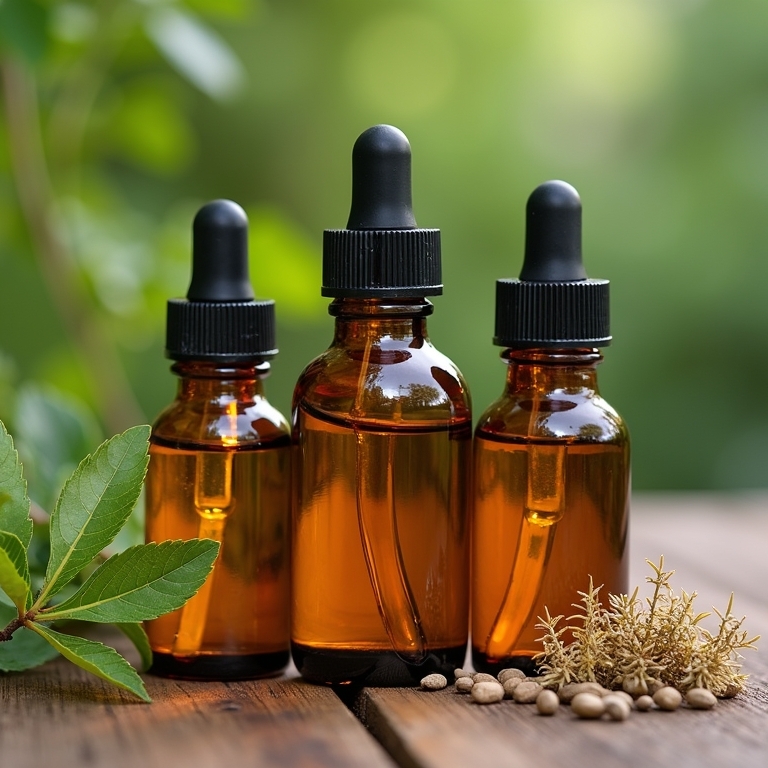
Quick Answer: A tincture is a concentrated extract. Pack herbs in a jar, cover with alcohol, steep 4–6 weeks, shake, strain, bottle.
Safety note: Alcohol-based tinctures are not appropriate for everyone. If you avoid alcohol, ask a professional about alternatives (for example, glycerites) and dosing guidance.

Quick Answer: Simmer herbs in water, strain, then dissolve honey or maple syrup while warm. Refrigerate.

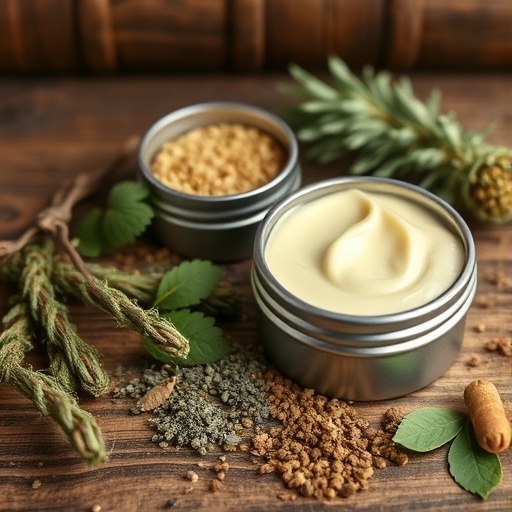
Quick Answer: Infuse herbs into oil, strain, then melt with beeswax. Pour into tins and cool.

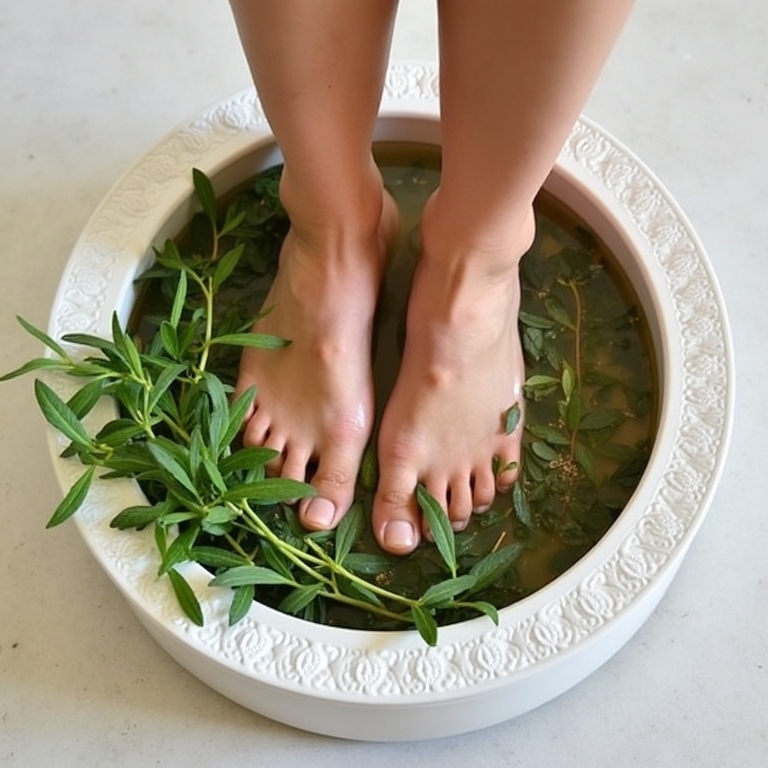
Quick Answer: Steep herbs in hot water, pour into basin or bath, soak 15–20 minutes.
Simple upgrade: Add smooth stones to the basin for a gentle foot massage while you soak.
How to Make Herbs Taste Better (Without Wrecking the Prep)
Fix: Use a decoction. Dense plant parts usually need simmering.
Fix: Cover your mug/teapot. Aromatic compounds drift away quickly.
Fix: Airtight glass in a cool, dark place. Moisture is the real enemy.
Fix: Label everything: herb name, date, ratio, and method.

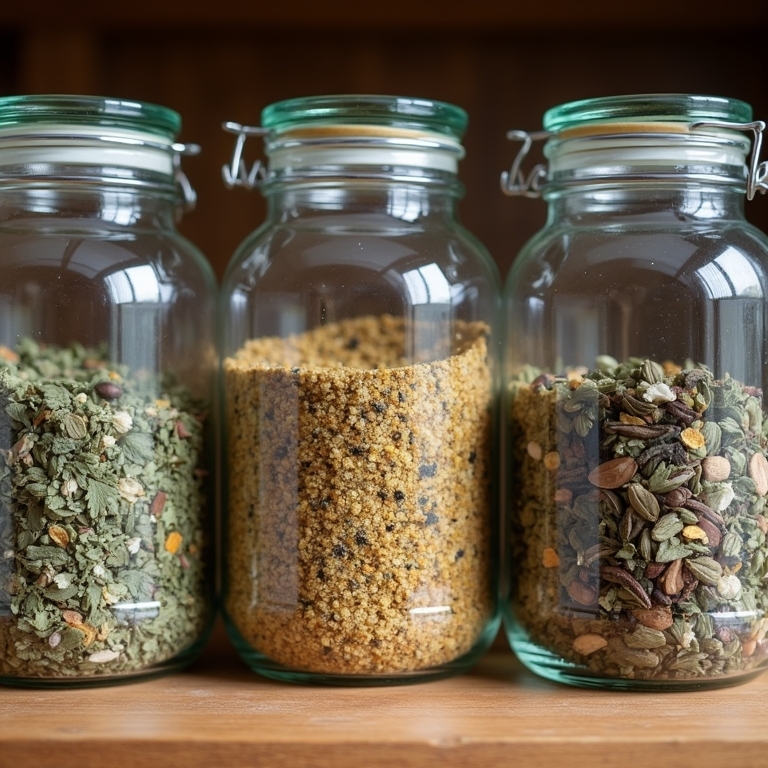
Store herbs in airtight jars, labeled with herb name and date. Keep them cool, dark, and dry to preserve aroma and vitality.
Many herbs are traditionally combined. Be mindful of potency, personal sensitivities, and any medications you take. When in doubt, consult a qualified clinician or herbal professional.
If it smells musty, looks faded, or has lost its distinct aroma, potency may be reduced. Visible moisture or mold means it should be discarded.
Tea (infusion) is best for soft parts like leaves and flowers. Decoction involves simmering tougher herbs like roots and bark for deeper extraction.
Herbs can interact with medications and may not be appropriate for everyone. If you are pregnant, nursing, managing a medical condition, or taking prescriptions, consult a qualified clinician before beginning a new herbal routine. Stop use if you experience irritation or unexpected reactions.
General preparation and safety principles are consistent across reputable herbal education resources. For additional reading:
Note: These references are for general education. Always individualize decisions with professional guidance.
We’re happy to help you choose herb forms and the best prep method for your routine.