Plum Flower Powders
Andrographis Herb Powder - Chuan Xin Lian Bulk Bag
Andrographis Powder 5 Kilogram Bulk Bag (1 single bag) Why Is Andrographis Revered in Traditional Chinese Medicine?
Turn whole or sliced herbs into smooth, recipe-ready powder with a simple blade coffee or spice grinder. This guide covers tools, prep, exact steps, sieve tips, cleanup, storage, and common pitfalls—so you get fine, consistent powder every time.
Why grind your own herbs?Freshness & potency: You control when it’s ground, how fine it gets, and how it’s stored.
Versatility: Powder mixes into teas, decoctions, capsules, smoothies, seasoning blends, and topical recipes.
Savings: Whole or sliced herbs in bulk are often more cost-effective than pre-powdered.
Dried herb (whole or sliced; fully dry is essential)
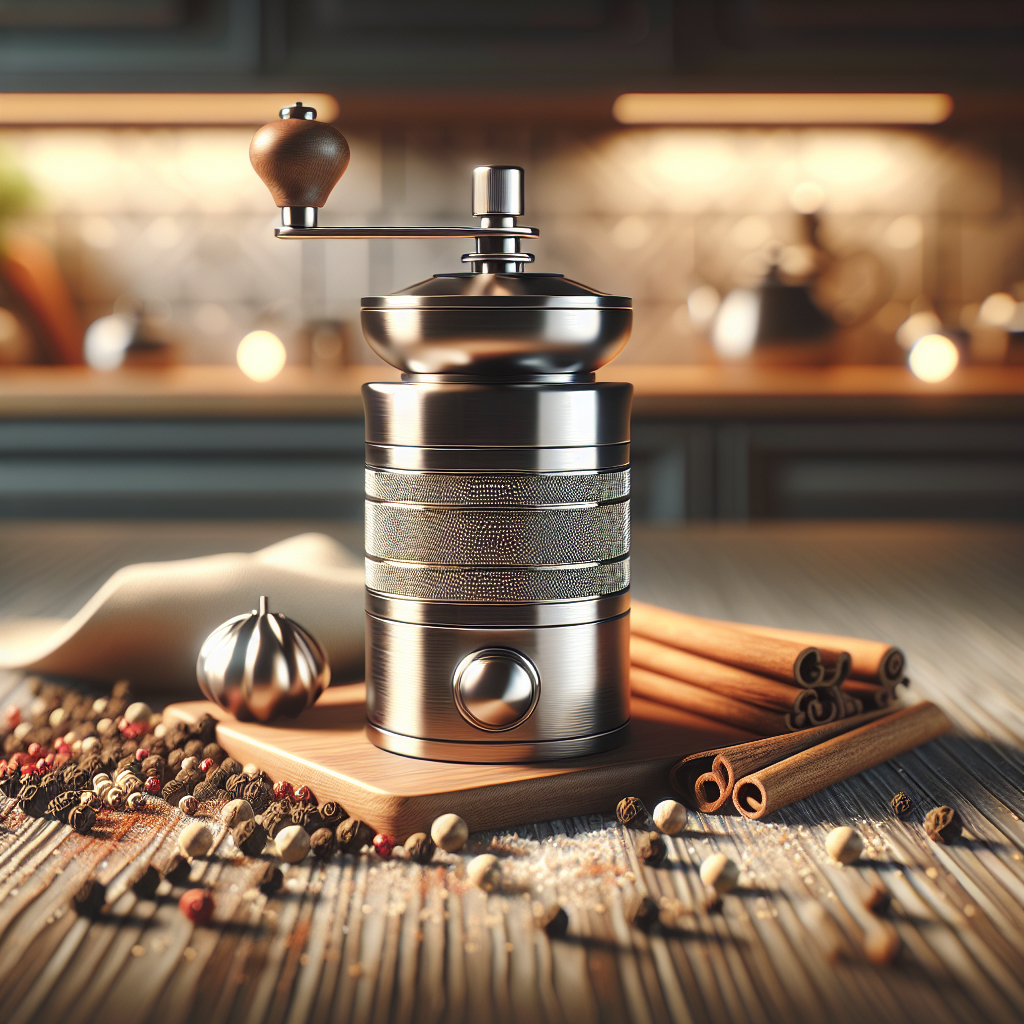
Blade-style coffee/spice grinder (dedicated to herbs)
Fine-mesh sieve/tea strainer (60–80 mesh is ideal for capsule-fine; kitchen strainers also work)
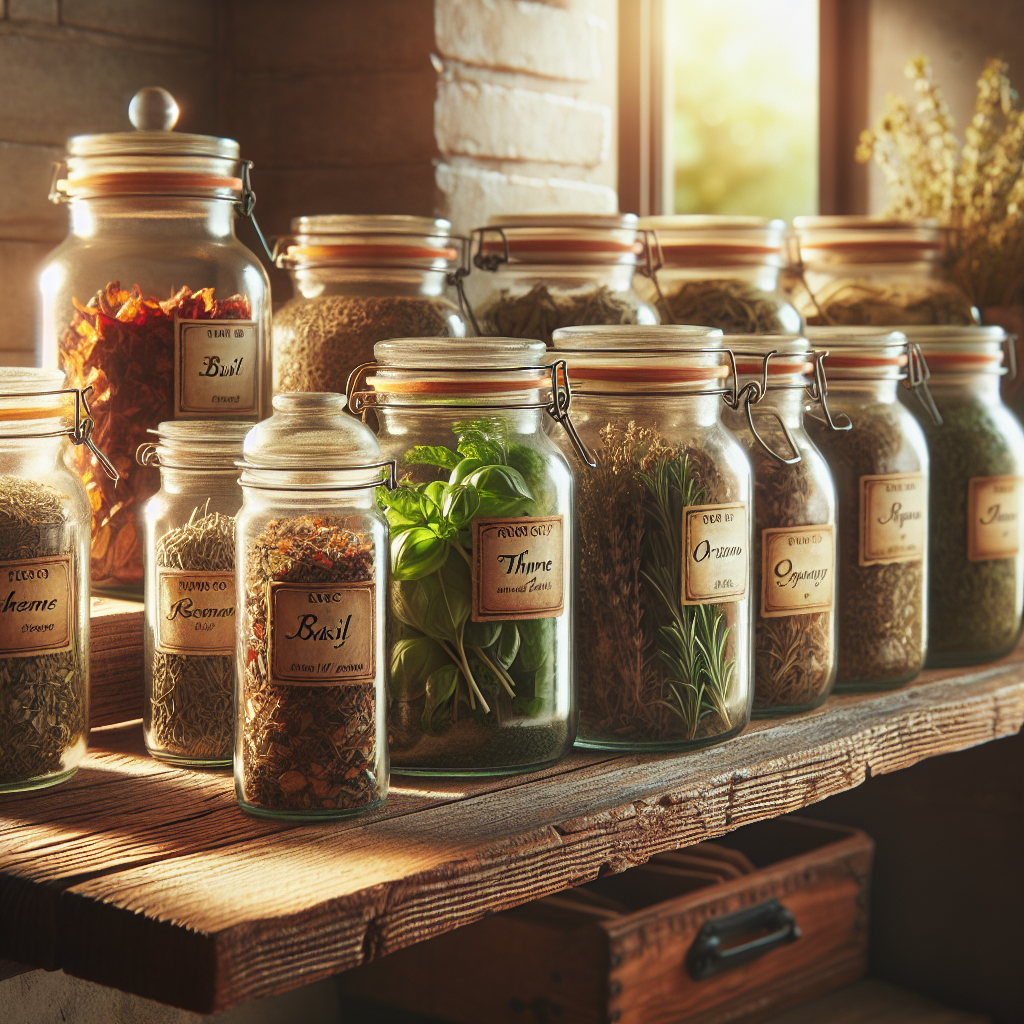
Airtight glass jars + labels (food-safe desiccant optional)
Optional: mask (herb dust), rolling pin/mallet (to pre-break slices), kitchen scale, dehydrator
| Tool | Best For | Pros | Cons |
|---|---|---|---|
| Blade coffee/spice grinder | Most leaves, flowers, sliced roots/barks | Fast, inexpensive, makes flour-fine powder | Can heat contents if overused; needs sieving |
| Spice grinder (heavy-duty blade) | Tougher roots/barks, seeds | More torque; often larger cup | Louder; still needs sieving |
| Burr coffee grinder | Coffee beans only | Uniform coffee particles | Not for herbs—clogs, uneven flour, hard to clean |
Bottom line: Use a blade grinder for herbs. Burr grinders are for coffee.
Confirm dryness (“snap test”)
If a stem or root bends instead of snapping, dehydrate 30–90 min at low heat (95–115°F / 35–46°C).
Right size in = right size out
Leaves/flowers: crumble by hand first.
Sliced roots/barks: place in a clean bag and pre-break with a rolling pin.
Oily seeds/berries: freeze 10–15 min so they powder instead of smearing.
Dedicate your grinder
Herbal aromas linger. Keep a separate grinder for herbs (not your morning coffee).
Load half-full
Overfilling causes uneven grind and heat buildup.
Pulse in short bursts
5–10 seconds on, brief rest; repeat. This keeps powder cool and protects aroma.
Shake between pulses
Tilt or swirl the grinder so coarse bits meet the blade.
Sieve & re-grind
Pour through a fine sieve. Keep the fine powder; return coarse bits for 1–2 more passes.
Cool & de-static
Let powder sit 5–10 minutes before jarring to reduce clumping.
Jar, label, store
Airtight glass, cool, dark, dry. Label with name + date + lot if you track batches.
Pro tip: Two quick grind-and-sieve cycles beat one long grind—faster, cooler, finer.
| Finish | Look/Feel | Common Uses |
|---|---|---|
| Coarse | Visible granules | Decoctions, long simmers, easy straining |
| Fine | Flour-like | Teas, smoothies, culinary blends, capsules |
| Ultra-fine | Airy, very smooth | Instant-mix drinks, dusting blends (more time & sieving) |
Mesh guide (approximate):
Kitchen strainer ≈ 20–40 mesh (good for tea).
Fine tea/screen sieve ≈ 60–80 mesh (capsule-fine).
Leaves & flowers (e.g., mulberry leaf, mint, chrysanthemum): grind fast—short pulses only.
Roots & barks (e.g., licorice, hu zhang/japanese knotweed, cinnamon, dan shen): pre-break; expect 2–3 passes + sieve.
Seeds & fruits (e.g., fennel, coriander, pepper): freeze briefly first; grind tiny batches to avoid pasting.
Resins & very oily spices: freeze hard, pulse quickly, clean immediately afterward.
| Herb (example) | Category | Passes* | Suggested Sieve |
|---|---|---|---|
| Mulberry leaf (Sang Ye) | Leaf | 1–2 | 40–60 mesh |
| Mint | Leaf | 1 | 40–60 mesh |
| Licorice root (Gan Cao) | Root | 2–3 | 60–80 mesh |
| Hu Zhang (Jap. knotweed) | Root | 2–3 | 60–80 mesh |
| Cinnamon (cassia chips) | Bark | 2–3 | 60–80 mesh |
| Dan Shen (red sage root) | Root | 2–3 | 60–80 mesh |
| Fennel seed | Seed (oily) | 1–2 (freeze first) | 40–60 mesh |
| Coriander seed | Seed (oily) | 1–2 (freeze first) | 40–60 mesh |
| Shiitake (dried) | Fungus | 1–2 | 40–60 mesh |
| Ginger (dried slices) | Root | 2–3 | 60–80 mesh |
*Passes = grind → sieve → re-grind coarse fraction.
1 cup broken slices → ~⅓–½ cup fine powder (varies by herb & cut).
For precision, weigh your powder (kitchen scale). If you’ll make capsules, weigh one filled capsule to estimate mg/cap for your specific grind.
Storage & shelf lifeAirtight glass; keep cool, dark, dry.
Fill jars to minimize air space; add a food-safe desiccant in humid climates.
Most powders are best within 24–36 months if color and aroma remain vibrant.
Brush out residue.
Grind 1–2 tbsp dry white rice; discard.
Wipe cup & lid with a dry, lint-free cloth. (If removable parts are washable, dry completely before use.)
Clumping/sticking: Herb not dry → dehydrate briefly; freeze oily seeds; let powder cool before jarring.
Stringy bits in powder: Sieve and re-grind the coarse fraction.
Burnt/bitter smell: Overheated—use smaller loads and shorter pulses.
Grinder stalls: Too full or pieces too large—empty halfway, pre-break slices.
Common size “00” capsules hold roughly 600–800 mg, depending on powder density.
Fill a few capsules, weigh them, and note the average mg/capsule on your label for consistency.
Can I grind fresh herbs?
Dry them completely first—moisture causes clumping and shortens shelf life.
Can I use a burr coffee grinder?
No—burrs clog and won’t produce flour-like powder. Use a blade grinder.
Which sieve should I buy?
For capsules and ultra-smooth blends, aim for 60–80 mesh. For tea, many kitchen strainers (20–40 mesh) are fine.
How do I stop powder from clumping later?
Store airtight, cool, and dry. Let powder cool 5–10 minutes before jarring; consider a food-safe desiccant.
Is the metal grinder's heat a problem?
Heat can dull aroma. Short pulses with rests prevent overheating.
How fine should tea powder be?
Personal preference. Coarser powder strains easier; finer powder extracts faster but may leave sediment (use a paper filter if you want a clear cup).
Label clearly (herb name, date, lot if applicable). Keep away from children and pets.
Some herbs may be potent or interact with medications; consult a qualified professional—especially if you’re pregnant, nursing, or managing a condition.