Plum Flower Powders
Andrographis Herb Powder - Chuan Xin Lian Bulk Bag
Andrographis Powder 5 Kilogram Bulk Bag (1 single bag) Why Is Andrographis Revered in Traditional Chinese Medicine?
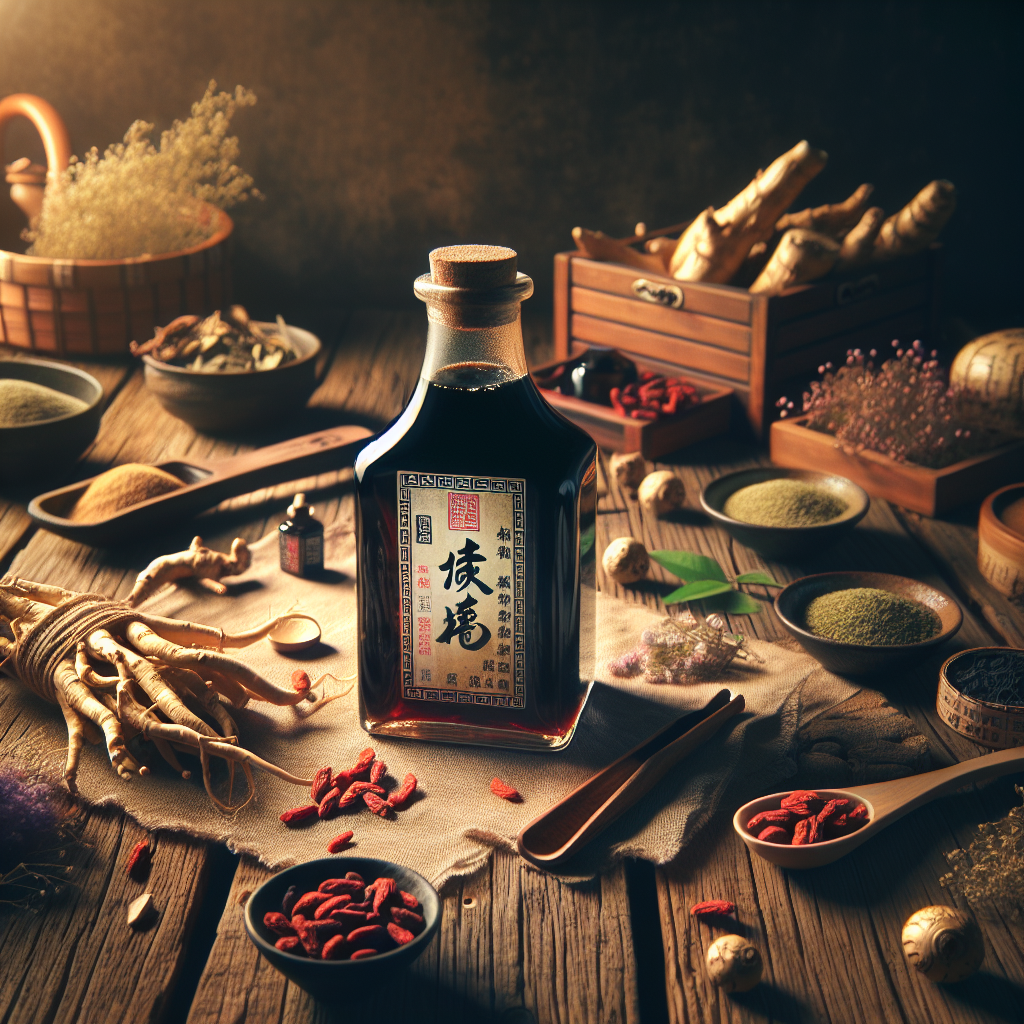
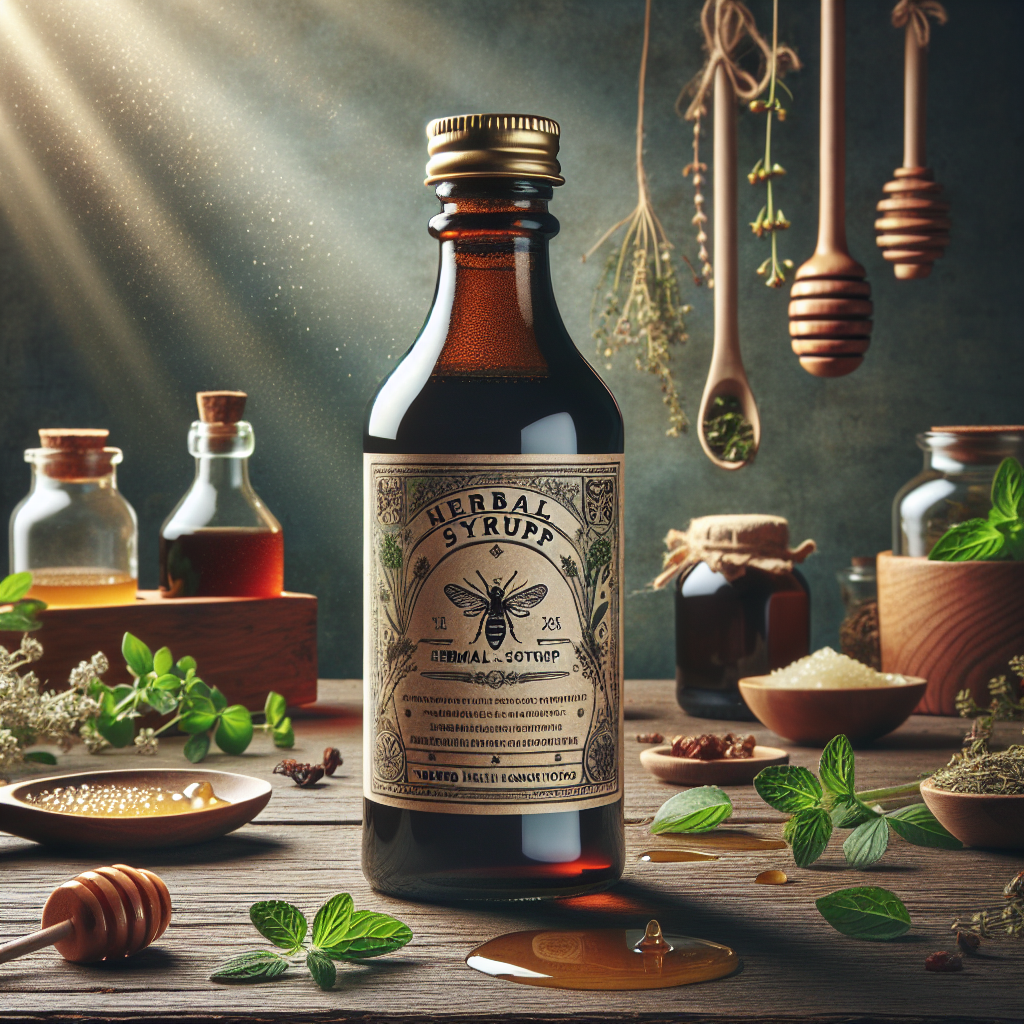
A Chinese herbal syrup is a sweet, concentrated remedy made by simmering herbs into a strong tea and blending it with honey or rock sugar. Use them when you want gentle support for coughs, sore throats, or dryness. Popular herbs include licorice root (Gan Cao), loquat leaf (Pi Pa Ye), fritillaria bulb (Chuan Bei Mu), honeysuckle flower (Jin Yin Hua), and ophiopogon root (Mai Men Dong).

In Traditional Chinese Medicine (TCM), syrups are a time-tested way to deliver herbs in a form that’s tasty and soothing.
Texture: Thick, sweet, and spoonable.
Purpose: Moistens the throat, calms coughs, and delivers herbs in an easy-to-take form.
History: First used in classical formulas where honey or rock sugar was added to preserve herbs and mask bitterness.
Fun Fact: The famous Chinese cough syrup Nin Jiom Pei Pa Koa has been used for over 70 years and is based on the same principles you’ll learn here.
For Coughs – especially dry, tickly, or irritating coughs.
For Sore Throats – when the throat feels raw, hoarse, or inflamed.
During Seasonal Changes – dryness in autumn or colds in winter.
For Children & Sensitive Adults – syrups mask bitterness better than teas.
Pro Tip: Use syrups short-term (1–2 weeks) during active symptoms. For ongoing wellness, rotate with teas, tinctures, or decoctions.
| Form | Best For | Taste | Shelf Life | Quick Notes |
|---|---|---|---|---|
| Syrup | Coughs, sore throats, kids | Sweet | 2–4 weeks refrigerated | Soothing & palatable |
| Tea/Decoction | Daily wellness, multiple herbs | Bitter to mild | 1–2 days | Stronger extraction, but less shelf-stable |
| Tincture | Long-term support, portability | Strong | 1–3 years | Alcohol preserves potency |
Syrups = comfort + kid-friendly. Teas = daily strength. Tinctures = long-term backup.
1 cup dried Chinese herbs (single herb or formula blend)
4 cups water
1 cup honey or rock sugar
Simmer Herbs – Place herbs in water, simmer until reduced by half.
Strain – Remove herbs, keeping only the liquid.
Sweeten – Add honey (off heat) or rock sugar while warm. Stir until dissolved.
Store – Pour into sterilized glass jars. Refrigerate up to 4 weeks.
Pro Tip: Add honey only after the liquid cools below 120°F (49°C) to preserve enzymes.
Why: Moistens throat, harmonizes formulas.
Use: Almost every syrup includes it.
Why: Clears heat, calms cough, moistens throat.
Use: Famous in loquat-based cough syrups.
Why: Softens phlegm, relieves dry cough.
Use: Often paired with loquat leaf.
Why: Clears heat, eases sore throats.
Use: Great for hot, inflamed conditions.
Why: Moistens dryness, supports Yin.
Use: Ideal for hoarseness or throat dryness.
Two Simple Chinese Herbal Syrup Recipes½ cup loquat leaf (Pi Pa Ye)
½ cup fritillaria bulb (Chuan Bei Mu)
4 cups water → reduce to 2 cups
Strain, add 1 cup honey
Use: 1–2 teaspoons as needed for cough relief.
½ cup licorice root (Gan Cao)
½ cup honeysuckle flower (Jin Yin Hua)
4 cups water → reduce to 2 cups
Strain, add 1 cup rock sugar
Use: 1 teaspoon every few hours to ease throat irritation.
Add Vitamin C-rich herbs (like goji berries) to boost shelf life.
Always label your jar with date and ingredients.
Use dark bottles to protect from light damage.
For children under 1 year: use rock sugar instead of honey.
Q: What is the best syrup for coughs?
A: A loquat and fritillaria syrup is the most traditional choice.
Q: What is the best syrup for sore throats?
A: Licorice and honeysuckle syrup is widely used for throat comfort.
Q: How long does homemade syrup last?
A: About 2–4 weeks refrigerated.
Q: Can I take herbal syrups daily?
A: Use short-term during discomfort; for daily support, use teas or tinctures.
Shop These HerbsBuy Loquat Leaf (Pi Pa Ye)
Buy Fritillaria Bulb (Chuan Bei Mu)
Buy Licorice Root (Gan Cao)
Buy Honeysuckle Flower (Jin Yin Hua)
Buy Ophiopogon Root (Mai Men Dong)
In a world full of cough syrups with artificial colors and chemicals, Chinese herbal syrups remain a trusted, natural solution. They connect you to tradition while giving your body what it needs: gentle, effective relief.
When you buy from us, you’re not just getting herbs — you’re joining a community that values authentic tradition, quality sourcing, and your family’s wellness.
References
| Topic | Study / Citation | What It Supports / Caveats |
|---|---|---|
| Herbal medicine improves cough outcomes | Herbal Medicine for the Treatment of Chronic Cough: a systematic review PubMed | In many RCTs, herbal medicine (as used in Chinese medicine) was associated with improved cough-related quality of life, total effective rates, and lower recurrence. But methodological quality is variable. |
| Herbal medicine vs placebo in adult cough | Herbal Medicine for Adult Patients with Cough Variant Asthma PubMed | Moderate-quality evidence from some trials: herbal medicine was associated with reduced cough symptom scores vs placebo or montelukast. |
| Herbs for postinfectious cough | Chinese Herbal Medicine for Postinfectious Cough PMC | Shows that Chinese herbal medicine may improve core symptoms and provide earlier antitussive (anti-cough) effects compared to conventional or placebo treatments. |
| Fritillaria bulb pharmacology (Beimu / Chuan Bei Mu) | Fritillaria thunbergii (Zhe Beimu) review PubMed | Details traditional uses and modern pharmacological evidence that the Fritillaria bulb is used to “cure cough, inflammation, bronchitis,” supporting your use of it in a syrup. |
| Licorice (Glycyrrhiza) anti-inflammatory / antiviral / cough use | The antiviral and antimicrobial activities of licorice PMC The anti-inflammatory activity of licorice, a widely used herb PMC |
Licorice is widely studied; shows antiviral, antimicrobial, anti-inflammatory activities, and traditional uses for cough / expectorant effects. |
| Chinese herbal syrup / syrup-like preparation in children with respiratory illness | Efficacy and safety of Chinese herbal medicine children’s Zibei Xuanfei syrup PubMed | Clinical RCT: in children with acute tracheobronchitis, this herbal syrup showed high effectiveness and acceptable safety compared to control. Good anchor for “Chinese herbal syrups are used clinically.” |
| Herbs for sore throat / upper respiratory symptoms | Chinese medicinal herbs for sore throat PMC | Reviews the existing trials of Chinese herbs for sore throat; authors find that evidence is limited, so this is a cautious support (not definitive). |
| Heat-clearing Chinese herbs (including Jin Yin Hua) | Anti-inflammatory and Antimicrobial Effects of Heat-Clearing Chinese Herbs PMC | Shows several “heat-clearing” herbs (e.g., Jin Yin Hua, Huang Qin) have anti-inflammatory and antimicrobial properties. Supports your use of those herbs in syrups for sore/inflamed throat. |
| General mechanisms of herbal drugs for cough | Proposed mechanisms of action of herbal drugs and their constituents on cough PMC | This review covers how plant compounds can act on various pathways relevant to cough (mucolytic, anti-inflammatory, analgesic, etc.), giving mechanistic plausibility. |
| Use in acute bronchitis | Chinese medicinal herbs for acute bronchitis: systematic review PMC | A review summarizing evidence for Chinese herbs in treating bronchitis, which is relevant to respiratory / cough / throat conditions. |
| Honey for cough / upper respiratory symptoms | Honey for treatment of cough in children PMC Effectiveness of honey for symptomatic relief in upper respiratory infections PubMed |
While not Chinese herbs, these support the inclusion of honey (or sweeteners) in a syrup as an evidence-backed component for symptomatic relief. |